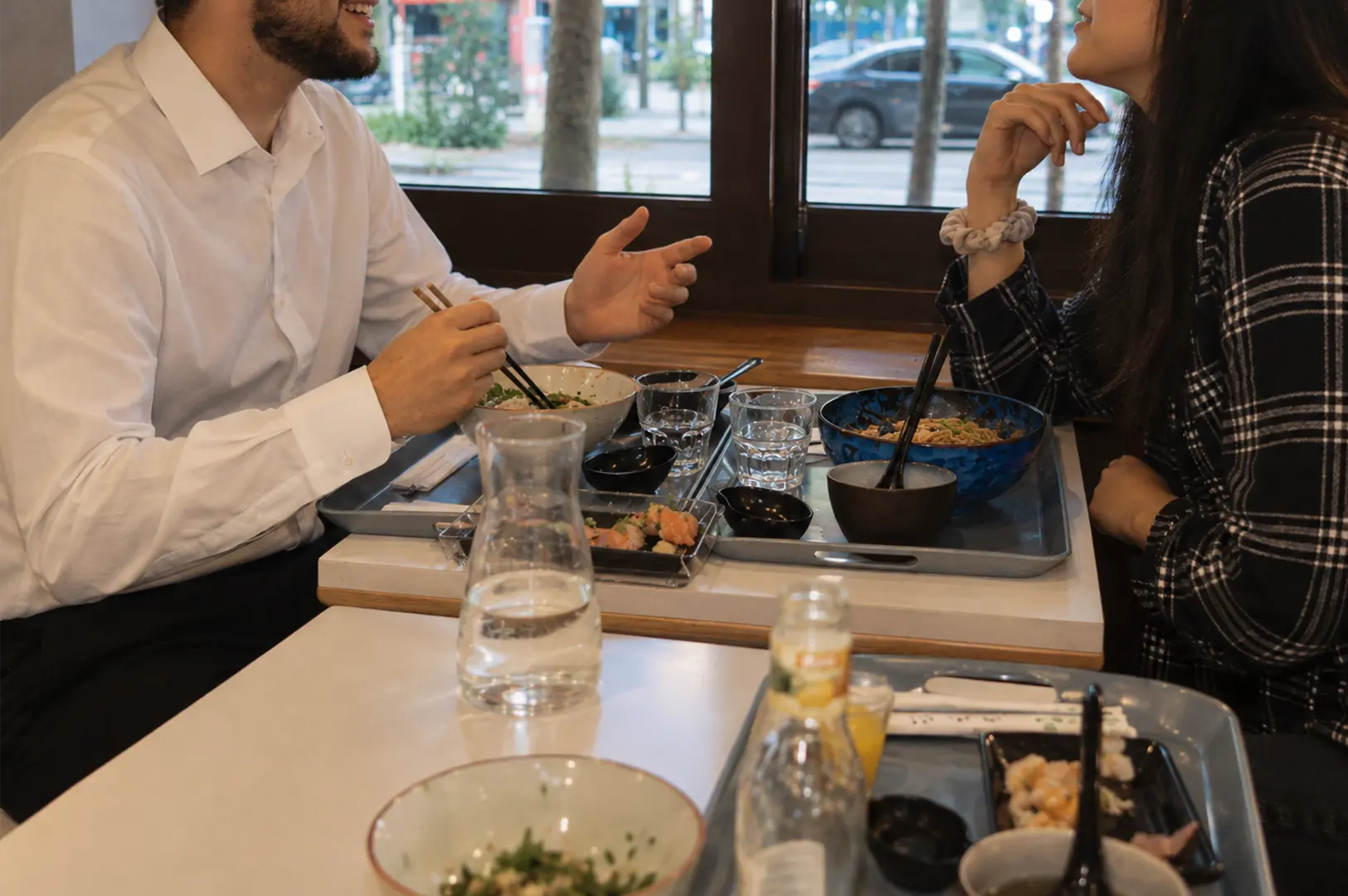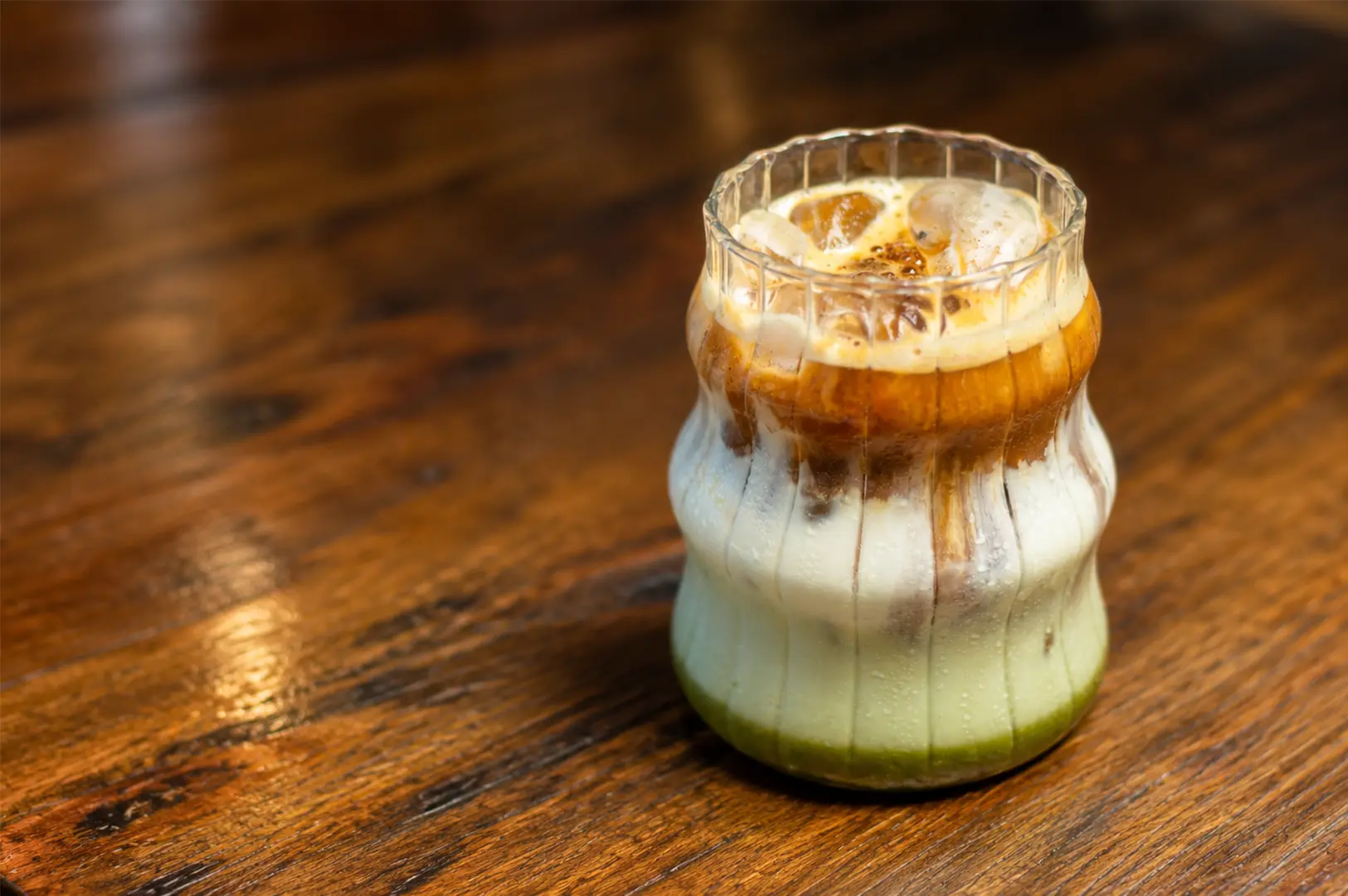

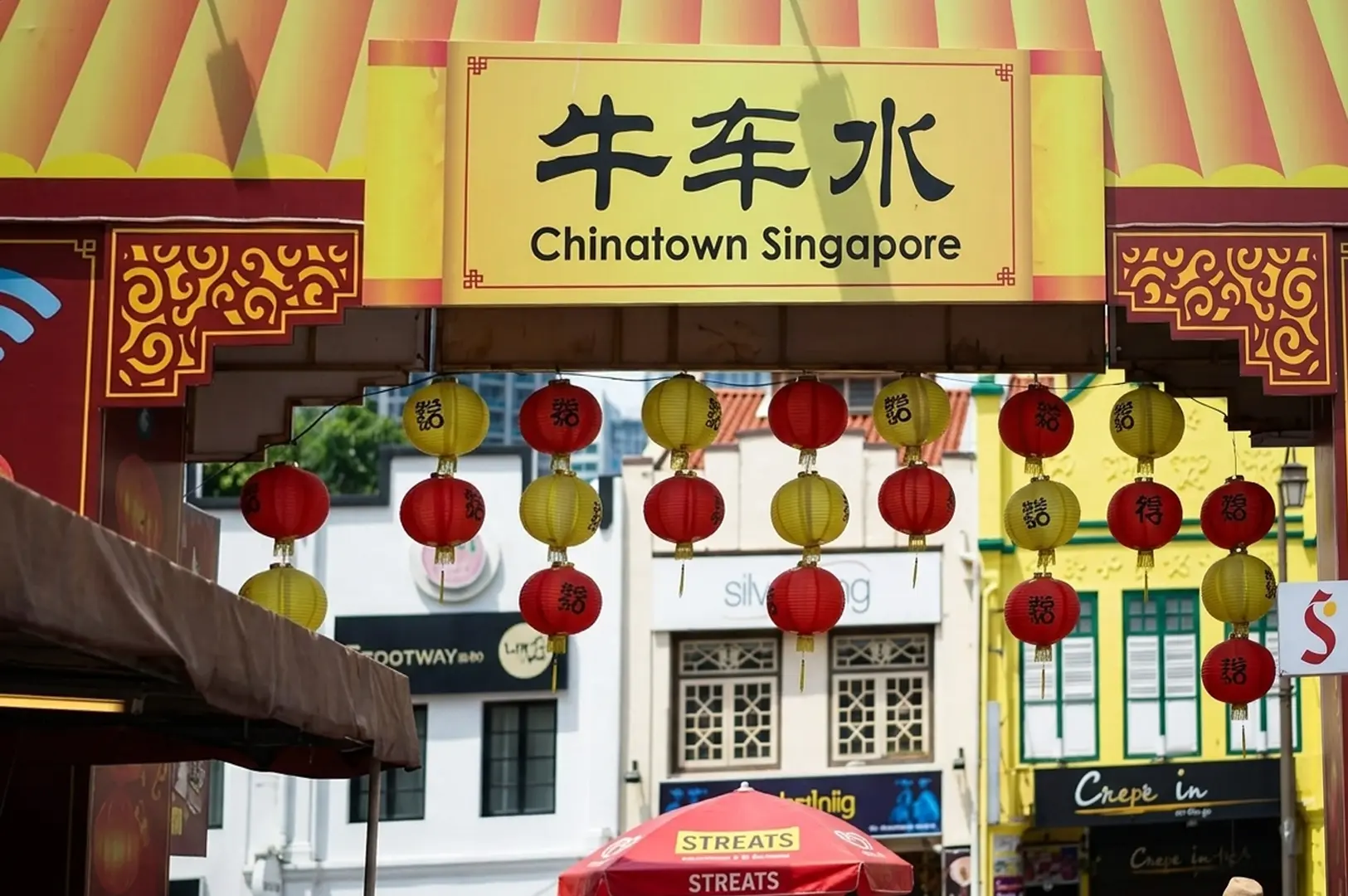
I remember my first time trying to navigate a market weekend in Singapore. I went to Chinatown Street Market expecting to grab a quick plate of noodles. Three hours later, I was walking out with a vintage tote bag, two iced coffees, and a massive haul of local snacks. That was the day I realized something important. In Singapore, a market is rarely just a place to eat.
Today, the line between a traditional food centre and a buzzing lifestyle pop up is completely blurred. If you are looking for a fun weekend plan, you will find that many Singapore food markets like the ones seen here: https://neighbourhoodlife.com.sg/singapore-pop-up-food-markets-void-decks-neighbourhoods/, now blend indie retail, thrift finds, and incredible eating into one massive social event.
Whether you want to hunt for clothes or feast on Singaporean hawker food from different neighbourhoods, here is how you can master the hybrid market experience.
What Actually is a Singapore Food Market Today?
When tourists hear “market” in Singapore, they usually picture the wet market scenes from Crazy Rich Asians or the famous satay grills at Lau Pa Sat. It is true that our heritage spots are legendary. Singapore’s hawker centers are a massive part of our culture.
However, the current scene has evolved. You still have the traditional hawker center like Maxwell Food Center or Golden Mile Food Centre, which focus heavily on affordable prices and quick meals. But then you have curated events like Public Garden or Boutiques Singapore. These events bring hundreds of indie makers, vintage sellers, and food vendors into one location.
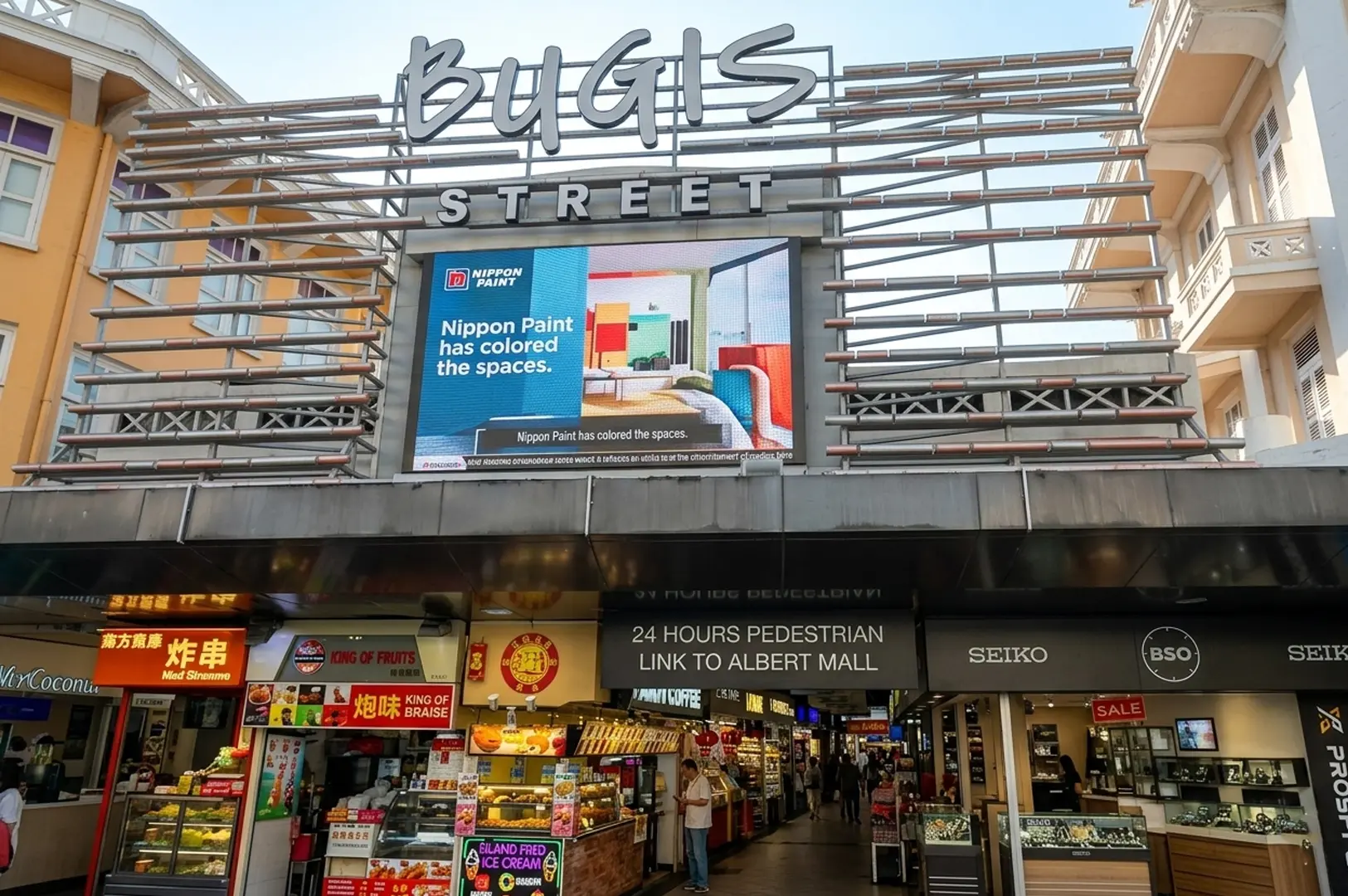
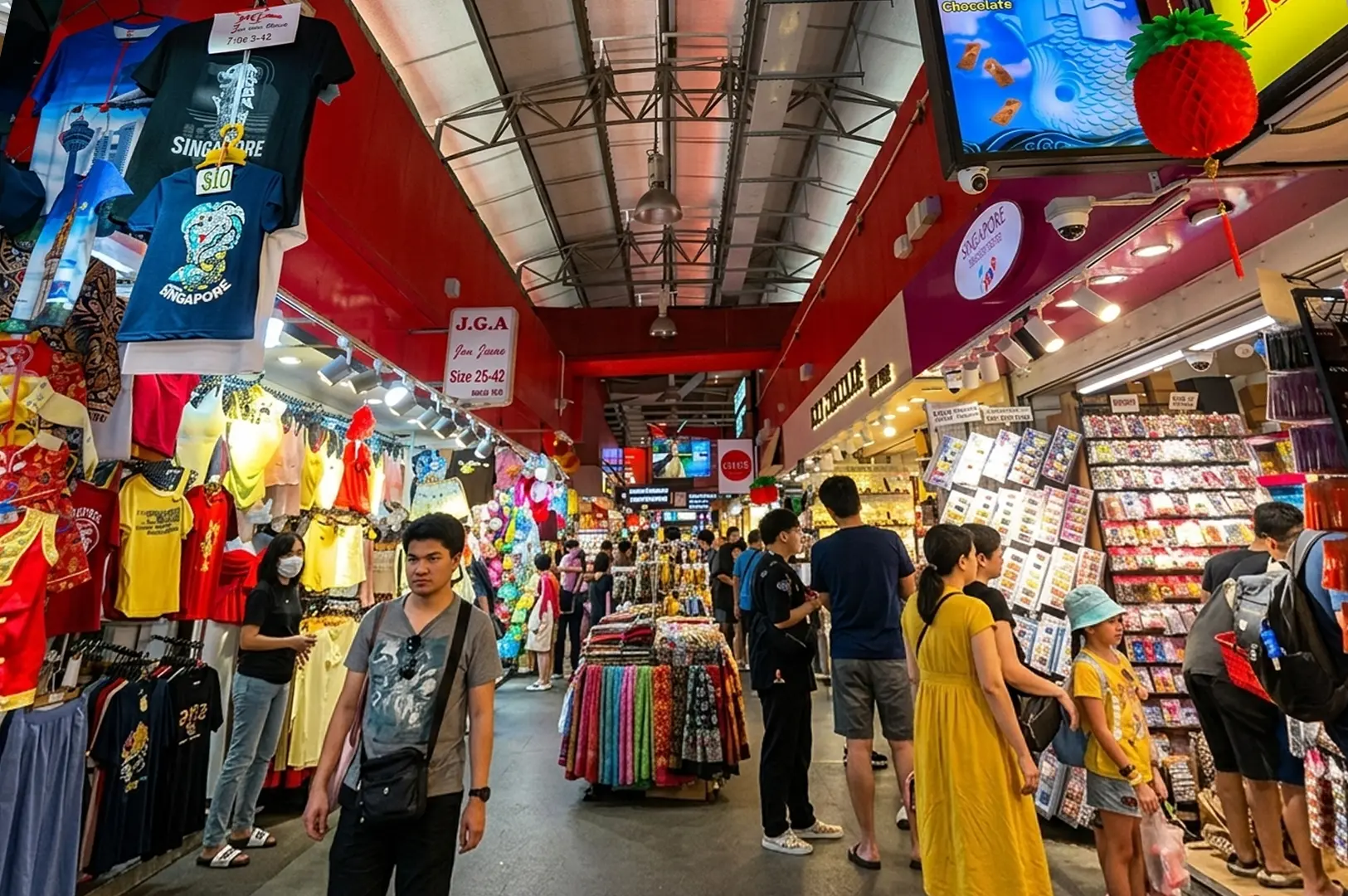
There are also hybrid street markets like Bugis Street or Chinatown, where you naturally transition from buying cheap phone cases to eating delicious chinese food. You get the best of both worlds.
The Three Types of Market Days You Can Plan
Before you step out into the hot and humid weather, you need to decide what kind of vibe you want. I suggest breaking it down into three categories.
1. The Heritage Food Centers / Food Courts and Browse
If you want culture, head to a neighborhood with deep roots. Take a walk through Little India and hit up Tekka Centre (sometimes called Tekka Market). You can browse colorful fabrics upstairs and then head down for the best food, like a massive plate of hot roti prata.
Alternatively, wander around Kampong Glam or Chinatown. These spots are a great place to buy traditional crafts and then feast on local dishes. You can easily find sweet dessert stalls, hot bowls of laksa, and savory BBQ pork all located close to each other.
2. The Curated Weekend Pop Up
If you want a highly aesthetic experience, track down events like the ones mentioned before: Public Garden or Boutiques Singapore. These are not your average food courts. They are massive, curated trade shows for independent brands.
You go here to discover new clothes, ceramics, and art. The food vendors at these events are usually artisanal. You will find specialty coffee, fancy pastries, and unique snacks. It is an amazing way to spend a Saturday, even if the stuff here costs a bit more than your standard hawker food.
3. The Classic Best Hawker Center Hustle
Sometimes you just want the best hawker centres for pure eating. If you are chasing a Michelin star meal or legendary dishes, you want places like Old Airport Road (often just called Airport Road), Tiong Bahru Market, or Newton Food Centre.
These are food-first destinations, but they are still surrounded by community life. At places like Changi Village Hawker Centre or Tanjong Pagar, you will find business people grabbing lunch hours alongside tourists. You come here for the char kway teow, the chicken rice, and the fresh seafood.
Insider Knowledge: The Reconnaissance Lap
Do not buy the very first thing you see. Whether you are at a massive thrift flea or a busy food center, always do one full lap first. Most stalls are packed together. If you buy a heavy rice dish immediately, you might miss out on a legendary Hokkien mee stall hidden in the back corner. Walk around, note the queues, and then make your choices.
Step-by-Step Guide to Thriving at a Market
Navigating a massive market on the island can be overwhelming. Here is my personal strategy for having a great time without burning out.
Step 1: Pack the Essentials
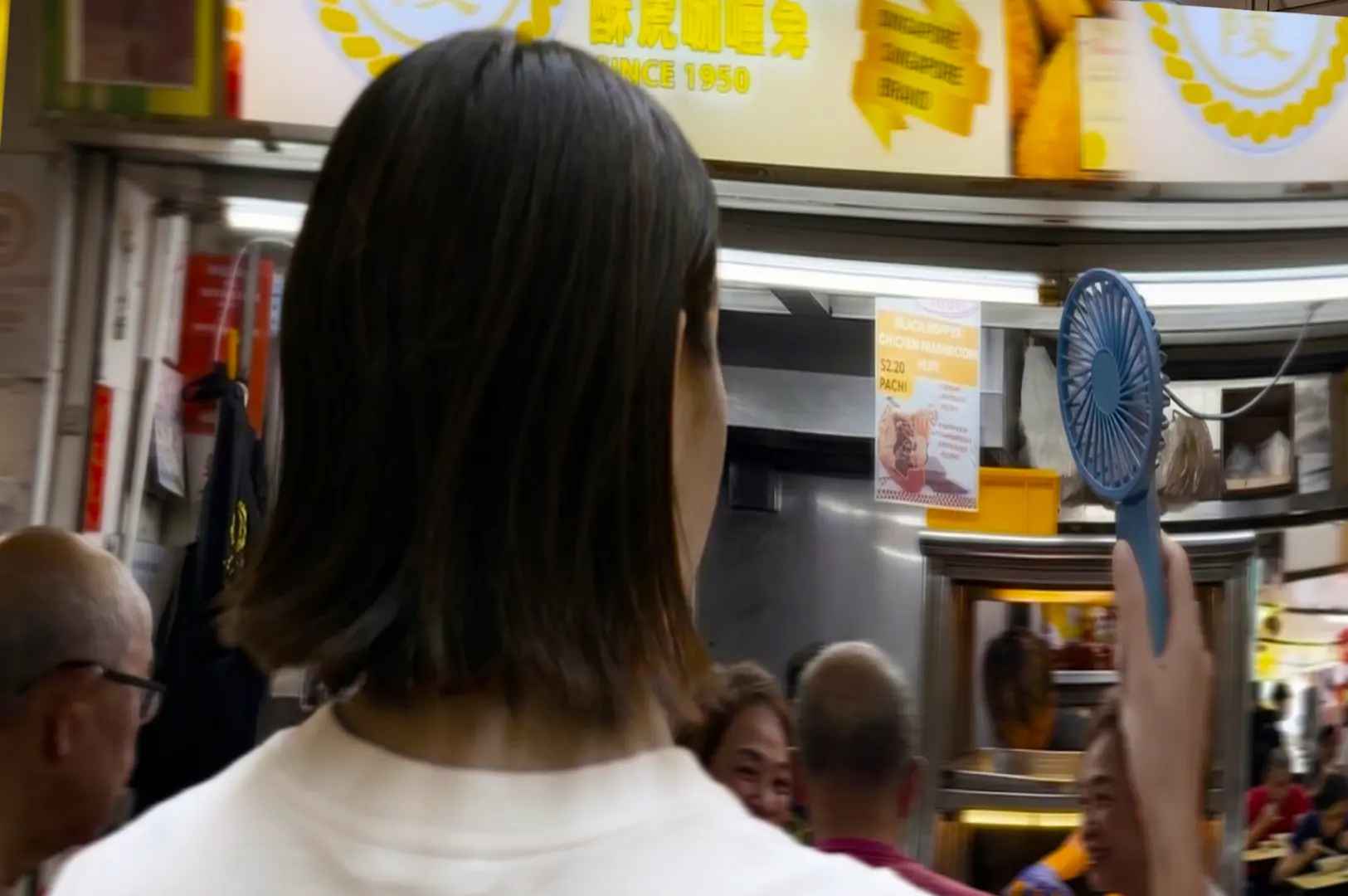
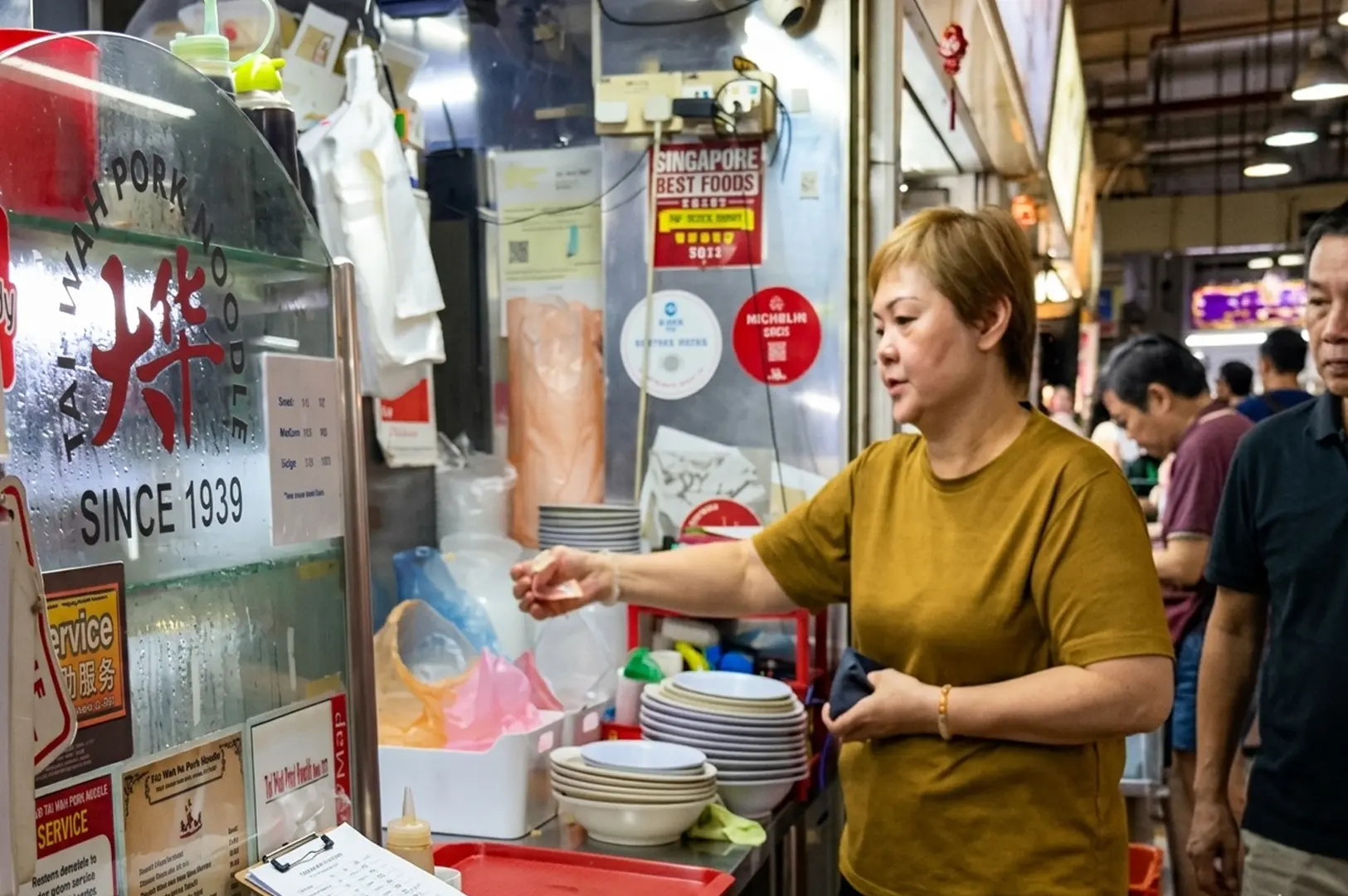
- Singapore is hot. You will be walking a lot. Bring a portable fan, wet wipes, and a foldable tote bag for your flea market purchases. Do not forget to bring a mix of cash and card. While most of the modern world uses digital payments, some older hawkers and small flea vendors still prefer cash.
Step 2: Time Your Visit
- Timing is everything. If you are hitting a traditional spot like Tiong Bahru, go in the morning for the freshest ingredients. If you want to experience Lau Pa Satay Street, you have to go at night when they fire up the satay grills. For pop up markets, I prefer going in the late afternoon when the initial opening crowd has thinned out.
Step 3: Eat, Shop, Repeat
- Do not try to eat all your meals at once. Grab some refreshing drinks like an iced teh tarik first. Share a small plate of carrot cake or noodles with your friends. Then, go look at the clothes or crafts. Once you have walked off the first snack, go back for some meat skewers or chicken. It is a marathon, not a sprint.
Do Not Pull A Crazy Rich Asians: No Mistakes!
I have made plenty of errors while exploring these markets. Learn from my missteps.
Assuming it is all cheap: While a bowl of noodles at a hawker centre is very affordable, the lifestyle pop ups and curated flea markets are different. Artisanal crafts and specialty food will cost more. Set your budget before you arrive.
Ignoring the tray return rules: This is a big one. In Singapore, returning your tray and clearing your table at a hawker centre is the law. Do not leave your dirty tissues and plates behind. It is bad manners and you can actually get fined.
Following the longest queue blindly: Yes, a long line usually means the food is pretty good. But sometimes, it just means that stall went viral on social media last week. Trust your nose and look at what the locals are actually eating. I have had the best satay of my life from a quiet stall with zero queue.
FAQ: Navigating the Chaos
Are these markets just for tourists?
Not at all. While spots near Orchard Road might attract more visitors, markets are the lifeblood of Singapore. Locals eat and shop here every single day.
What is the best thing to eat at a night market?
You cannot go wrong with satay. The smell of the charcoal smoke is incredible. Pair it with an ice cold sugarcane drink and you are set.
Is bargaining allowed?
At a curated event like Public Garden, prices are fixed. At a casual thrift flea market or a souvenir stall in Chinatown, you can politely negotiate. But when it comes to food, never haggle. The prices are already incredibly fair.
Final Thoughts Before You Go
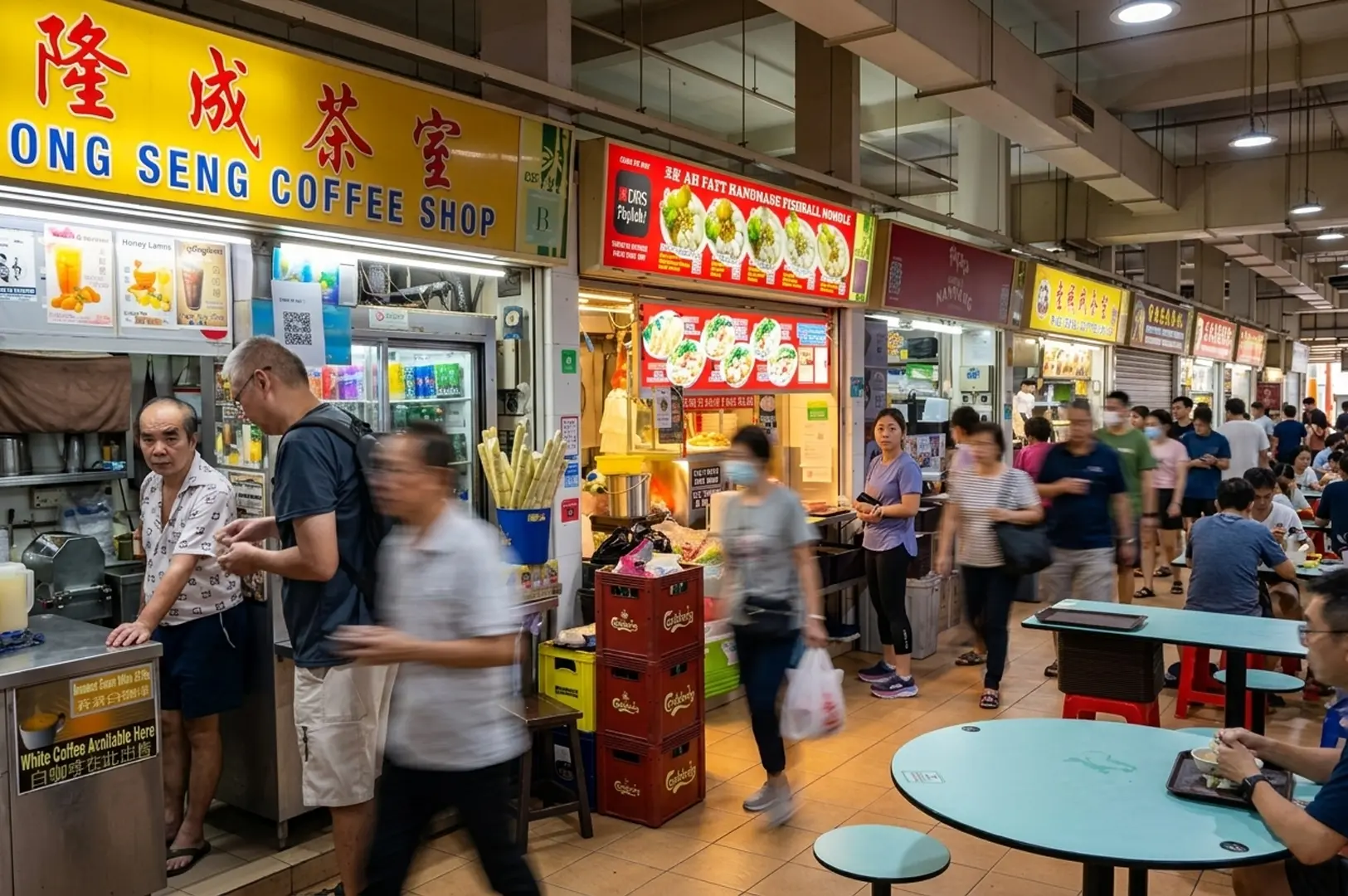
Exploring the market scene is honestly one of the most rewarding things you can do here. It is loud, vibrant, and incredibly fun. You get to taste dishes from all over Asia, discover unique local brands, and soak in the energy of the city.
Whether you end up hunting for vintage clothes or just eating your weight in delicious seafood, embrace the chaos. Wear comfortable shoes, stay hydrated, and keep an open mind. The best finds and the tastiest meals are usually waiting just around the next corner.