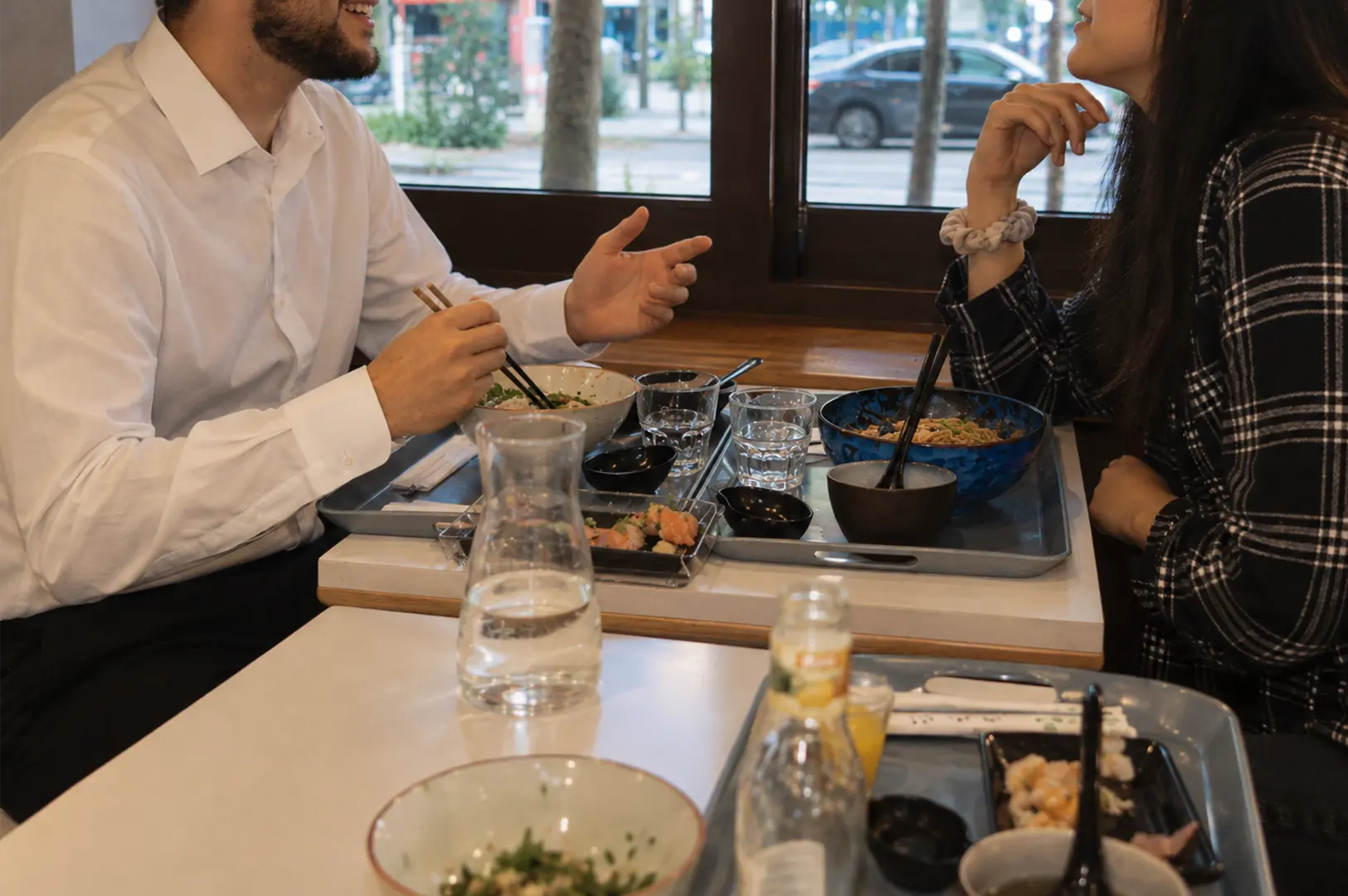

It usually starts the same way. A video shows up on your feed or you browse on an article (https://hiddeneatsaround.com/), a place you’ve never seen before. No queue, no hype, just someone quietly saying, “I don’t think many people know about this yet.” And for a moment, it feels like you’re early. So you save it, maybe even plan a visit before the weekend, not because you’re hungry right now, but because there’s a small window where this place still feels undiscovered.
That window matters more than we like to admit. Somewhere along the way, finding food stopped being just about eating. It became about timing, about getting there before everyone else does, before the lines form, before the comments pile up, before the place gets labeled as “overrated.” Because once that happens, something changes. The same dish, the same setting, the same price; but it no longer feels like your find. It feels like everyone else’s.

So we move quickly. We scroll, we save, we go; sometimes faster than we need to. There’s a quiet urgency behind it, like we’re trying to stay ahead of something we can’t quite see, but know is coming. Virality isn’t a slow build anymore. It’s sudden. A place can go from empty to impossible within days, and once it does, the narrative shifts just as quickly; from “hidden gem” to “not worth the wait.”
Which means the real race isn’t just about finding something good. It’s about finding it first. But that raises a question that’s harder to answer. What happens after? Because the moment you share it, post it, recommend it, send it to friends, you become part of the very thing you were trying to get ahead of. You help move it along, push it closer to that tipping point where it stops feeling like a discovery.
And yet, not sharing feels almost unnatural now. Good finds are meant to be passed on. That’s how food culture has always worked, just faster, louder, and more visible today. So we keep doing both. We chase the early moment, and then we accelerate its end. Maybe that’s just how it works now.
Or maybe the idea of “being early” was never meant to last in the first place.