
In Singapore, the question “Have you eaten?” is rarely a simple inquiry about sustenance. It is a greeting, a check-in, and a profound expression of care. But if you listen closely to the rhythm of our days, you’ll notice that the answer is increasingly complex. We are no longer just eating breakfast, lunch, and dinner. We are eating in the spaces between. We are eating while we walk to the MRT, while we wait for a meeting to start, and while we decompress after a long day. The concept of the “Singaporean snacks” culture has evolved from a mere stopgap against hunger into a distinct cultural behavior, a ritual that reveals as much about our social fabric as it does about our palates. For many, every bite of a traditional snack is a trip down memory lane, evoking the nostalgia of childhood treats and festive celebrations. Taking a nostalgic trip through Singaporean snacks is a way to reconnect with the flavors and memories of simpler times.
Learn more about Singapore’s trending cuisines, by visiting our website!
The Psychology of the Small Bite: Indulging in Local Snacks and Nostalgic Snacks
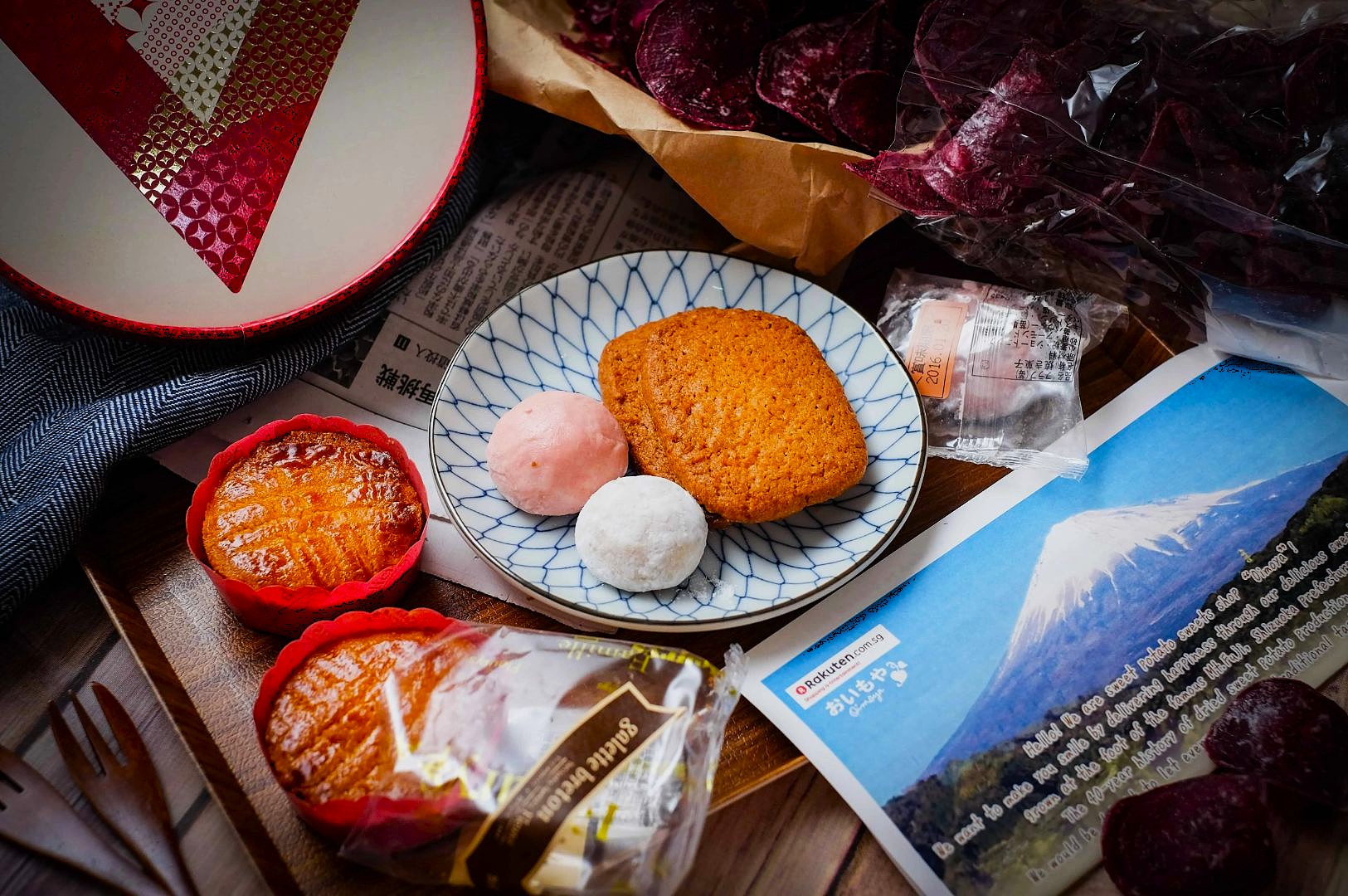
There is also a psychological dimension to our snacking habits. In a high-pressure environment, food is often the most accessible form of relief. A snack is a manageable reward. It doesn’t require a reservation or a significant financial outlay. It is an immediate, tangible pleasure that we can grant ourselves. In these moments, we consume our favourite Singaporean snacks quickly or leisurely, savoring the act as a way to unwind or treat ourselves.
The Transition Ritual: That cup of bubble tea or bag of roasted chestnuts bought on the way home is often a boundary marker. It signals the shift from “worker” to “individual,” a small reclamation of the self before stepping back into domestic responsibilities.
The Nervous Energy: Watch a group of students studying at a fast-food joint or a cafe. The fries or pastries on the table are not just fuel; they are a focal point for nervous energy, a prop that allows for pauses in conversation or concentration.
The Shared delight: Buying a box of egg tarts for the office pantry is rarely about hunger. It is a social currency, a gesture of goodwill that greases the wheels of workplace relationships.
Iconic Singaporean Snacks: From Salted Egg Fish Skin to Iced Gem Biscuits
Singaporean snacks are a vibrant reflection of the city’s diverse cuisine, offering unique flavours and textures that delight locals and visitors alike. Here are some iconic Singaporean snacks, highlighting their key features and typical price points. These snacks not only satisfy cravings but also serve as edible memories, connecting Singaporeans to their cultural heritage and offering a taste of local life to visitors.
Crispy and Spicy Treats: Prawn Crackers, Potato Chips, and Chilli Tapioca Chips
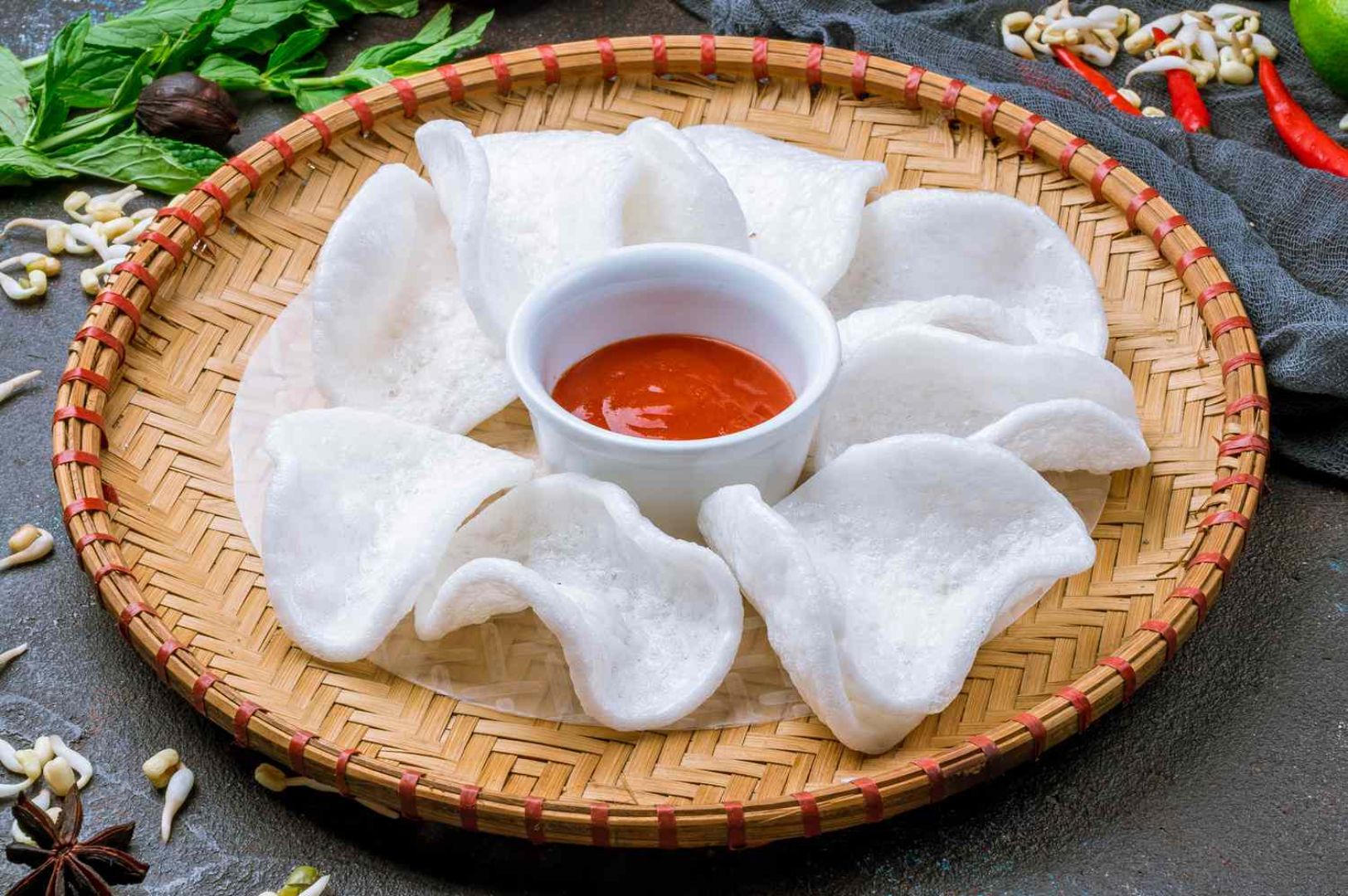
For those craving a crunchy bite, prawn crackers and potato chips are classic local snacks that never fail to satisfy. Chilli tapioca chips add a spicy kick with their sambal seasoning, balancing heat and crunch. These snacks are widely sold in mama shops and supermarkets, offering different flavours that cater to varied tastes.
Here are the highlights and typical price points of these popular snacks:
Prawn Crackers: A crispy, light snack with a distinctive prawn flavor and aroma. Price range: SGD 1–4 per packet.
Salted Egg Fish Skin: An extra crispy, chewy snack featuring fish skin coated in rich salted egg yolk seasoning. Known for its bold taste and unique texture. Price range: SGD 5–10 per bag.
Potato Chips: Available in various Singaporean flavours, these chips are a familiar and comforting choice for snack lovers. Price range: SGD 2–5 per bag.
Chilli Tapioca Chips: Thinly sliced tapioca crisps coated with a spicy sambal seasoning, offering a perfect balance of heat and crunch. Price range: SGD 2–5 per packet.
These iconic Singaporean snacks are readily available in mama shops and supermarkets, making them an accessible and satisfying treat for locals and visitors alike.
Sweet Delights: White Rabbit Candy, Kaya Jam, and Other Sweets
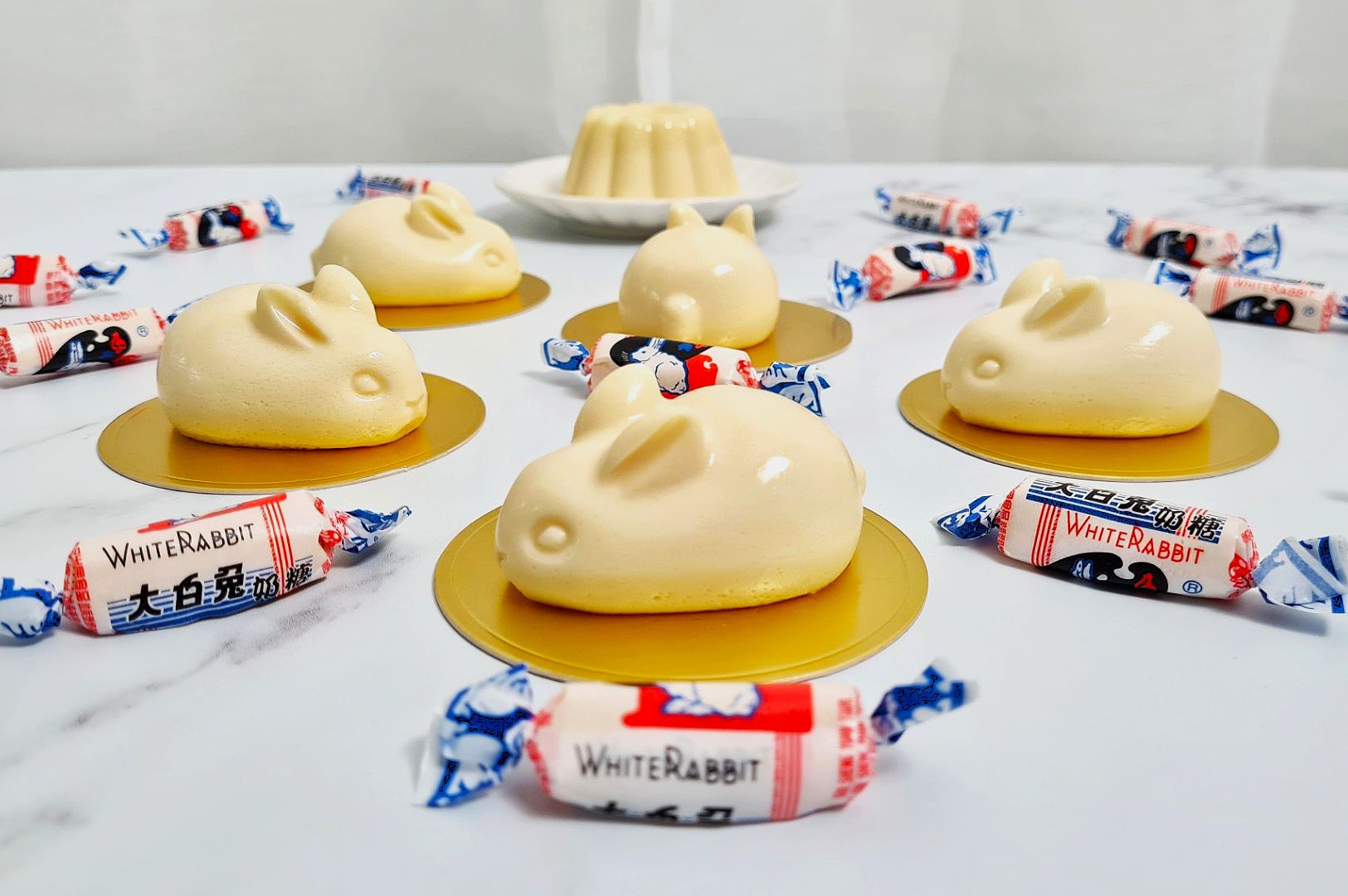
Singapore’s sweet treats are beloved across generations for their unique flavours and nostalgic appeal. Here are some highlights of popular sweet snacks, including their key features and typical price points:
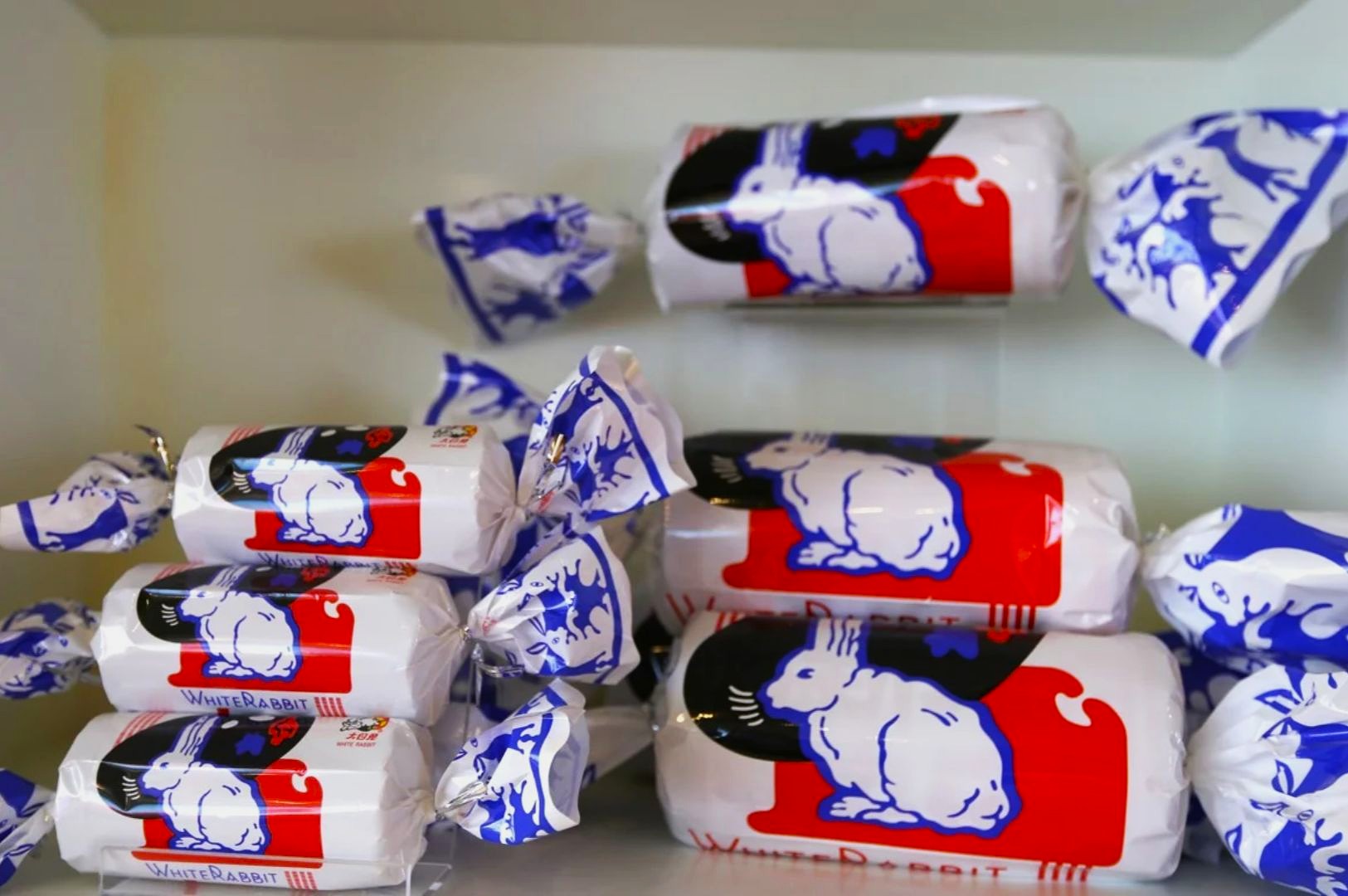
White Rabbit Candy: A chewy snack wrapped in edible rice paper, available in different flavours. A classic treat cherished by many generations. Price range: SGD 1–3 per pack.
Kaya Jam: A creamy spread made from coconut, eggs, pandan, and sugar. A breakfast favourite often enjoyed on toast, offering a rich and fragrant taste. Price range: SGD 3–8 per jar.
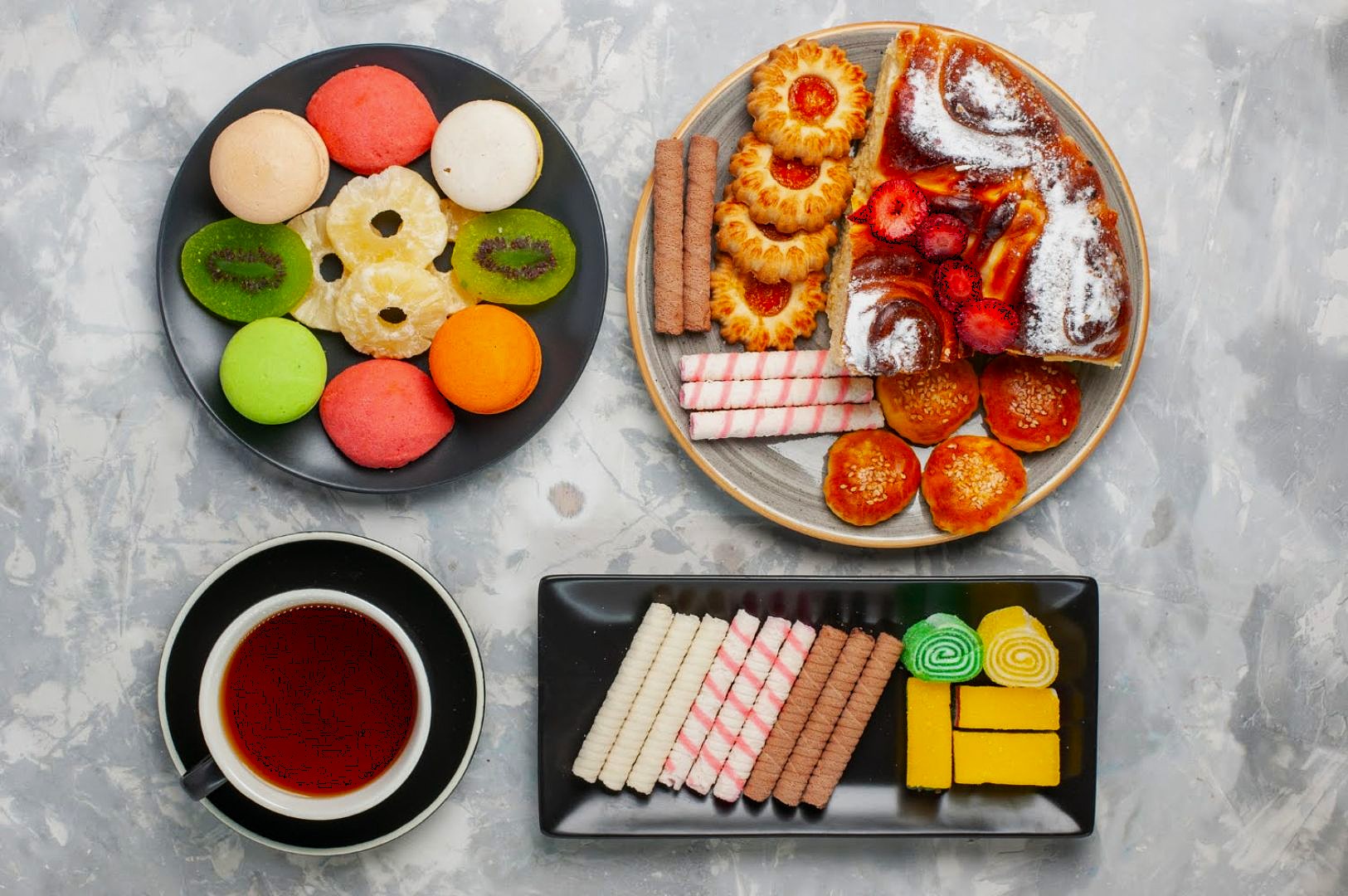
Chocolate Wafers: Crisp wafers coated in chocolate, providing a sweet and crunchy texture. Popular as a quick indulgence or gift. Price range: SGD 2–5 per pack.
Nostalgic Snacks and Tiny Biscuits: A Taste of Tradition
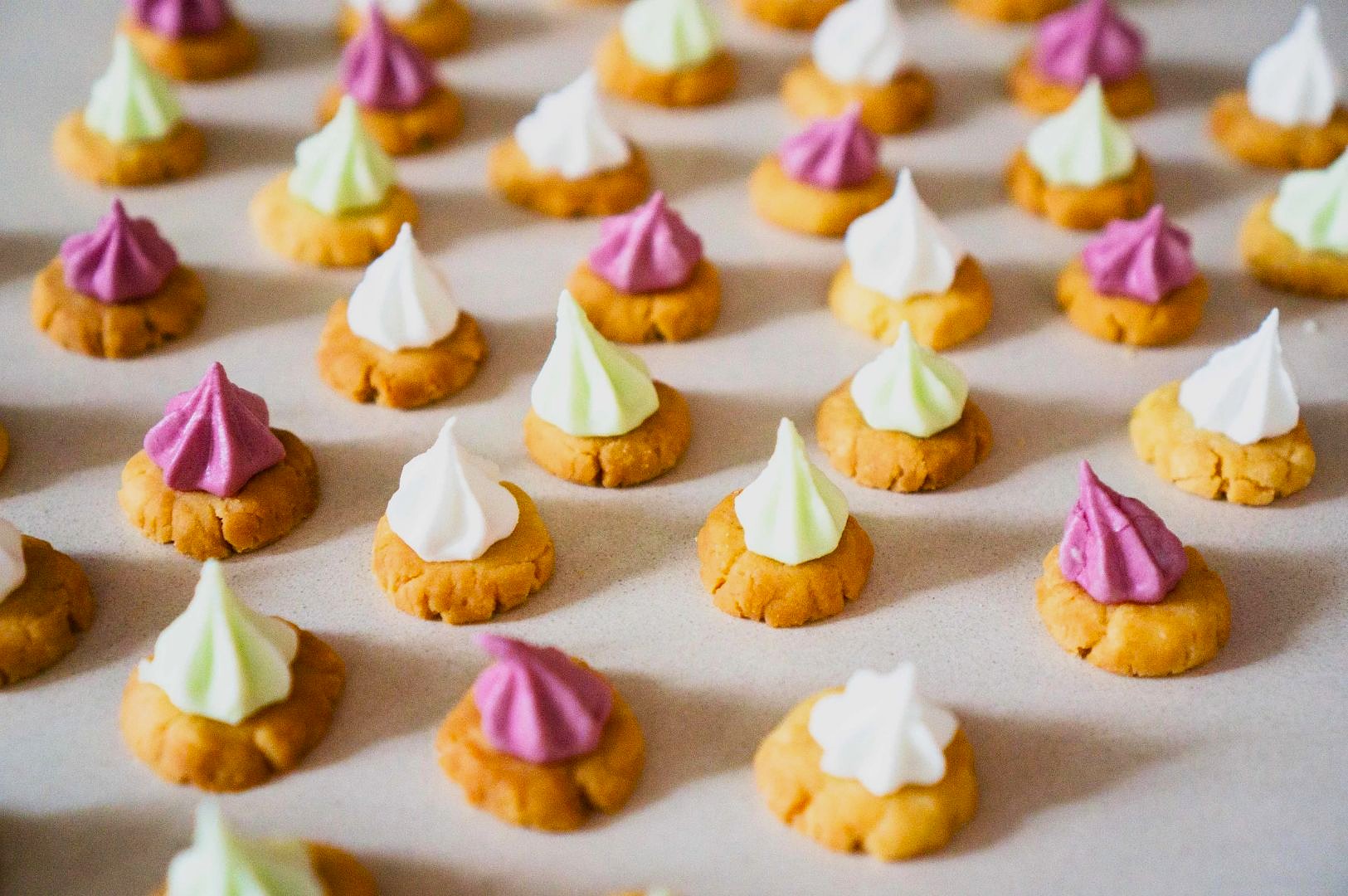
Many Singaporean snacks carry a strong smell and unique texture that instantly transport you to childhood. Gem biscuits, with their biscuit portion topped by colorful hardened icing, and haw flakes, thin sweet and sour fruit flakes, are nostalgic favourites often eaten as treats or shared among friends and family. These snacks are staples in mama shops and remain popular for their simple yet satisfying taste.
Here are some highlights of these nostalgic snacks along with their typical price points:
Gem Biscuits: Tiny biscuits topped with hardened colorful icing, evoking fond childhood memories. Price range: SGD 1–3 per packet.
Haw Flakes: Thin, sweet and sour fruit flakes made from hawthorn fruit, light and easy to share. Price range: SGD 1–2 per pack.
Healthy Snacking Ideas: Fewer Calories, Nuts, and Ginger-Flavoured Treats
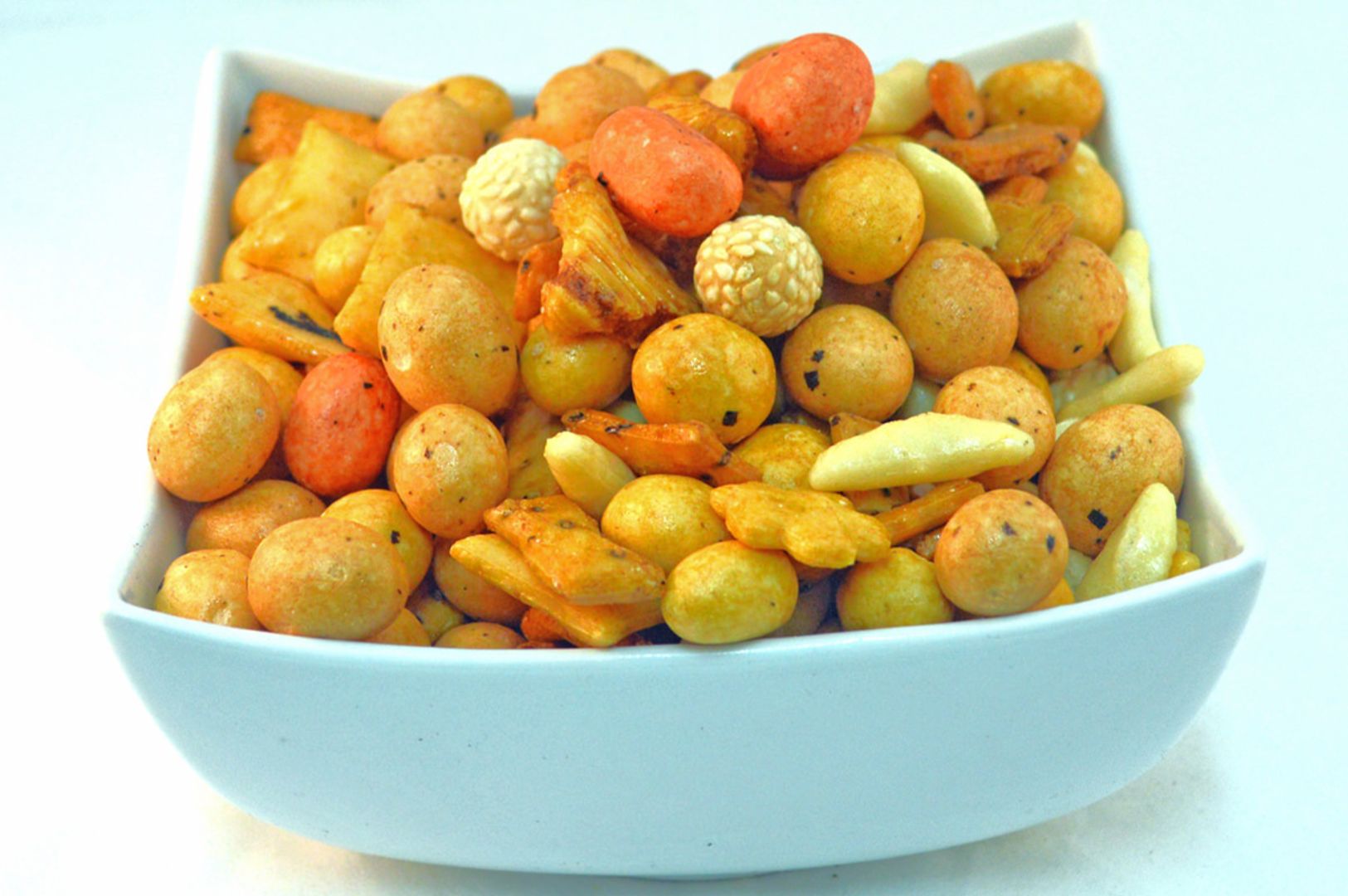
With growing health awareness, Singaporean snacks now include healthier options featuring fewer calories and wholesome ingredients like nuts and ginger. These include nut mixes, ginger-flavored snacks, low-calorie chips made from alternative ingredients, and baked or vacuum-fried snacks, offering tasty yet mindful indulgence.
Where to Buy Singaporean Snacks: Mama Shops, Supermarkets, and Specialty Stores
To consume authentic local snacks, mama shops remain a beloved choice, offering an array of treats like prawn crackers, chilli tapioca chips, and gem biscuits. Supermarkets and specialty stores also sell a wide range of snacks, catering to diverse preferences and making it easy to indulge in Singapore’s snack heritage.
King of Snacks also offers the freshest and widest selection of classic snacks and tidbits to satisfy your cravings for any occasion.
Visual Snacking and the Digital Feed: Sharing Gem Biscuits and Iced Gem Biscuits on Instagram
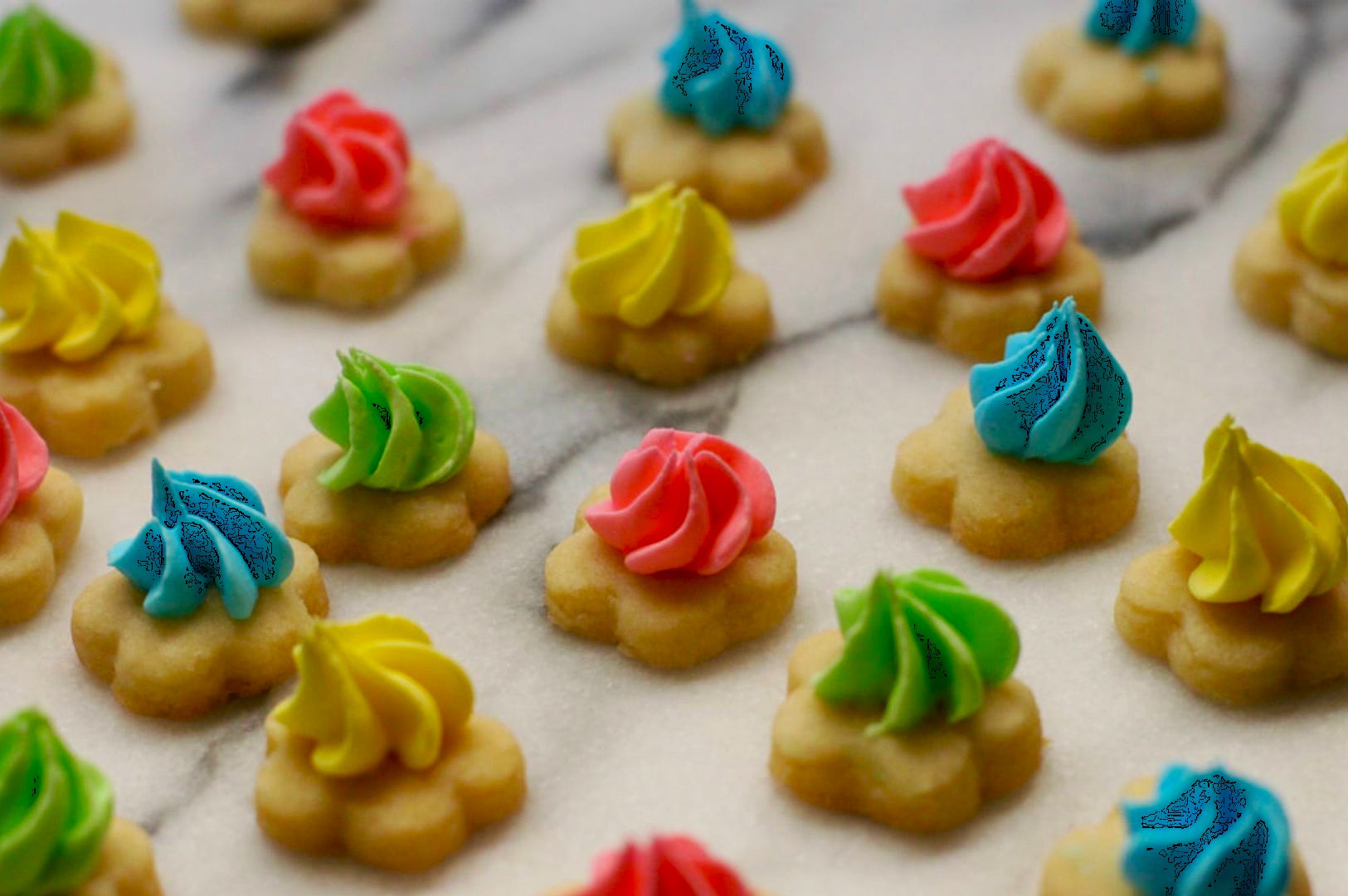
We cannot ignore the role of the visual. In the age of social media, the snack has a distinct advantage over the full meal: it is photogenic and often requires less setup. A single, beautifully crafted ang ku kueh or a perfectly swirled soft serve is easier to capture than a messy plate of Hokkien mee. Colorful wafers, with their nostalgic charm and crisp layers, are also popular for their eye-catching appearance in photos. Some snacks are even prepared or presented with a whip of cream or other ingredients to enhance their visual appeal.
This “visual snacking” drives curiosity. We see a friend post a story of a new mochi donut or a traditional biscuit, and it triggers a desire not just for the taste, but for the participation. We want to try it because it is part of the current conversation. The snack becomes a cultural token, a way of saying, “I am here, I am aware, and I am partaking.” This digital visibility has elevated humble snacks to star status, turning hidden gems in neighbourhood bakeries and mama shops into destinations for island-wide pilgrimages.
The Low-Commitment Indulgence: Satisfying Cravings with Potato Chips, Fish Skin, and More
Perhaps the most compelling reason the snack rules our culinary landscape is the concept of low-commitment indulgence. In a world that demands so much of us—high performance at work, attentiveness at home, curation online—the snack asks for very little. It does not demand that you dress up. It does not demand a reservation two months in advance. It asks only for a few dollars and a few minutes.
This accessibility makes it the ultimate democratic luxury. Whether you are a CEO or a student, the joy of biting into a hot, crispy epok-epok or a bag of extra crispy salted egg fish skin is exactly the same. It levels the playing field. In that moment of consumption, we are all just people seeking a small, perfect burst of flavor to get us through to the next part of our day.
The Multi-Generational Bridge: Passing Down White Rabbit Candy and Other Flavours
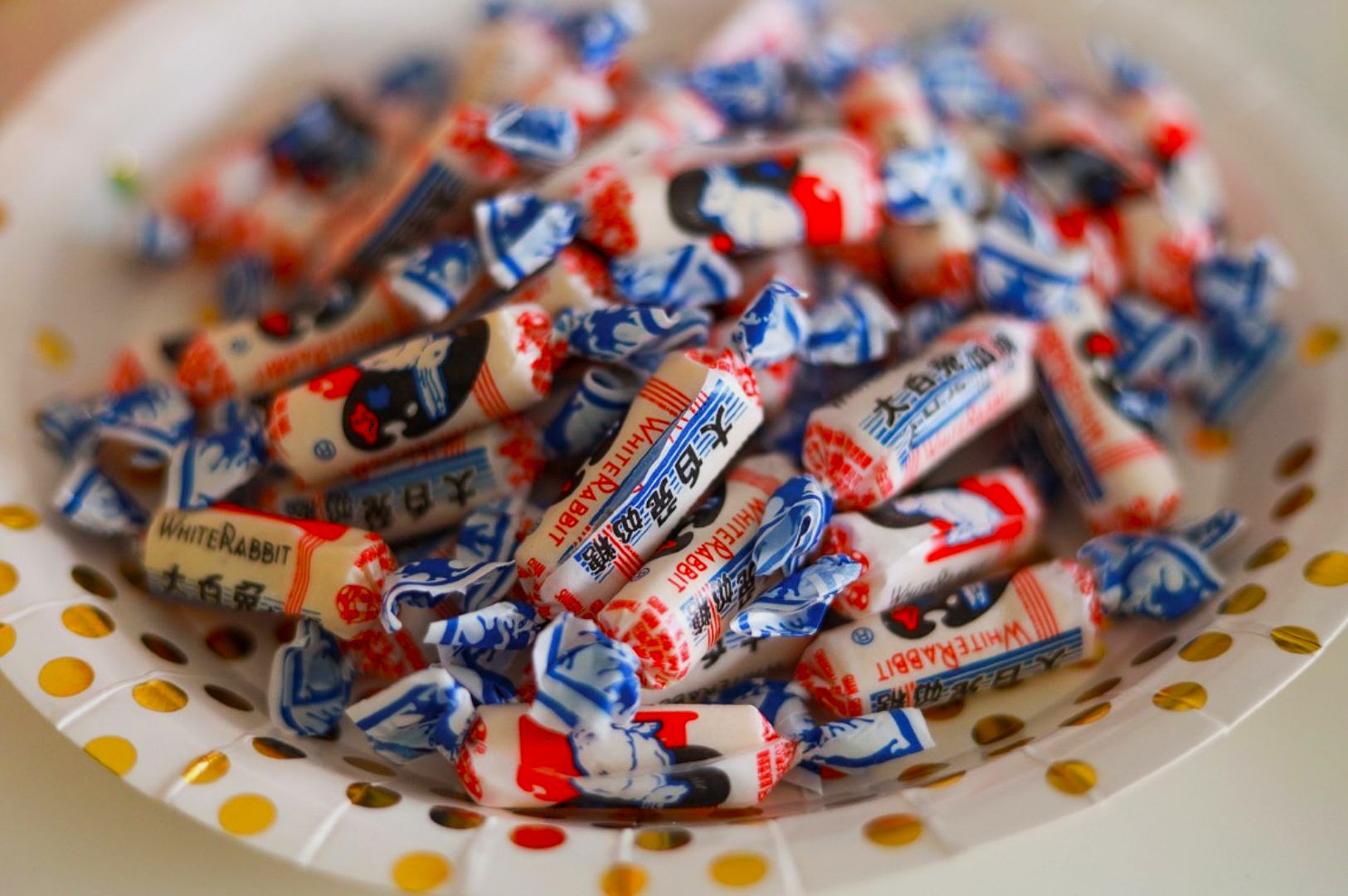
Snacks also serve as a bridge between generations. While a teenager might drag their parents to try a trending croffle (croissant-waffle), the parents might bring home a bag of traditional nonya kueh. The exchange goes both ways. Grandparents introduce grandchildren to the joys of dipping youtiao into kopi, while the younger generation introduces their elders to the complexities of artisanal chocolate or matcha. Some modern snacks are now made with fewer calories to appeal to health-conscious consumers, reflecting changing preferences. Traditional snacks made with ginger, a classic ingredient in local spice blends, are also examples of flavors passed down through generations.
In these moments, the snack is a medium for storytelling. “When I was your age, this cost five cents,” is a refrain heard in households across the island. The food becomes a tangible link to a changing city, a way to measure inflation, gentrification, and the passage of time.
Defining the "Singaporean Snack": A Fusion of Diverse Cuisine and Unique Flavours
What exactly constitutes a “Singaporean snack” today? It is a category that defies easy definition because it is so porous. It absorbs influences from everywhere. It is the Malay kuih, the Chinese dim sum, the Indian vadai, and the Peranakan tart. But it is also the Japanese takoyaki, the Taiwanese chicken cutlet, and the Western doughnut. Singaporean snacks have also found popularity in Japan, where travelers often seek them out or compare them to local Japanese treats.
We see this in the “fusion” snacks that appear in our night markets and cafes. Truffle wanton mee, mala popcorn chicken, salted egg fish skin croissants—these are not just gimmicks; they are experiments in identity. They represent a confidence in our own palate, a willingness to take familiar flavors and apply them to new formats. The growing popularity and availability of Singaporean snacks in Canada also highlights their international appeal, with items like kaya, pandan cake, and salted egg snacks gaining fans among Canadian and North American audiences.
The Future of the Bite: Healthier Options and the Continued Joy of White Rabbit Sweets
As we look forward, the trajectory of the Singaporean snack seems to be moving towards consciousness. We are seeing a rise in “guilt-free” snacking—chips made from arrowroot or mushroom, desserts sweetened with monk fruit, traditional kueh made with less sugar and rice flour. We want the comfort of the habit without the health cost. This reflects a maturing society that is trying to balance its love for food with a desire for longevity.
But even as the ingredients change, the behavior remains. The snack is here to stay because it solves a fundamental problem of modern urban living: the need for connection and comfort in a disconnected, uncomfortable world. It is a small act of rebellion against the clock, a way of stealing back a moment for ourselves.
So the next time you find yourself standing by a roadside stall, debating between the peanut or the coconut filling, or savoring the creamy kaya jam spread on toast, know that you are participating in one of Singapore’s most enduring rituals. You are not just eating; you are pausing. And in this city, that pause is everything.
At Social Eats ‘N’ Drinks (SENDs), we have been observing this shift not as a trend of specific foods, but as a change in how we inhabit our time and our spaces. Snacking is no longer just about filling a void; it is about punctuating the day with moments of pleasure, connection, and recalibration. We invite you to indulge in these moments, savoring each snack as a special treat that brings joy and satisfaction; or if you are feeling sweet that day, why not grab yourself some vibrant sweet desserts in Singapore! Trust us, you’ll love it.