
You’ve probably come across the word omakase while looking for Japanese restaurants in Singapore. Maybe you’re planning a special dinner, celebrating an anniversary, or simply curious about why people are willing to spend a few hundred dollars on a meal without knowing exactly what they’ll be served.
But here’s where things get confusing. Kaiseki restaurants also serve carefully prepared courses, and tasting menus often feature dishes selected by the chef. So, if all three involve sitting down and letting someone else plan your meal, what actually makes omakase different?
The answer isn’t simply that omakase is more expensive, more exclusive, or served across a sushi counter. There’s a particular idea behind the experience that sets it apart, even though the lines between these dining formats can sometimes overlap.
What Actually Makes Omakase, Omakase?
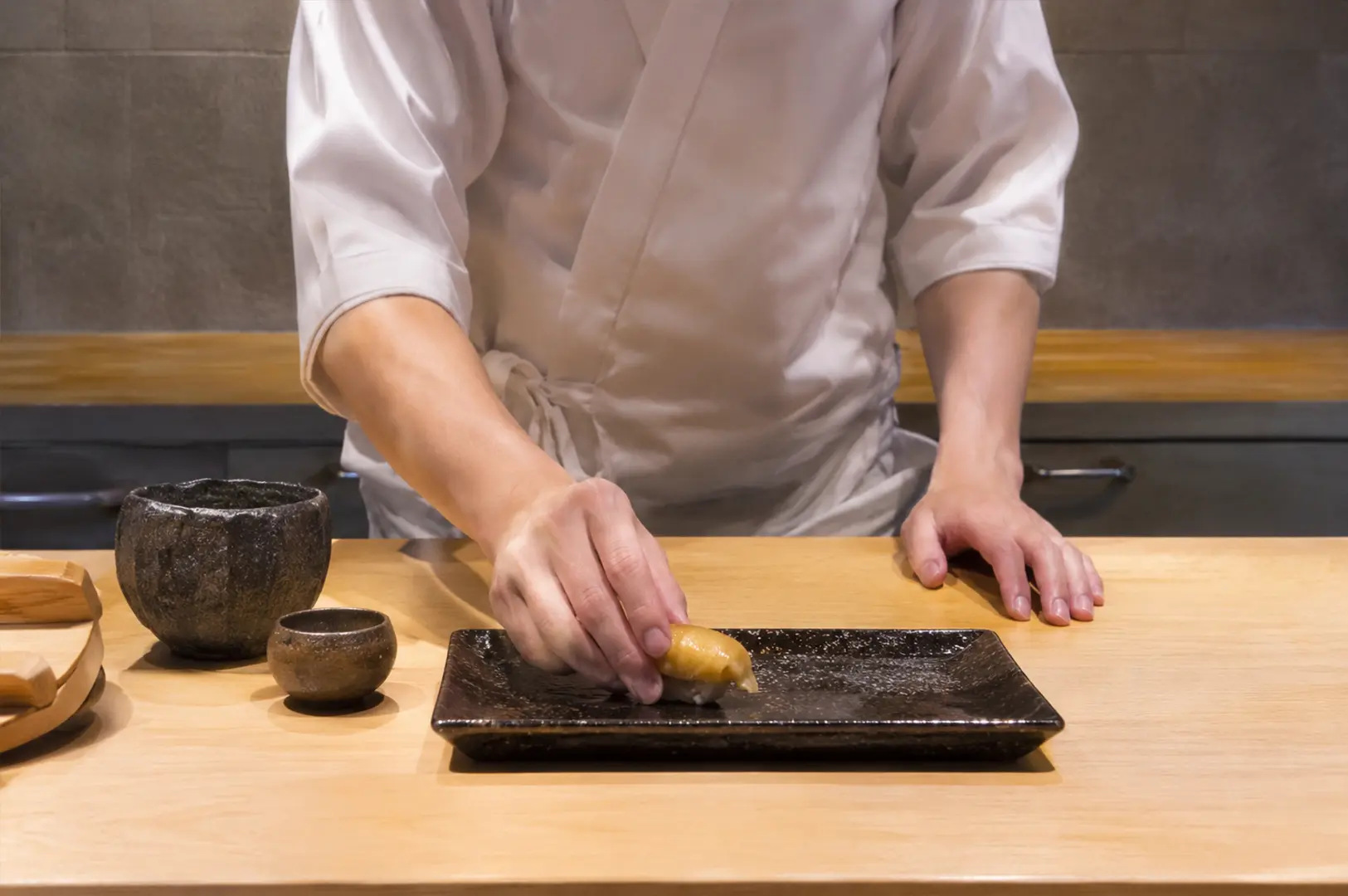
The Japanese word omakase roughly translates to “I’ll leave it up to you.” In dining, that means trusting the chef to decide what you’ll be eating, often based on seasonal ingredients, availability, and their own judgement.
This is where the distinction matters. Singapore omakase isn’t necessarily the same experience as a traditional kaiseki meal, even though both can feature seasonal Japanese ingredients and multiple courses. Omakase centers on the freedom given to the chef, while kaiseki follows a more established culinary structure.
Think of omakase as letting the chef take the lead instead of choosing individual dishes yourself. You might know how many courses you’re getting or how much the meal costs, but the exact ingredients and preparations may depend on what the chef considers best that day.
Many omakase experiences take place at a counter, where diners can watch the chef prepare and serve dishes directly. This creates opportunities for interaction, whether that’s learning about a particular fish or letting the chef know what flavours you enjoy.
However, counter seating isn’t what makes a meal omakase. It’s the element of trust and chef discretion that matters. Likewise, a restaurant offering a fixed-price omakase menu isn’t necessarily contradicting the concept. The overall experience can be planned while leaving individual dishes to the chef.
Omakase vs Kaiseki vs Tasting Menus: What’s the Difference?
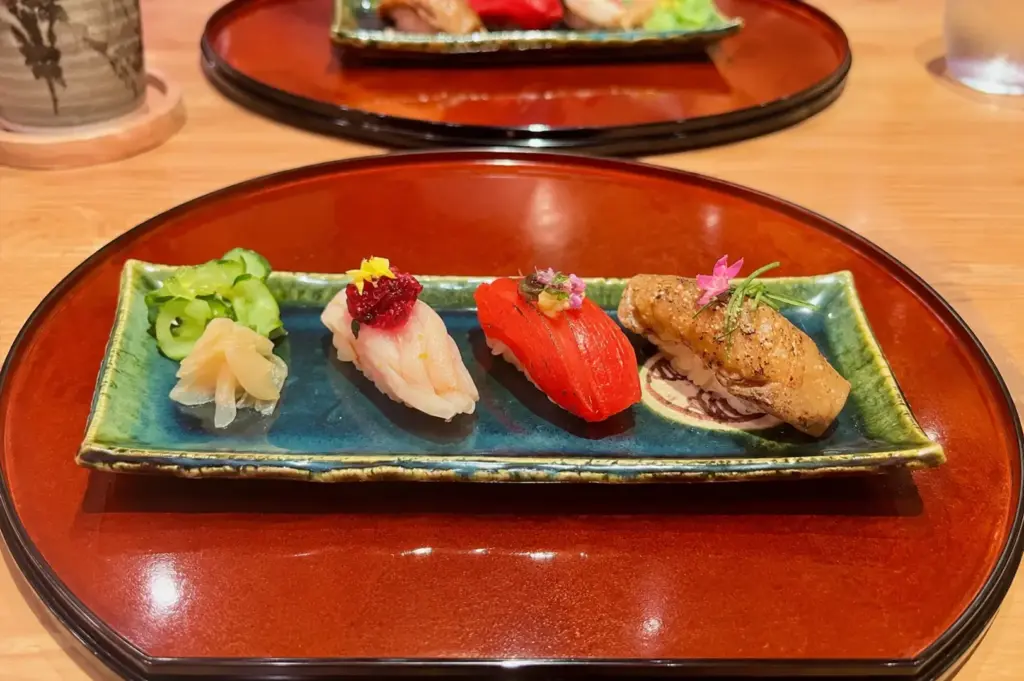
At first glance, it’s understandable why these dining formats get mixed up. They’re often associated with premium ingredients, smaller portions, and a sequence of dishes served throughout the evening.
The biggest difference is what defines each experience.
Omakase vs Kaiseki
Kaiseki is a traditional Japanese multi-course dining style that places considerable importance on seasonality, presentation, balance, and the order in which dishes are served.
A kaiseki meal typically follows an established progression, which might include an appetiser, soup, sashimi, grilled or simmered dishes, rice, and dessert. The ingredients change with the seasons, but the structure is rooted in Japanese culinary traditions.
Omakase, meanwhile, is less about following a particular sequence and more about allowing the chef to determine what to serve. An omakase meal can include sashimi, sushi, cooked dishes, and dessert, but there’s no single course arrangement that every restaurant must follow.
That doesn’t mean kaiseki chefs have less creativity or that omakase is always spontaneous. Both require careful planning and expertise. They simply approach the dining experience differently.
Omakase vs Western-Style Tasting Menus
This comparison can be trickier because a tasting menu is also usually designed by the chef.
At a Western-style fine-dining restaurant, you might book a six-course tasting menu where every guest receives the same planned dishes. The menu may change seasonally, and there could be substitutions, but you’re generally experiencing a curated progression created for that service.
With omakase, the defining idea is that you’ve entrusted your selection to the chef. Depending on the restaurant, the chef may have greater flexibility to adjust dishes according to the day’s ingredients or your preferences.
Of course, not every omakase restaurant personalises every course, and some tasting menus allow considerable flexibility. The two formats can overlap, but a chef-designed menu alone doesn’t automatically make something omakase.
Quick Summary on Their Differences
| Dining type | What diners can expect | How much control the chef has | Typical structure |
|---|---|---|---|
| Omakase | An interactive, chef-led experience where the exact ingredients and preparations may not be known in advance. | The diner entrusts the selection to the chef. Flexibility varies depending on the restaurant and its menu format. | No single required sequence; may include sushi, sashimi, cooked dishes, soup, and dessert. |
| Kaiseki | A structured and carefully balanced meal that highlights Japanese seasonal ingredients and presentation. | The chef creates the meal, but it generally follows established traditions and course arrangements. | Often includes appetisers, soup, sashimi, grilled or simmered dishes, rice, and dessert. |
| Tasting menu | A curated dining experience with a planned course progression, although the specific dishes may or may not be revealed beforehand. | The chef plans the menu, though substitutions or limited adjustments may be available. | Usually a fixed number of planned courses served in a set progression. |
You may also encounter kappo, another Japanese dining term. Kappo refers to a cooking and service style often associated with chefs preparing different dishes directly in front of diners. It can overlap with omakase, but the two aren’t interchangeable. Kappo describes an approach to cooking and dining, while omakase describes leaving the selection to the chef.
While these formats can overlap, the key distinction is that omakase is defined by leaving the selection to the chef, kaiseki by its traditional Japanese structure, and a tasting menu by its curated sequence of courses.
What Are You Actually Signing Up For With Omakase?
Knowing the definition is one thing, but understanding how it translates into an actual dinner is another.
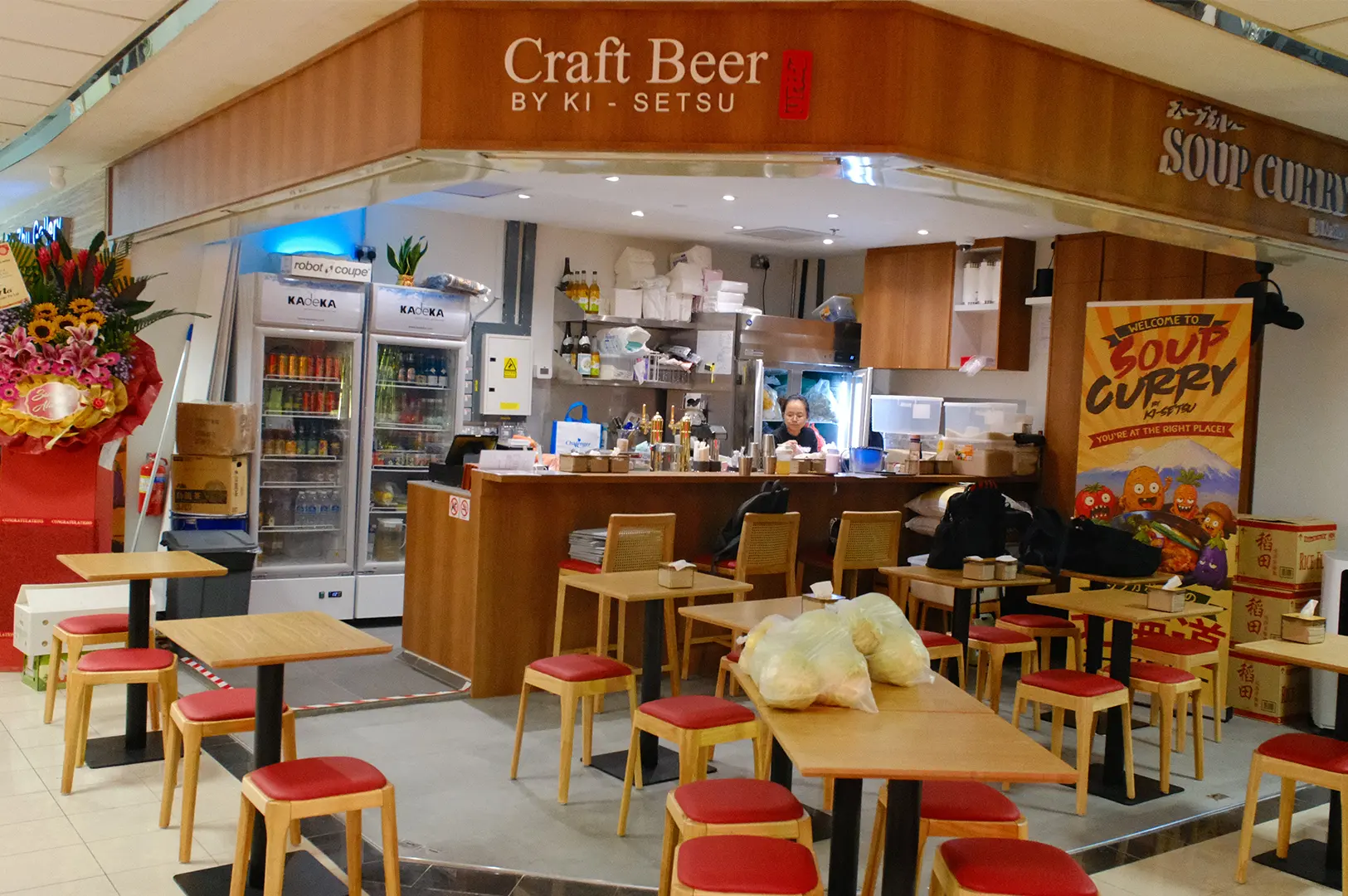
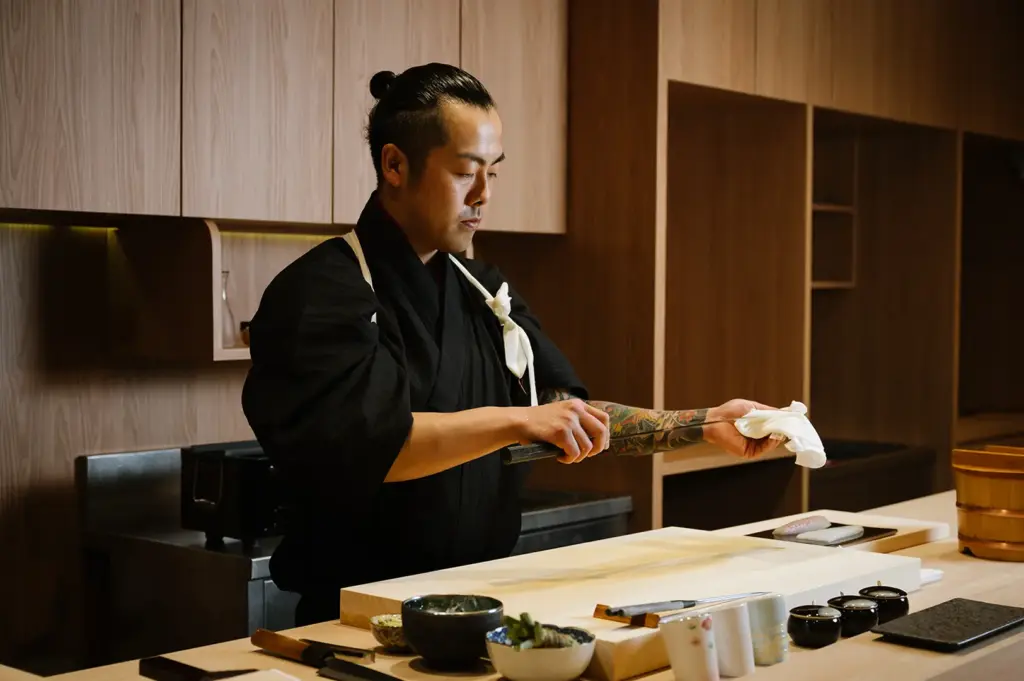
Take Sushi Masa by Ki-setsu at Cuppage Plaza, for example. The restaurant’s published omakase format illustrates how a meal can follow a planned progression while allowing the selection of individual dishes to change according to seasonal availability.
This is an important part of understanding omakase. Diners aren’t simply paying for several plates of expensive seafood. They’re also experiencing how the chef selects, prepares, and presents the ingredients throughout the meal.
But what does an omakase menu actually look like?
If you look at the Sushi Masa by Ki-setsu menu, you’ll notice that the restaurant offers different dining tiers with varying course counts. Its published progression includes appetisers, sashimi, cooked dishes, nigiri sushi, soup, and dessert.
That might sound like a regular tasting menu, but the distinction is in the details. The published menu explains the general flow of dinner, but the restaurant makes clear that its listed dishes are examples rather than guaranteed selections. This demonstrates how an omakase restaurant can provide a structured menu without promising an identical meal every time.
For first-timers, this is worth understanding because omakase doesn’t necessarily mean arriving without knowing anything about your dinner. You can often check the price, approximate course count, and overall style before booking.
What you may not know is precisely which ingredients will appear on your plate.
Before making a reservation, it’s worth checking whether the restaurant specialises in sushi-focused omakase or a broader selection of cooked Japanese dishes. You should also confirm the full price, including service charges, how long the meal takes, and whether dietary restrictions can be accommodated.
Most importantly, communicate any allergies or ingredients you cannot eat before your visit. Leaving the meal to the chef doesn’t mean you should leave important dietary information to chance.
So, Is Omakase the Right Experience for You?
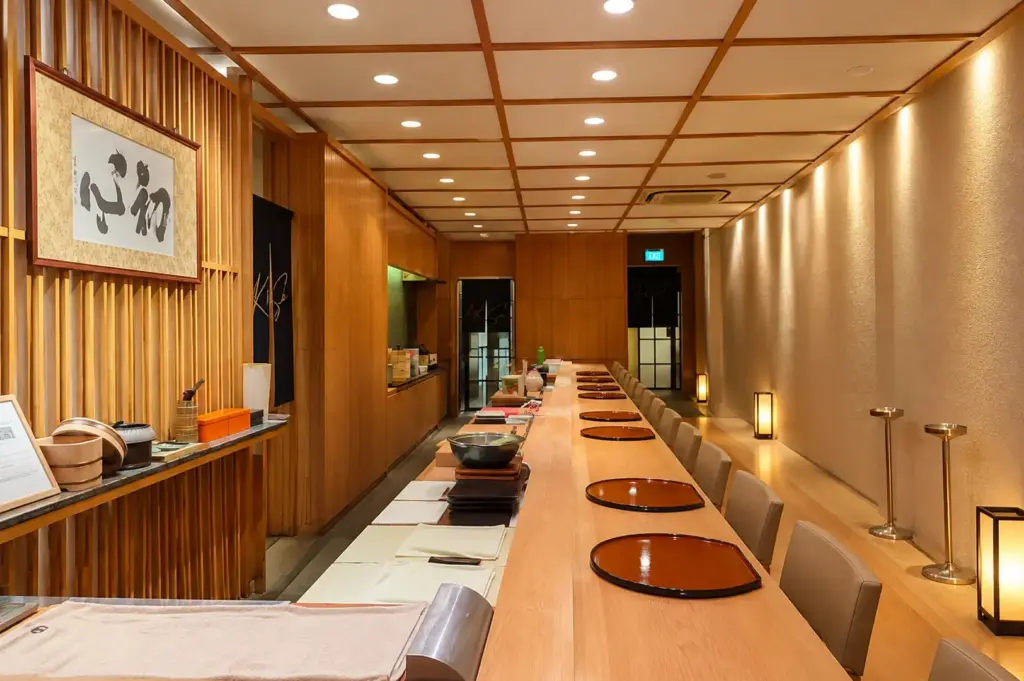
If you enjoy discovering new ingredients and don’t mind giving up some control over what you order, omakase could be an interesting way to experience Japanese dining. Part of its appeal is seeing how a chef interprets ingredients rather than choosing familiar favourites from a menu.
On the other hand, if you prefer knowing every course beforehand, a more clearly defined tasting menu might be a better fit. And if you’re particularly interested in traditional Japanese culinary structure and seasonal presentation, kaiseki offers something different again.
Ultimately, omakase isn’t automatically better than kaiseki or a tasting menu, and a higher price doesn’t guarantee a better experience. They’re simply different approaches to dining.
The next time you see “omakase” advertised at a Japanese restaurant in Singapore, look beyond the course count and price tag. Ask how much of the meal is genuinely left to the chef, and whether that’s the kind of experience you’d enjoy.