
For a long time, eating alone in public came with an unnecessary amount of embarrassment. People worried that others would assume they had been stood up, had no friends, or could not find anyone willing to join them. I used to feel slightly self-conscious too, especially when a host looked behind me and asked whether someone else was coming.
Then I realised nobody cared as much as I thought they did.
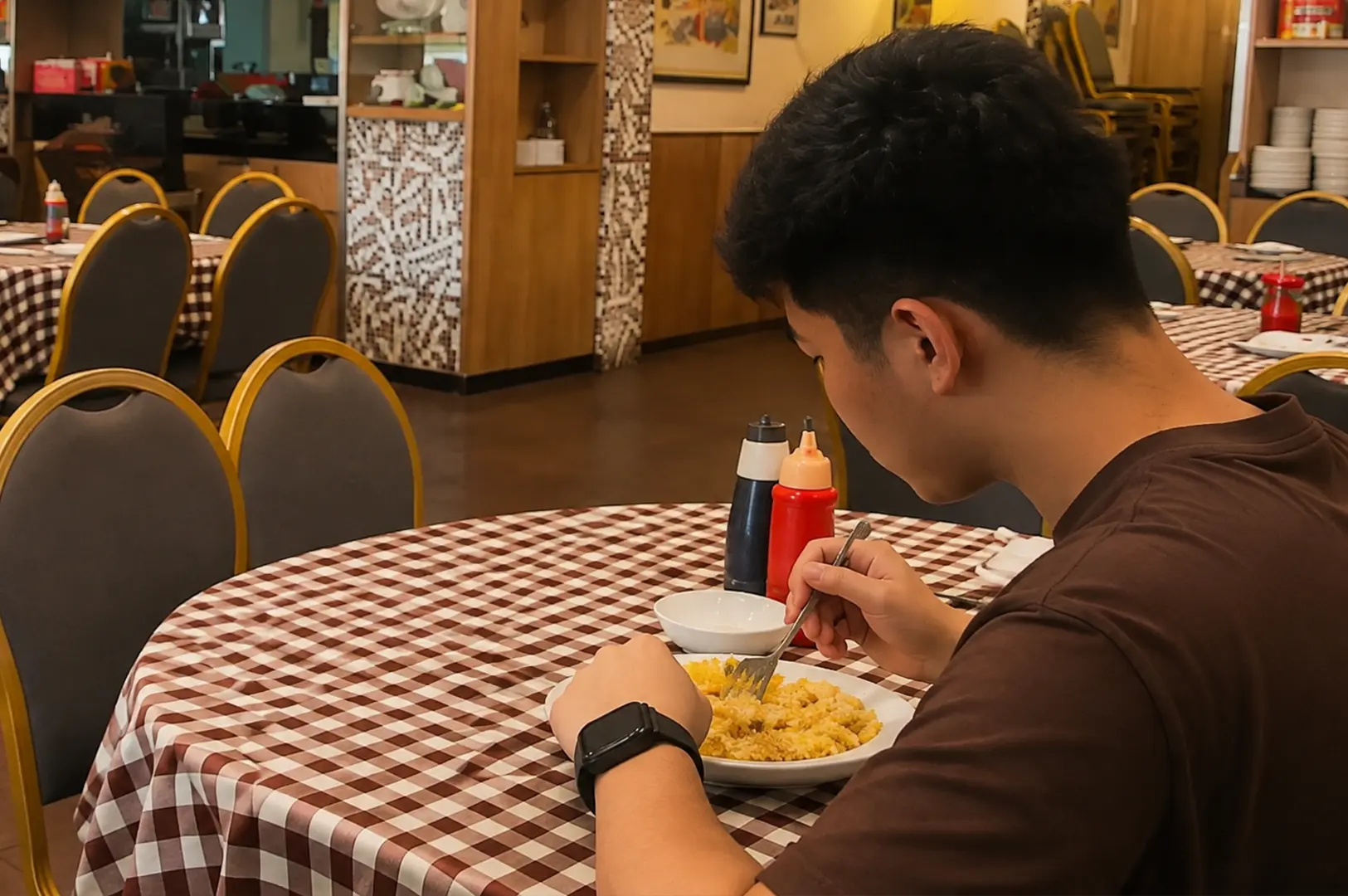
Most people in a restaurant are busy with their own meals, conversations and phones. They are not analysing the person eating ramen alone by the window. Even if they notice, the thought probably disappears before the next dish arrives. Once I understood that, solo dining stopped feeling like something I had to endure and started feeling like a small form of freedom.
When I eat alone, I choose the restaurant without negotiation. I do not need to find somewhere with pasta for one person, vegetarian food for another, and enough photo opportunities for someone else. I can eat Japanese curry three days in a row if that is what I want. I can order one main, several sides or dessert first without explaining the logic to anyone.

The pace is mine too. Some days, I finish quickly and leave. Other days, I sit longer, read something or watch the room while working through a bowl of noodles. There is no pressure to keep a conversation moving and no awkward decision about whether everyone is ready to ask for the bill.
I also pay more attention to food when I am alone. Without a conversation dividing my focus, I notice whether the broth changes as it cools, whether the fries are actually crisp, and whether the expensive coffee tastes different from the cheaper one I normally order. It is not a serious tasting exercise; I am simply more present.
That does not mean I prefer every meal alone. Food is one of the easiest ways to spend time with people, and some dishes are clearly better when shared. Hotpot for one can feel unnecessarily ambitious, while ordering enough dim sum to create variety becomes expensive quickly. The point is not that solo dining is better than social dining. It is that the two experiences offer different things.
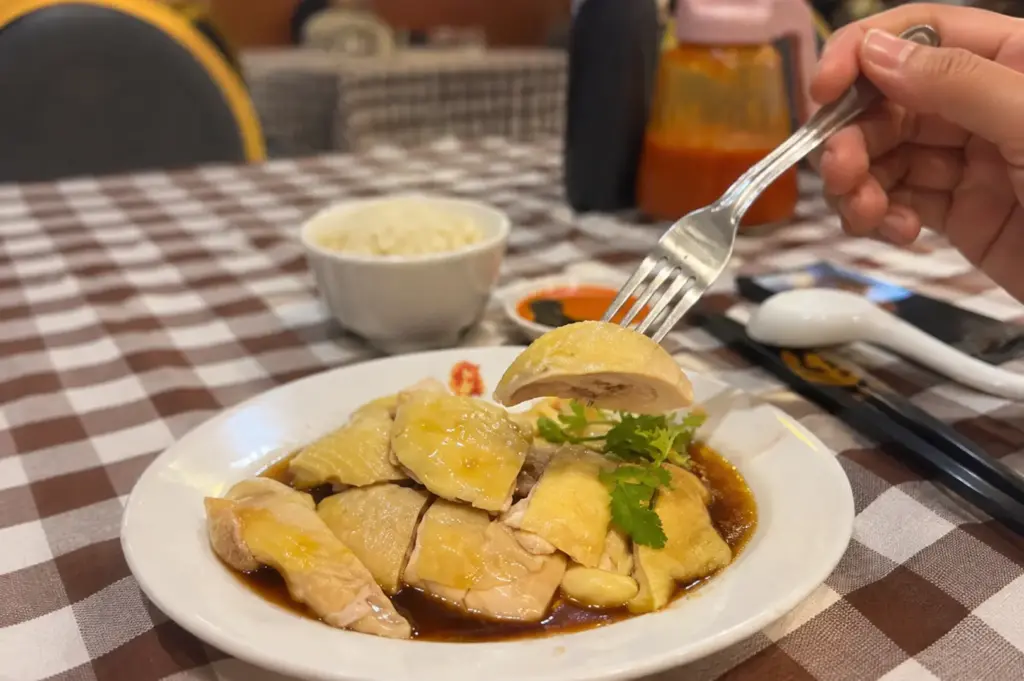
Restaurants could make solo diners feel more welcome too. Counter seats, smaller tables and individual portions help. Staff should not treat a table for one as less valuable or place every solo customer beside the kitchen door when better seats are available. One person is still a guest, not an inconvenience taking up half a table.
Eating alone is not proof that something is missing. Sometimes it means I had a craving and decided not to wait for someone else’s schedule. Sometimes I want quiet. Sometimes I simply enjoy my own company enough to order lunch for it.
The best table in the room is not always the one surrounded by friends. Sometimes it is the one where nobody else gets a vote on what to order.
Visit Social Eats N Drink for more honest conversations about restaurant culture, everyday dining and the way we experience food.