
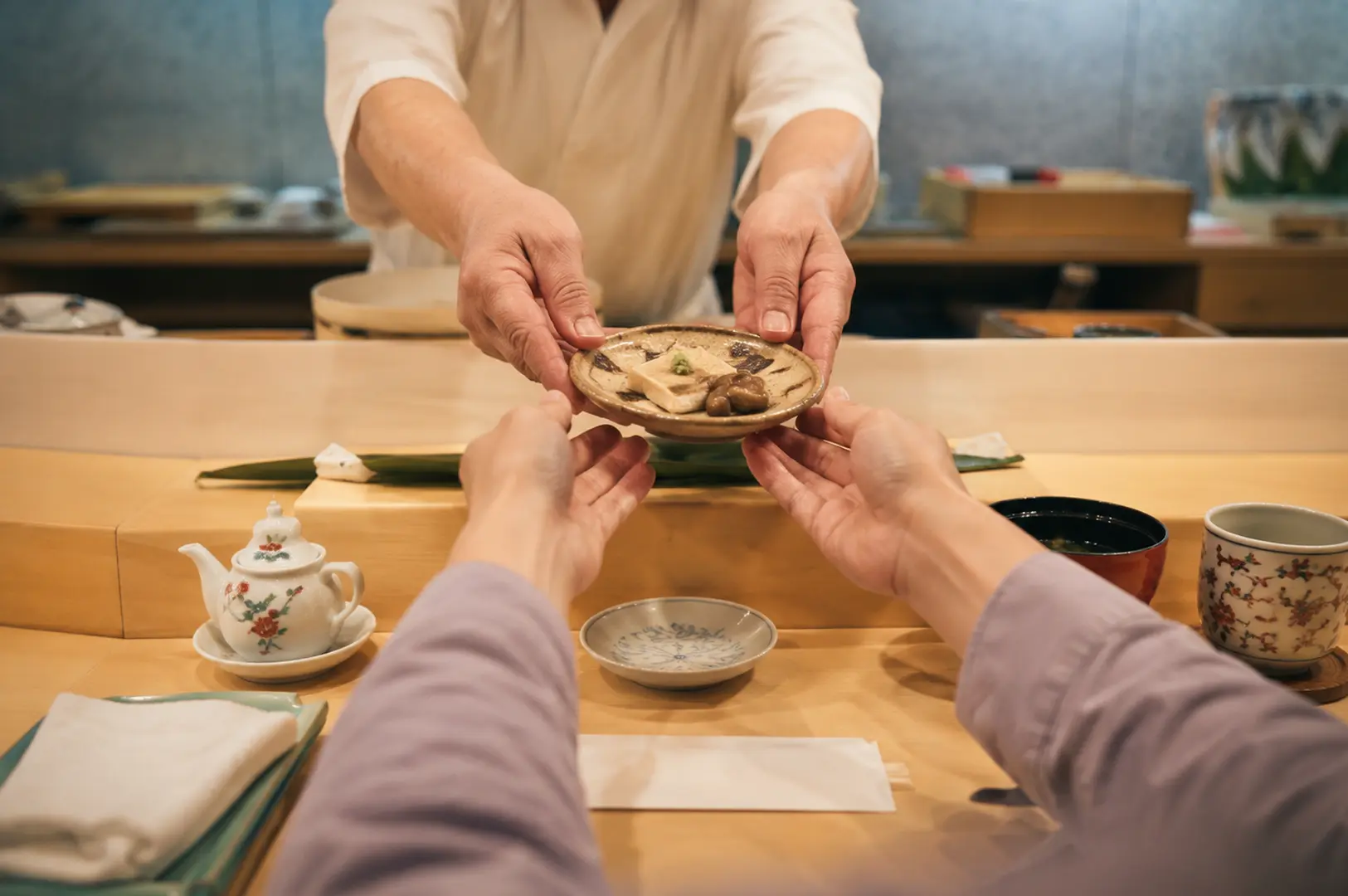
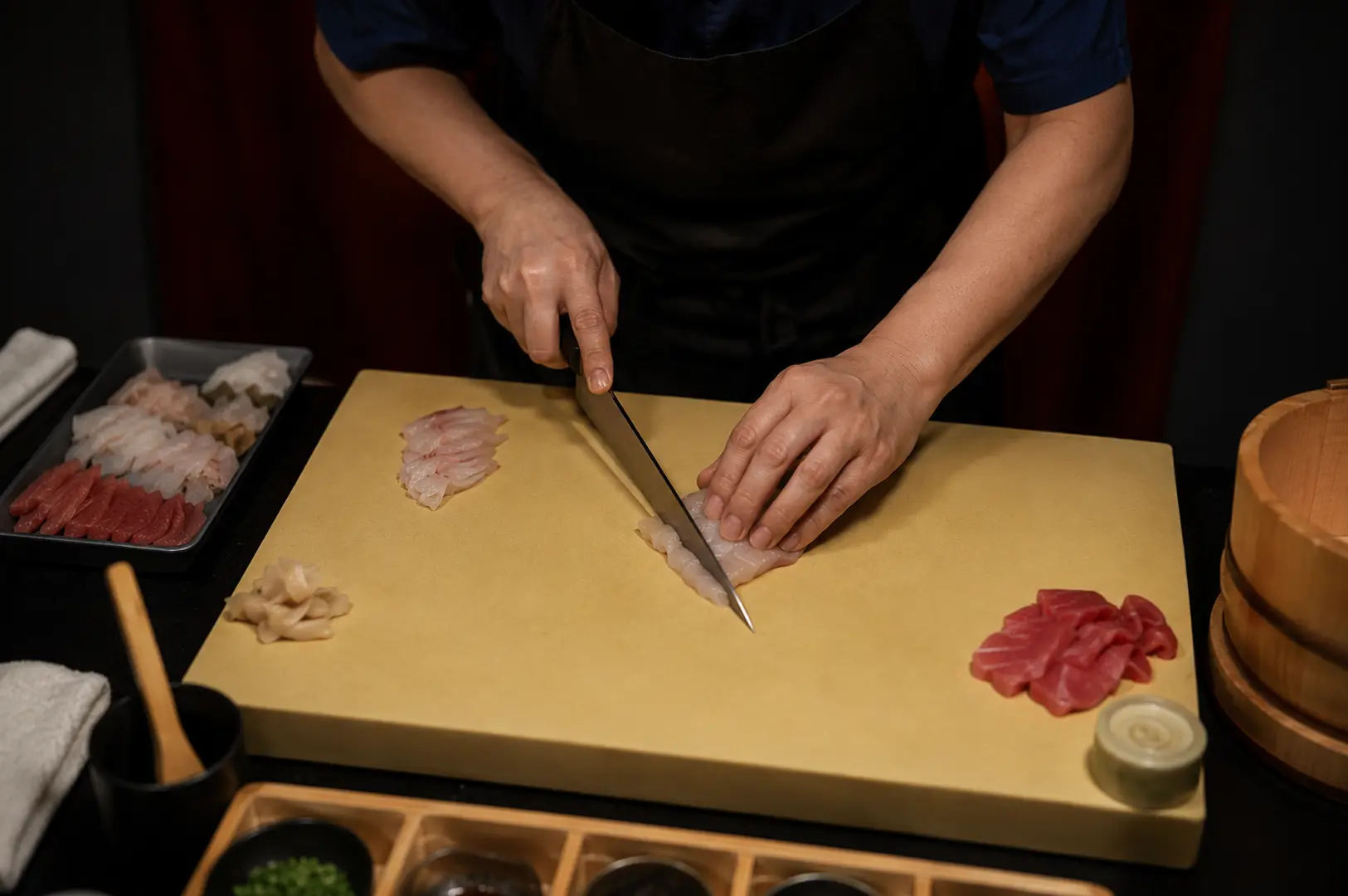
There is a particular kind of silence that settles over a good omakase counter. Not the uncomfortable kind, nor the polished quietness often associated with luxury dining. It is softer than that. Measured. Almost reverent. The sound of a knife moving through seasonal fish, the warmth of rice shaped gently by hand, the faint scent of grilled wagyu beef rising between conversations.
In Singapore, the rise of Japanese fine dining Singapore experiences has changed how many diners think about luxury. What once felt reserved only for corporate dinners or milestone celebrations has become something more intimate. At the centre of this shift is omakase, a style of dining that feels less like performance and more like trust. Omakase dining is a Japanese culinary tradition where the chef selects and prepares a series of seasonal dishes for the guests, showcasing the chef’s skills and the freshest ingredients available. This experience often emphasizes the use of premium seafood, with ingredients typically flown in from Japan, particularly from renowned markets like Toyosu, ensuring only the finest ingredients reach the table.
Unlike many forms of fine dining, omakase unfolds slowly. Guests surrender choice to the chef, allowing the meal to follow seasonality, instinct, and precision. In the process, the experience often becomes unexpectedly emotional. The dishes are beautiful, certainly, but what lingers longer is the feeling of being carefully guided through a meal shaped specifically for that moment.
Japanese Fine Dining Singapore and the Quiet Precision of Omakase
There is an elegance to restraint within Japanese cuisine that separates it from many modern luxury dining experiences. Richness is rarely the goal. Instead, attention is placed on clarity, freshness, and balance. Traditional Japanese dishes lean on clean profiles that allow natural flavors to shine, often utilizing meticulously brewed Dashi as a base.
At many Japanese fine dining Singapore restaurants, the experience begins long before the first course arrives. Lighting is softer. Seating is deliberate. Some restaurants use intimate private dining rooms, while others centre the entire meal around a chef’s counter where every movement becomes part of the evening. Diners often enjoy front-row views of chefs performing culinary techniques, enhancing the connection between guest and craft. These intimate dining experiences typically feature small seating capacities, often under a dozen seats, allowing for personalized attention from chefs and staff, which elevates the overall dining experience.
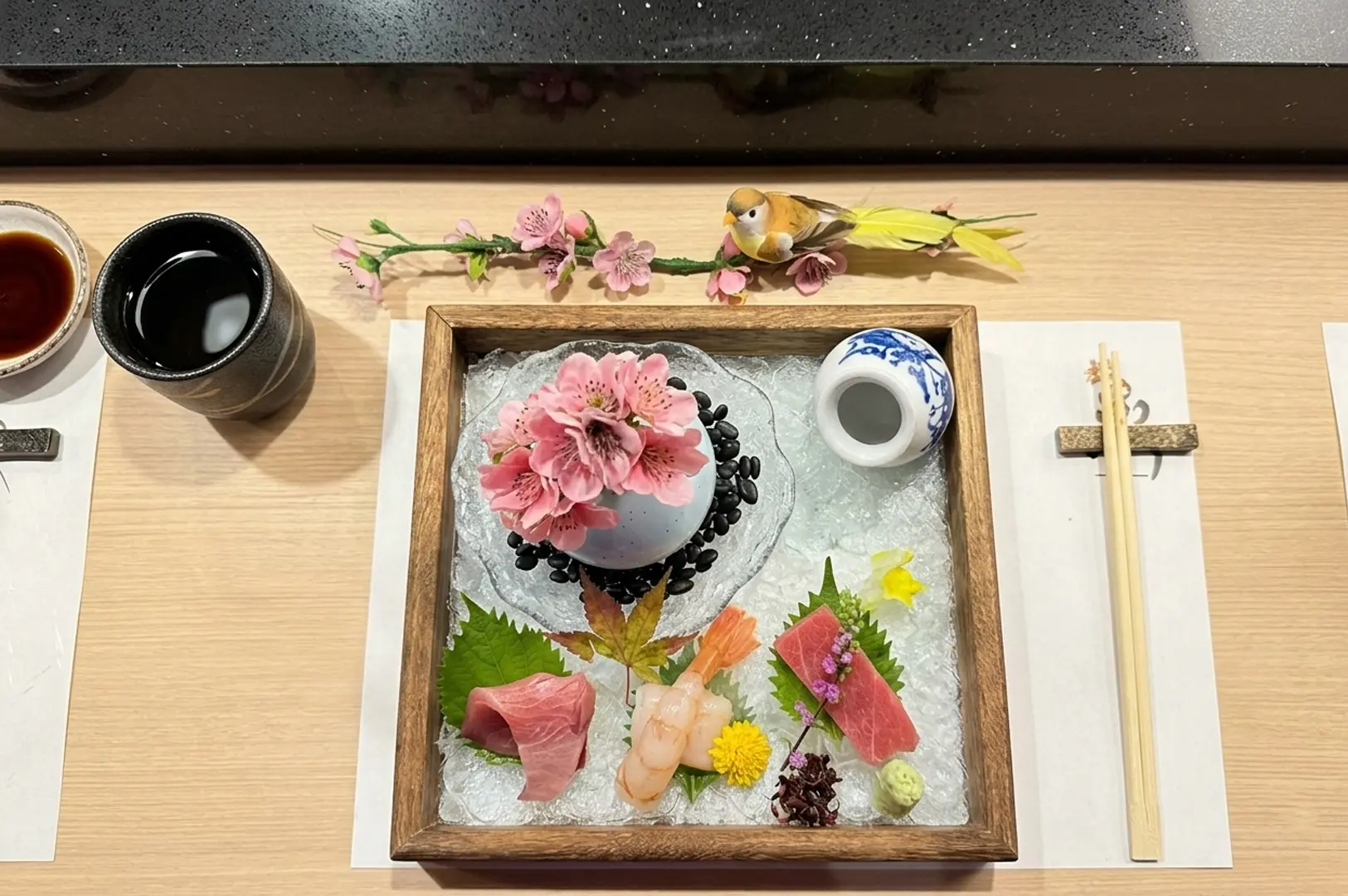
The structure of an omakase experience encourages diners to slow down. Unlike tasting menus that can sometimes feel theatrical or overwhelming, omakase tends to move with a gentler rhythm. A small dish of delicate sashimi arrives. Then perhaps grilled seasonal fish. A sip of sake between courses. A pause. Another carefully plated dish. Menus at high-end Japanese restaurants often shift based on Japanese micro-seasons, showcasing ingredients like premium Uni, Otoro, and A5 Wagyu to reflect the concept of ‘shun‘—the peak season for certain ingredients, emphasizing their freshest and most flavorful state.
It is not simply about eating. It is about attention, as highlighted in a non-influencer’s guide to the best Singapore omakase experiences.
Fine Dining and the Philosophy Behind Japanese Culinary Mastery
Many forms of Western fine dining celebrate invention and abundance. Japanese fine dining often moves differently. Here, the emphasis is placed on subtraction rather than excess.
A chef may spend years refining the preparation of sushi rice alone. The smallest details matter:
the temperature of the rice
the sharpness of the knife
the timing between preparation and serving
the balance between soy, acidity, and sweetness
This is where Japanese culinary mastery quietly reveals itself. The artistry is not always obvious at first glance. It exists in precision, repetition, and discipline.
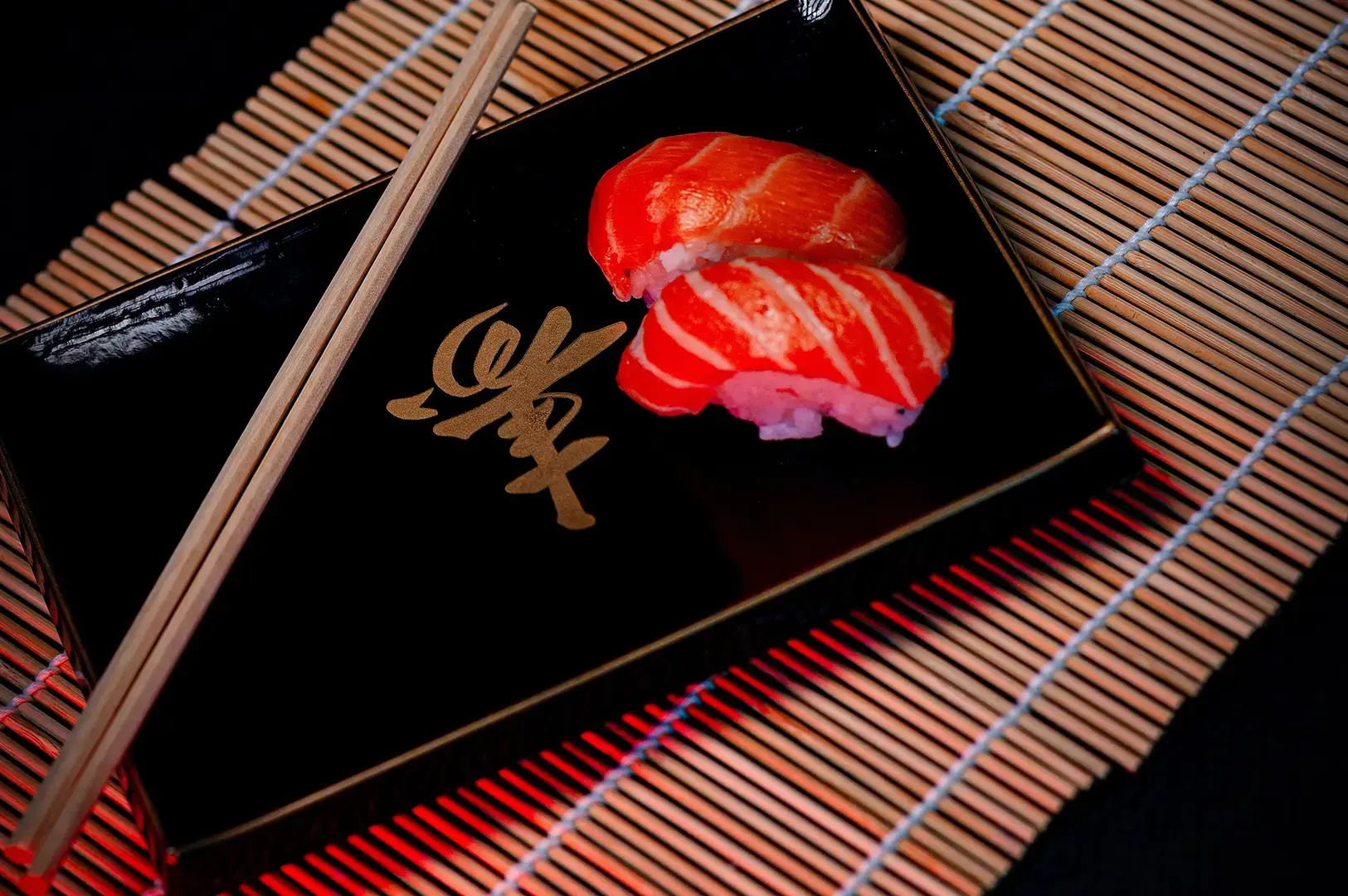
Some of the most memorable omakase meals are surprisingly minimal. A single slice of seasonal fish brushed lightly with soy sauce can hold more complexity than heavily layered dishes elsewhere. The focus remains on the ingredient itself, not what surrounds it.
This respect for ingredients is one reason many diners associate Japanese fine dining with a more thoughtful style of luxury, one that embodies the spirit of omotenashi—the Japanese spirit of hospitality—ensuring every detail of the dining experience is thoughtfully curated for guests. The ambiance in intimate Japanese dining settings is typically designed to create a serene and elegant atmosphere, often featuring traditional decor and minimalistic design to focus on the culinary experience.
Japanese Cuisine and the Emotional Weight of Seasonality
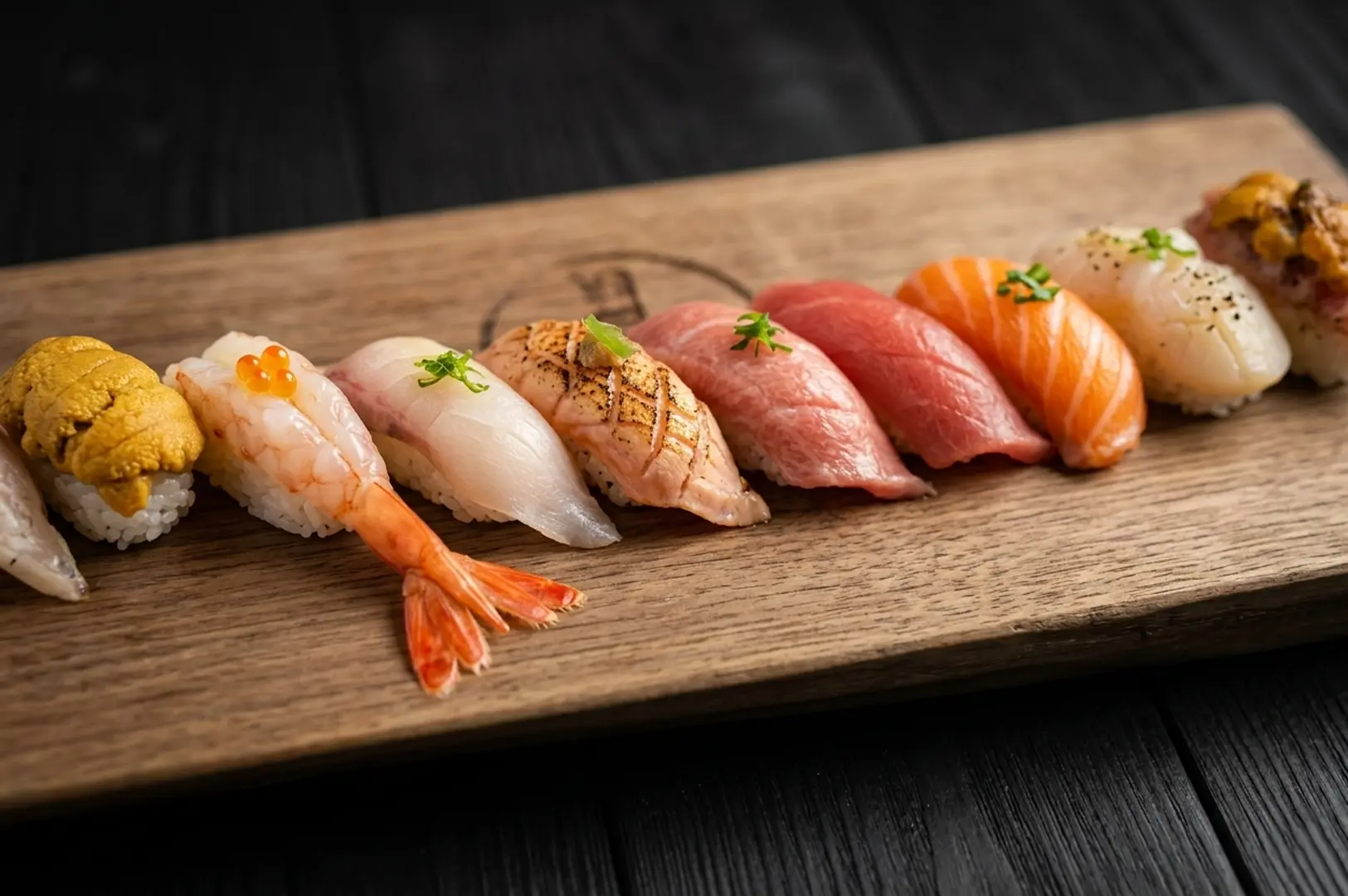
One of the defining features of high-level Japanese cuisine is its relationship with the seasons. Menus change constantly, not simply for variety, but because seasonality shapes flavour, texture, and even mood.
Spring may bring lighter seafood and delicate vegetables. Winter introduces richer broths and buttery cuts of fish. Even garnishes are selected with intention.
At an omakase counter, these transitions become part of the narrative of the meal.
This is perhaps why many diners remember specific omakase dinners years later. Not because of extravagance alone, but because the meal becomes attached to a moment in time. A particular evening. A season. A conversation shared quietly across the table.
For diners exploring this world more deeply, reflections from platforms like Rubbish Eat Rubbish Grow also reveal how personal and lingering these experiences can become long after dinner ends.
Michelin Stars, the Michelin Guide, and Singapore’s Japanese Dining Scene
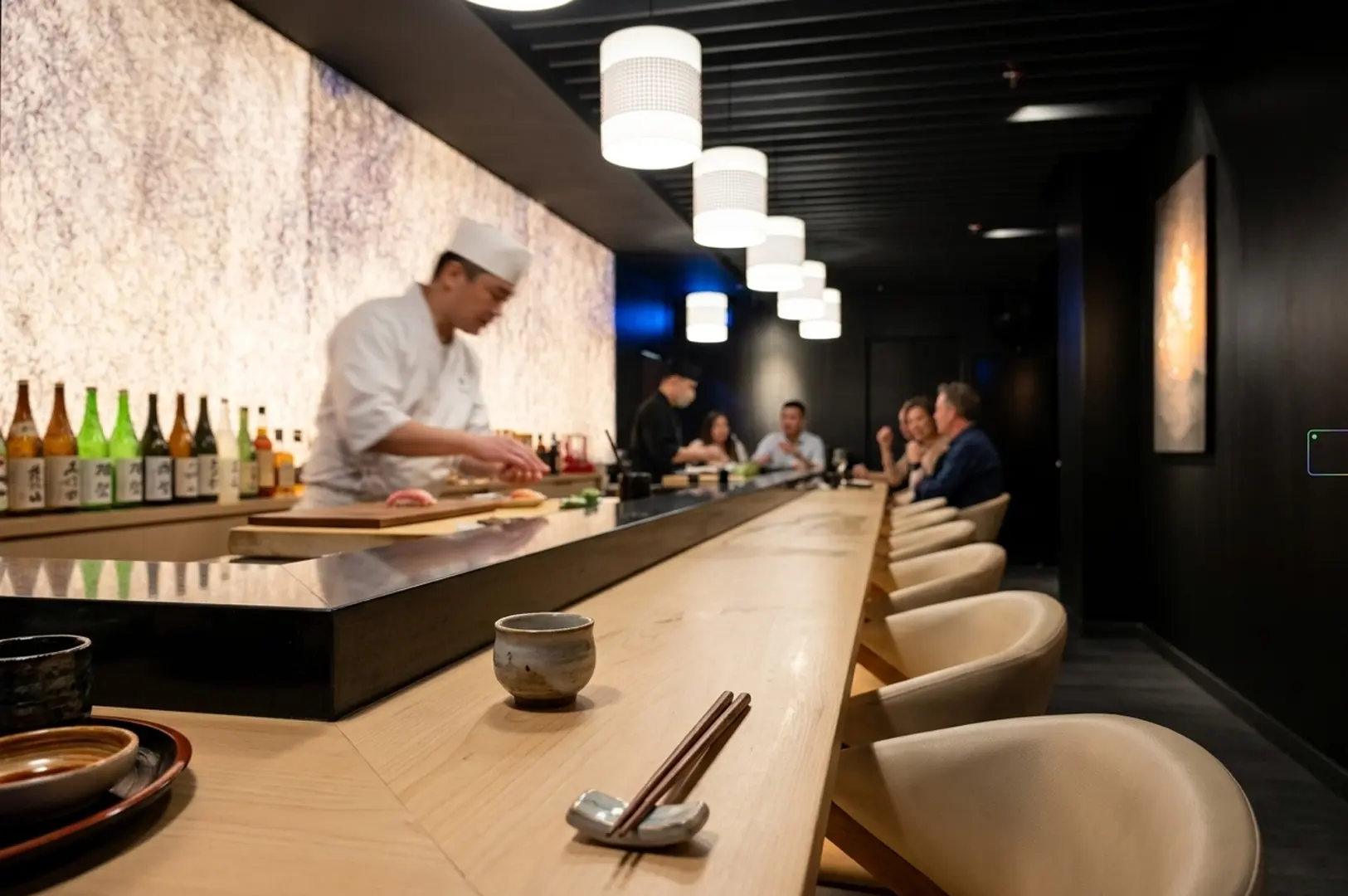
Singapore’s relationship with Japanese fine dining has evolved significantly over the past decade. Today, the city holds some of the region’s most respected omakase counters and Japanese restaurants, many recognised within the Michelin Guide.
Yet what makes these restaurants remarkable is not simply the accumulation of Michelin stars. It is how they adapt Japanese philosophy within Singapore’s fast-moving dining culture.
Traditional Edomae sushi counters, modern multi-course Kappo/Kaiseki houses, and opulent destination dining concepts are key categories in Japanese fine dining. Singapore has a world-class Japanese fine dining scene, characterized by multi-course omakase and kappo experiences.
Restaurants such as Waku Ghin continue to define the upper tier of the local scene, combining technical precision with deeply seasonal menus. Located within Marina Bay Sands, the restaurant has become synonymous with contemporary luxury dining in Singapore. Courses unfold across different spaces, creating a journey rather than a single static meal.
Elsewhere, more intimate chef-led counters offer equally compelling experiences without the same scale or visibility. Some seat fewer than ten guests. Others operate quietly within hotels such as the Carlton Hotel, hidden behind understated entrances that reveal little from the outside. Reservation systems for Michelin-rated sushi counters are highly competitive due to limited seating capacities, often under a dozen seats.
What unites many of these restaurants is not spectacle, but consistency. The pursuit of perfection appears not through excess, but through care. Michelin stars are awarded based on a set of standards that evaluate the overall dining experience, including the quality of food, the skill of the chef, and the ambiance of the restaurant.
The Role of Private Dining Rooms in Japanese Fine Dining
There is something deeply personal about sharing omakase within private dining rooms. Conversations become softer. Time slows. The outside world fades gently into the background.
In Singapore, many high-end Japanese restaurants understand this instinctively. Private rooms are not simply symbols of exclusivity. They allow diners to immerse themselves more fully in the experience itself.
This intimacy changes how people interact with food. Diners become more attentive to flavours, aromas, and pacing. A bowl of soup arrives warmer somehow. Fresh sashimi tastes cleaner. Even silence feels more comfortable.
For special occasions, this atmosphere matters as much as the menu itself, as explored in detail in this article on the evolution of fine dining and the culinary journey in Singapore.
Why Omakase Continues to Matter
There is no shortage of luxury restaurants in Singapore. New openings appear constantly, each promising innovation, exclusivity, or immersive experiences. Yet omakase continues to hold a different kind of appeal.
Perhaps it is because it asks diners to trust someone else completely for a few hours. Perhaps it is the intimacy of watching a chef prepare food directly in front of you. Or perhaps it is simply the reminder that meals can still feel personal in a world increasingly shaped by convenience.
At its best, Japanese fine dining does not feel performative. It feels careful. Human. Quietly generous.
And long after the final course is served, that feeling often remains.