
There is a point in every food trend where an ingredient stops being an ingredient and becomes a signal. Matcha went through this years ago. Once upon a time, it was just Japanese green tea powder with a bitter edge and a serious fanbase. Then suddenly, it became shorthand for taste, lifestyle, and a certain kind of café personality. If something had matcha in it, it immediately felt more premium, more curated, and somehow more worth paying extra for.
Now, I think pistachio is moving into that same lane.
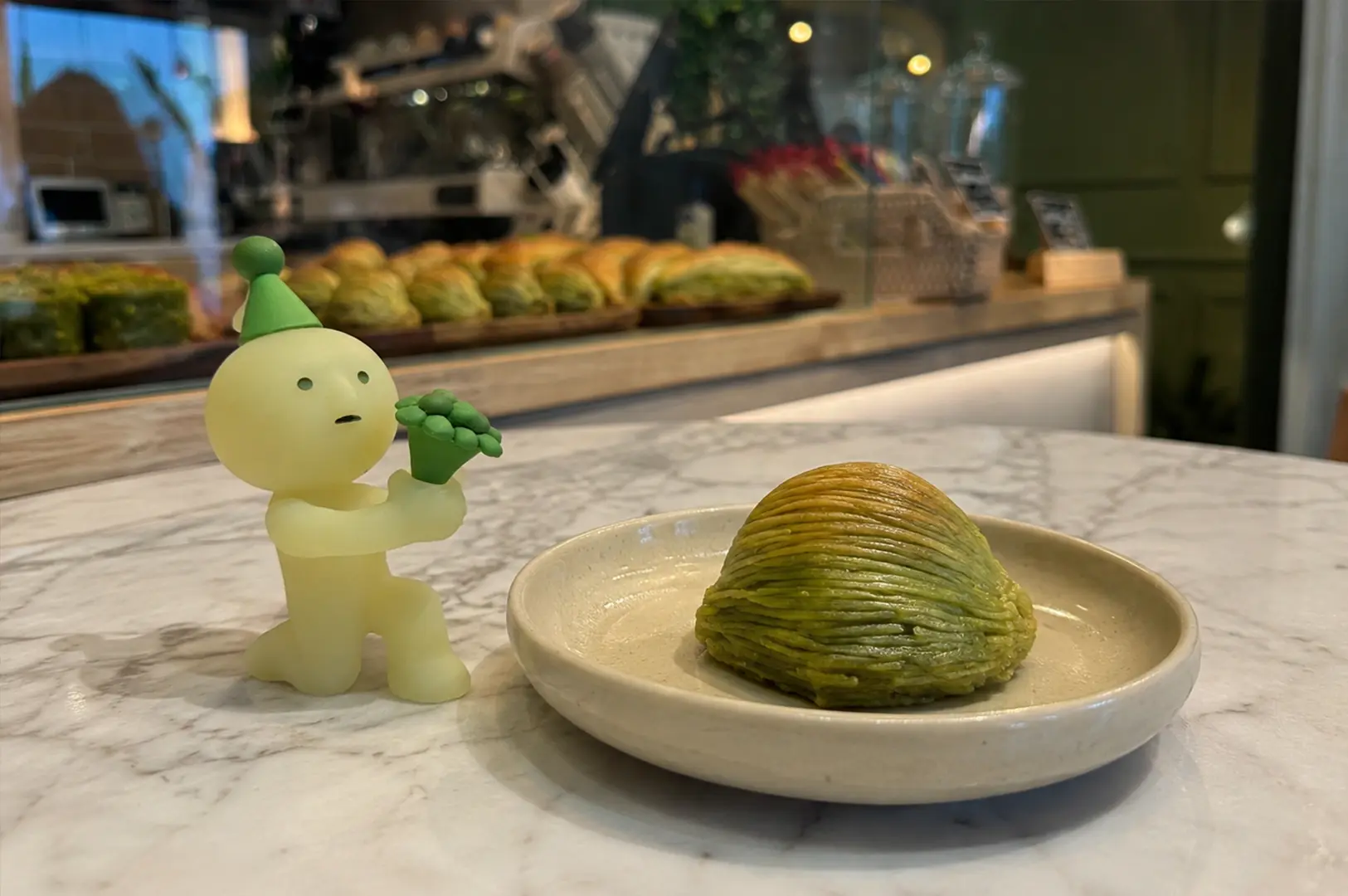
You can see it happening slowly. Pistachio cream, pistachio croissants, pistachio lattes, pistachio tiramisu, pistachio gelato, and now pistachio-forward bakes like pistachio bolo bao showing up in Singapore café coverage. It is not random anymore. It is becoming one of those words on a menu that makes people pause, even if they were not planning to order dessert.
To be fair, pistachio makes sense as a trend. It tastes richer than most nuts, looks good in photos, and has that soft green colour that cafés love. It feels less basic than chocolate, less predictable than vanilla, and more grown-up than salted caramel. When done well, it gives desserts a roasted, slightly savoury depth that makes sweet things feel less flat.
The problem is that food businesses know this too.
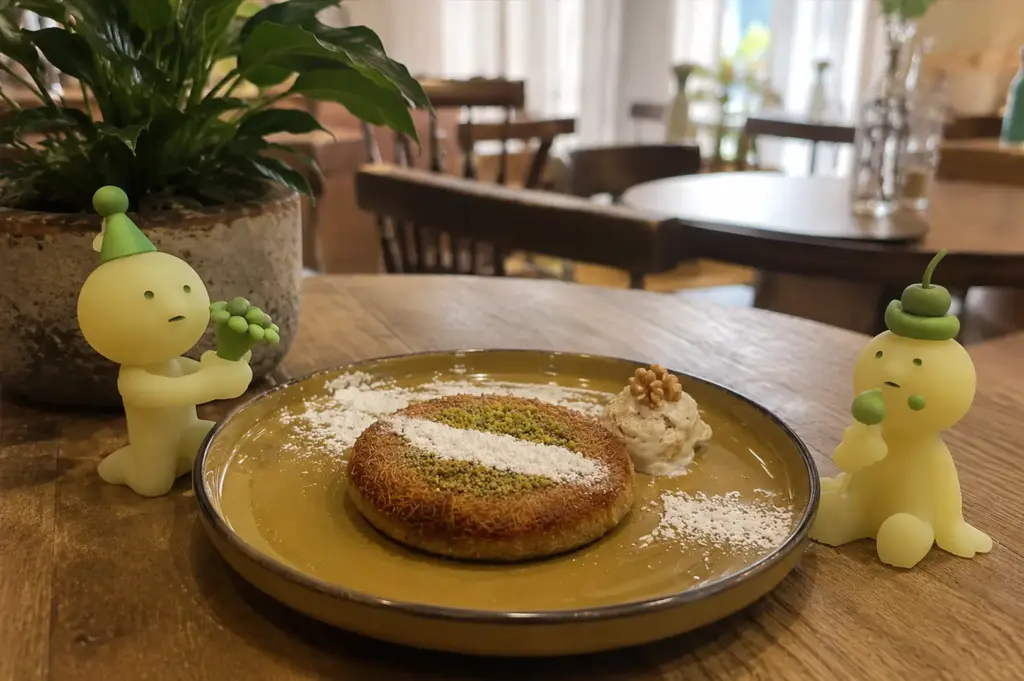
Once an ingredient becomes associated with “premium,” it starts appearing everywhere. Sometimes it deserves the spotlight. Other times, it feels like someone added a small amount of pistachio paste to justify a higher price. That is when the trend starts getting annoying. Not because pistachio is bad, but because it becomes a shortcut.
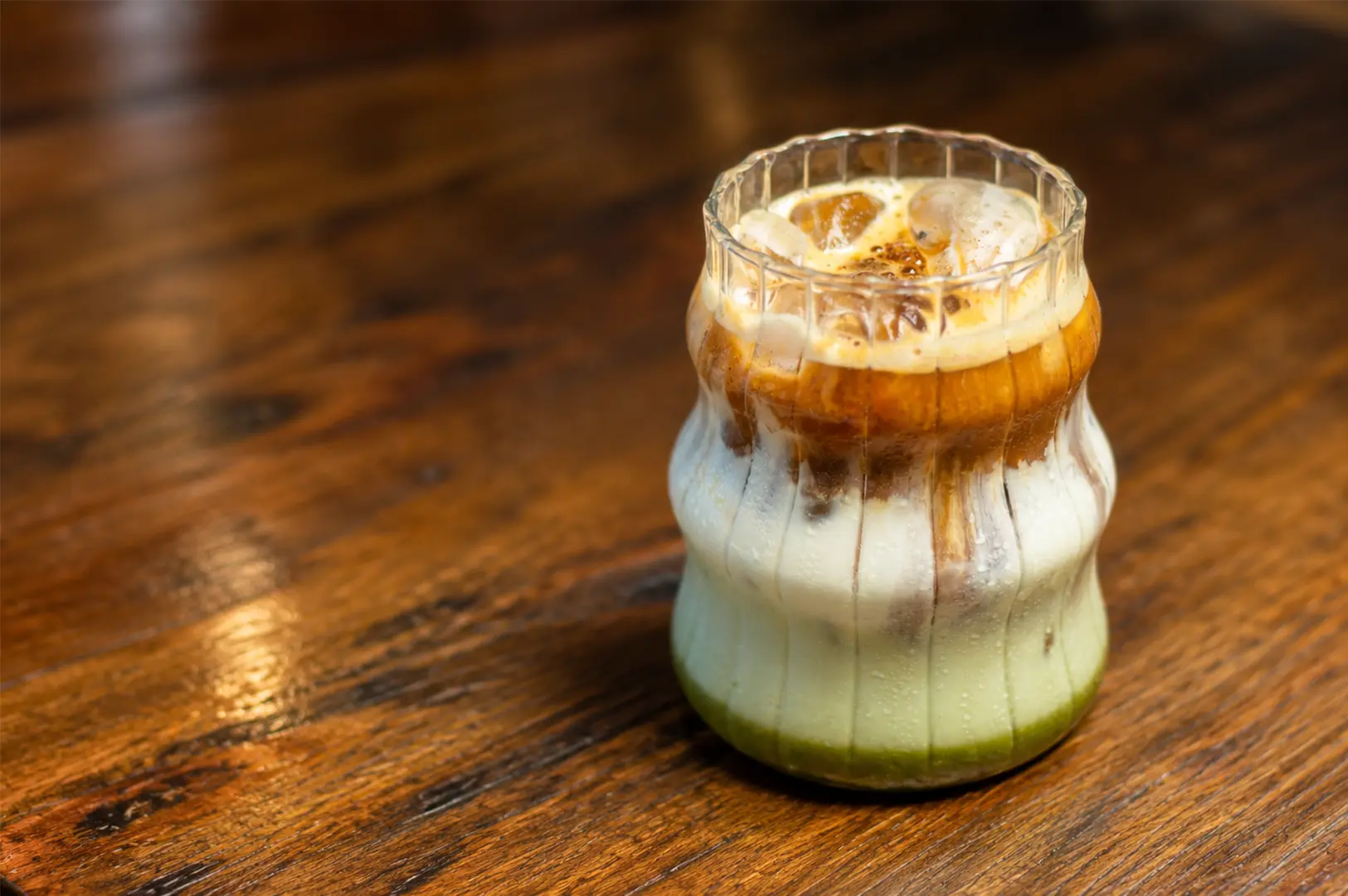
Matcha had the same issue. A good matcha drink can be excellent, but once the trend exploded, we started seeing too many weak, overly sweet, barely-matcha drinks being sold at café prices. The word did more work than the flavour. Pistachio could easily end up there if cafés are not careful.
That is the thing about trend ingredients. They create expectations. If I order something pistachio, I expect it to taste like pistachio. Not just look green. Not just have crushed nuts on top. Not just carry a fancy name. There should be actual nuttiness, some depth, and enough balance to make the ingredient feel central instead of decorative.
I do not think we need to be fully worried yet. Pistachio is still in its exciting phase, where cafés are experimenting and people are curious. A pistachio bolo bao, for example, sounds genuinely interesting because it takes a familiar bake and gives it a richer, nuttier angle. That kind of use feels more thoughtful than just forcing pistachio into every possible drink and pastry.
But if pistachio becomes the new matcha, Singapore cafés need to learn from what happened before. Do not let the ingredient become a costume. Use it properly, price it fairly, and make sure the flavour actually shows up.
Because customers are not stupid. We know when something tastes premium, and we know when it is just marketed that way.
As Good Housekeeping said, Pistachios are the moment, especially now.
Discover more food culture hot takes on Social Eats N Drink.