
We say “support local” very easily.
We repost opening announcements, save videos of new cafés, comment that a homegrown brand deserves more attention, and feel genuinely upset when an independent restaurant announces that it is closing. Yet when it comes to deciding where to spend our own money, the picture becomes less straightforward.
We have caught ourselves doing it too. We see a local café serving a $7 drink and immediately question the price, then spend more at an international chain without thinking twice. We say we want small businesses to survive, but we still choose the place with the stronger loyalty programme, the more familiar branding, or the promotion that gives us one-for-one drinks.
That does not make anyone a bad customer. Price matters, especially when eating out in Singapore keeps getting more expensive. Convenience matters too. Large chains often have better locations, longer opening hours, more consistent service, and enough resources to keep prices competitive. Supporting local cannot mean ignoring our budgets or pretending every independent business is automatically worth visiting.
But there is still a gap between what we say online and what we do offline.
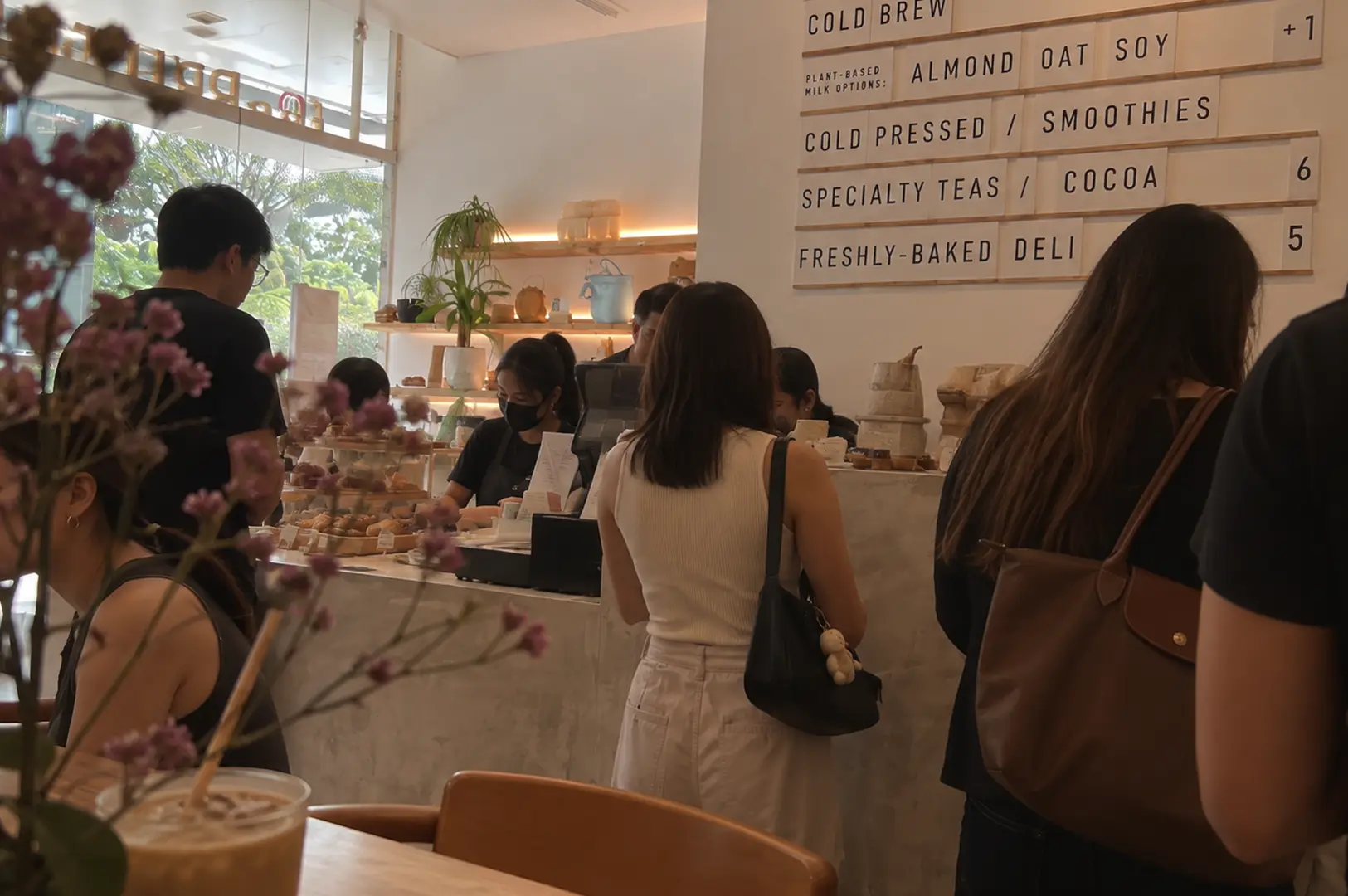
Some local businesses receive plenty of attention when they first open. People queue, post, and rush to try the signature item before the hype disappears. A few weeks later, the crowd moves on to the next launch. The café that looked packed on social media is suddenly struggling on an ordinary Tuesday afternoon.
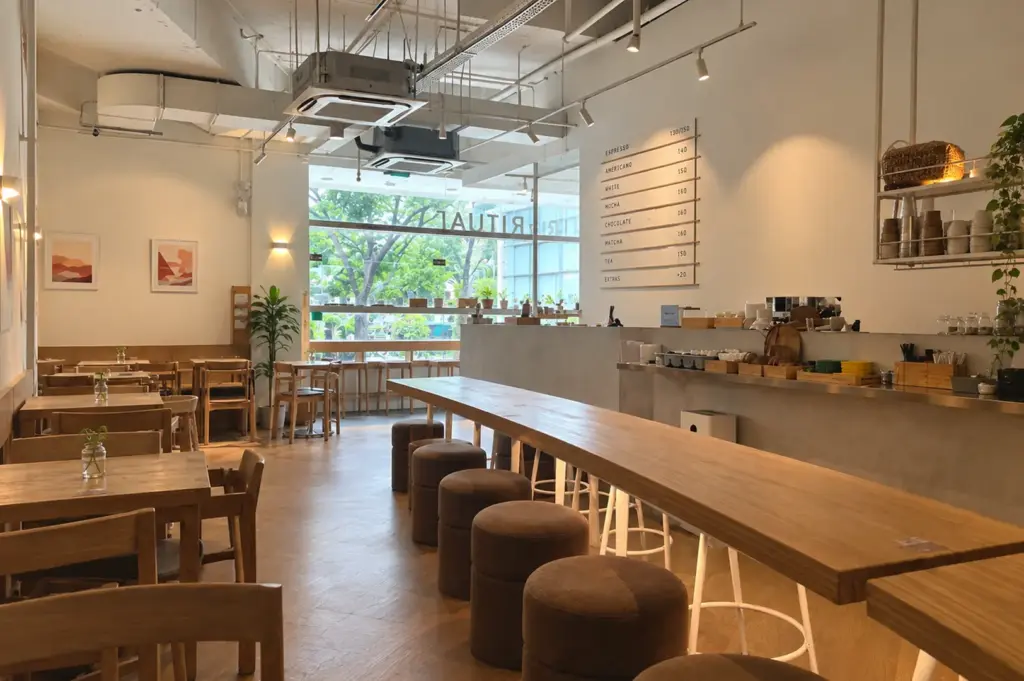
That is the uncomfortable part of trend-driven support. We sometimes treat local businesses as content rather than places that need repeat customers. We show up for the opening, take the photo, and never return. The post says we support them, but the receipt only happened once.
Real support is less exciting. It means going back after the launch period. It means recommending a place to friends without waiting for a sponsored campaign. It means ordering directly when possible, leaving a useful review, or choosing a neighbourhood bakery even when there is no viral pastry attached to the visit.
It also means being fair. Local businesses should not be protected from criticism simply because they are local. If the food is poor, the service is careless, or the pricing feels unreasonable, customers are allowed to say so. Supporting local does not mean lowering standards. It means giving independent businesses a genuine chance instead of only noticing them when an algorithm tells us to.
The reality is that most small food businesses do not need everyone to become a loyal customer. They need enough people to return consistently. One repeat visit probably does more than ten comments saying a place looks cute.
Maybe supporting local is not a personality or a hashtag. It is a spending habit, and habits are usually revealed in the quiet choices nobody posts about.
Click here to visit our website for more honest conversations about Singapore’s food culture and the businesses shaping it.