

I like coffee, but I do not always want it explained to me like a university module.
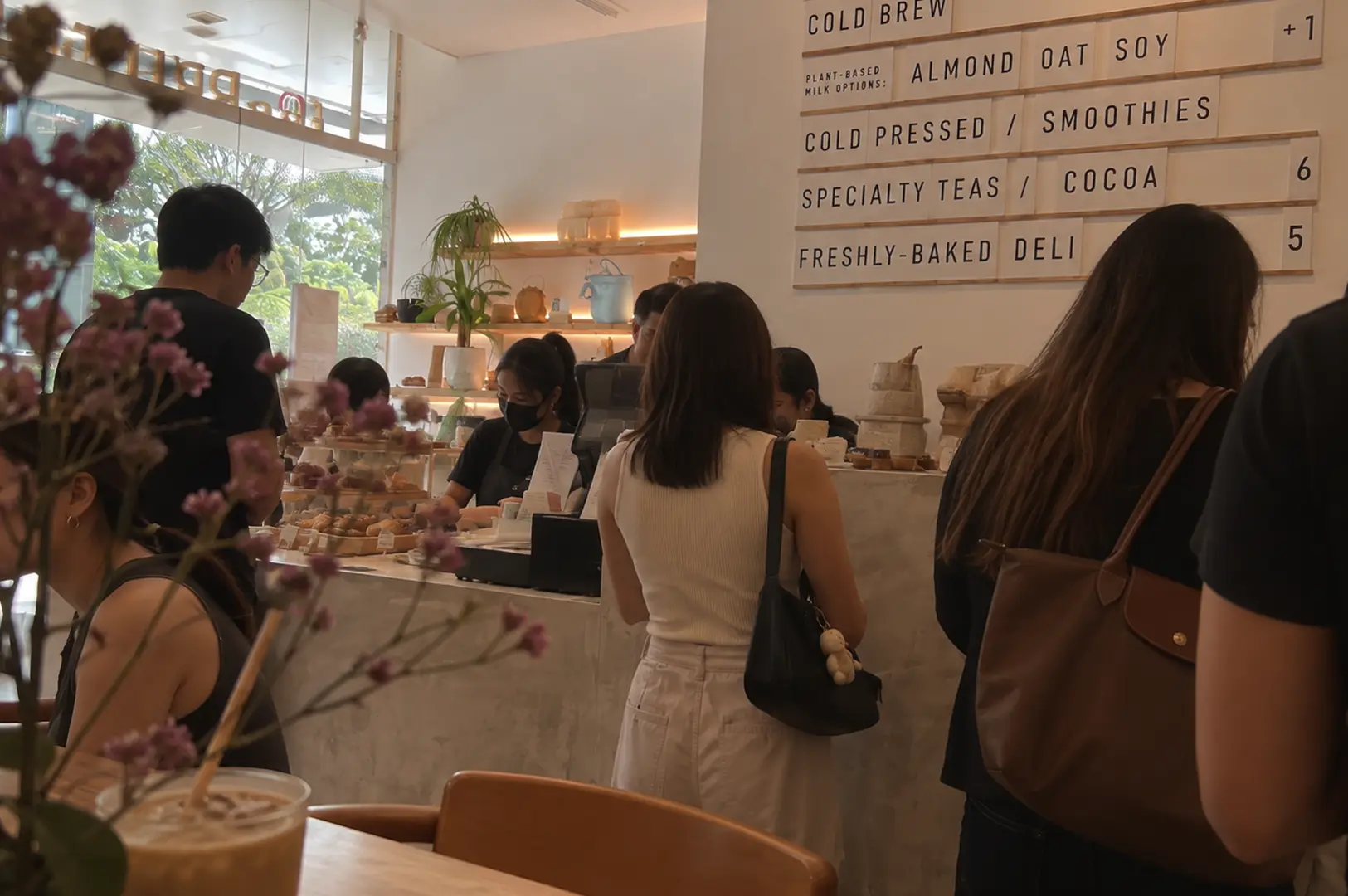
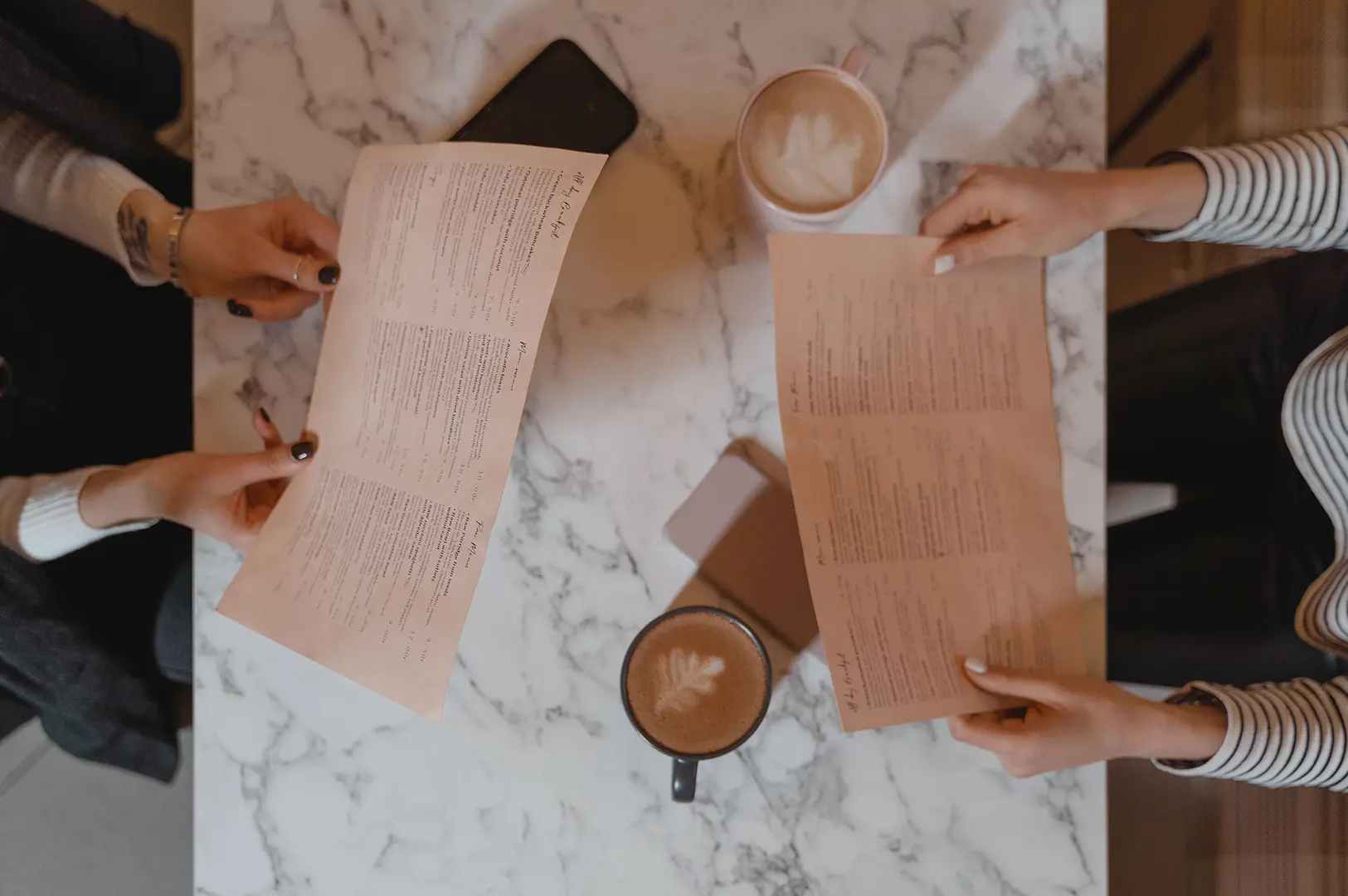
Walk into some specialty cafés now and the menu reads less like a drinks list and more like a technical document. There are processing methods, altitude details, farm names, brewing ratios, and tasting notes that somehow include fermented lychee, jasmine, cacao nibs, and red wine. By the time I reach the counter, I am no longer deciding whether I want something strong or milky. I am trying to remember whether anaerobic natural means I am about to enjoy myself.
To be clear, I understand why specialty coffee has become this detailed. Coffee is complex, and the people who roast and brew it properly care about origin, freshness, technique, and flavour. That attention has improved the quality of coffee in Singapore cafes, and it has made more people curious about what is actually in their cup.
The problem is not the knowledge. It is how that knowledge is sometimes presented.
There are cafés where asking for a recommendation feels easy. The barista asks what you normally drink, whether you prefer something bright or chocolatey, then guides you from there. That is good hospitality. In other places, the conversation makes you feel like you should already know the difference between washed Ethiopian beans and a carbonic maceration process before ordering.
That kind of environment can leave everyday drinkers behind. Most people are not trying to identify three separate fruit notes before work. They just want a cup that tastes good. Some want something smooth. Some want something bold. Some want an oat latte and do not need to be corrected for adding milk to an expensive bean.
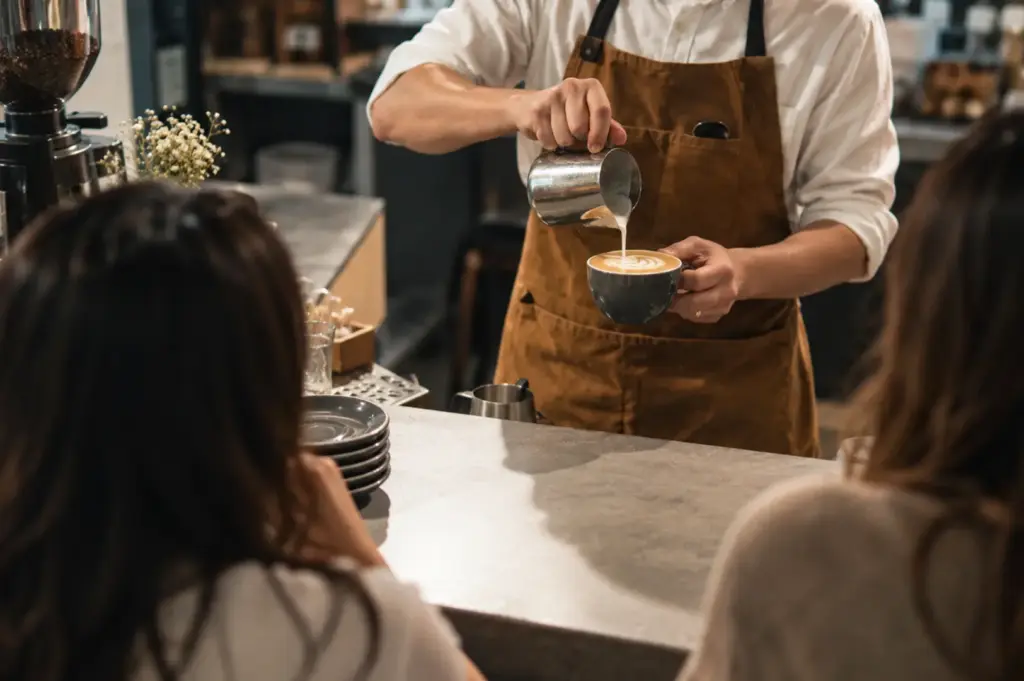
Specialty coffee sometimes forgets that accessibility does not mean lowering standards. You can serve excellent coffee without making the customer feel underqualified to drink it. Clear language helps. Instead of listing five unusual tasting notes, tell me whether the coffee is light, fruity, nutty, or intense. Instead of presenting ten brewing methods without context, explain which one suits the flavour I already like.
I also think there is a point where the performance around coffee becomes more noticeable than the drink itself. The equipment looks impressive, the menu sounds serious, and the brewing ritual takes several minutes, but the final cup still needs to be enjoyable. Complexity should improve the experience, not become the experience.
The best specialty cafés make curiosity feel welcome. They let enthusiasts go deep while allowing everyone else to order without embarrassment. They understand that not every customer wants a lesson, but most will appreciate a simple explanation when it is offered without judgment.
Coffee can be technical, but drinking it should still feel easy. If the industry wants more people to appreciate better coffee, it cannot keep treating confusion as proof of quality.
Sometimes I do not need to taste fermented lychee. I just need a good cup and a quiet table.
Visit Social Eats N Drink for more café culture stories, dining opinions, and food hot takes.