
Most omakase menus in Singapore now arrive with a story attached. A famous mentor, a Toyosu supplier, a waiting list you’re meant to feel lucky to join.
Sushi Sato at 6B Dempsey Road does something quieter. It hides behind bonsai greenery, sits nine guests at a time, and stakes its whole identity on one unfashionable idea: that food should reach you at exactly the right temperature, not a moment too late.
I wanted to know if that idea holds up at $420 a head, and whether the restraint is worth the money in a market that rewards noise. What I found was a sushi ya more interested in getting the small things right than in impressing you. Here’s my honest review.
First Impressions at Sushi Sato Dempsey
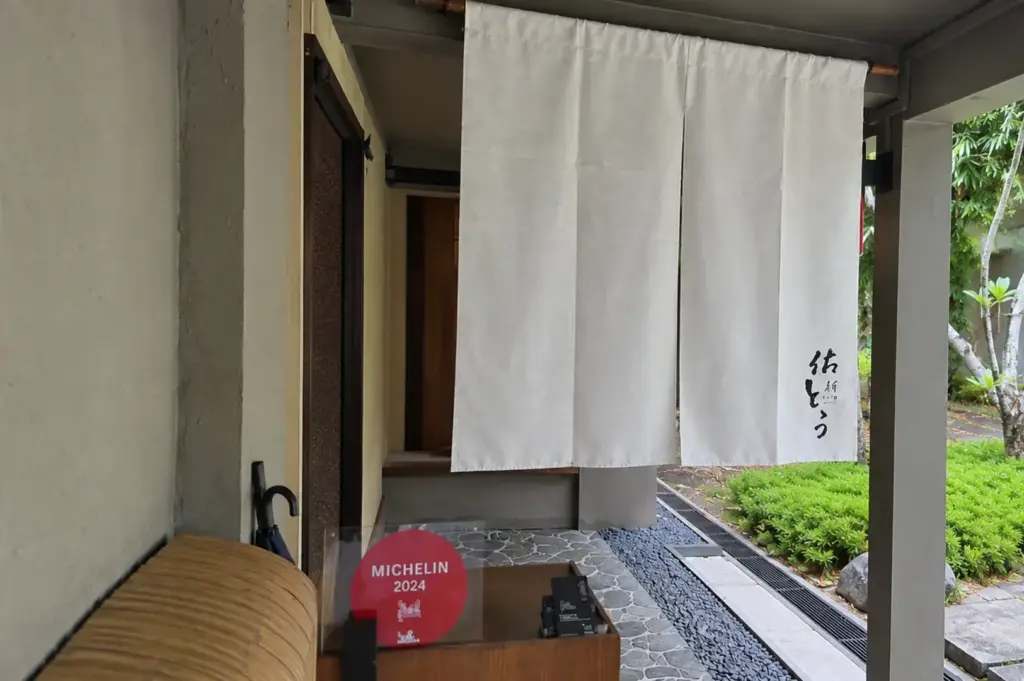
You almost walk past it. The entrance sits beside Min Jiang at Dempsey Hill, discreet to the point of being easy to miss, which I suspect is deliberate.
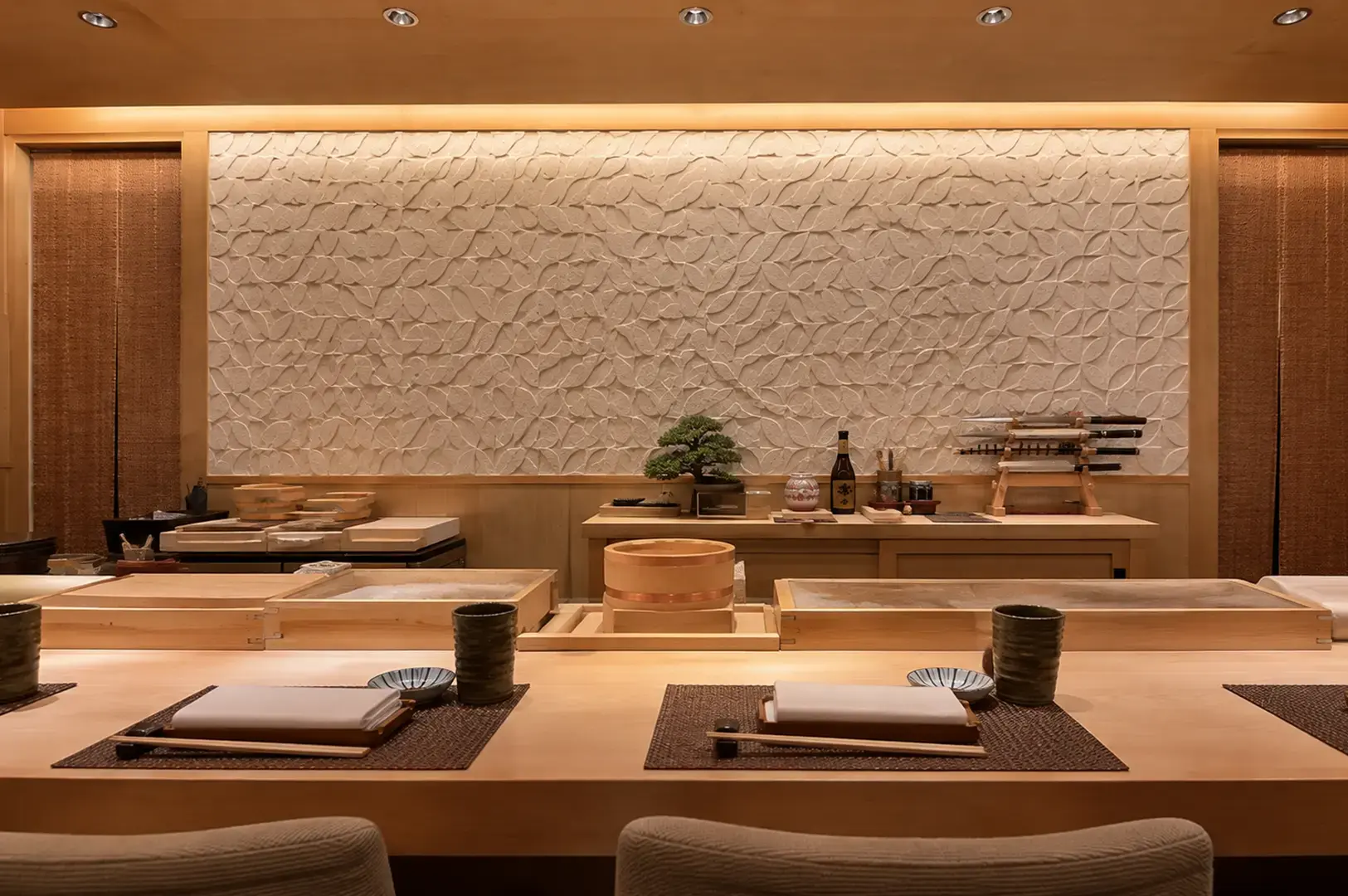
You pass through a corridor lined with bonsai before the dining room opens up, and the shift in mood is immediate. Dempsey’s greenery outside, a hush inside. The centrepiece is a 200-year-old hinoki wood sushi counter brought over from Japan, pale and worn smooth, the kind of surface that carries its age well. Behind it, a feature wall carved with leaf motifs quietly echoes the foliage you just walked through.
The whole room is minimalist and wood-heavy, softly lit, the light pooled on the counter so you can watch the knife work clearly. With only around nine seats, it feels less like a restaurant and more like a chef’s private dining space that happens to let strangers in.
One honest caveat. This intimacy cuts both ways. Because everyone shares the same small space and moves through the sushi course together, your evening depends partly on who else booked that week. It’s serene, but it isn’t private unless you take the separate room.
Sushi Course Craft by Chef Yuji Sato
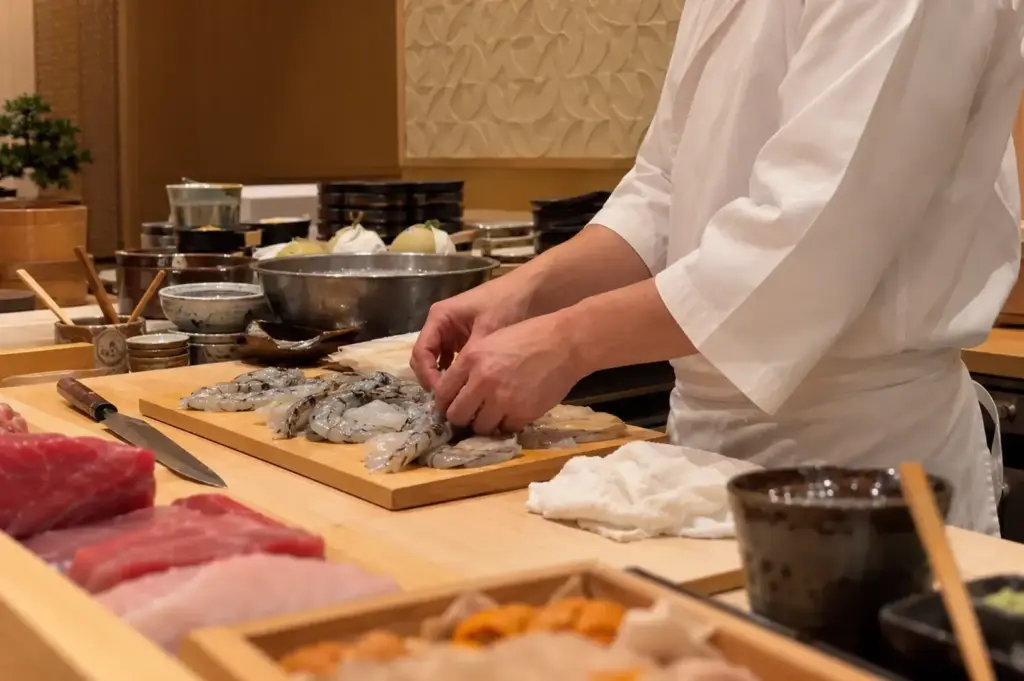
Sushi Sato is helmed by head chef Yuji Sato, a native of Hokkaido who trained in Tokyo before returning to helm this sushi restaurant in Singapore. Chef Sato brings a brand of authentic Edomae sushi to the table, sourcing fresh ingredients from Japan, including Hokkaido and Toyosu markets.
The omakase menus change seasonally based on produce availability, showcasing an assortment of seafood such as botan ebi, striped jack, tai, and uni. Chef Sato uses a special blend of three red vinegars to season the shari—sushi rice—made from Tsuyahime rice imported from Yamagata Prefecture. This blend of red vinegars, including one specially aged, creates a perfect balance of sweet, salty, and tang that suits the palate.
Each piece of sushi is molded by Chef Yuji Sato himself, with rice packed just right so it clings together but melts in your mouth. The temperature contrast between the warm shari and the cold fish is a signature touch, enhancing the fresh flavors of the fish.
Seasonal Sushi Course Highlights
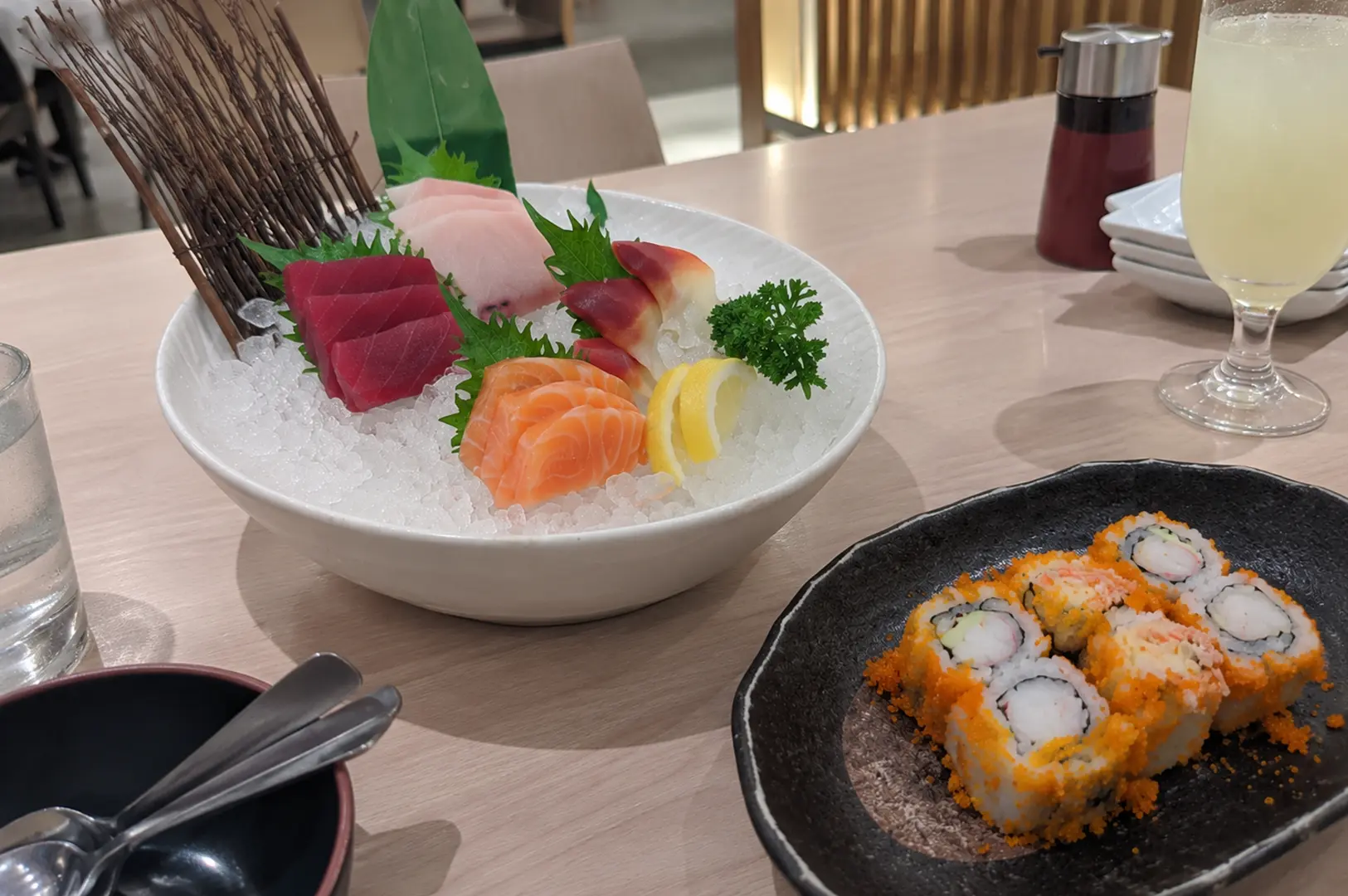
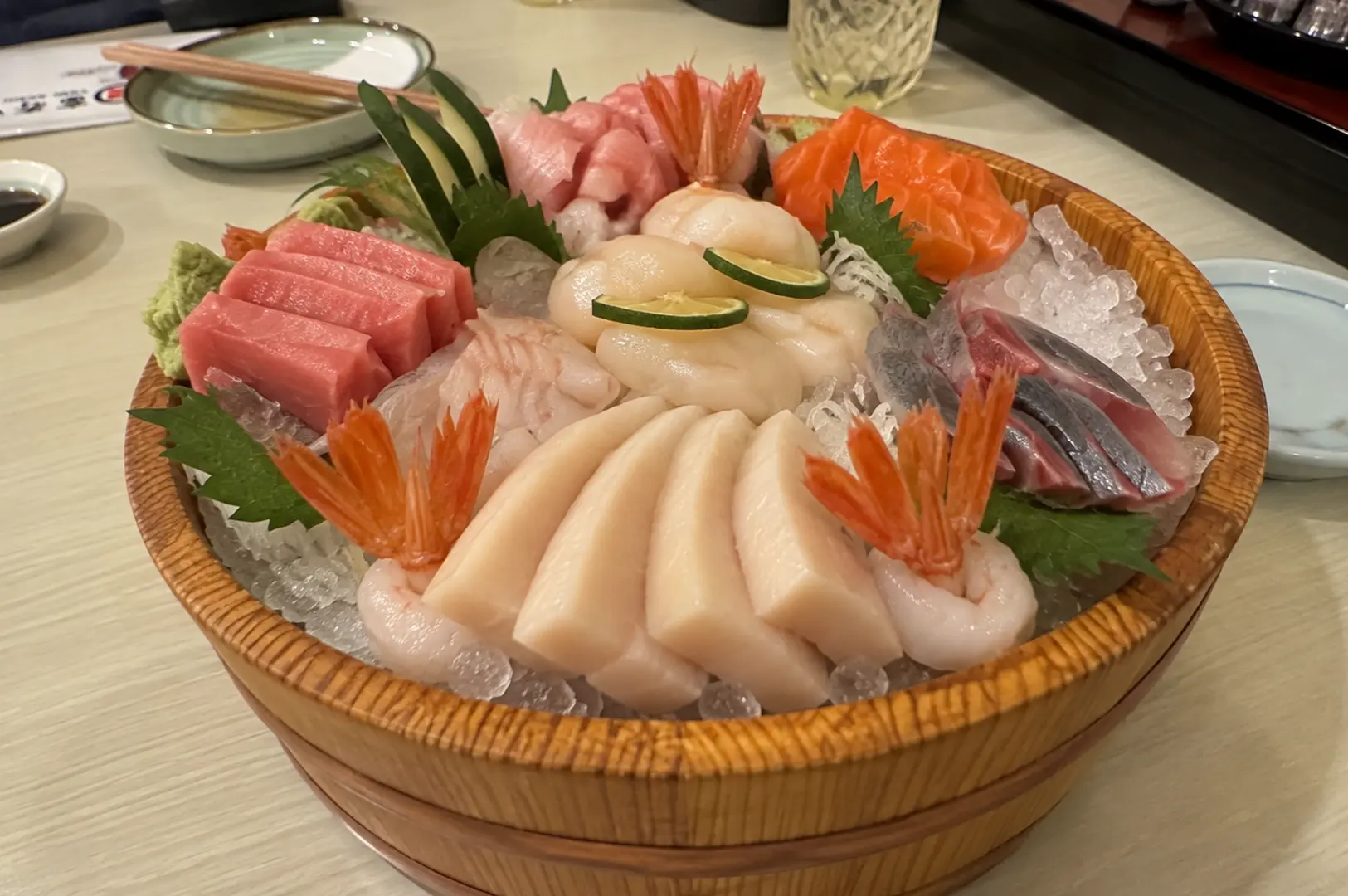
The sushi course begins with a seasonal sashimi selection that demonstrates the restaurant’s commitment to freshness and contrast.
For example, the shima aji (striped jack) was a standout with its firm, clean texture and gentle sweetness that lingered delightfully on my palate.
The otoro, harvested from the kama area, was an indulgent experience—soft and oily, it practically melted on my tongue, leaving a rich, buttery finish that perfectly balanced the subtle sweetness of the rice.
The live botan ebi was a revelation; its sweet, crunchy flesh was incredibly fresh, offering a burst of ocean flavor that felt vibrant and alive.
The wild-caught tai was crisp and clean, showcasing the pristine quality of the seafood. I especially appreciated the Hokkaido hokkigai surf clams, which were slapped just before serving to ensure their liveliness, resulting in a tender yet slightly chewy bite with a mild briny sweetness.
Uni was served gunkan style with specially toasted seaweed, and its creamy, sweet taste was a perfect complement to the slightly smoky nori wrapper.
The sushi rice, seasoned with Chef Sato’s masterful blend of three red vinegars, provided a subtle tang that enhanced each bite without overpowering the delicate seafood.
The nodoguro grilled course was a warm, smoky interlude that contrasted beautifully with the cooler raw dishes, adding depth and complexity to the meal.
The chawanmushi custard, infused with snow crab and Hokkaido scallops, was served piping hot, silky smooth, and richly flavored—an exquisite example of the restaurant’s philosophy that hot dishes should arrive hot to maximize their impact.
Each piece of sushi and sashimi felt like a carefully crafted moment, perfectly timed and balanced. The interplay of textures, temperatures, and flavors made the experience deeply satisfying and memorable, reaffirming why Sushi Sato is a standout in Singapore’s omakase scene.
Service & Overall Dining Experience
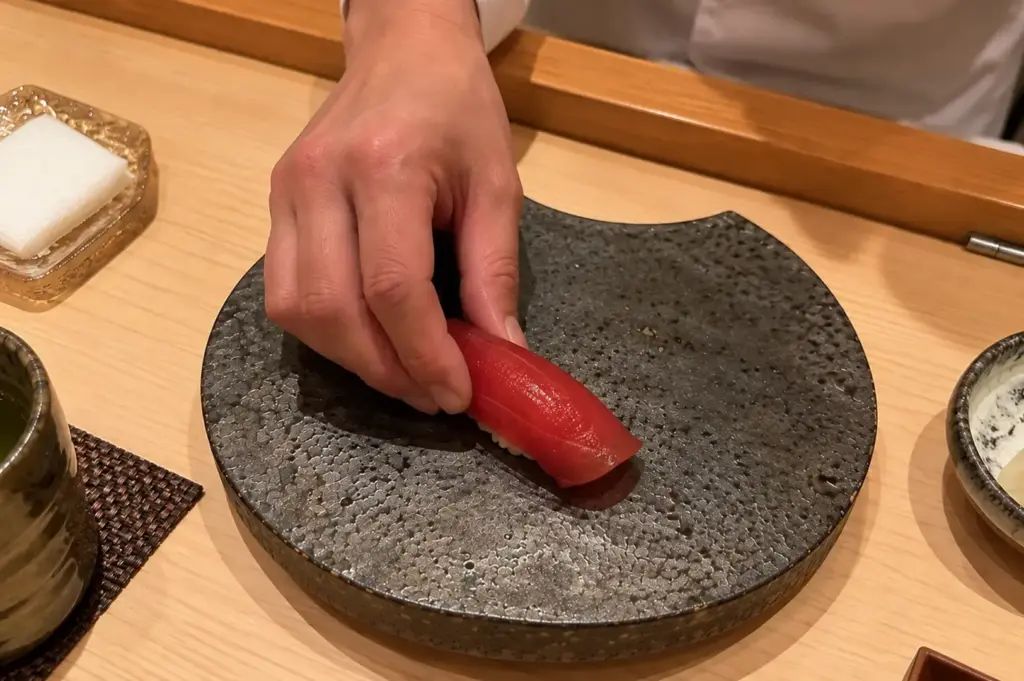
Service at Sushi Sato is built around one principle: hot food hot, cold food cold. Fish is sliced just before reaching diners, and hot dishes are served immediately off the stove. The pacing is deliberate, with each course timed to perfection.
Guests can watch Chef Sato grate fresh wasabi, prepare the sushi, and even see the nori lightly toasted over charcoal before hand roll construction. Soy sauce is served on the side, allowing each guest to enjoy the sushi as Chef intended.
The omakase dining experience is formal and asks diners to surrender control, trusting the head chef’s expertise and the carefully curated menu. Reservations are essential due to the limited nine seats at the sushi counter.
Things to Know Before You Go
Address: 6B Dempsey Road, Singapore 247662, located in Dempsey Hill.
Getting there: No MRT nearby. Taxi or ride-hail is easiest, especially if you plan to enjoy sake.
Hours: Lunch 12pm to 3pm, dinner 6:30pm to 10:30pm. Closed Mondays.
Cost: Dinner starts at $420++ for the Kokoro menu and from $480++ for the chef’s special, excluding drinks and tax.
Duration: Allow two to three hours. Arriving late disrupts the meal’s progression.
Reservations: Mandatory. Book online or call +65 8380 3830.
Dietary needs: Inform the chef of allergies or preferences in advance.
Is Sushi Sato Worth Visiting?
Price Range: $$$
SENDs Rating: ⭐⭐⭐⭐
Sushi Sato’s strength lies in its discipline and subtlety. The careful timing, the contrast of textures and temperatures, and the use of native Japanese ingredients like burdock root and tsuyahime rice create a refined omakase experience.
The price is steep, and the meal leans heavily on raw fish, but for experienced sushi diners who appreciate Edomae sushi tradition and the craft behind each piece, this sushi restaurant offers a rare treat.
For example, the ikura rice bowl served during lunch is a delightful surprise that showcases the freshness of the ingredients and the chef’s skill with seasoning and vinegar blends.
If you value quantity over quality or prefer a more casual dining experience, Sushi Sato may not be the right fit. But for those who savor the nuances of sushi and the artistry of Chef Yuji Sato, it’s a must-visit destination in Singapore.
Final Thoughts on Sushi Sato Dempsey
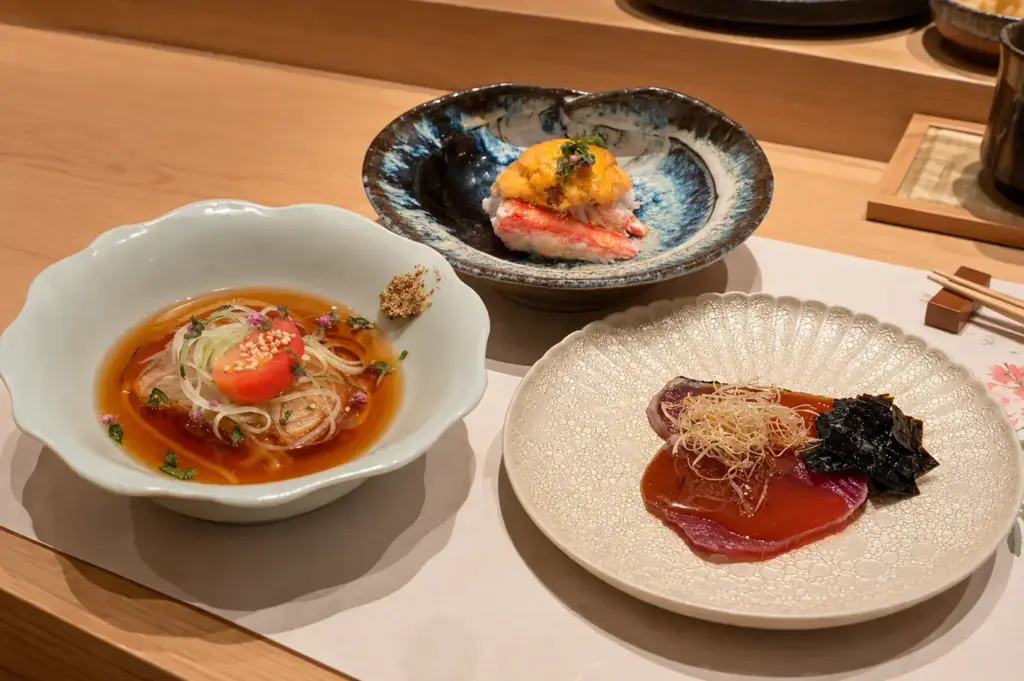
Sushi Sato bets everything on the belief that a bite should reach you at precisely the right moment—cold when it’s meant to be cold, hot when it’s meant to be hot. In a scene full of louder claims, that quiet insistence on getting the small things right is what stayed with me.
Whether it’s worth your money depends on what you’re after. If you want spectacle or a name to drop, look elsewhere. If you want a sushi restaurant where the head chef cares more about temperature, timing, and the subtle balance of shari, dashi, and fresh fish, and you can stomach the bill, pull up a seat at that old hinoki wood counter.
For more sushi restaurants to try and discover, visit our website for the best Sashimi in Singapore. We share honest reviews, detailed guides, and food stories to help you find the best dining experiences around.