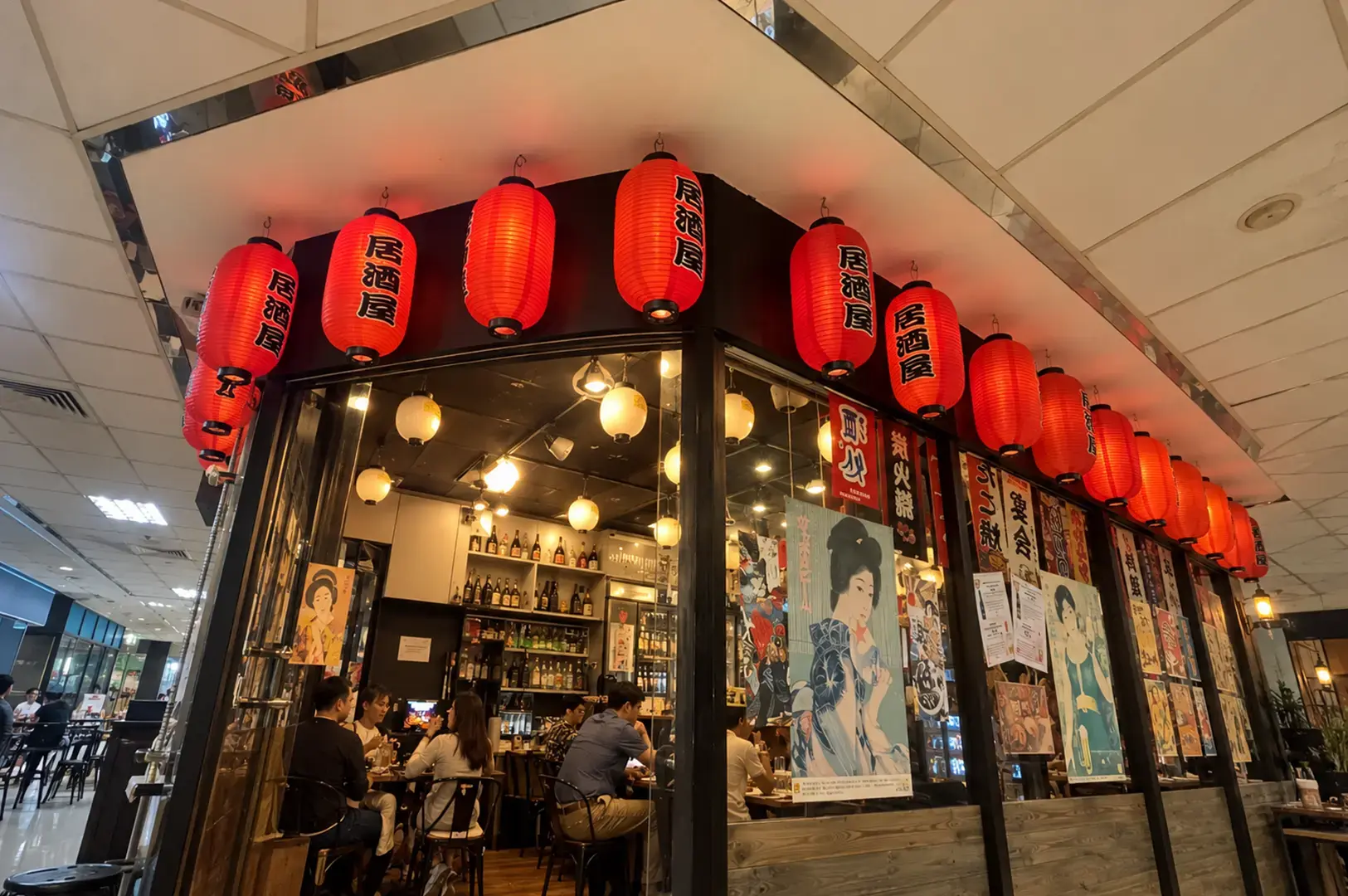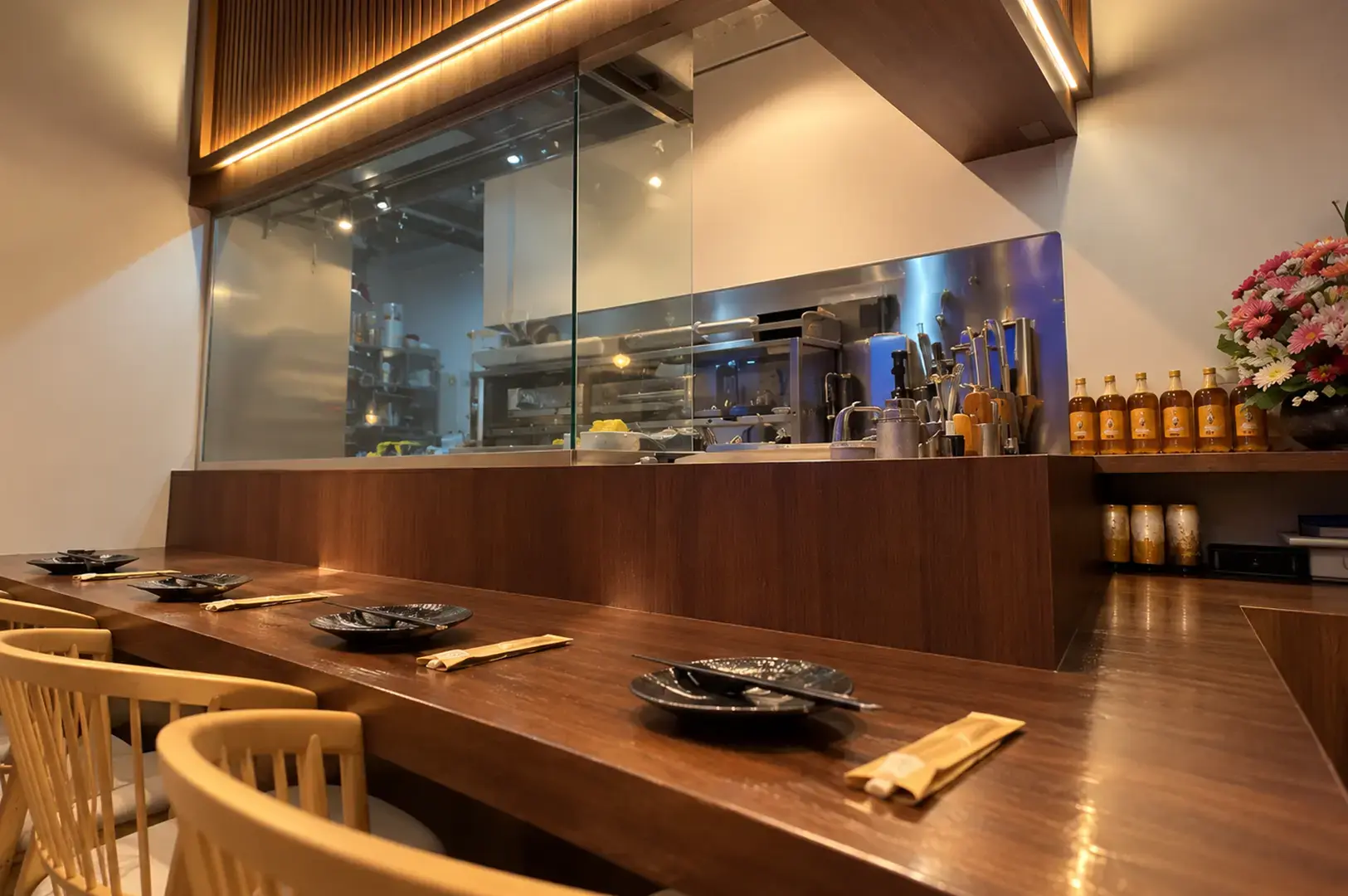

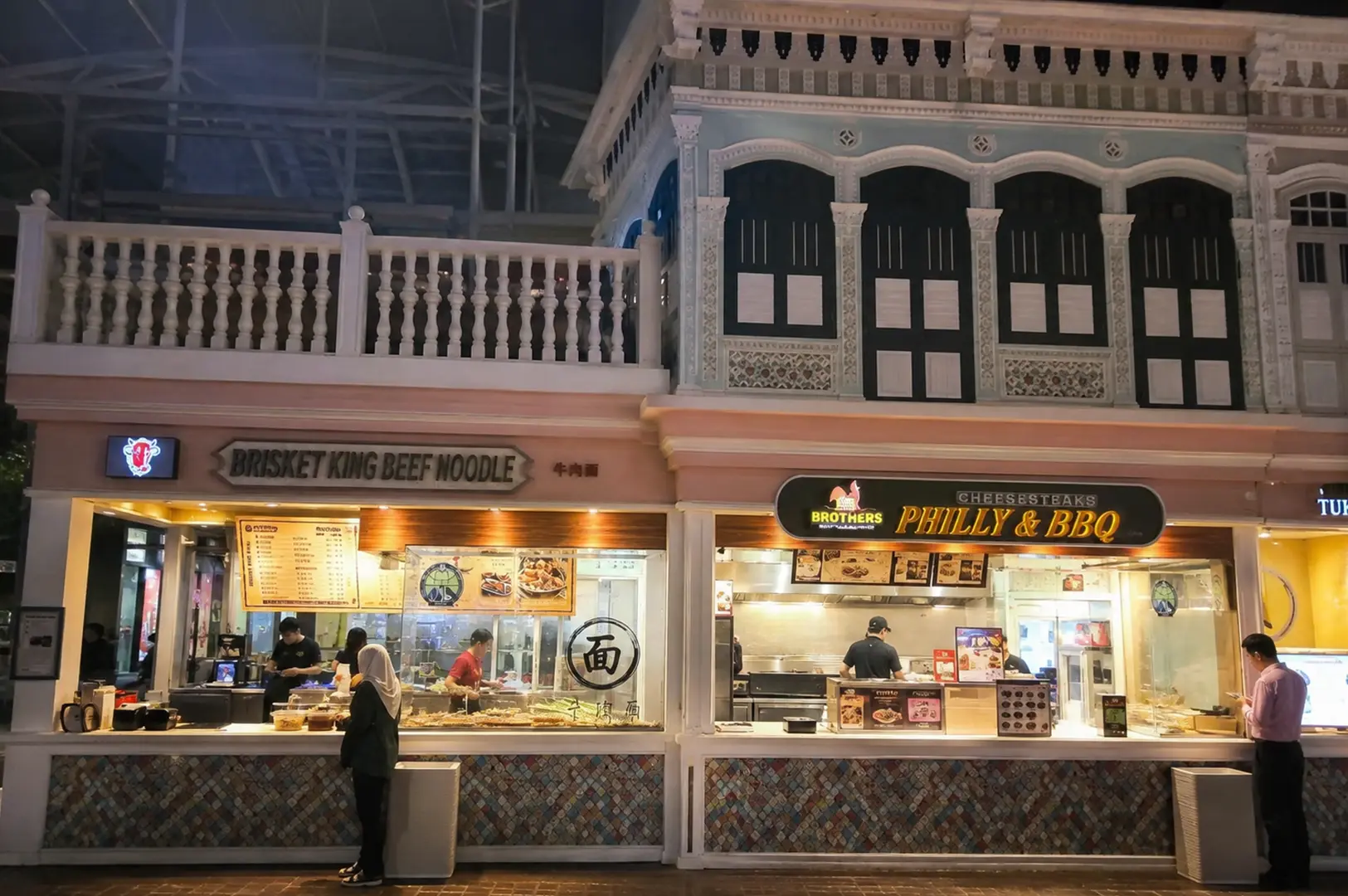
There was a time when choosing a restaurant was simple. You walked past a place, looked at the menu, peeked inside, and decided whether to give it a chance. Maybe the smell pulled you in. Maybe the crowd looked promising. Maybe you just liked the way the place felt from outside.
Now, a lot of us cannot enter a restaurant without checking it online first.
We search the name on TikTok. We look at Google reviews. We check Instagram tagged posts. Then we look for what our favourite food bloggers ordered, what they said was “must-try,” and whether the place is worth the money. By the time we sit down, we already know the signature dish, the best angle for photos, and the one item everyone says to avoid.
In some ways, this is useful. Nobody wants to waste money on bad food, especially in Singapore where eating out is not exactly cheap anymore. Food influencers help us filter through the noise**. They introduce us to places we might never notice, and they make decision-making easier when we are hungry and tired.
But maybe they have made things too easy.
The problem is not food influencers themselves. The problem is how much we rely on them. Some of us have stopped trusting our own curiosity. We no longer want to be surprised. We want proof before we order, validation before we enter, and a review before we form our own opinion.
That takes away part of the fun.
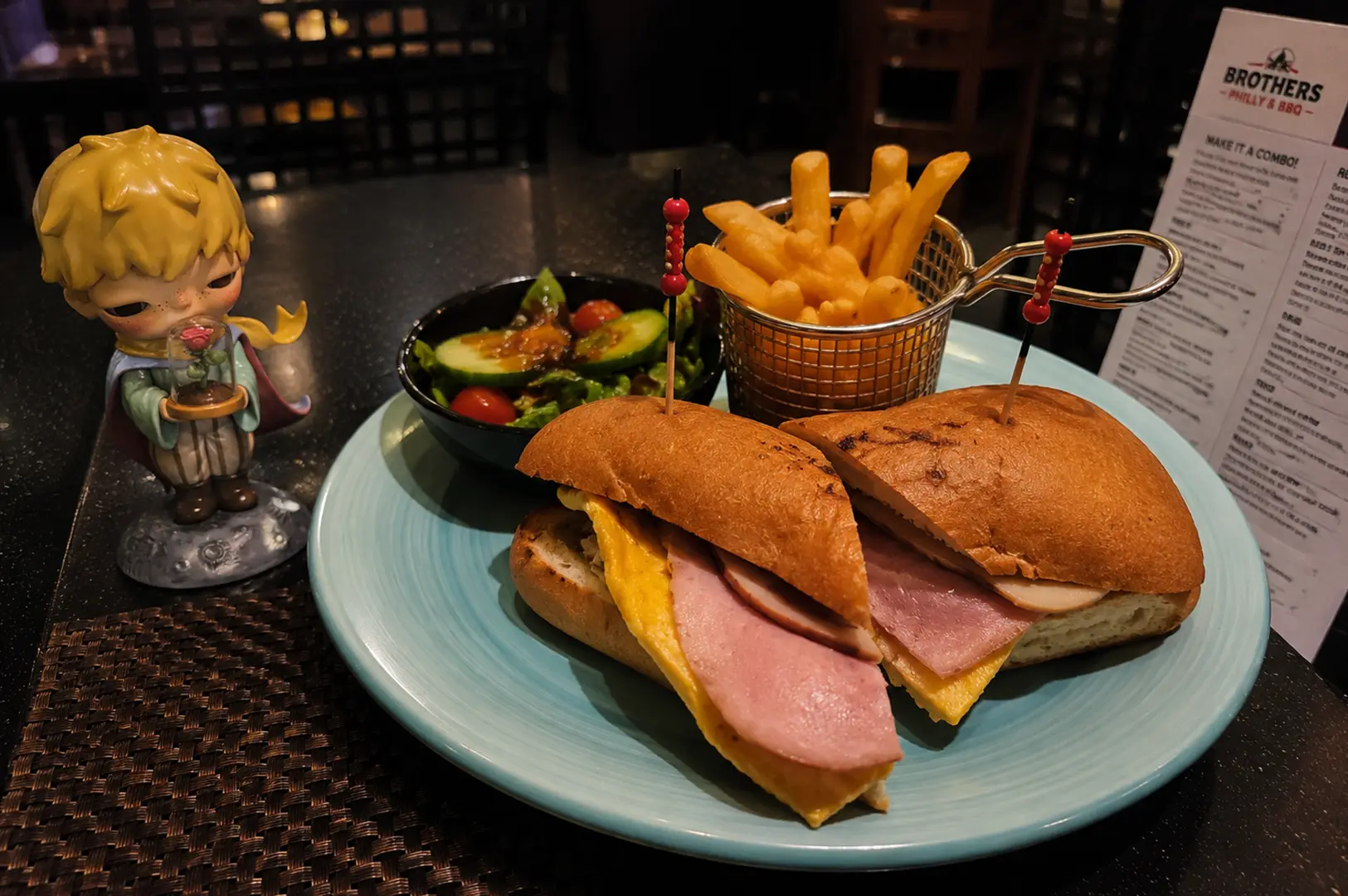
Not every meal needs to be optimised. Sometimes the best food memories come from walking into a random place and discovering something unexpectedly good. A quiet noodle shop with no viral video. A small café with average lighting but great cake. A family-run restaurant where the menu looks plain, but the food tastes like someone actually cared.
These places do not always trend online, and that is exactly why finding them feels special.
When we only follow what is already popular, we end up eating the same way everyone else does. Same cafés, same dishes, same “hidden gems” that are no longer hidden. The internet turns discovery into a checklist, and suddenly food exploration feels less like adventure and more like homework.
We think there is still value in going in blind.
Order something because it sounds good. Pick a place because it feels interesting. Let yourself be mildly disappointed sometimes. That is part of it too. Not every restaurant will be amazing, but not every meal has to be content-worthy to be worth having.
Food influencers can guide us, but they should not replace our instincts.
Because at the end of the day, taste is personal. Your favourite blogger might hate a dish you end up loving. A restaurant with mixed reviews might give you exactly the kind of meal you needed that day.
Maybe the real food adventure starts when we stop asking the internet for permission.
To discover more food culture hot takes visit Social Eats N Drink.