
I miss paper menus more than I expected.
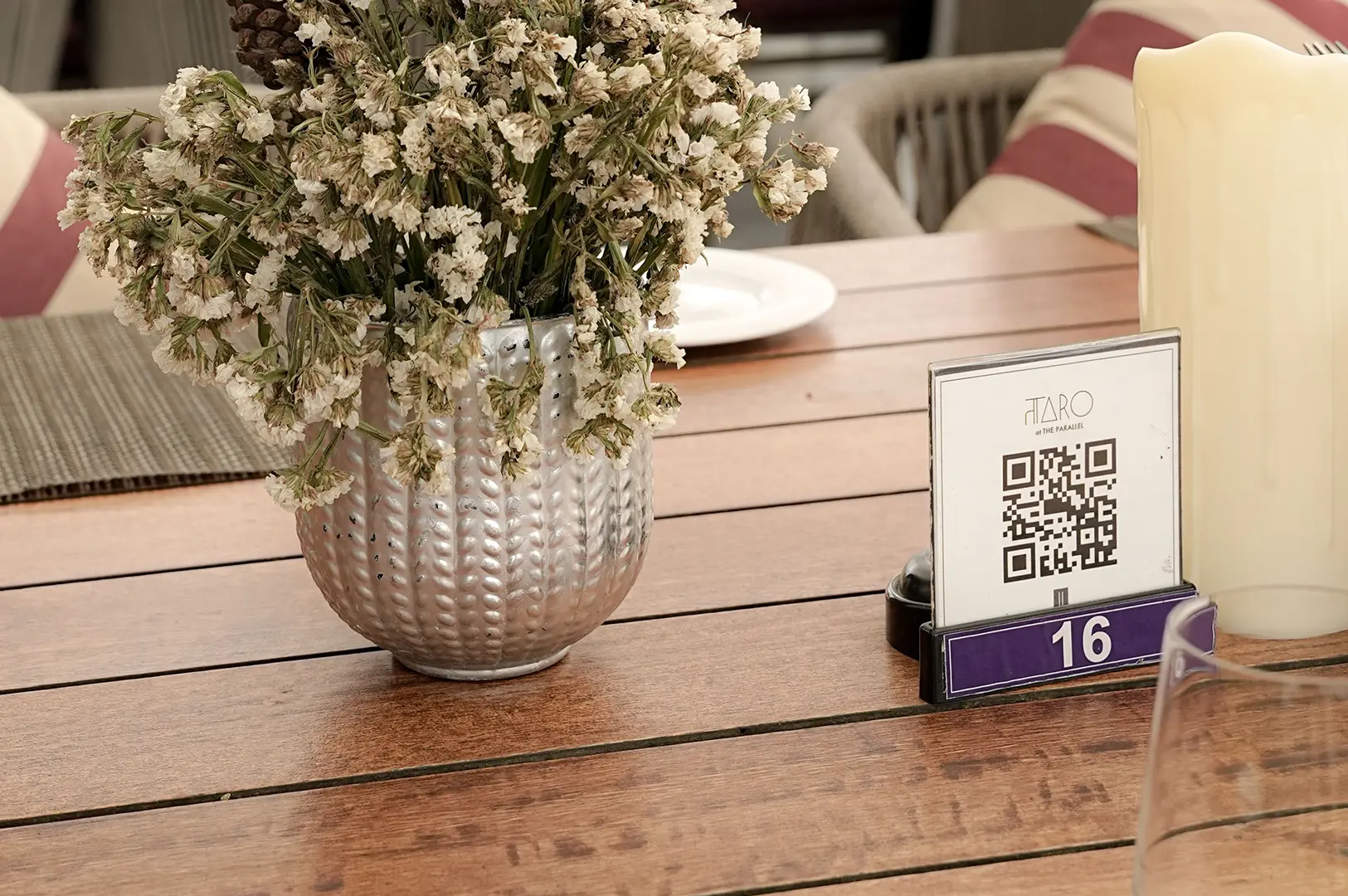
QR-code ordering was introduced as a cleaner, faster and more convenient way to dine, and for a while, it made sense. Scan the code, browse the menu, place your order and avoid waiting for someone to take it down. In theory, it should make everything smoother. In practice, I have spent too many meals staring at a loading screen while my phone battery drops and the restaurant’s Wi-Fi refuses to cooperate.
The problem is that the system often shifts the work from staff to customers without making the experience better. I scan the code, allow camera access, wait for the page to load, close a pop-up, create an account, verify my number and then search through a menu designed for a screen smaller than my hand. By the time I reach the food, I have already completed several tasks that used to be handled by simply opening a menu and speaking to a waiter.
It gets worse when each restaurant uses a different platform. Some require an app download, others want an email address, while a few split ordering and payment into separate pages. If the table has several people, everyone ends up staring at their own phone instead of discussing what to share. A meal that should begin with conversation starts with everyone asking whether the website is working.
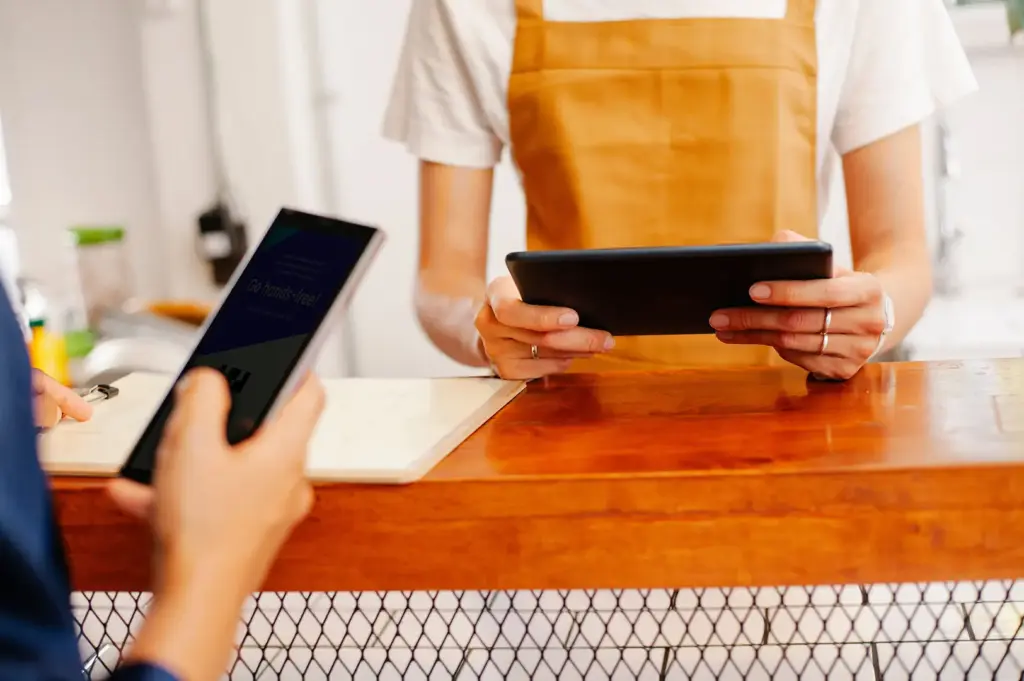
I understand why restaurants like digital ordering. It reduces printing costs, makes menu changes easier and allows businesses to collect orders more efficiently. It can also lower the chances of mistakes when customers enter their own requests. But convenience should work both ways. If diners are doing the browsing, ordering and sometimes even the payment themselves, charging a full service fee starts to feel harder to defend.
There is also an accessibility issue that does not get discussed enough. Not everyone has a reliable smartphone, a large data plan or the confidence to navigate unfamiliar ordering systems. Older diners may struggle with small text and complicated interfaces, while tourists can run into verification problems without a local number. A supposedly universal solution can quietly exclude the people who need the most assistance.
I am not against QR menus completely. They work well when they load quickly, do not demand personal information and allow guests to order in a few taps. They are also useful for viewing photos, checking allergens and adding extra items later. The problem is when digital ordering becomes mandatory and the restaurant removes every human alternative.
A good system should give customers a choice. Keep the QR code for people who prefer it, but offer a physical menu and staff ordering when needed. Technology should support hospitality, not replace it.
Restaurants call this convenience, but sometimes it feels like cost-cutting with better branding. If I need battery life, mobile data and a password reset just to order lunch, the process has become more complicated than the meal deserves.
Visit Social Eats N Drink for more honest takes on dining habits, café culture and Singapore’s changing food scene.