
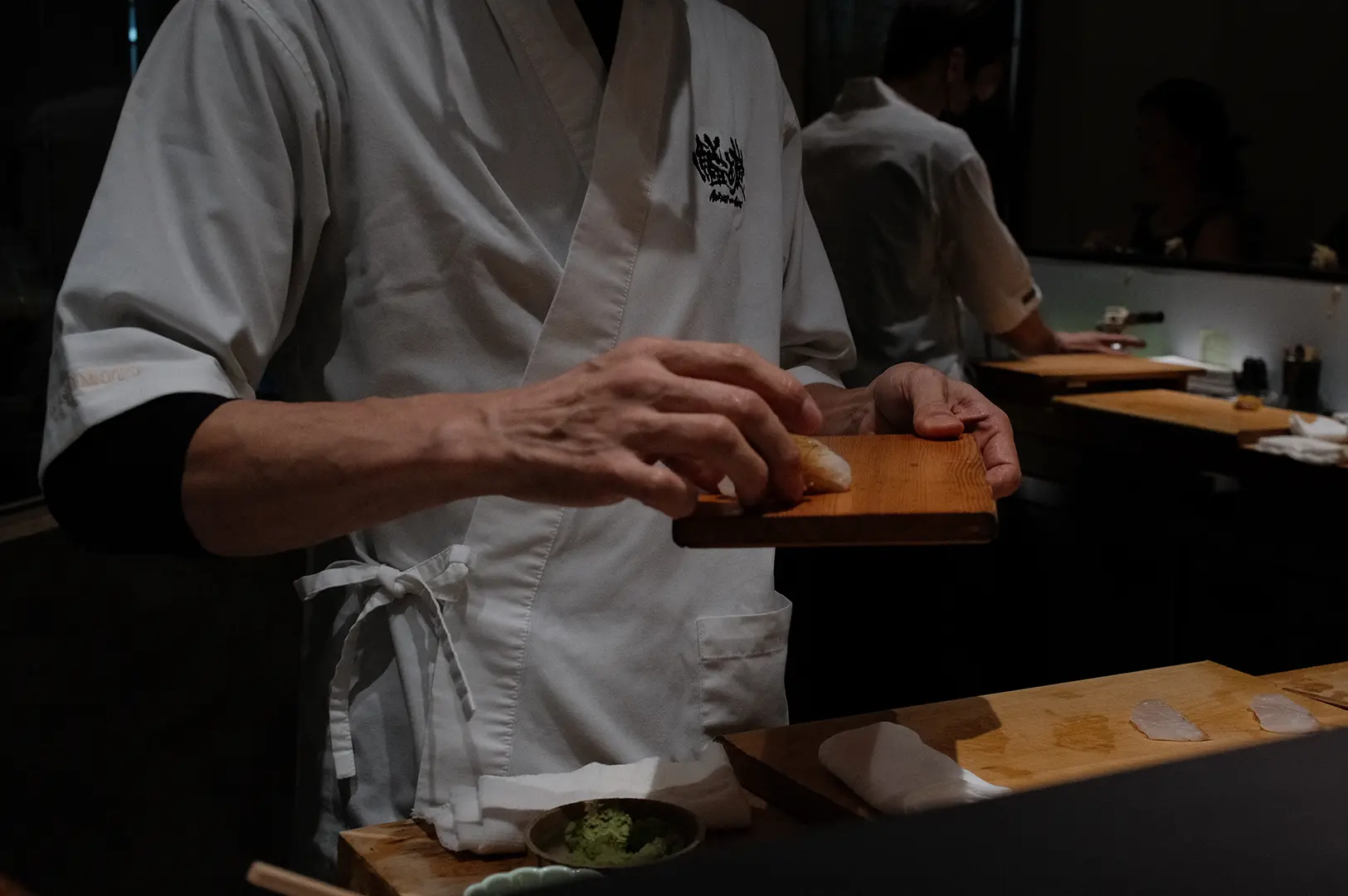
There are two kinds of people in Singapore: those who can spare three hours for omakase, and those who have a calendar notification reminding them that they have a meeting in 45 minutes. If you belong to the second group, Sushi To Sumi might feel like someone finally read your lunch break correctly.
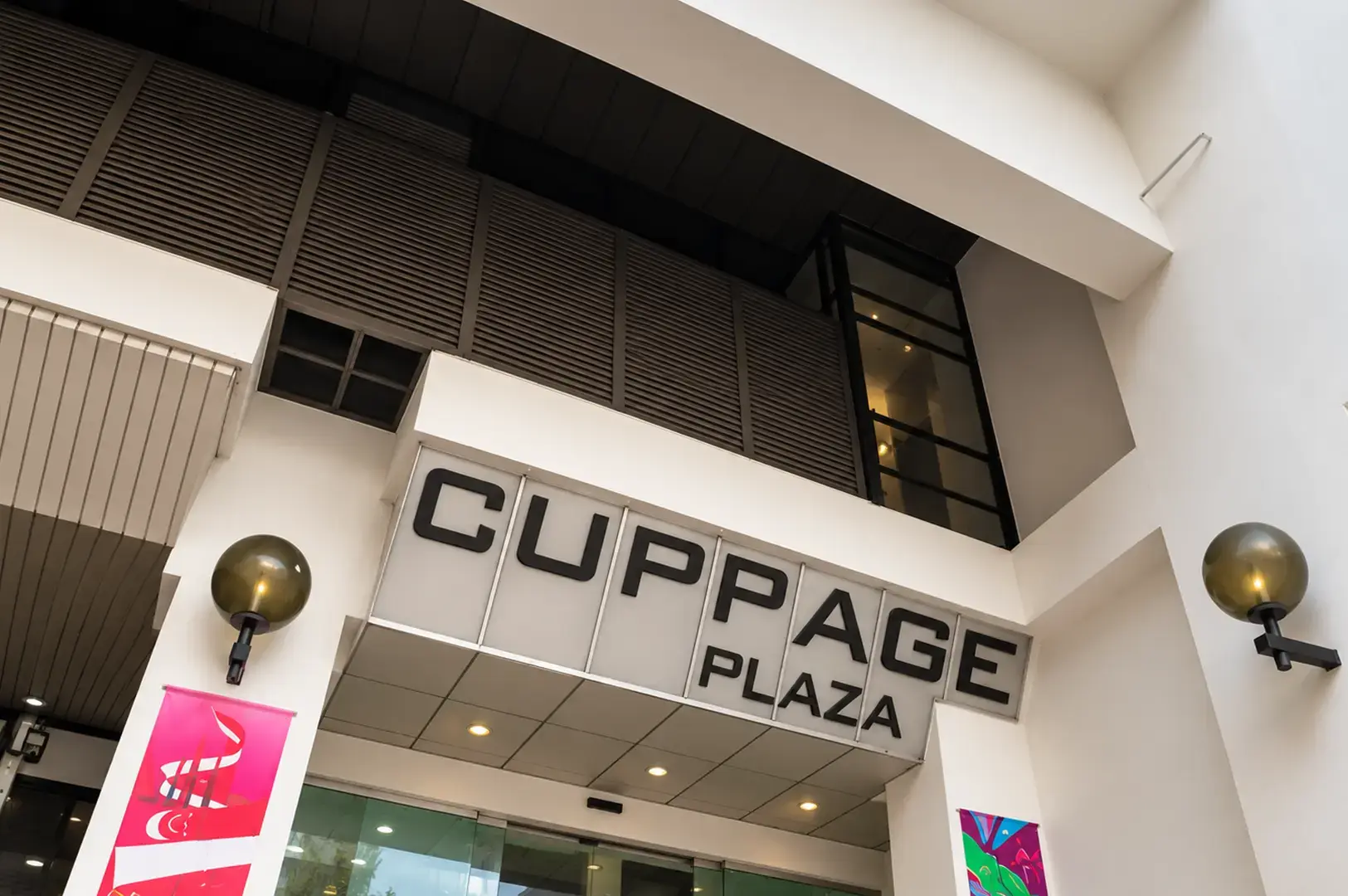
Located in the heart of Raffles Place, Sushi To Sumi takes a very different approach to the usual premium sushi experience. The meal is designed to move quickly, the counter is designed for standing, and the omakase can be completed in roughly 30 to 45 minutes. It sounds almost too efficient for sushi, until you remember that sushi itself has a much faster history than the modern three-hour omakase might suggest.
The Main Quest: Can Omakase Fit Into a Lunch Break?
Let’s be honest: time is probably the most expensive thing on a weekday. A $108 lunch is one decision. Losing half your afternoon is another.
Sushi To Sumi was created around that reality. Its standing format, known as tachigui, is designed to keep the experience moving without turning the sushi into a rushed meal. You stand at the counter, watch the chef work, receive the pieces as they are ready, eat, and move on. The concept is essentially Tokyo’s rush-hour sushi culture transplanted into Singapore’s CBD, where the ideal customer might be an office worker with good taste and exactly 45 minutes to spare.
Side Quest One: Sushi Was Always Meant to Move
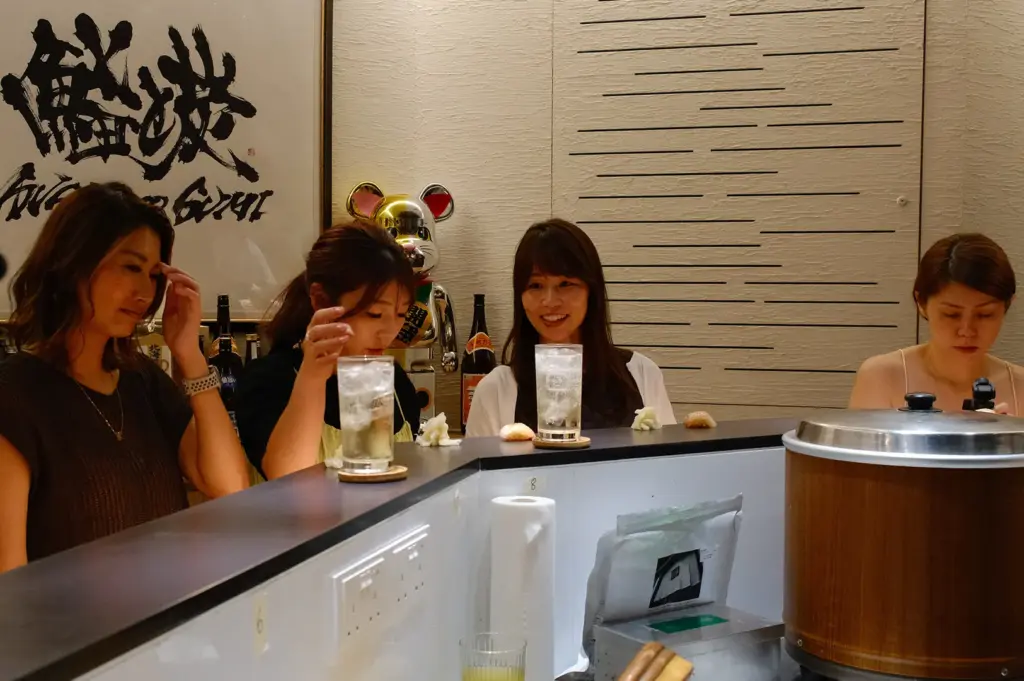
The standing format is not a gimmick invented to make people uncomfortable. Tachigui, which refers to eating while standing, has deep roots in Japanese food culture, and Sushi To Sumi’s concept is based on that history.
The restaurant’s philosophy is that sushi began as fast, accessible food: something fresh that could be eaten standing before people returned to whatever they were doing. That makes Raffles Place particularly fitting. The office towers are not just scenery; they are part of the experience.
The counter becomes your temporary dining room. Your workday pauses for a few pieces of sushi, perhaps some sake, and then continues. It is a small pocket of Tokyo-style rush-hour dining sitting in the middle of Singapore’s CBD.
Side Quest Two: The Fish Still Gets the Main Character Treatment
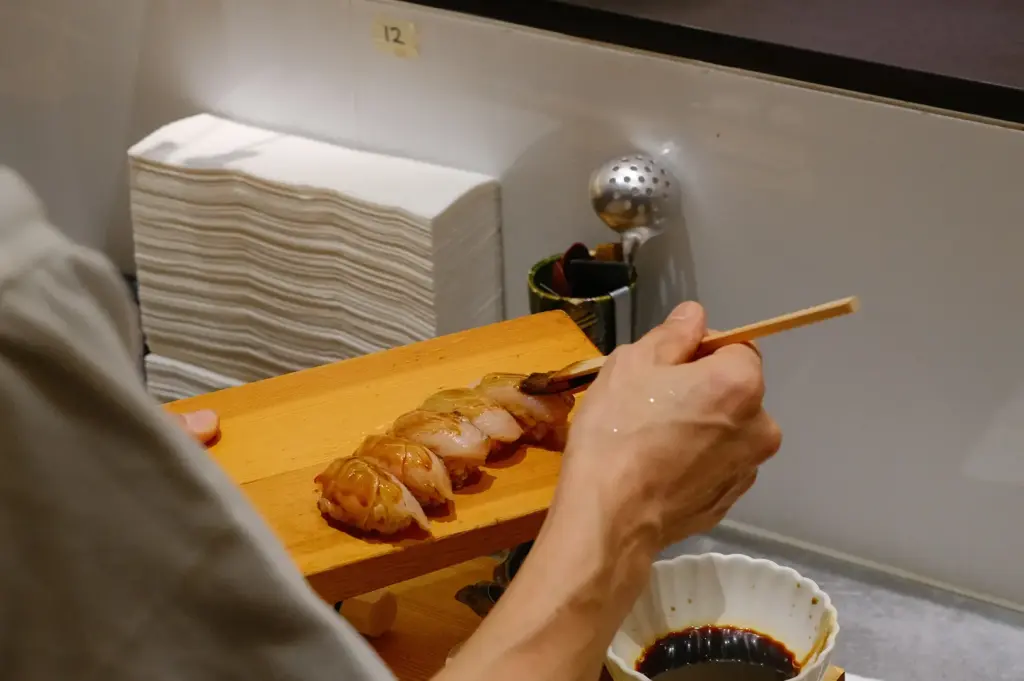
Fast does not have to mean careless. This is where Sushi To Sumi’s omakase proposition becomes more interesting.
The restaurant is built around Araya-san’s seafood network and the same philosophy behind Araya Shouten: the fish comes first. Sushi To Sumi’s chef has his own supply lines, so it would be inaccurate to say every piece comes directly from Araya Shouten, but the two businesses share the same broader standard and founder. Sushi To Sumi exists as a place where diners can experience what happens when serious Japanese seafood is put directly in front of them.
The chef trained at Hashida, a Michelin-starred Singapore restaurant, grew up around sushi through his father’s restaurant in Japan, and has creative control over the daily menu, with the selection changing according to what is seasonal and available.
That last part matters. The menu is not supposed to feel like a fixed checklist of the same fish every day. When the catch changes, the experience changes with it.
Side Quest Three: The Ocean Gets a Vote
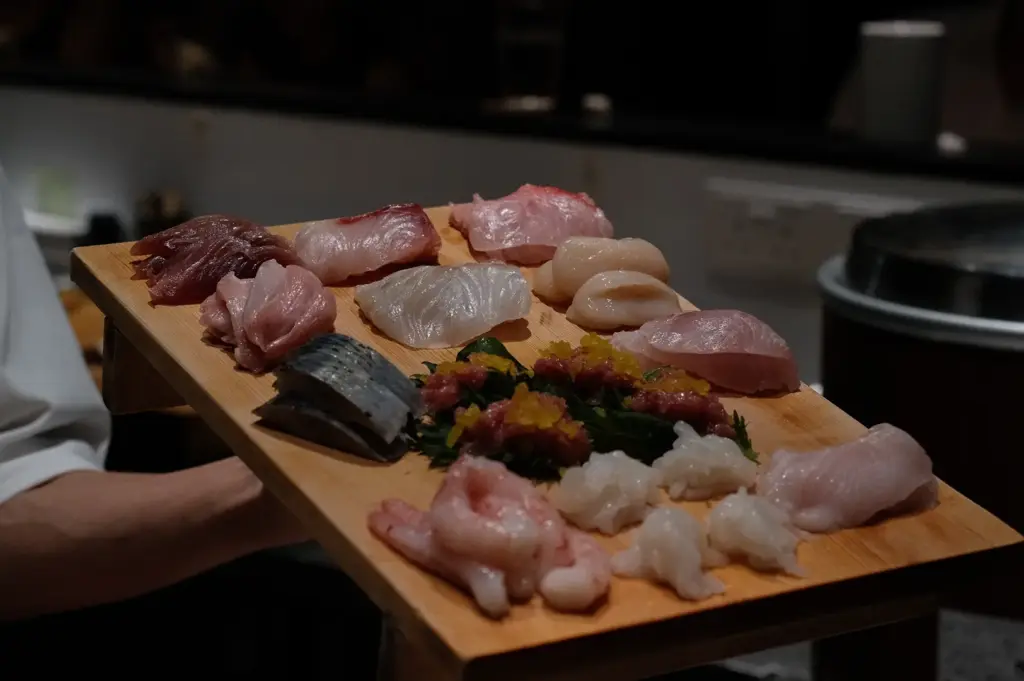
This might be one of the nicest things about a daily-changing sushi menu: you have to stop ordering on autopilot.
Depending on availability, Sushi To Sumi may feature seasonal or less familiar fish such as Gimpo, Nishin, or Gindara. The bigger point is that the menu follows the fish rather than forcing the fish into a permanent template.
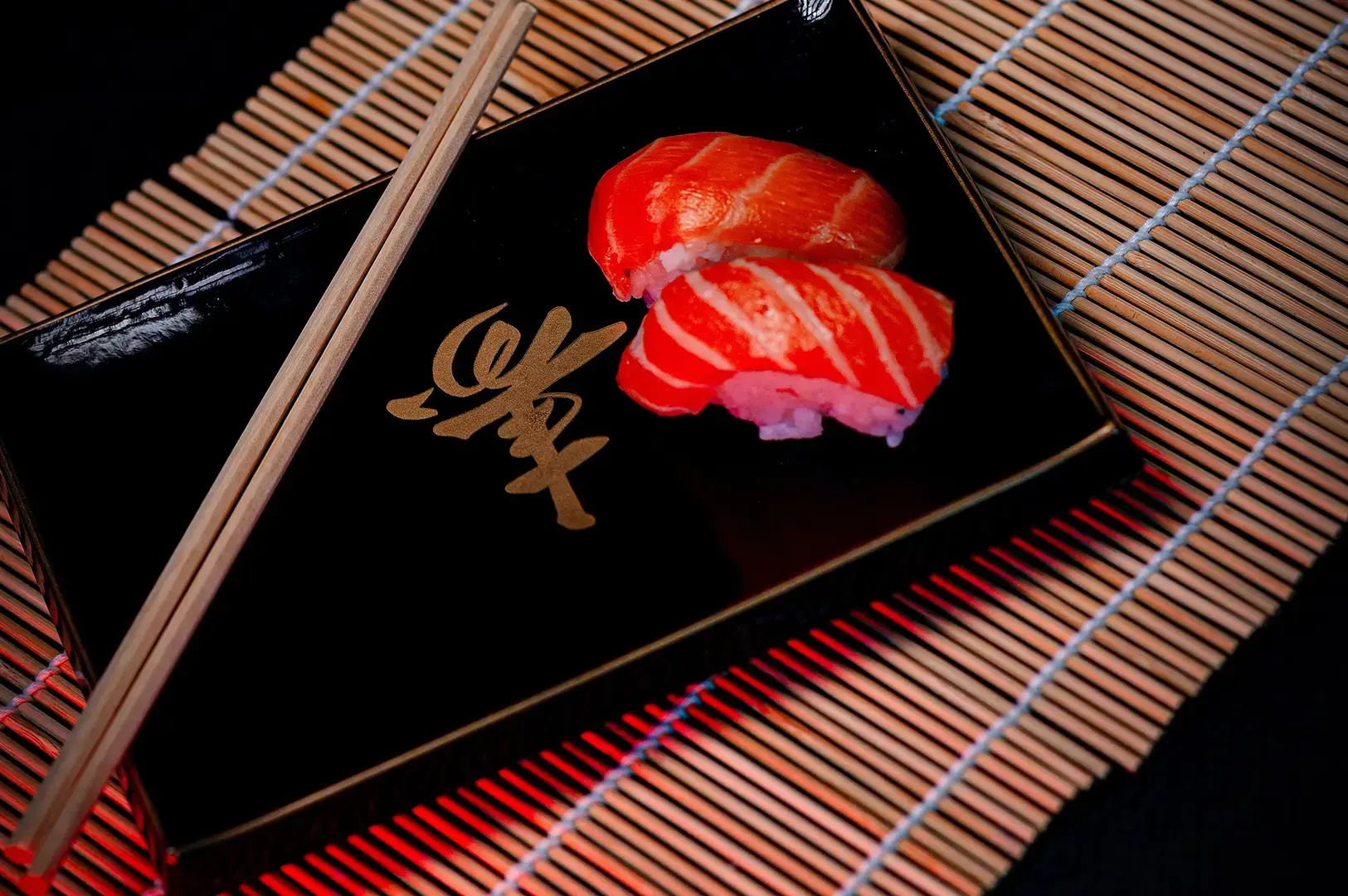
You do not need to know every Japanese fish before sitting down. You simply let the chef decide what is worth eating that day. Some fish work as sashimi, some belong on nigiri, and others benefit from the heat of genuine Japanese binchotan charcoal. The format may be fast, but the thinking behind the food is not.
Side Quest Four: Sushi, Then Fire
The “Sumi” in Sushi To Sumi refers to charcoal, specifically the binchotan used for grilled and aburi items. It adds another dimension beyond cold sushi, moving from delicate nigiri to the clean smoke and heat of charcoal.
The restaurant also makes use of the whole fish. Bones from Araya Shouten’s cutting can become soup at Sushi To Sumi, while kama, or the collar, can be grilled. It is a practice associated with the way fishing families use seafood: nothing is wasted simply because it is not the most photogenic cut.
The Final Question: Does Omakase Need Three Hours?
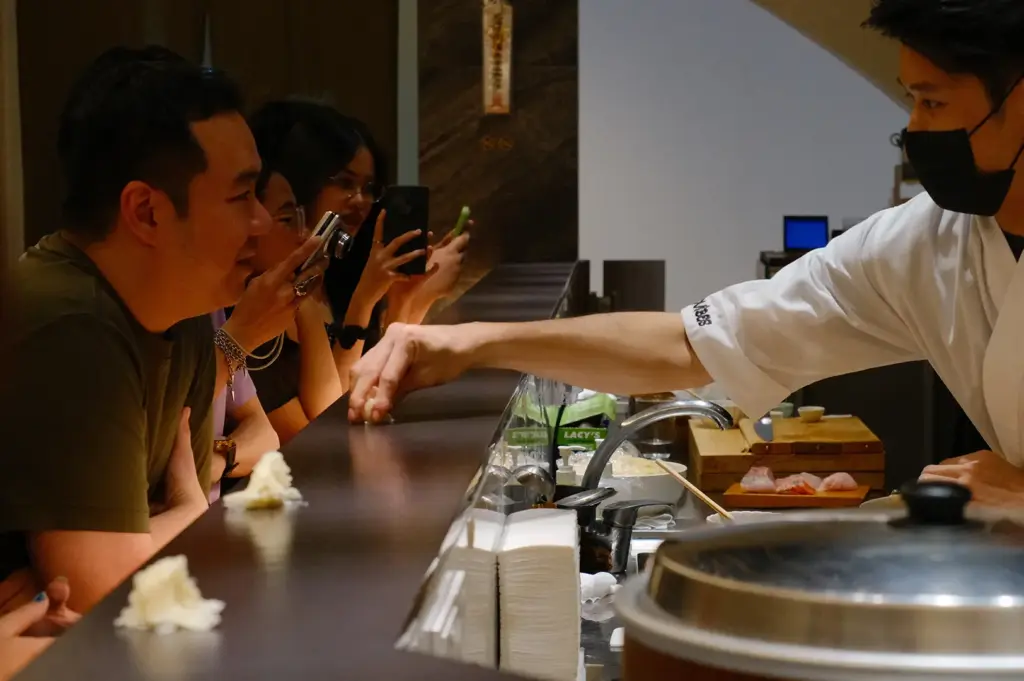
Araya-san’s position is straightforward: a two- or three-hour omakase is too long for one meal. Sushi To Sumi instead aims to offer fish of a grade he compares with roughly $300 to $350 omakase experiences elsewhere, in a $108 format that takes around 30 to 45 minutes. That is his value proposition, rather than a claim that every diner will experience the two formats as identical.
Sushi To Sumi is not trying to recreate a long, ceremonial sushi counter in miniature. It is offering something different: serious fish, chef-led choices, and a distinctly Japanese standing format that respects the reality of a working day.
SENDs Take
Maybe the most luxurious thing about Sushi To Sumi is not the fish, the charcoal, or even the omakase.
It is the time.
You can walk into Raffles Place, stand at the counter, eat thoughtfully prepared sushi, discover a fish you might not have ordered yourself, and still have enough of the afternoon left to return to your desk.
That feels very modern, but the idea behind it is much older. Sushi was not always a three-hour occasion; sometimes it was simply good food eaten quickly by people with somewhere else to be.
Sushi To Sumi takes that idea and puts it right where Singapore’s working day happens.
So yes, your omakase just got a lunch break. And for once, you might actually make it back to the office on time.