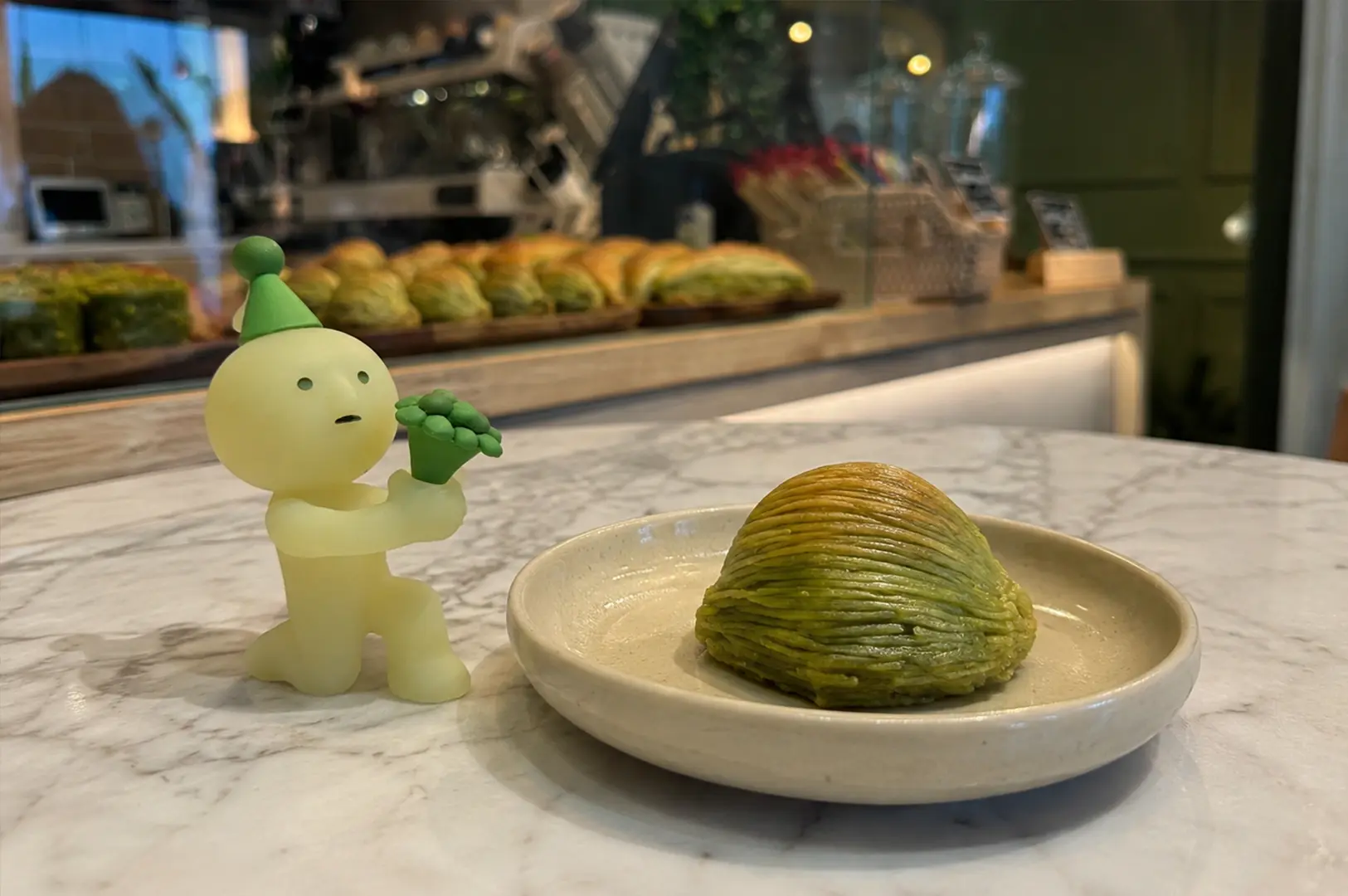


When I was in secondary school, e-sports cafés were a weekly ritual.
Every Friday after classes, my friends and I would pool together whatever money we had, book a few hours at the nearest gaming café, and spend the entire afternoon playing Dota, Counter-Strike, or whatever game everyone was obsessed with at the time. The PCs were faster than anything we had at home, the chairs felt premium, and there was something satisfying about hearing an entire room erupt after a clutch play, then having the power to eat and play at the same time. It was heaven.
Back then, gaming cafés made perfect sense.
Not everyone owned a gaming PC. Building one was expensive, laptops weren’t powerful enough, and internet connections weren’t always reliable. If you wanted the best gaming experience, you went to a gaming café.
Fast forward to 2026, and things look very different.
Gaming hardware has become far more accessible. Many students own gaming laptops. Mid-range gaming PCs are more affordable than ever. Fibre broadband is standard in most households, and online gaming is no longer limited by technology the way it once was.
So the question is obvious.
Do people still need e-sports cafés?
The answer is surprisingly yes, but probably not for the reasons they existed before.
Today, gaming cafés are less about access and more about experience.
You don’t visit because you can’t play at home. You visit because you want to play and eat with your friends in the same room.
There’s a difference between talking through Discord and sitting side-by-side with five people while playing the same game. The energy is different. The food hits different. The conversations are different. Even losing feels more entertaining when everyone is physically there.
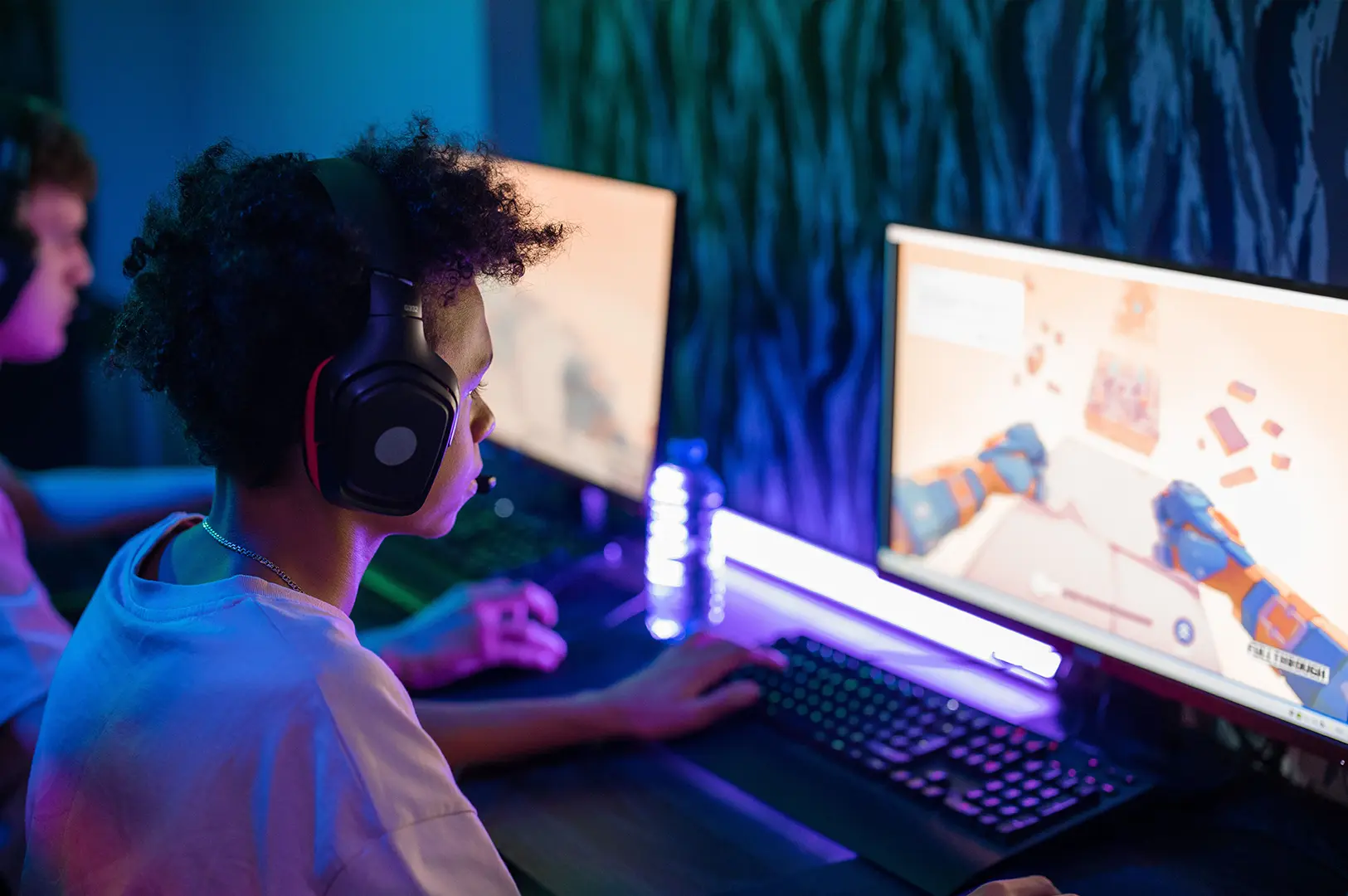
Many modern e-sports cafés seem to understand this shift. Instead of competing against home setups, they’re creating spaces that feel more social. Some offer private rooms, food and drinks, streaming setups, console gaming sections, and even event nights for specific gaming communities.
In a way, they’ve become closer to cafés than traditional cyber cafés.
The irony is that while technology made gaming more individual, e-sports cafés have become one of the few places making it social again.
Of course, the industry isn’t as dominant as it was during the early 2010s. Walk into most gaming cafés today and you probably won’t see every seat occupied. The market has matured, and the audience is smaller than before.
But smaller doesn’t mean irrelevant.
If anything, e-sports cafés have found a clearer purpose. They’re no longer trying to be the only place where you can game. Instead, they’re becoming places where gaming becomes a shared activity.
And honestly, I think that’s a healthier role.
Because when I look back at my favourite memories from those cafés, I barely remember what graphics card the PCs had.
I remember the people sitting next to me.
The games were just the excuse to be there.
Discover more food, café, and culture editorials on Social Eats N Drink, visit us by clicking here: https://socialeatsndrink.com/