
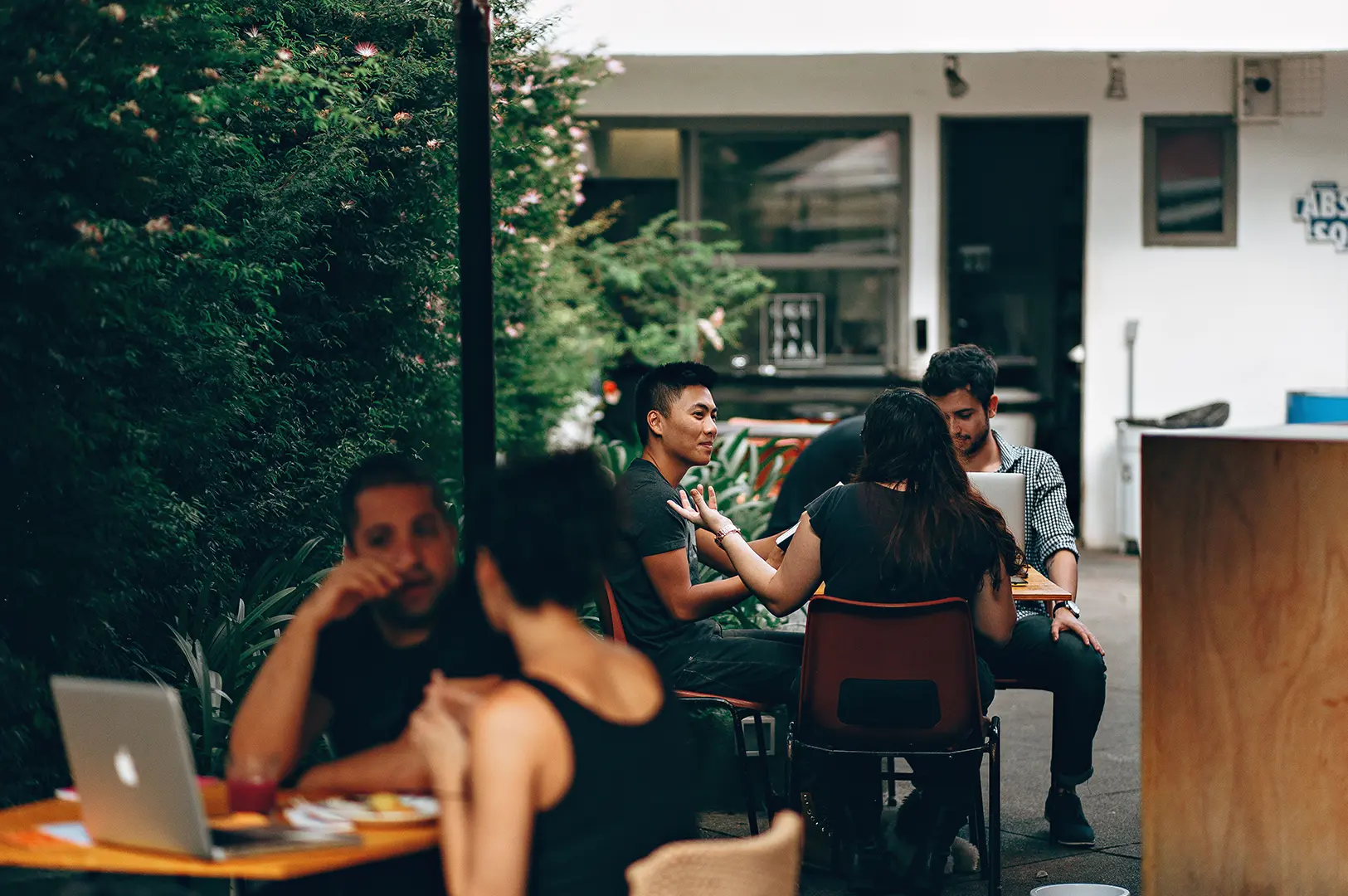
There was a time when going to a cafe meant ordering coffee, maybe having brunch, talking for a while, then leaving when the cup was empty. Now, walk into certain cafes on a weekday afternoon and it feels like you’ve entered a soft launch coworking space. Laptops are open, chargers are stretched across corners, headphones are in, and one iced latte is somehow expected to cover six hours of table usage.
I get why it happens. Cafes are comfortable. They have air-conditioning, decent lighting, background noise, and coffee within reach. For students, freelancers, remote workers, and people who just need somewhere outside the house, a cafe feels like the easiest solution. It is less formal than a library, cheaper than a coworking membership, and more socially acceptable than sitting in a mall corridor with your laptop open.
But the problem is that cafes were not really built for this level of occupation. A table that could serve three different customers in two hours now gets held by one person and a half-finished drink. For smaller cafes, that matters. Rent is not cheap, staff still need to be paid, and every seat has value. When too many people treat the space like a rented desk, the business quietly absorbs the cost.
That does not mean working from cafes is wrong. I do it too sometimes. There is something genuinely useful about leaving the house, ordering a coffee, and getting work done in a place that feels alive but not chaotic. The issue is more about awareness. If I know I am staying longer, I should order more. If the cafe is packed, maybe I should not take the biggest table alone. If there is a visible queue, maybe that is my sign to wrap up.
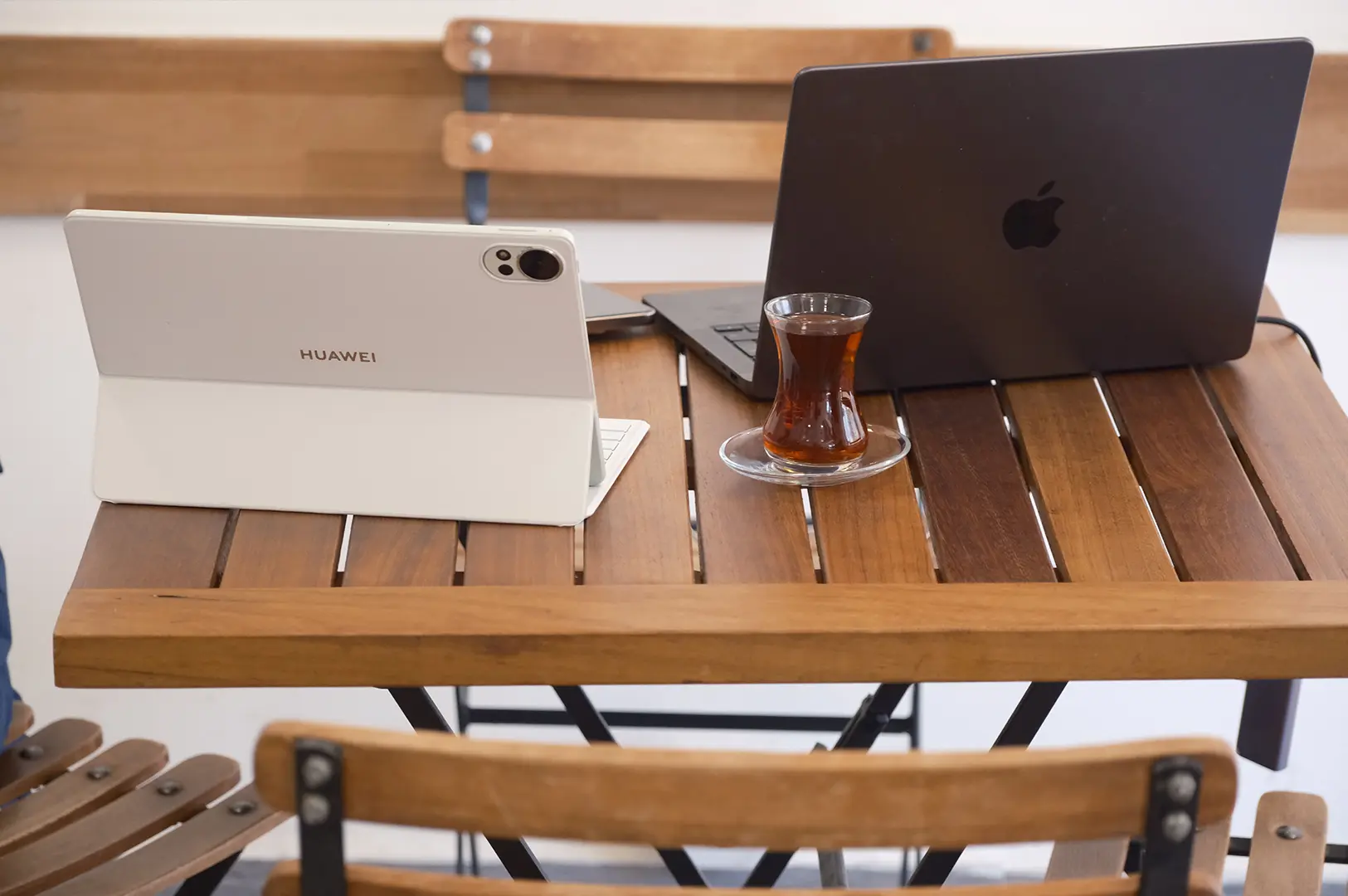
Cafes also play a part in this shift. Some places clearly invite laptop culture with power plugs, long communal tables, Wi-Fi, and quiet corners. Others are more food-focused and depend on faster turnover. The confusion happens when customers assume every cafe is open for long-stay work, even when the setup says otherwise.
I think this is where cafe culture has changed. Cafes in Singapore are no longer just food and drink spaces. They have become emotional utility spaces. People use them to work, reset, escape home, meet friends, study, and feel productive. That is not necessarily bad. It just means we need better etiquette around how we use them.
Maybe the future is clearer boundaries. Laptop-friendly hours. Minimum spend after a certain time. No-laptop zones during weekends. It may sound strict, but it protects both sides. Customers know what to expect, and cafes can stay profitable without feeling awkward about enforcing common sense.
At the end of the day, cafes can be many things. But they are still businesses first, not free offices with nicer lighting.
Discover more food culture hot takes on Social Eats N Drink.