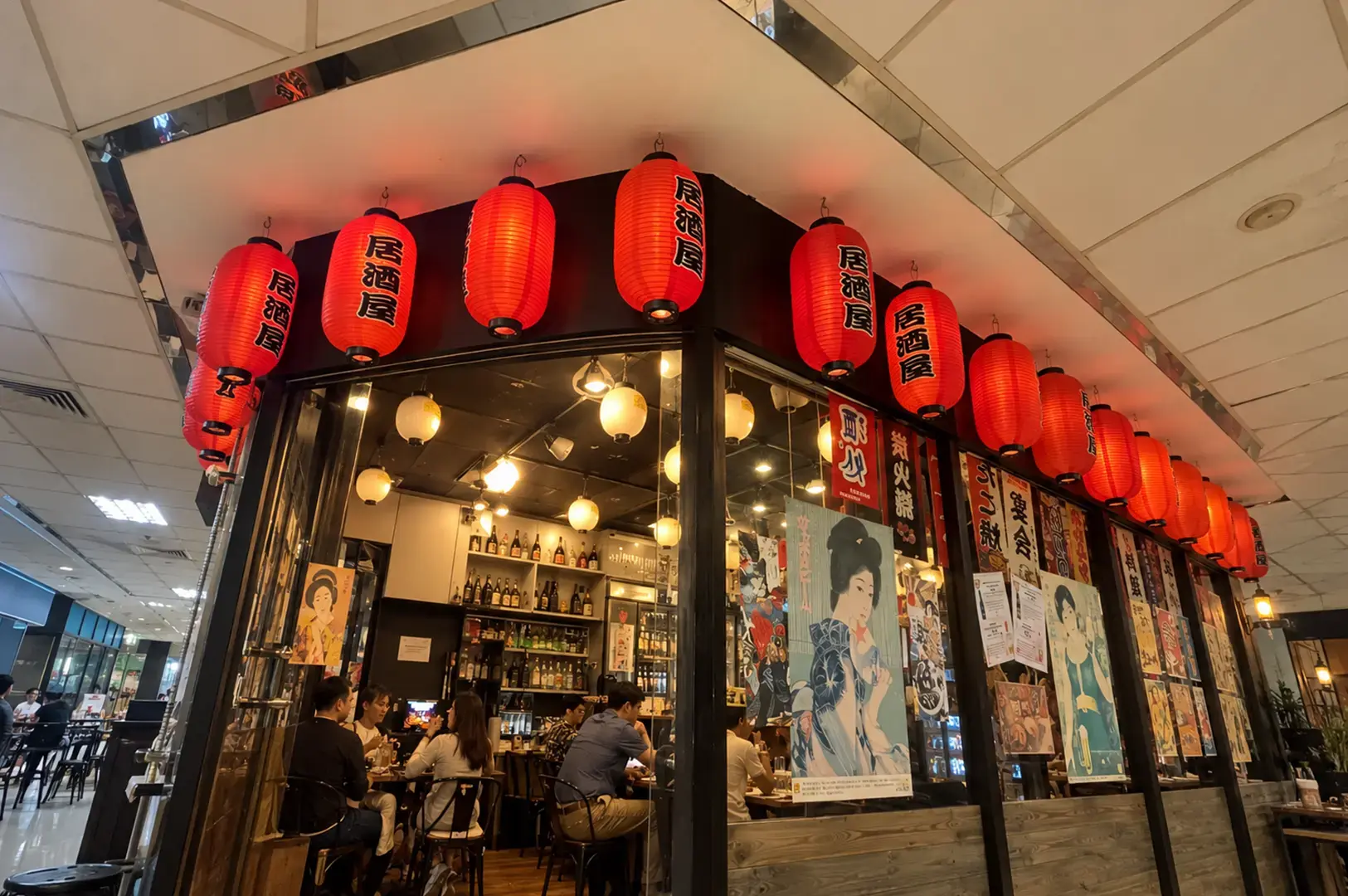

For years, I filed izakaya under “Japanese bar” and didn’t think much further. I pictured lanterns, a wall of sake bottles, salarymen loosening their ties, and food as a sideshow to the drinking. That picture isn’t entirely wrong, but it’s incomplete enough to get you a disappointing meal.
The first time I went properly, I made the classic mistake. I ordered the way I would at a Western restaurant: one starter and one main each, all at once, plus a round of drinks. The table filled up in minutes, the fried dishes like chicken wings and french fries went soggy while we worked through the sashimi moriawase, and we were done (and slightly overfed) in under an hour. I left thinking izakaya was overrated. In hindsight, I’d simply used it wrong.
So here’s my case for rethinking it, and a practical guide to getting it right in Singapore, where many izakaya restaurants offer a range from small izakaya to larger izakaya with chic vibes.
What Is Izakaya? The Izakaya Meaning Beyond "Japanese Bar"
The Japanese word izakaya roughly describes a place where you sit and drink alcohol, but in practice, a Japanese izakaya is a casual drinking-and-dining establishment where food and alcohol carry equal weight. Dishes are shared, and you order gradually over the evening rather than all at the start.
That last point is the one most people miss. The izakaya meaning isn’t about décor or a sake bar drink menu. It’s about rhythm: a drink, a few small dishes, another drink, a few more plates, and so on until someone suggests noodle dishes. You can absolutely have a full dinner at one, and many izakaya tend to serve traditional izakaya cuisine alongside modern twists.
I think the “Japanese bar” label sells the category short. A good izakaya menu can run from sashimi and raw fish to grilled meat, grilled chicken skewers, tofu, noodles, rice dishes and seasonal specials featuring fresh seasonal produce. That’s not bar snacks. That’s a kitchen run by skilled chefs.
How the Izakaya Experience Actually Flows
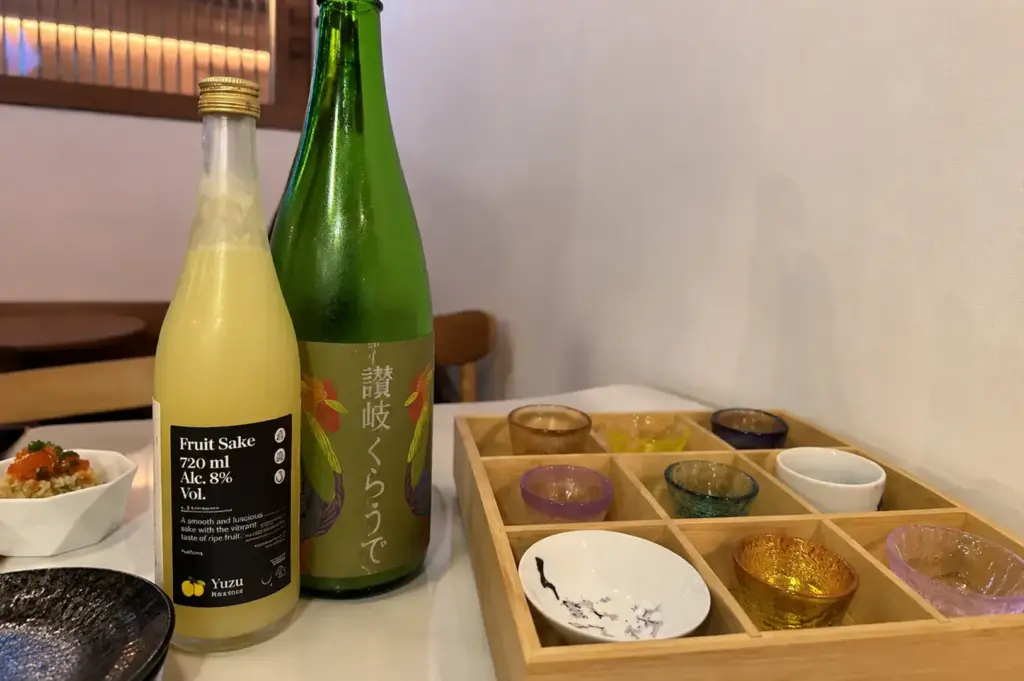
Once I understood the flow, everything clicked. Here’s the order I’d suggest for a first visit to fully get that authentic flavours:
Drinks first. Japanese style cocktail, Japanese beer, a highball, house sake, sake bar specials, or chu-hi are the usual openers. Non alcoholic drinks like oolong tea and soft drinks are also available.
Something light and quick. Japanese food such as: Edamame, cold tofu, pickles or a sashimi moriawase (assorted raw fish) for the table.
Grilled skewers. Yakitori and other grilled chicken skewers, maybe some grilled vegetables or wagyu steak.
Fried and grilled dishes. Karaage (fried chicken), chicken wings, kani cream croquette, or grilled fish.
Carbs to finish, if you’re still hungry. Rice, noodle dishes or ochazuke.
This isn’t a strict rule; it just tends to make the meal feel balanced. Cold and raw first, richer and heavier later. Expect the whole thing to take around two hours if you’re doing it properly.
Pro tip: Order in rounds of two or three dishes. Hot food arrives hot, the table doesn't drown in plates, and you won't over-order. It's the single biggest lesson from my own early mistake.
Izakaya Food: Classic Izakaya Fare and What to Order
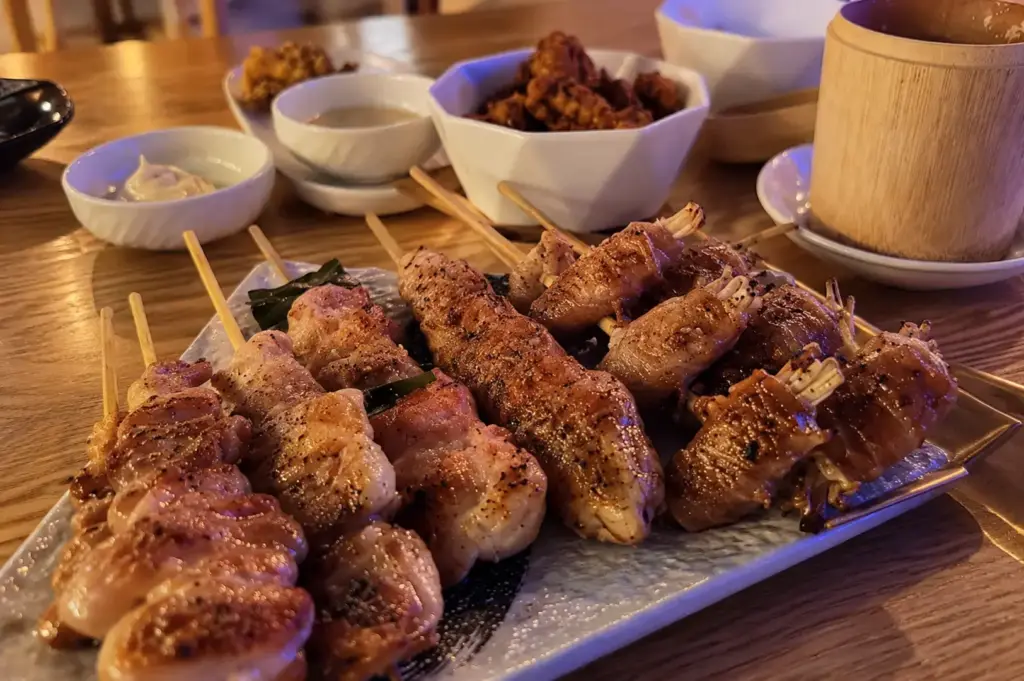
If you’re nervous about the menu, start with the familiar. For two people, a balanced first spread might look like this:
Edamame or another cold appetizer
One sashimi dish or sashimi moriawase
Four to six grilled skewers
Karaage or another fried dish like chicken wings or kani cream croquette
One grilled fish or vegetable dish
A rice or noodle dish if you’re still going
That’s classic izakaya fare, and it’s a safe foundation featuring all the izakaya favourites. For pricing context, Izakaya Play lists basic skewers at around S$2.80 to S$3.80 each, with larger grilled dishes in the S$10 to S$30 range. Treat that as an example, not a universal rate.
One misconception I’d push back on: izakaya food isn’t just yakitori. Japanese small plates cover a huge range, including oden, traditional izakaya cuisine, tofu preparations and seafood. Yakitori is common, but a menu built only around skewers is a specialist, not the definition.
Is a Friendly Traditional Izakaya Okay If I Don't Drink or Speak Japanese?
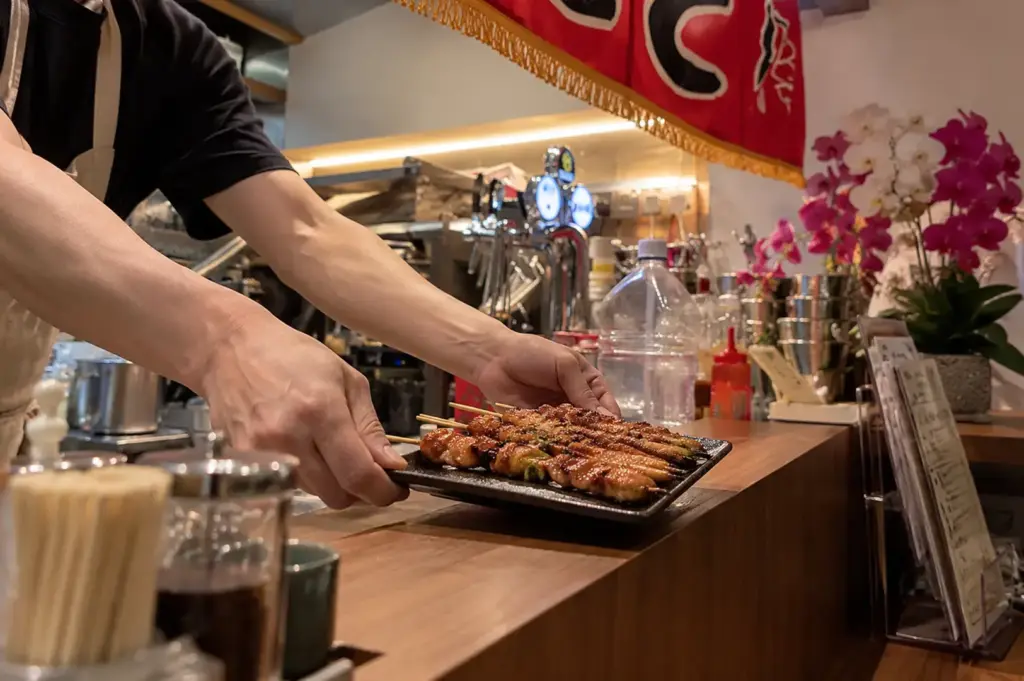
Two fears come up constantly, so let’s deal with them directly.
Do you have to drink alcohol? No. Beer, sake, shochu, whisky highballs and umeshu are standard, but soft drinks, tea and other non alcoholic drinks like oolong tea are normally available. I’ve brought non-drinking friends who enjoyed it as much as anyone, because they were there for the food and the company. A friendly traditional izakaya doesn’t stop being one just because your glass holds oolong tea.
Will you need Japanese? In Singapore, usually not. Menus are commonly in English, often with Japanese names alongside translations. At a dedicated sake bar or places like Izakaya Hikari and Neon Pigeon, staff will usually help you choose, which I’d encourage you to accept rather than bluff your way through the extensive menu.
Is it noisy and smoky? Sometimes, but not always. Traditional izakaya culture is lively, yet Singapore’s scene includes everything from loud late-night spots to tiny, quiet counters. The word izakaya tells you about the format, not the volume. If a venue specializes in charcoal grilling, expect your clothes to carry some of the evening home with you. Cigarette smoke is still common despite the indoor smoking ban, but many izakaya have private rooms to escape it.
What It Costs: Izakaya Singapore Bills, Otoshi and the "++"
There’s no standard price, because izakaya restaurants range from neighborhood haunts to polished sake bars. Here’s a realistic working range per person:
Style of evening | Approximate spend |
|---|---|
Light meal, a few plates, little or no alcohol | $25–40 |
Typical dinner, shared food, 1–2 drinks | $40–70 |
Sashimi-heavy or sake-focused night | $70–120+ |
The biggest swing factor is almost always alcohol, especially sake and Japanese whisky.
Then there’s the “++”. Many menus show prices before a 10% service charge and 9% GST, and the GST applies on top of the service charge too. In practical terms, a S$50 spend lands closer to S$60. I’d budget with that in mind rather than act surprised at the end.
Otoshi is the other one to know. In Japan, most izakaya automatically serve a small appetizer that effectively works as a cover charge. In Singapore, this is not universal, and you shouldn’t assume it applies everywhere. If an unordered dish appears at the start, just ask politely whether it’s complimentary or chargeable.
Etiquette Without the Anxiety
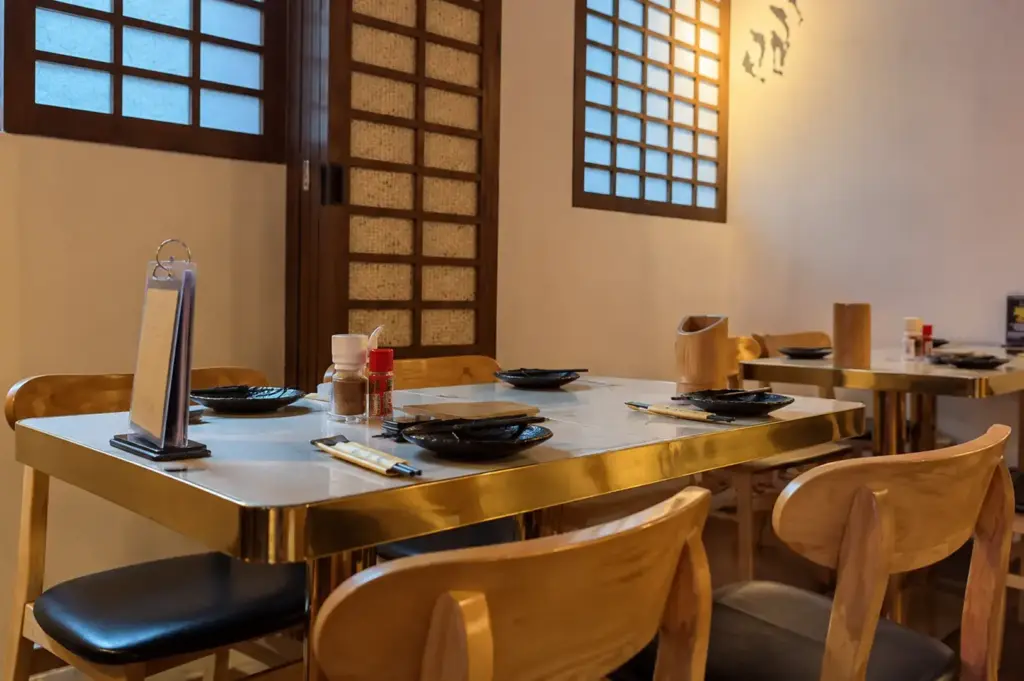
I’d argue most etiquette guides over-ritualize this. You need a handful of basics, not a ceremony.
Transfer food from shared plates onto your own small plate rather than eating straight from the communal dish.
Don’t stick chopsticks upright in rice.
Don’t pass food chopstick to chopstick.
Don’t point at people or drag plates around with your chopsticks.
Traditional Japanese drinking customs, like pouring for others instead of yourself, come from more formal work settings. For a casual meal here, a simple “kanpai“ before the first sip together is more than enough. Nobody is grading you.
Dress is relaxed too. Smart-casual covers almost everywhere; a premium CBD sake bar may feel more polished, but formal dress codes are rare for an authentic izakaya experience.
Izakaya Restaurants in Singapore: Styles Worth Knowing
Singapore proves there’s no single template, which is exactly why I find the scene interesting.
The CBD after-work spot. Telok Ayer, Tanjong Pagar and Stanley Street are natural izakaya territory, because the format exists to help colleagues decompress. The local version looks familiar: finish work, order ice cold beer or reasonably priced sake, share grilled chicken skewers and sashimi, stay for several rounds.
The lively late-nighter. Hachimaru Izakaya at 349 Beach Road serves sashimi, skewers and fried snacks like fried chicken and chicken wings, and its dinner service runs late, which makes it useful for supper or a second stop. Hours change, so check before you go.
The neighborhood pub. Morinaga Izakaya at Midpoint Orchard is small, cozy and unfussy, with drinks and Japanese small plates rather than fine-dining formality. It leans into Kitakata-style flavors, and I like it for exactly that lack of pretense.
Izakaya Hikari — a small izakaya hidden gem in Fortune Centre, known for fresh sashimi, grilled chicken, wagyu steak and classic izakaya fare.
The Public Izakaya — a larger izakaya with a lively atmosphere, Public Izakaya offers all the izakaya favourites including rich flavoured grilled meat and fried chicken.
Neon Pigeon — not traditional but a fun spot with standout dishes like tokyo hummus and kfc bao alongside fancy cocktails.
Orchard Plaza and the Hidden Gem Question
I’m wary of calling anything a hidden gem, because the phrase usually means “I found it on social media last week.” Orchard Plaza, though, genuinely rewards curiosity. The building has developed its own micro-culture of small Japanese bars and counter-style spots, some easy to miss and with very limited seating.
Pro tip: Small counter venues can fill with just a handful of guests. Call ahead or go early, especially in a group.
It’s also worth noting that Singapore izakaya often behave more like full restaurants than their Japanese counterparts, with donburi, sushi and larger mains alongside drinking snacks. A chain izakaya and a tiny counter can share the same label while delivering very different nights, whether the sign reads Izakaya Hikari or nothing at all.
Good Food, Good Company and the Real Izakaya Spirit
If you take one thing from this guide, let it be this: an izakaya isn’t defined by sake bottles or lanterns. It’s defined by the way people eat and drink, casually, communally and usually one round at a time. Think of it as a relaxed hangout with you and your friends
My advice for your first visit is simple. Bring a few friends, order a drink and two light dishes, and let the evening build from there. Don’t chase every item on the extensive menu, don’t stress over etiquette, and keep the “++” in mind when you tally up. Do that, and you’ll find what I missed the first time: good food, unhurried company and a format that rewards you for staying awhile.