
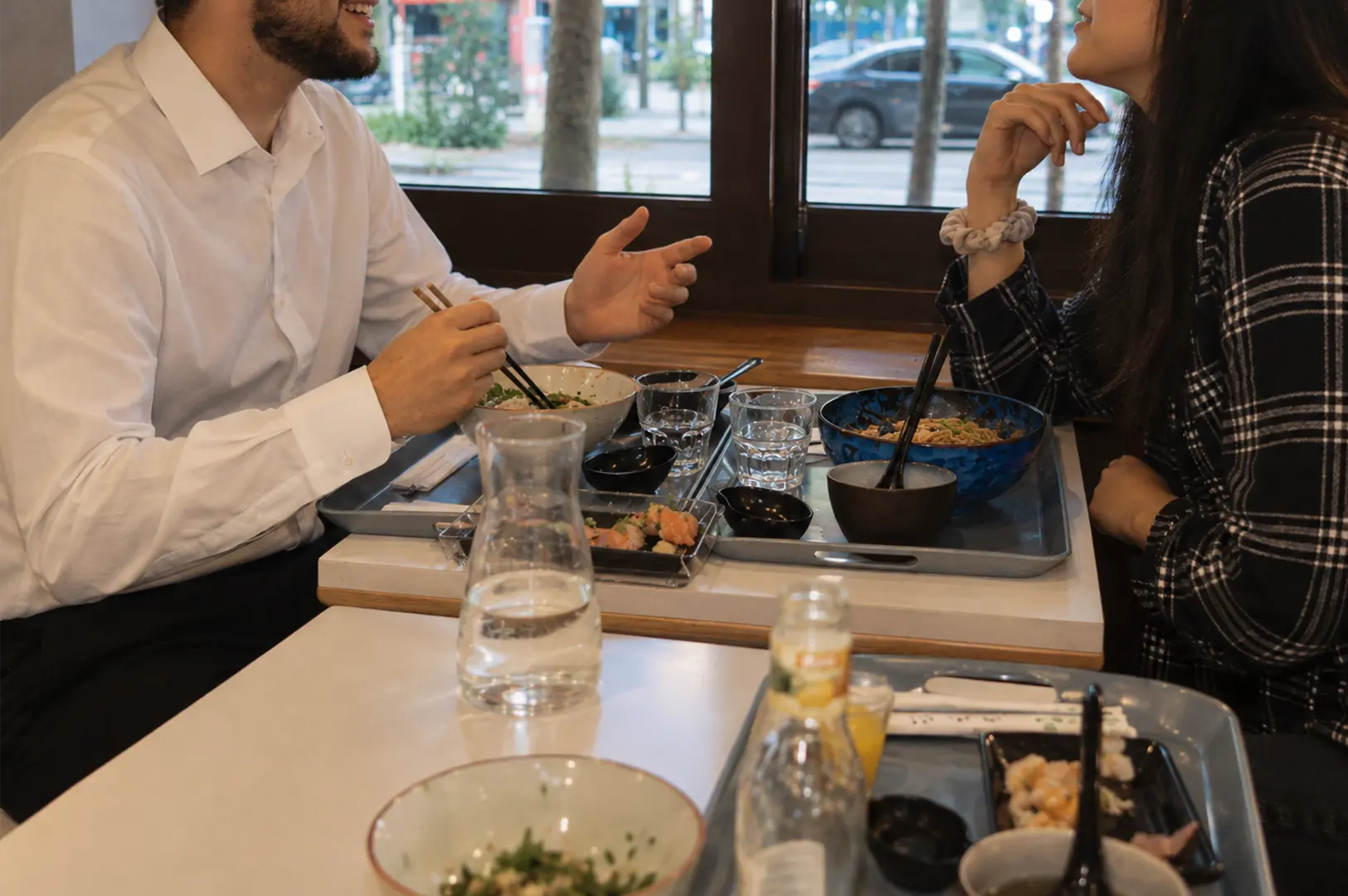
I used to think restaurant dates were mainly about choosing somewhere nice, wearing an outfit I had already overthought, and hoping the conversation would not turn awkward before the food arrived. Now, I think they are one of the fastest ways to learn how compatible two people might actually be.
Food preferences are only part of it. I do not need someone to love every dish I love, but their attitude towards trying things matters. There is a difference between saying, “That is not really for me,” and making someone feel strange for enjoying it. A person who refuses to share anything, judges every unfamiliar ingredient, or complains before tasting the food can make a meal feel smaller than it needs to be.
Ordering habits reveal a lot too. Some people want to plan every dish carefully, while others order whatever sounds good and figure it out later. Neither approach is wrong, but the difference becomes obvious when one person wants a relaxed dinner and the other turns the menu into a financial spreadsheet. Even deciding whether to share can become a tiny negotiation about boundaries, generosity, and communication.
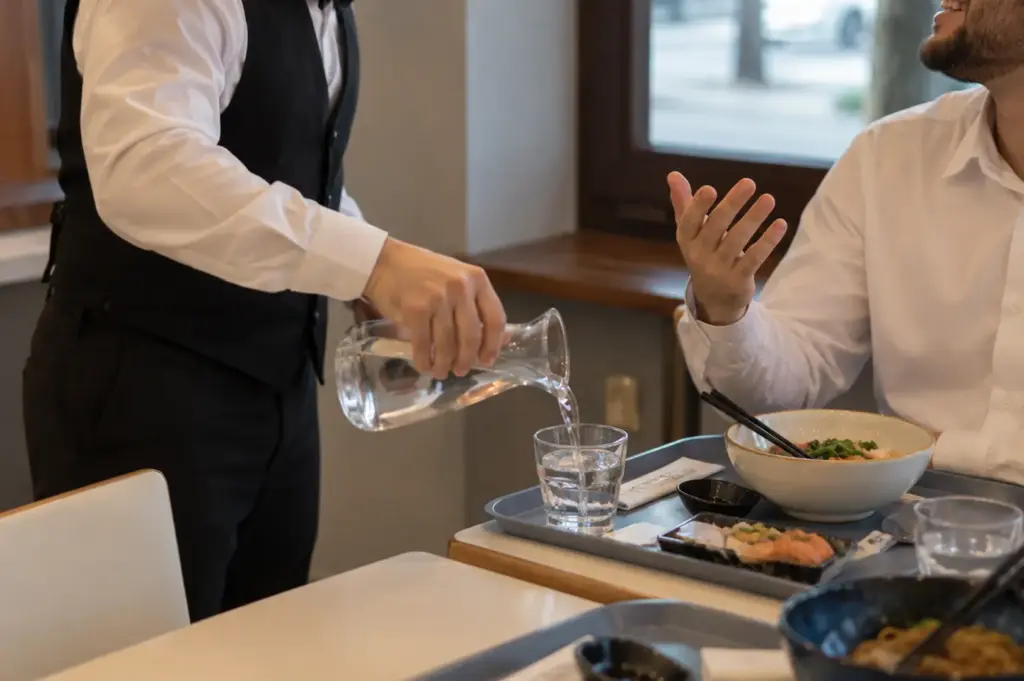
Then there is the way someone treats the staff, which is probably the clearest test of all. I pay attention to whether they say thank you, whether they make eye contact, and how they respond when something goes wrong. A delayed dish or incorrect order is frustrating, but it is not an excuse to speak down to someone. If a person becomes rude the moment they feel inconvenienced, I start wondering how they behave in other situations where patience is required.
Money can also make restaurant dates unexpectedly revealing. Who pays, whether the bill is split, and how openly the conversation happens can show whether two people have similar expectations. I do not think there is one correct arrangement, but awkward assumptions can create tension. I would rather someone communicate clearly than perform generosity and quietly resent it later.
Even small details matter. Do they order for you without asking? Do they keep scrolling while you are talking? Do they complain about the price of everything after choosing the restaurant themselves? Do they make you feel guilty for ordering dessert, or do they immediately suggest sharing one?
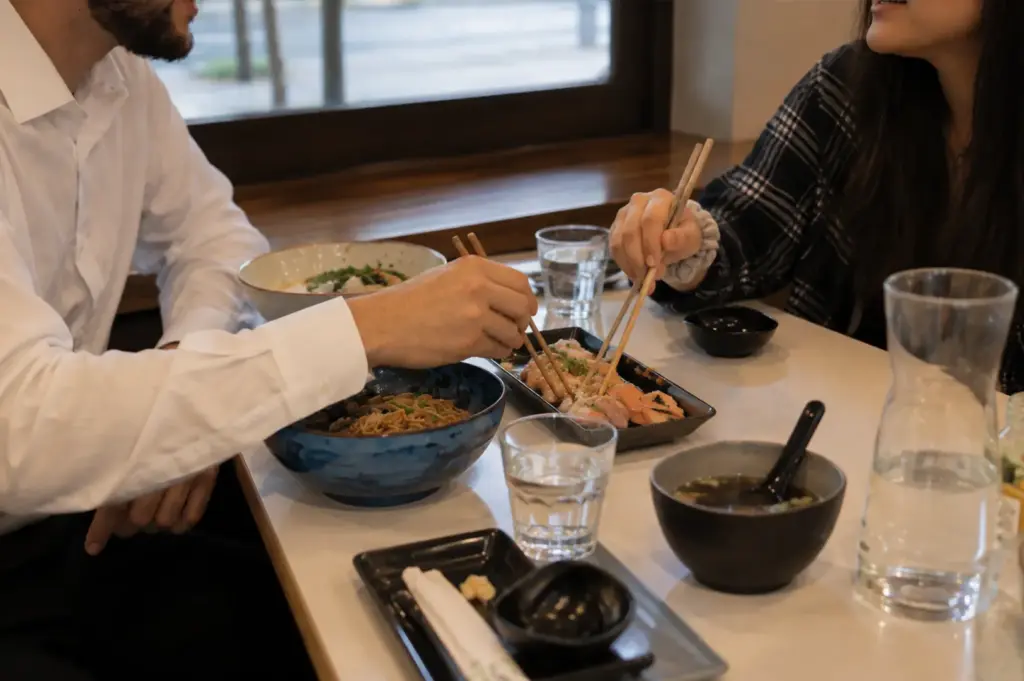
A restaurant date works as a compatibility test because food brings out everyday habits. It shows how someone makes decisions, handles disappointment, shares space, spends money, and treats people who are serving them. These are not dramatic relationship moments, but they often tell you more than carefully prepared answers to serious questions.
Of course, one strange meal should not decide an entire relationship. People can be nervous, distracted, or simply have a bad day. But patterns are harder to ignore. If every order becomes an argument and every waiter becomes a target, the issue probably is not the restaurant.
I still want dates to feel fun, not like silent assessments over pasta. But I have learned that how someone behaves at the table can tell me whether I would enjoy sharing many more meals with them.
Click here to visit Social Eats N Drink for more personal stories, food culture conversations, and honest takes on modern dining.