
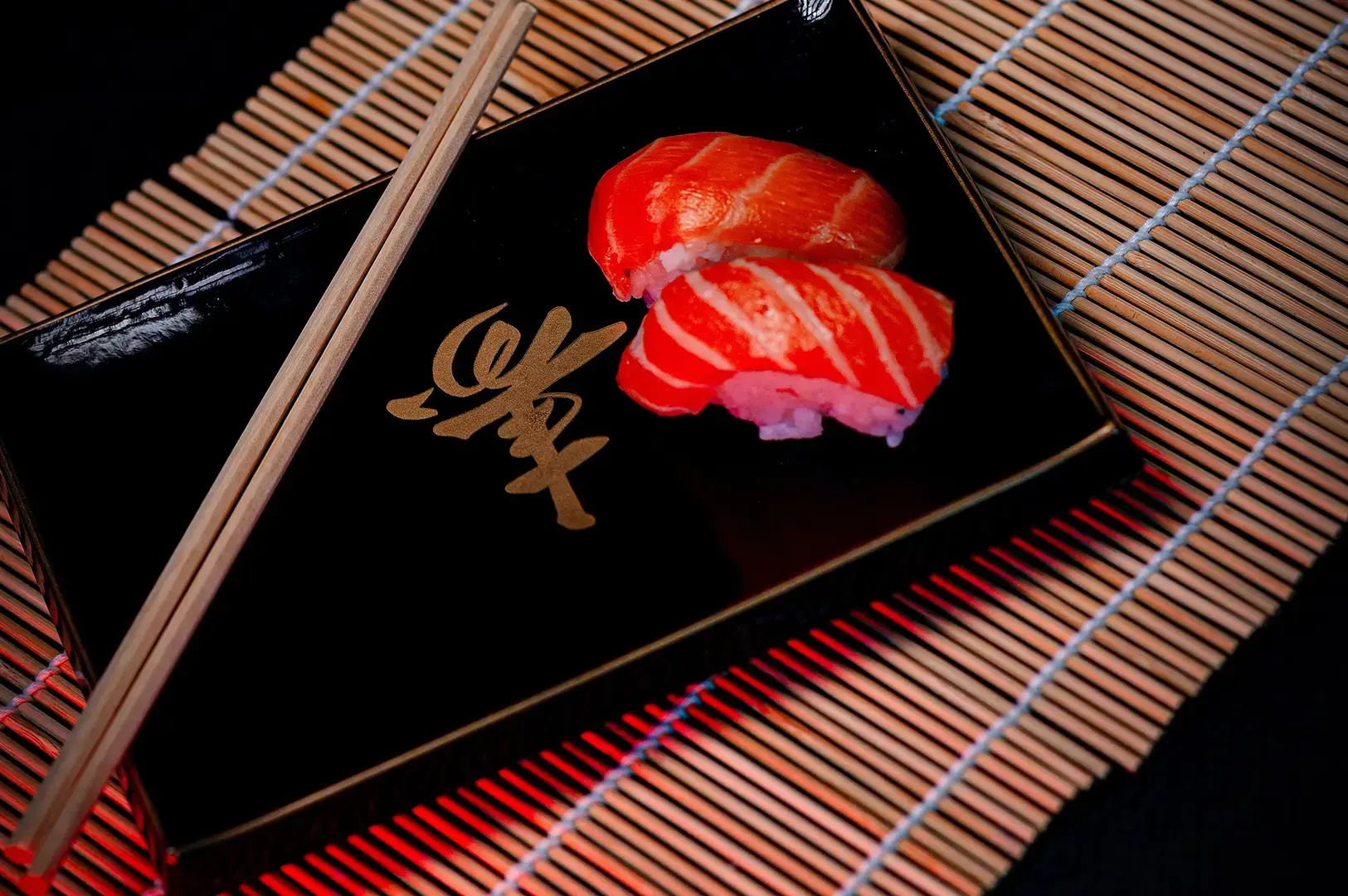
Picture the sushi most people know today. Raw fish laid over sushi rice. A quiet sushi bar. Premium fatty tuna, careful hands, a bill that asks something of you. Sushi is more just eating raw fish.
Now let that picture go, because it isn’t where the sushi history starts.
Sushi began as something far more practical. Long before omakase counters and prized cuts of toro, it was a way to keep fish from spoiling using fermented rice, salt, and time. The version diners recognise now took shape much later, in Edo, the city we call present day Tokyo.
So how did fermented fish packed in rice become the hand pressed nigiri sushi served across sushi counters, from Tokyo to Little Tokyo in Los Angeles, and all over the world? The answer moves through centuries, and most of it has little to do with luxury.
Sushi Began as a Way to Keep Fish: The Early History of Sushi
The earliest form was narezushi, a type of fermented sushi, and it wasn’t a meal so much as a preservation method.
Salted fish was packed with cooked rice, then left to ferment. The fermentation process produced lactic acid over weeks or months, and that acidity kept the fish edible without refrigeration. In its older forms, the rice mostly did the work of preservation and was often discarded before eating. What remained was the preserved fish, sour and intense, nothing like the sushi served today.
Funa-zushi from Shiga Prefecture survives as an example of this tradition, still made and eaten as a link to how things once were. The technique is thought to have reached Japan through wider Asian food-preservation practices tied to rice cultivation in Southeast Asia and ancient China, though the exact routes remain uncertain.
When the Rice Became Part of the Meal: The Evolution of Fast Sushi
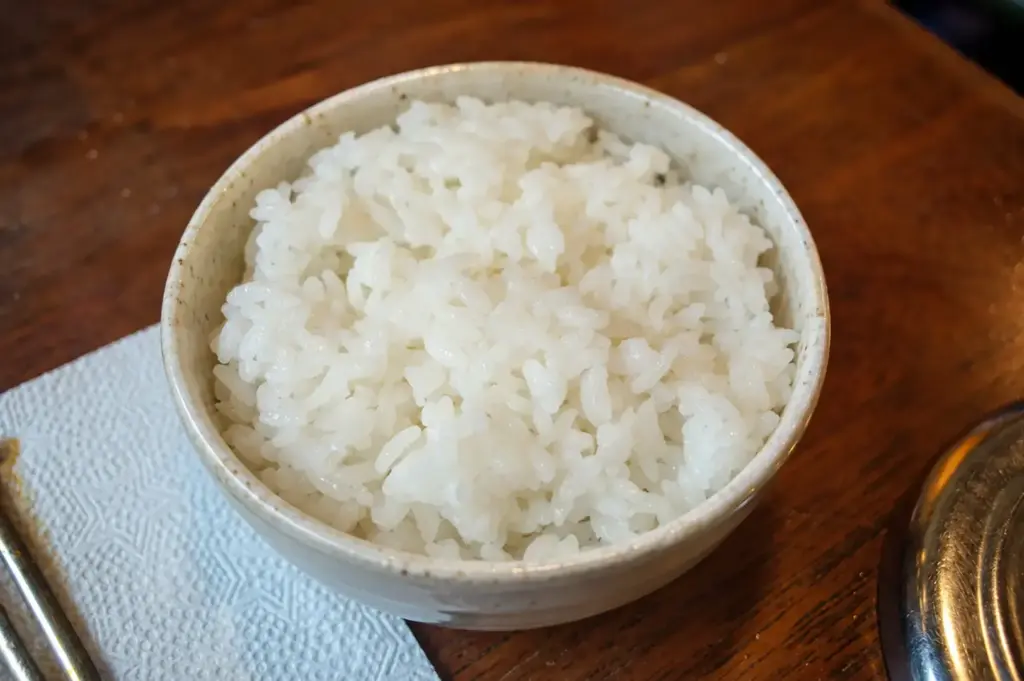
Over time, something shifted. People stopped throwing the rice away.
Fermentation periods grew shorter, and the rice, still slightly sour, became something worth eating alongside the fish. The point was no longer preservation for its own sake. It was a dish you could actually sit down to, quicker to make and easier to enjoy.
This gradual change led towards haya-zushi, or fast sushi. The name says a great deal. People wanted the taste of fermented sushi without the long wait, and sushi chefs began finding ways to deliver it.
Vinegar Changed Everything: Adding Rice Vinegar to Sushi Rice
The real turning point was rice vinegar.
Fermentation gave rice its sourness naturally, but slowly. Adding rice vinegar offered a shortcut. Sushi chefs could season cooked rice directly, creating that familiar tang without waiting weeks for it to develop. Sushi rice (shari) became something you could prepare in a day rather than a season.
That single change did more than save time. It turned rice into a deliberate flavour, a seasoned base chosen for taste rather than a preservation tool to be tossed aside. From this broader shift came new regional styles, including pressed sushi (box sushi) of Kansai and, in Edo, the beginnings of nigiri sushi.
Why Edo Was the Right Place for Nigiri Sushi: The Birth of Modern Sushi
Edo, now Tokyo, grew during the Edo period into a large and crowded city.
It was full of workers and Japanese businessmen who needed to eat quickly and cheaply. Street stalls, or yatai, answered that need, and food culture in the city built itself around convenience. Soba, tempura, grilled freshwater eel, and sushi all became common fare for people with little time and less money.
Nigiri sushi fit this world well. A piece of vinegared rice topped with fresh fish or other seafood could be shaped and handed over in moments, eaten standing up, and paid for without fuss.
Here is the part worth holding onto: nigiri sushi began as convenient fast food, not luxury dining. It was quick, filling, and ordinary.
What "Edomae" Actually Means in Japanese Sushi
The word Edomae carries more history than most diners realise.
Literally, it means “in front of Edo,” and historically it referred to the waters of Edo Bay, now Tokyo Bay. Those waters supplied the fish, eel, and shellfish that local sushi restaurants worked with. Edomae, in its first sense, was about place.
Over time, the meaning widened. Today, Edomae describes less where the seafood comes from and more how it is handled: the preparation, the seasoning, the rice, and the techniques associated with Edo-style sushi. The geography gave way to a philosophy.
The Birth of Nigiri Sushi and Hanaya Yohei
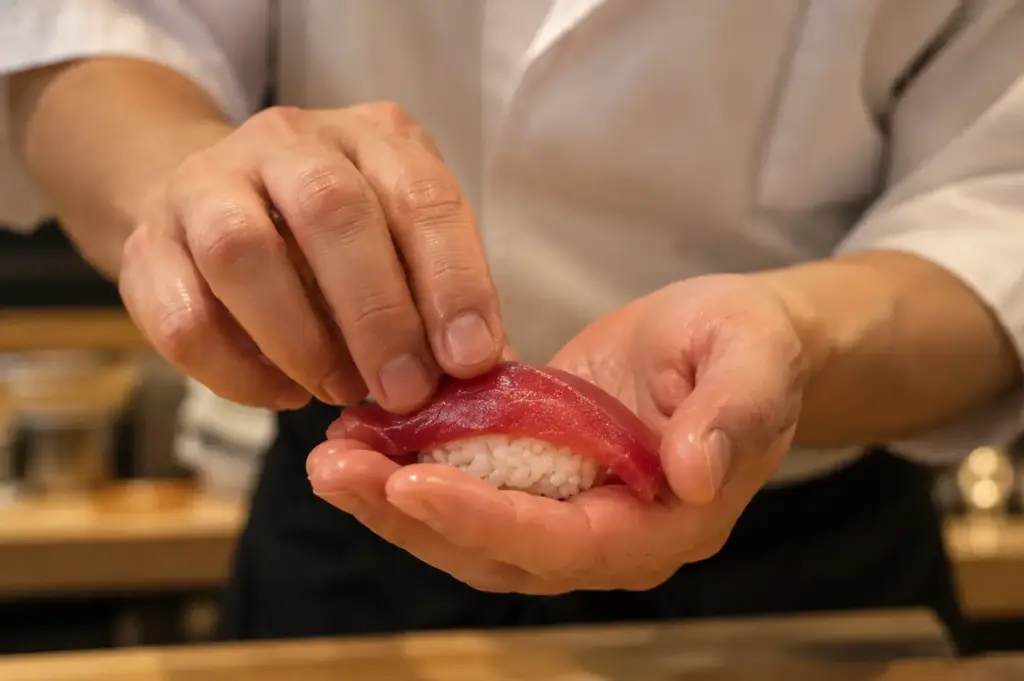
Hand-formed nigiri sushi as we recognise it emerged in early 19th-century Edo, and one name comes up often.
Hanaya Yohei is widely credited with refining and popularising Edo-style nigiri sushi, with Yohei Sushi commonly dated to around 1824. It is worth being careful here, though. Sushi existed for centuries before him, and historical accounts mention other sushi makers of the period too. He is best understood as someone who shaped and spread a style, not as the sole inventor of sushi or nigiri sushi.
One detail tends to surprise people. Early nigiri sushi pieces were generally much larger than today’s, closer to a substantial snack than a delicate bite. This was food meant to fill a working stomach.
Edomae Was Never Just Raw Fish Served
This is the part most worth understanding.
Before refrigeration, sushi chefs could not rely on keeping every ingredient raw and cold. They needed ways to make seafood safe and flavourful, so they developed a set of preparations that defined the craft. Among them were zuke, or soy sauce marination; su-jime, a salt-and-vinegar cure; and kombu-jime, curing between sheets of kelp. Others simmered, boiled, steamed, or finished their seafood with sauces.
These techniques preserved the fish and drew out flavour at the same time. So the truth of traditional Japanese sushi is this: it was built around knowing how each ingredient should be treated, not around serving everything raw.
The Classic Ingredients of Traditional Japanese Sushi
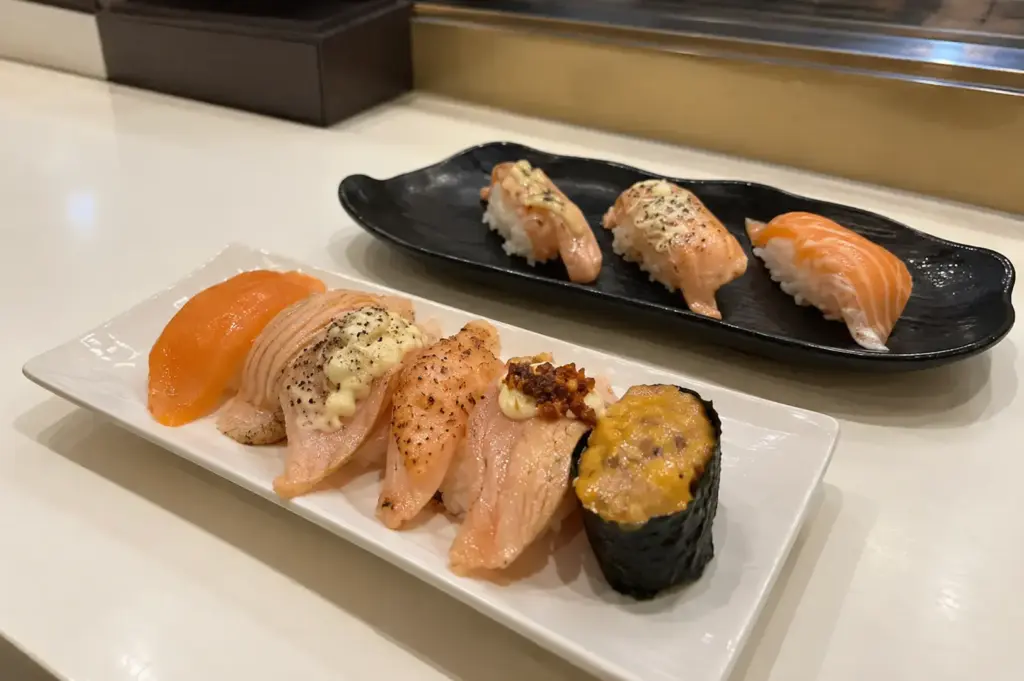
A few ingredients show what Edomae really valued.
Kohada, or gizzard shad, became closely tied to Edo-style sushi. It is cured with salt and vinegar, and getting it right demands judgement: the fish’s size, its fat, the timing, the seasoning. It remains a clear example of how technique, not raw freshness alone, defines the style.
Anago, saltwater conger eel, makes the same point. It is traditionally cooked rather than served raw, often simmered until tender and finished with a sauce. Raw fish was never the whole story.
Tuna did become important over time, but it is a mistake to imagine sushi history was always ruled by premium fatty tuna. Traditional Edomae leaned just as much on shellfish, prawns, squid, small oily fish, freshwater eel, white fish, and egg.
The Rice Matters Too: Sushi Rice and Vinegared Rice
Edomae is not only about what sits on top.
Older Edo sushi often used akazu, or red vinegar, traditionally made from aged sake lees. It gave the rice a beige or brownish tint and a deeper, more savoury character than the pale, sharp sushi rice common today. Some sushi chefs still favour it as a link to the older tradition.
And those old nigiri held far more rice than modern versions. That again points back to sushi’s roots as practical, filling food, made to satisfy rather than to impress.
From Street Stall to Sushi Restaurant
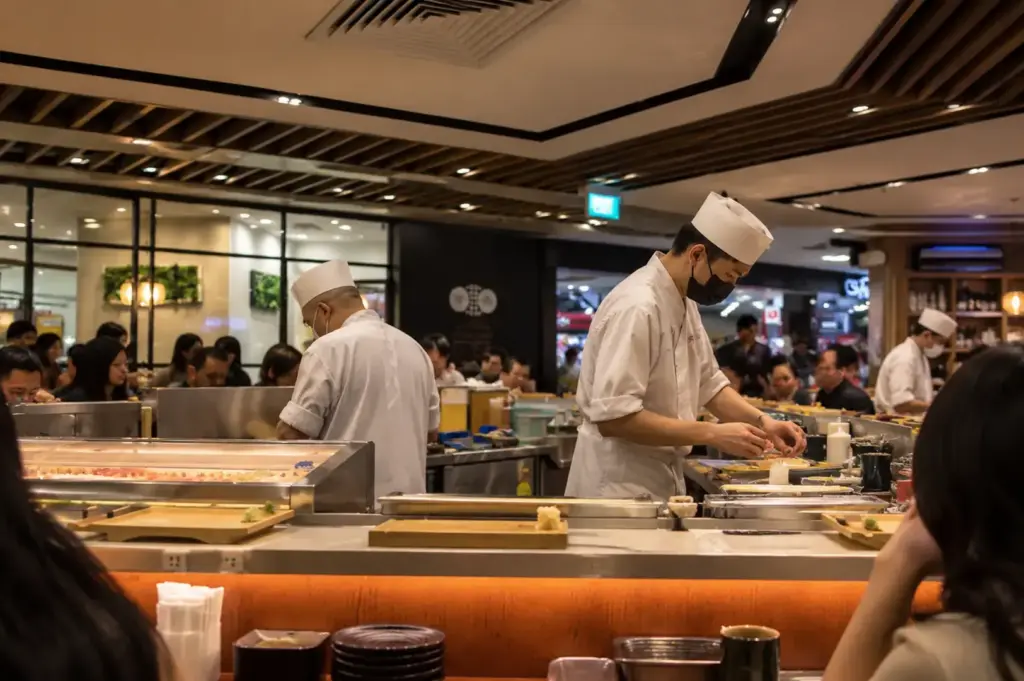
Sushi did not stay on the street forever, though the stalls never fully disappeared.
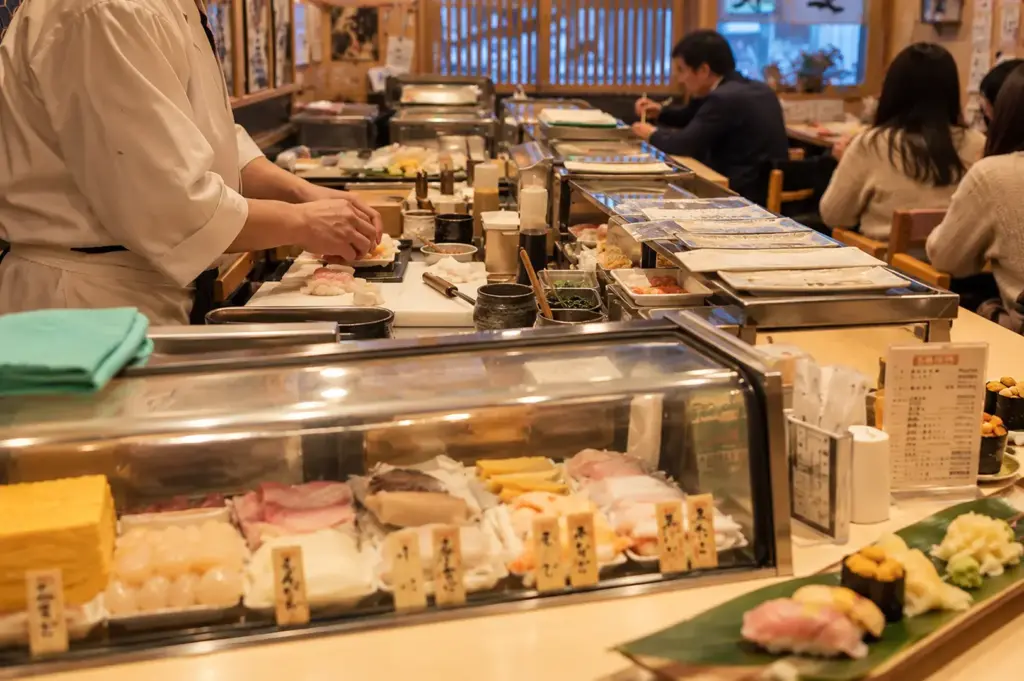
Alongside the humble yatai, more formal sushi restaurants began to appear, and sushi came to exist in both affordable and premium forms. The modern sushi restaurant, where a sushi chef prepares each piece directly in front of you, carries an echo of that old stall service, close, immediate, hand to hand.
A diner sitting at a sushi bar today, whether in Tokyo or a quiet corner of Singapore or Los Angeles, is taking part in a format with roots in Edo street-food culture. The setting has changed. The intimacy of being served directly has not.
How Conveyor Belt Sushi Changed Sushi Served
In the 1950s, conveyor belt sushi revolutionised sushi restaurants in Japan. Conveyor belt sushi made sushi widely accessible, affordable, and fast, spreading the enjoyment of sushi beyond traditional japanese sushi bars.
Conveyor belt sushi restaurants use a moving belt to carry plates of sushi past diners, who can choose what they want, including popular dishes like the spicy tuna roll and california roll.
By 2021, the conveyor belt sushi market had grown significantly, showing how modern sushi continues to evolve.
Modern Sushi: Fusion and Local Flavors
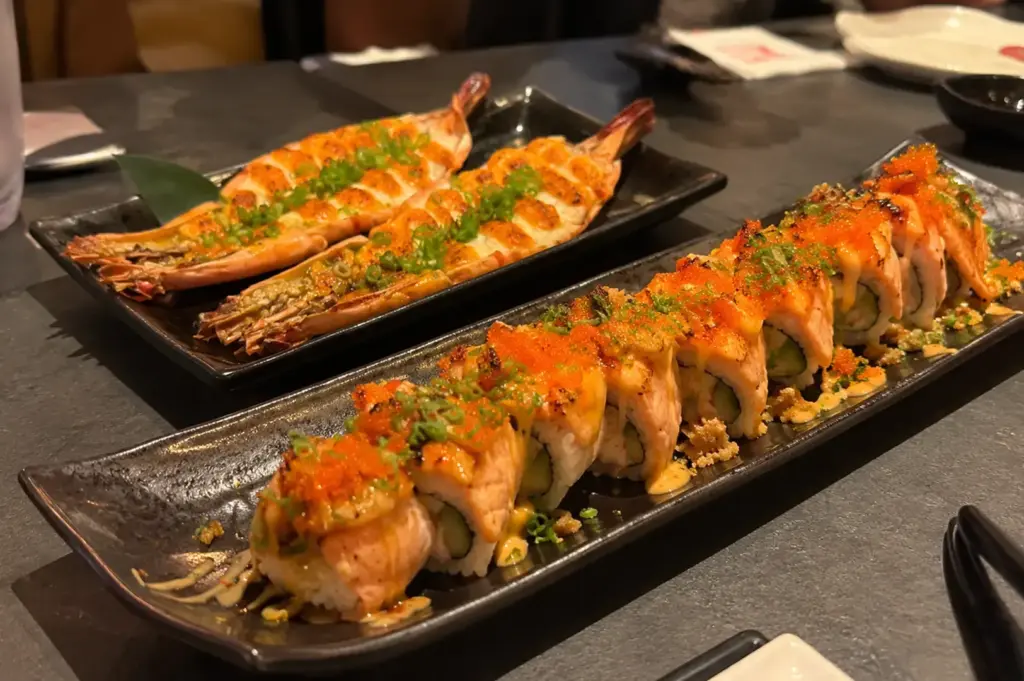
Today, sushi is a global culinary art form with many regional adaptations and fusion styles. Japanese immigrants helped spread sushi worldwide, including the rise of sushi restaurants in places like Little Tokyo in Singapore.
Modern sushi includes not only traditional japanese sushi but also rolls with cream cheese, imitation crab, and other ingredients uncommon in Japan.
Popular sushi rolls like maki sushi and sushi roll variations have become staples in japanese restaurants worldwide.
Styles of Sushi That are Being Eaten Today
Sushi comes in various styles, each with its unique characteristics and preparation methods:
Nigiri zushi is perhaps the most iconic, consisting of hand-pressed steamed rice topped with fresh ingredients, often fish, and sometimes bound with a thin strip of seaweed.
Rolled sushi, also known as maki zushi, features vinegared rice and fillings rolled tightly in nori (seaweed) using a bamboo mat, then sliced into bite-sized pieces.
Another popular style is scattered sushi (chirashi sushi), where steamed rice is served in a bowl or plate and topped with a colorful array of fish, vegetables, and other ingredients scattered on top.
However; if you are eating only the fish, then that is not sushi, but rather called Sashimi. (To learn about sashimi and where to try them out in Singapore, click here to discover more!)
These diverse styles showcase sushi’s versatility and appeal, from elegant hand-formed pieces to casual, easy-to-eat rolls and vibrant bowls enjoyed today.
A Short Timeline of Sushi History
Ancient origins: Sushi began as fermented food in Southeast Asia and ancient China.
Narezushi: Fermented sushi with salted fish and fermented rice.
Shorter fermentation: Rice began to be eaten with the fish.
Haya-zushi: Fast sushi using vinegared rice.
Edo period: Nigiri sushi and hand pressed sushi emerge.
Early 1800s: Hanaya Yohei popularises nigiri sushi.
Modern times: Conveyor belt sushi and global sushi restaurants.
Why This Brief History of Sushi Matters
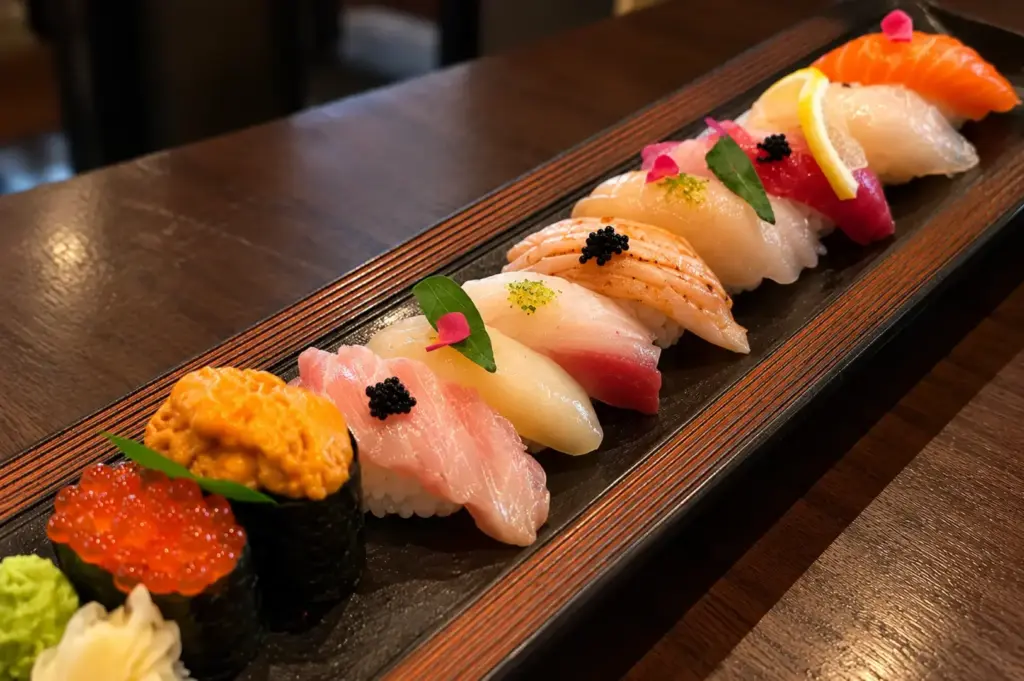
Three things are worth carrying away from all of this.
Sushi began as preservation, not as raw seafood fine dining. Edo turned it into fast food for ordinary people. And Japanese sushi craftsmanship grew from the careful handling of seafood, rice, seasoning, and timing, born of necessity long before it became art. It became a beloved Japanese cuisine all over the world, but especially in Singapore.
So the next time you sit at a sushi restaurant or sushi bar, whether enjoying traditional japanese sushi or modern sushi rolls, remember what the meal is carrying. Somewhere behind that single piece of nigiri sushi is a fermented barrel in Shiga, a crowded stall in old Edo, and generations of sushi chefs learning how each fish wanted to be treated. The luxury came late. The story came first.