
I’ve stopped telling people about certain places I like.
Not because I want to gatekeep food, but because I’ve seen what happens after a place goes viral online. The queue triples, prices slowly increase, reservations become impossible, and within months the atmosphere that made the place special disappears completely.
We call these spots “hidden gems”, but the moment they gain attention, they stop being hidden and usually stop feeling like gems too.
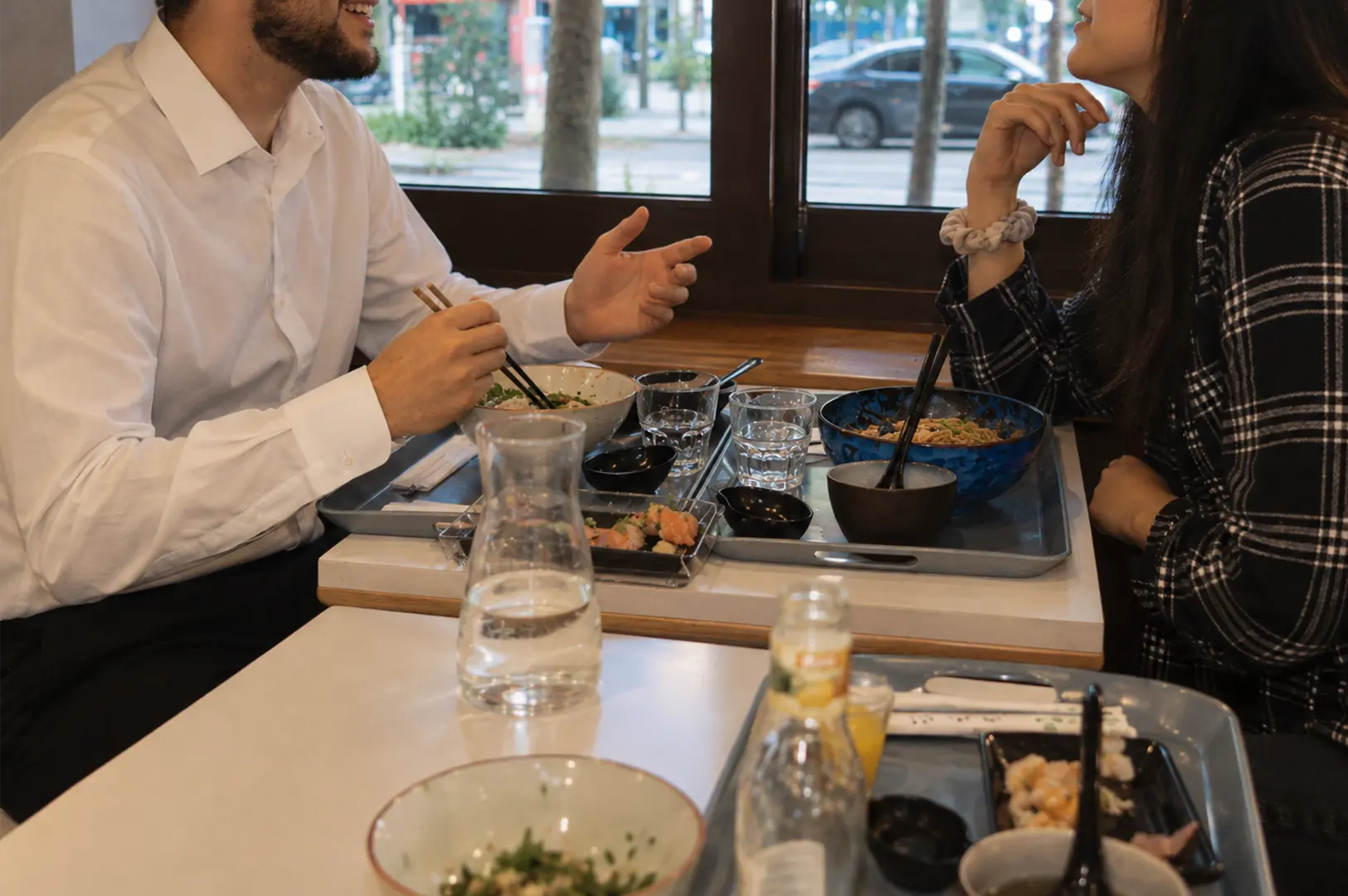
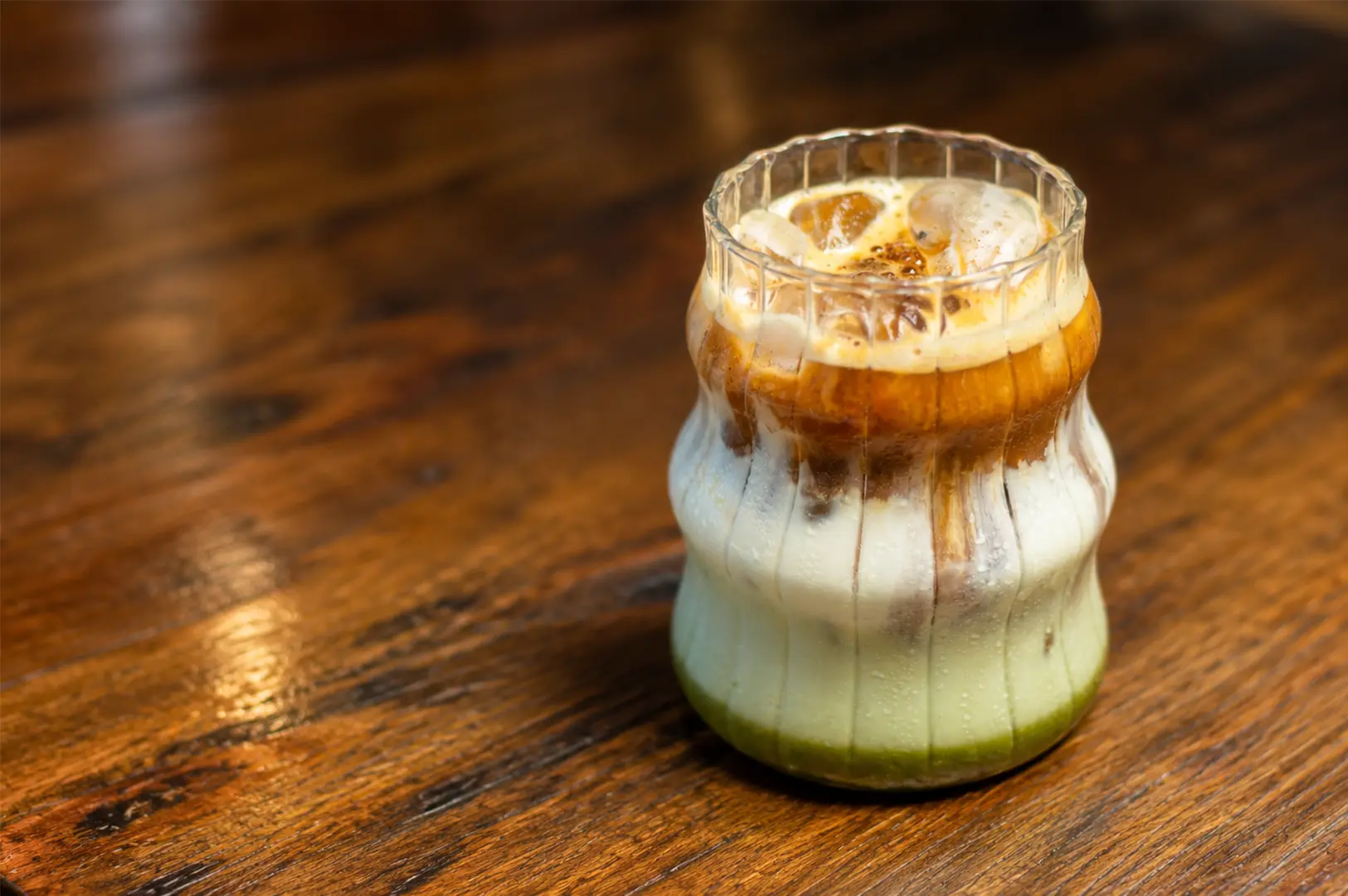
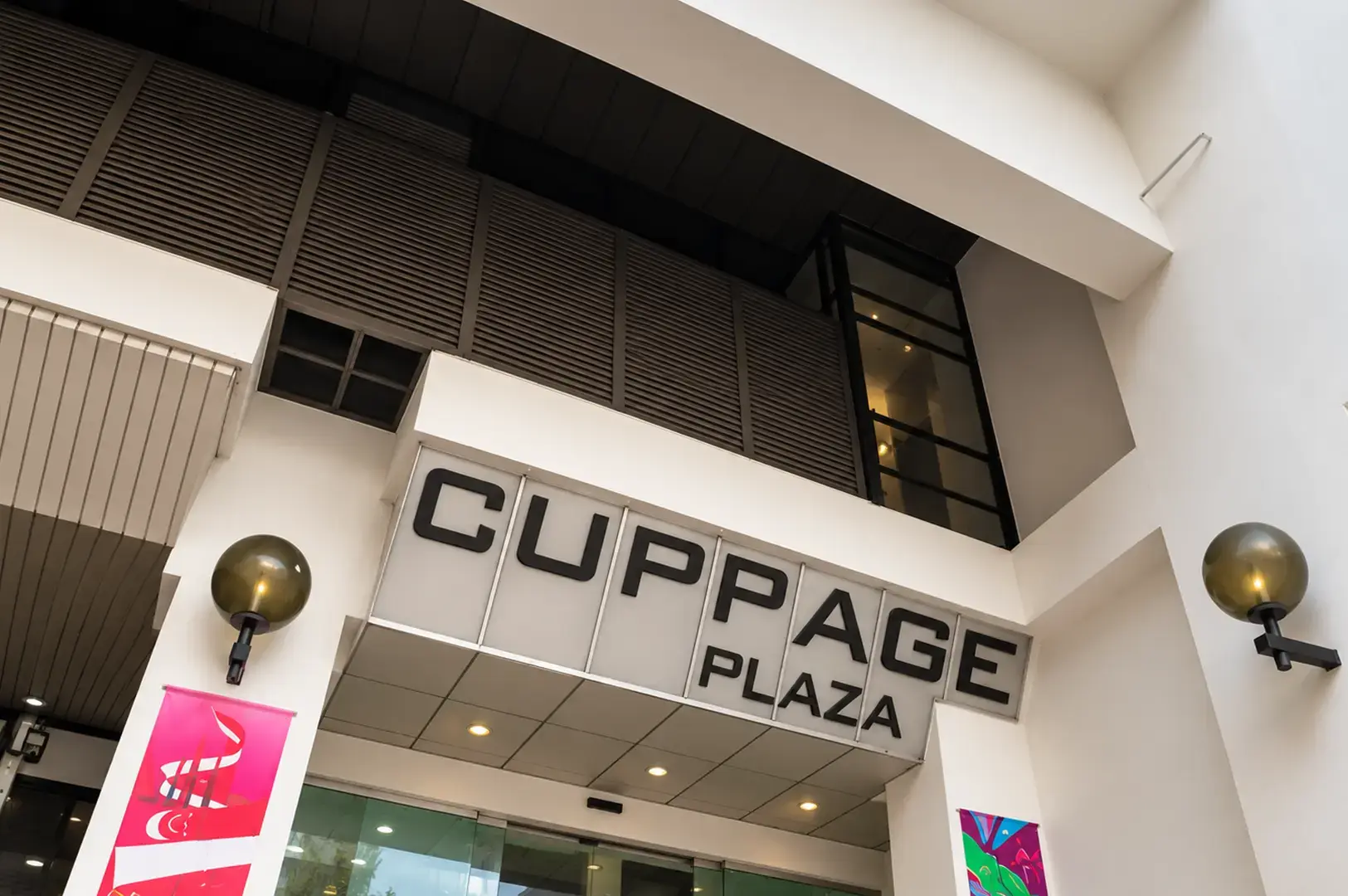
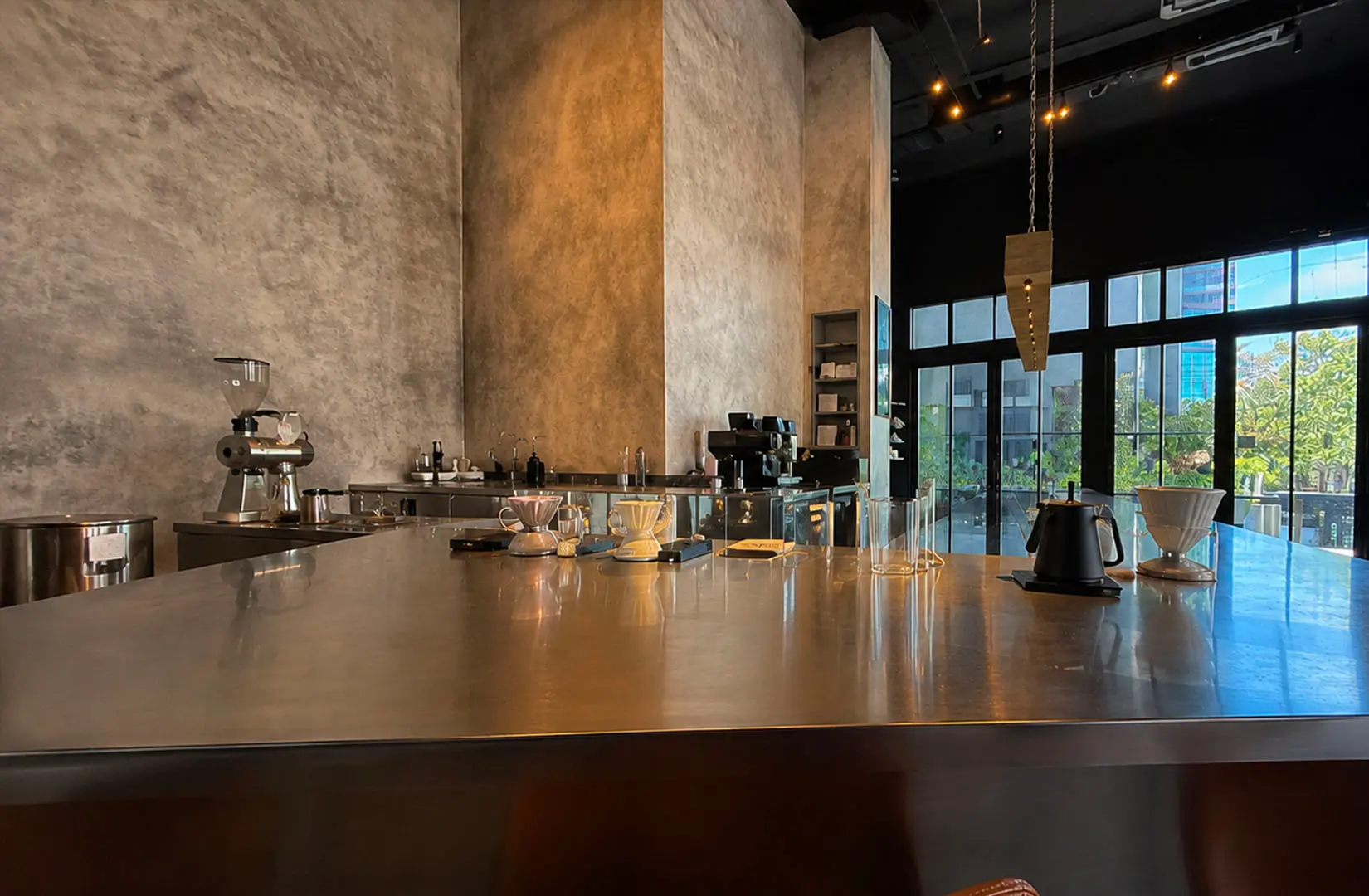
I’ve watched it happen too many times in Singapore. A quiet café with ten seats suddenly becomes a TikTok hotspot. A family-run hawker stall ends up overwhelmed by crowds they were never built to handle. Small businesses that once felt personal start operating like survival mode businesses overnight.
And honestly, I don’t think every place wants that kind of attention.
The internet treats virality like success by default. More views, more customers, longer queues. But for smaller food businesses, rapid exposure can create problems too. Staff burn out faster, food consistency drops, and rent pressure often follows once an area becomes “popular”.
Ironically, the very things people claim to love about hidden gems are usually the first things destroyed by internet attention.
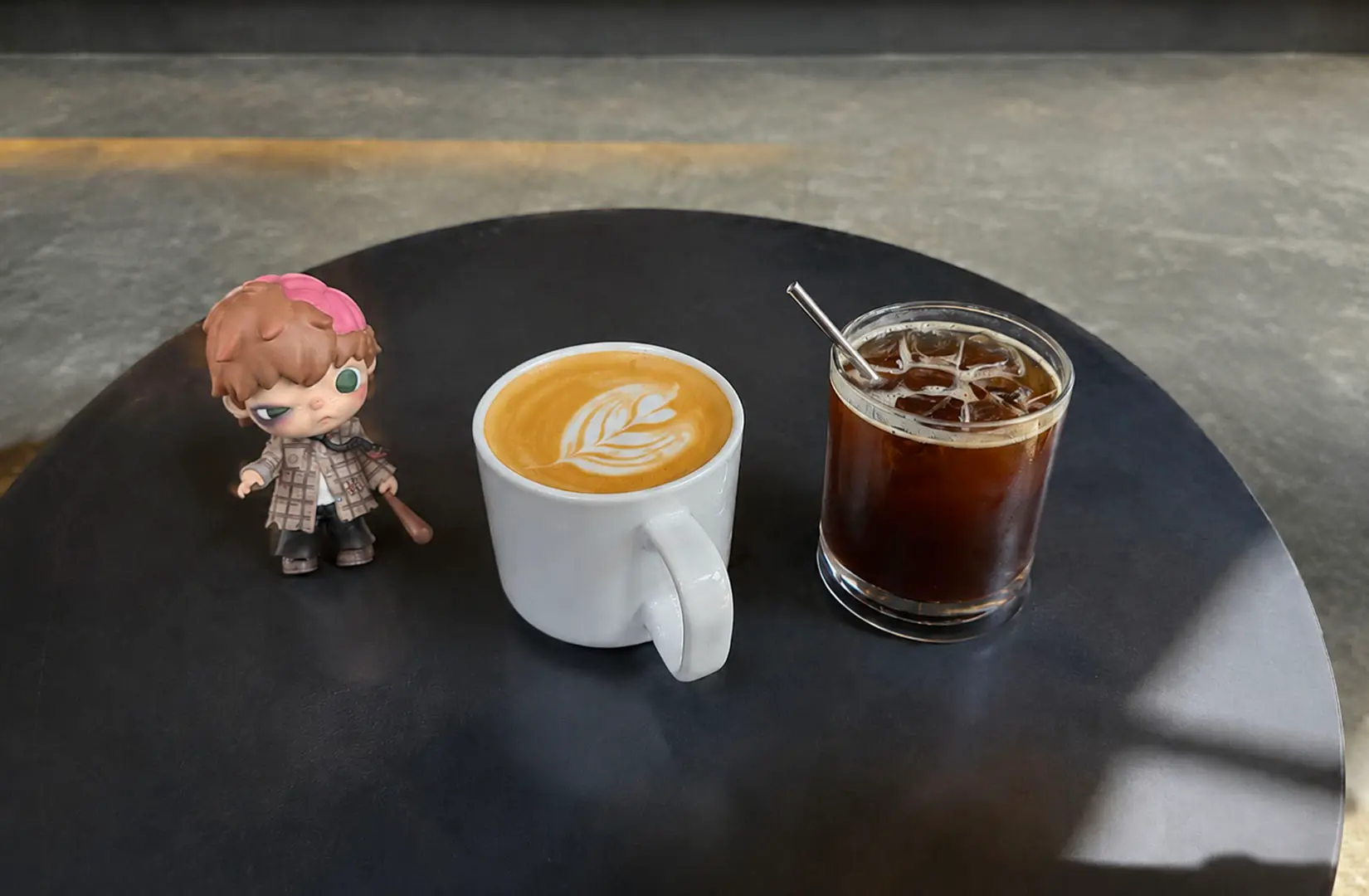
The quietness disappears. The affordability changes. The slower pace vanishes because the business now has to serve three times the crowd. Suddenly there’s a 45-minute queue for a café people originally loved because it felt peaceful.
I think social media also changed how people search for food. Some diners now chase exclusivity more than actual enjoyment. Finding a hidden café almost feels like collecting content before everyone else discovers it too.
Then once it becomes mainstream, people move on to the next “underrated” place.
It creates this strange cycle where small businesses become trends instead of sustainable community spaces.
Of course, visibility can still help genuinely struggling businesses survive. Some owners do benefit from the extra customers and recognition. But I think people underestimate how fragile smaller food spaces actually are. Not every café has the manpower, kitchen setup, or financial buffer to handle sudden viral demand.
Sometimes a place works precisely because it stays small.
Because it stays local.
Because not everyone knows about it.
I still believe good food deserves support, but maybe support does not always need to come with mass exposure and endless content creation. Maybe some places are better experienced quietly instead of turned into the next social media checklist item.
Not every hidden gem needs to become a destination.
Some are better left as discoveries.
Read more food culture editorials on Social Eats N Drink.