
We’ve noticed something strange happening at hawker centres lately.
People arrive, place their trays carefully near natural light, take photos from multiple angles, film a quick pouring shot of kopi, then leave shortly after eating. Sometimes the photos happen before the first bite. Sometimes the conversations barely happen at all.
Hawker culture has slowly become content.
And while there’s nothing wrong with documenting food, it does feel like the experience around hawker centres is changing. These spaces were originally built around community, affordability, and everyday routine. They were never designed to be aesthetic.
But social media reframed them anyway.
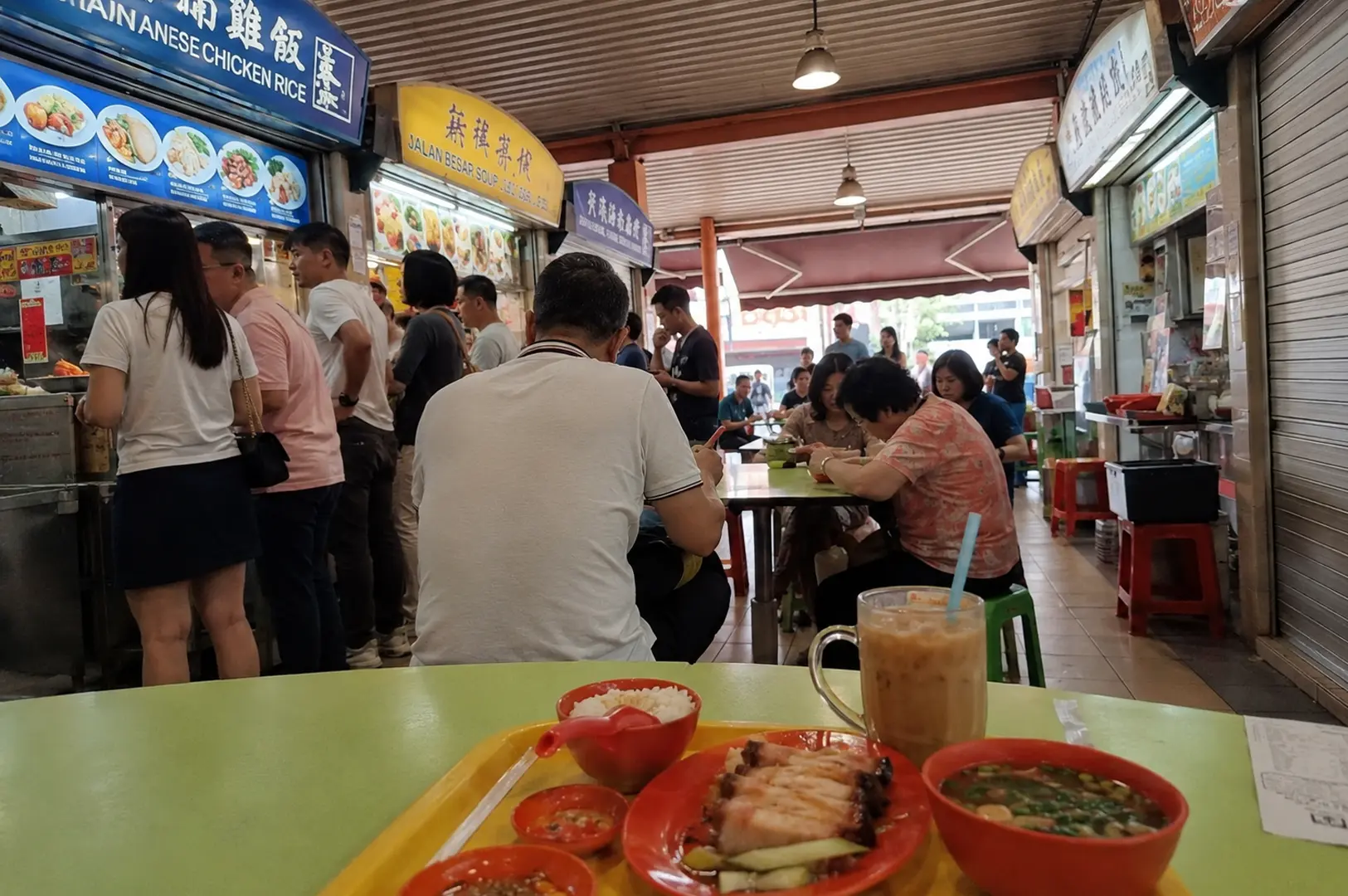
Today, old tiled tables, fluorescent lighting, worn signboards, and steaming bowls of noodles are seen differently online. What older generations viewed as ordinary daily life is now packaged as “nostalgic”, “heritage”, or “old-school vibes”.
In some ways, this attention helps. Younger Singaporeans are rediscovering hawker food, and tourists become more interested in local dishes beyond tourist spots. Certain stalls gain visibility they never had before.
But we also think something gets simplified in the process.
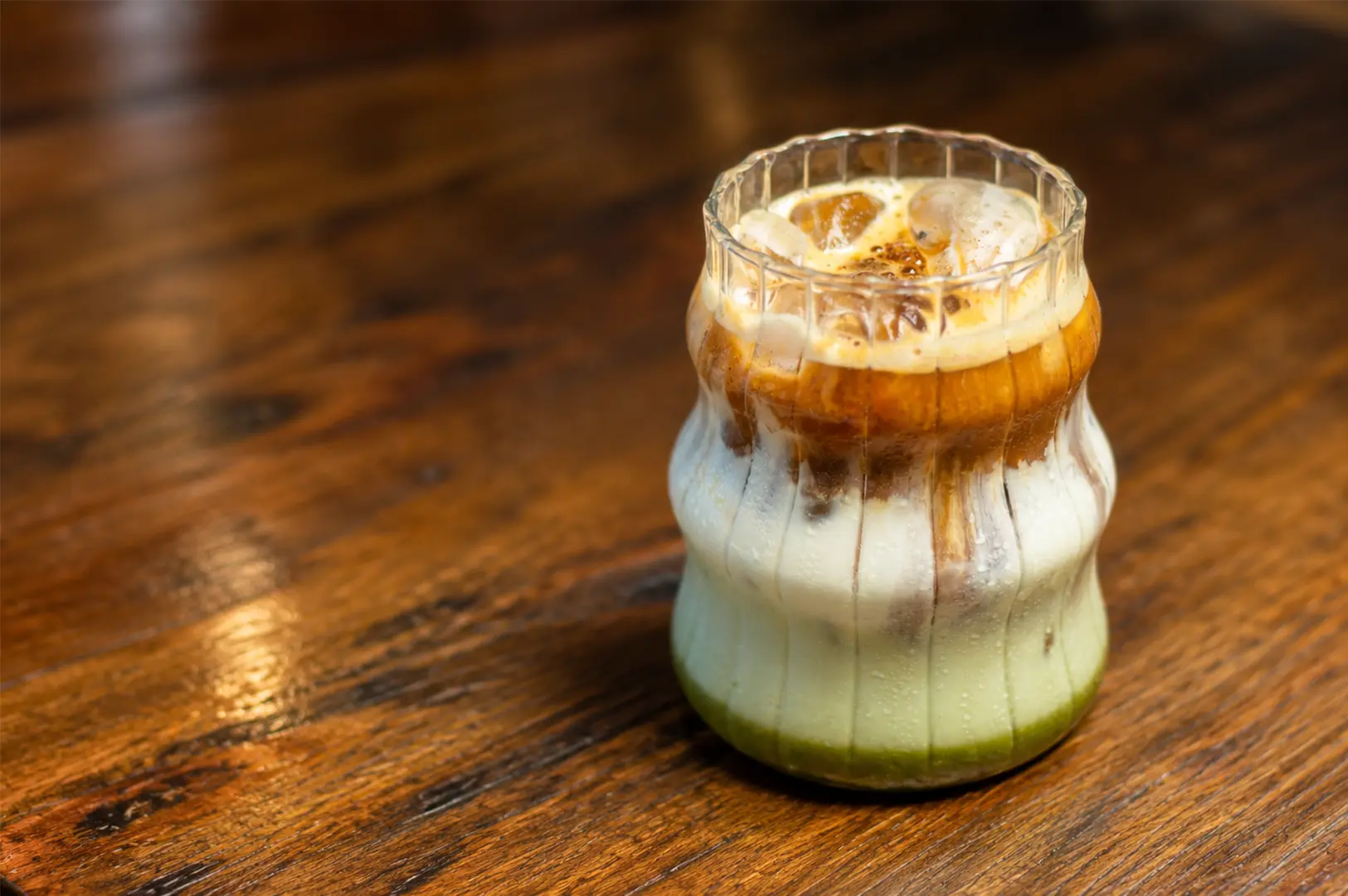
Online, hawker culture is often reduced into visuals. A cinematic kopi pull, a slow-motion egg break, an uncle frying char kway teow over high heat. The stories behind the stalls sometimes become secondary to how photogenic the food looks.
The reality of hawker culture is much less polished than the internet version. It’s crowded tables, tray return stations, sweating in humid weather, waiting beside strangers, hearing multiple languages around you. It’s built around routine and coexistence more than aesthetics.
Not every hawker centre is “hidden” or “underrated”. For many people, these are just regular places they’ve eaten at for decades.
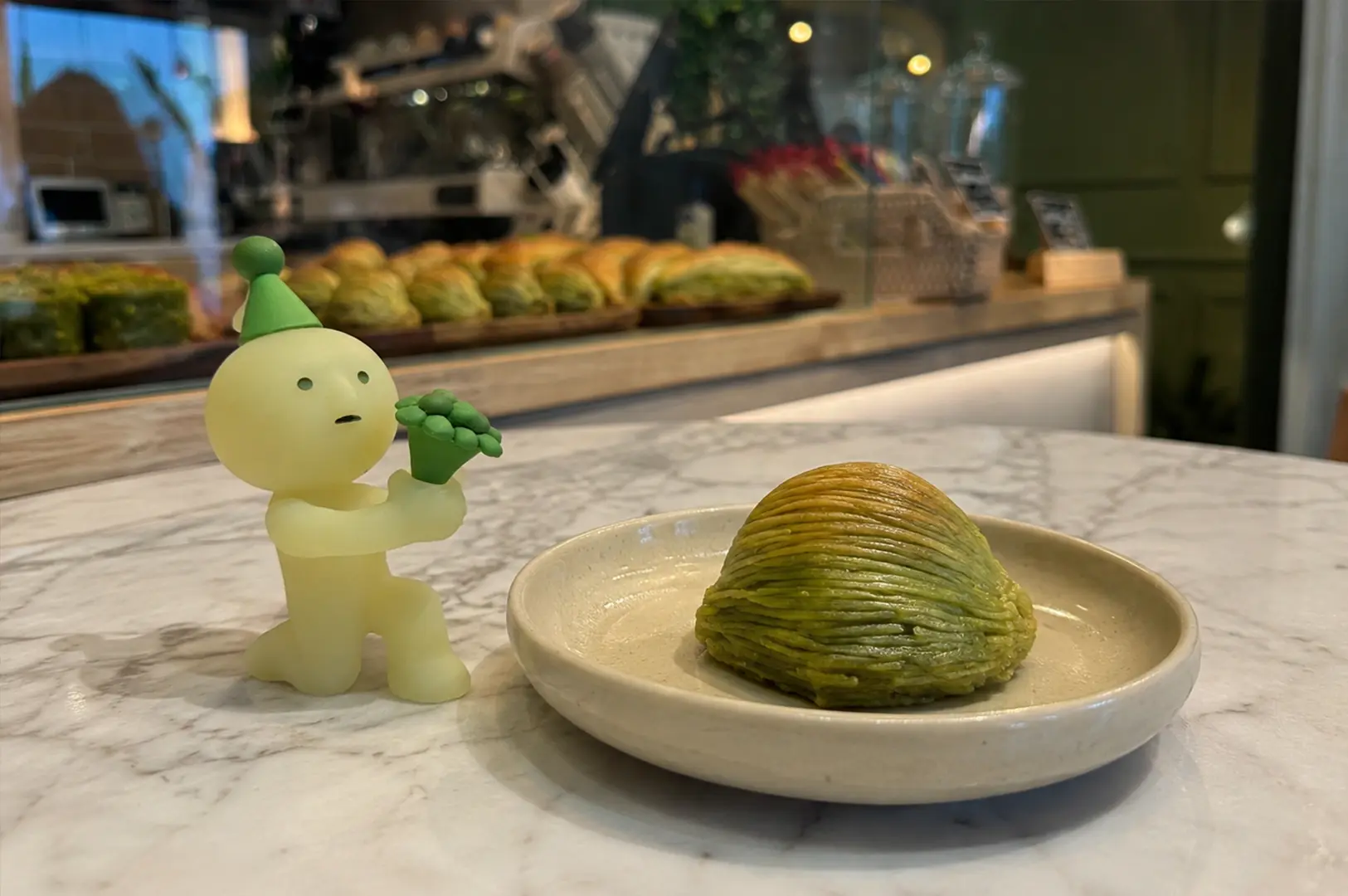
We also notice that certain hawker foods now gain popularity because they fit visual trends better. Toast pulls, colourful desserts, oversized portions. Meanwhile, quieter traditional dishes without strong visual appeal receive less attention online, even if they carry deeper cultural history.
Social media did not destroy hawker culture, but it definitely changed how people interact with it.
Read more food culture editorials on Social Eats N Drink by clicking here!