
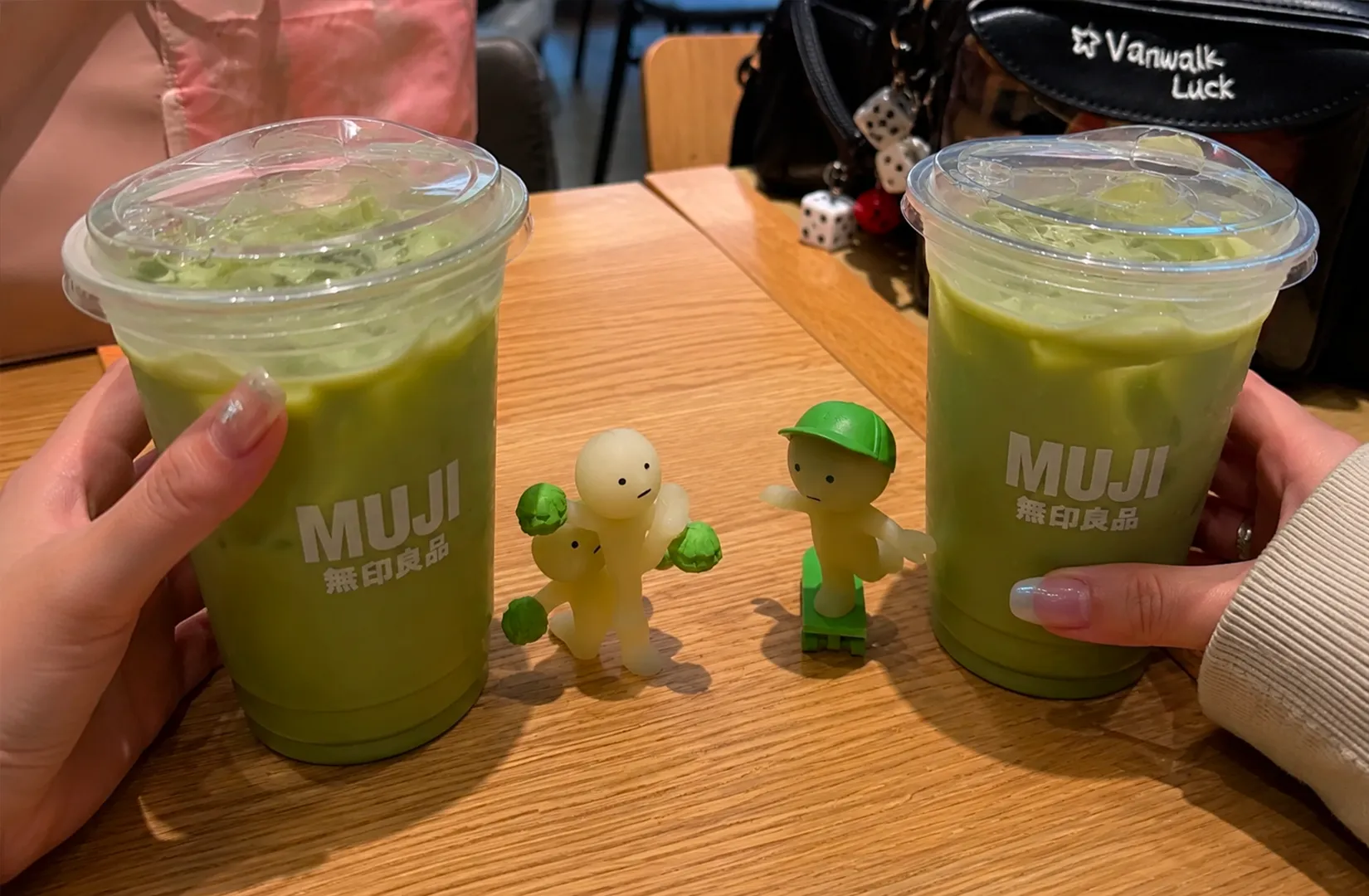
I don’t think people started loving matcha because of the taste first.
I think they loved the feeling attached to it.
Somewhere along the way, matcha stopped being just a drink and became an entire personality online. Before people even took their first sip, they were already buying into the image of it. The clean cafés, muted green tones, slow mornings, ceramic cups, linen outfits, soft playlists in the background. Matcha arrived packaged as a lifestyle before most people even understood what it tasted like.
And honestly, I am a part of it too.
I still remember the first time I ordered matcha regularly. Not because I suddenly became obsessed with tea, but because everything around it looked calming. Everyone drinking matcha online seemed put together in a way I admired. Their desks looked cleaner, their mornings looked slower, their lives somehow softer.
Coffee always carried this energy of hustle and exhaustion. Matcha felt quieter.
That difference became part of its appeal.
Over time, I noticed that matcha content online rarely focuses on the drink itself. People don’t usually describe flavour notes or preparation methods first. Instead, they show routines. Morning walks, journaling, skincare, reading, minimalist cafés. The drink became a visual shortcut for wellness and intentional living.
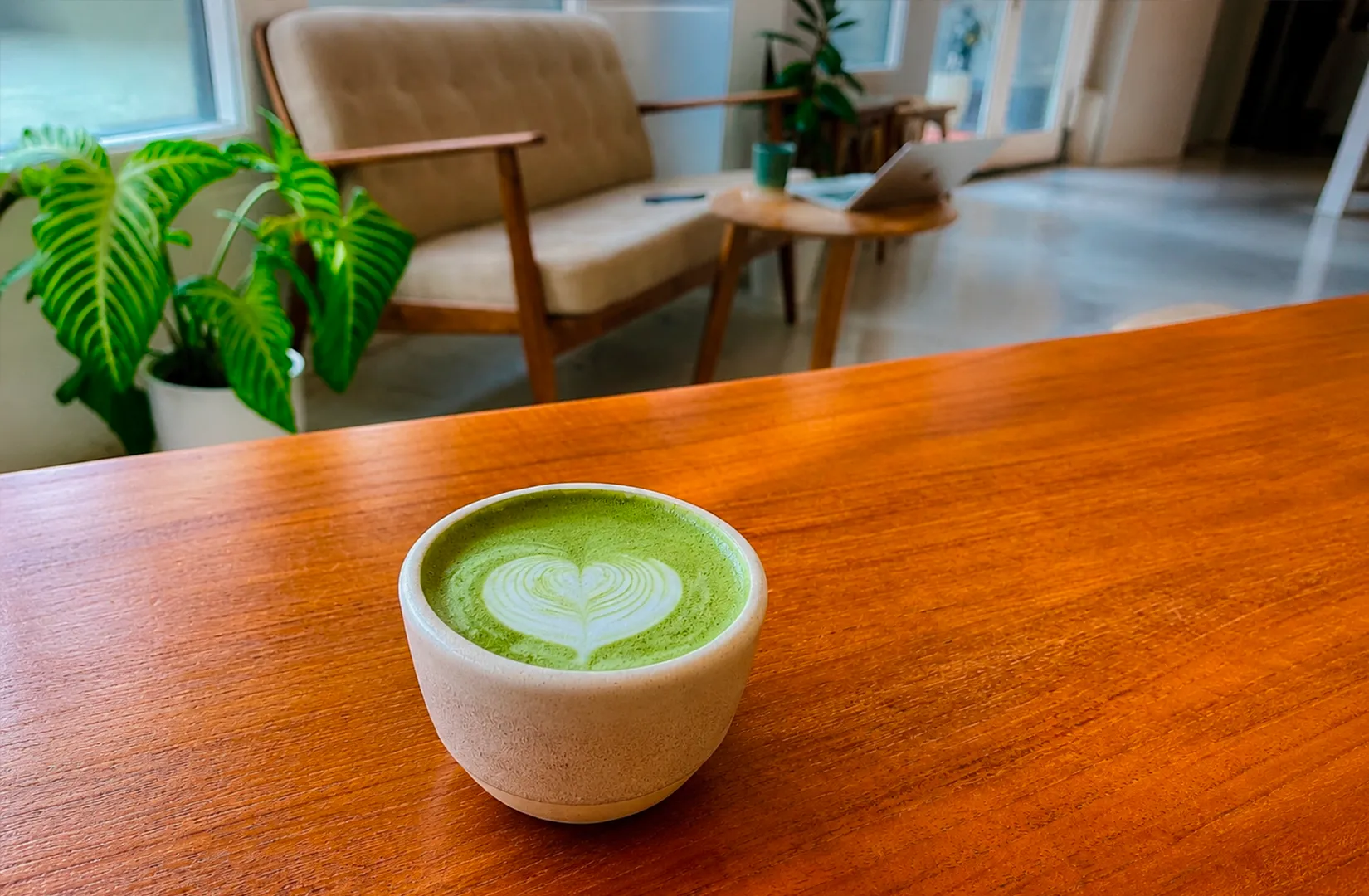
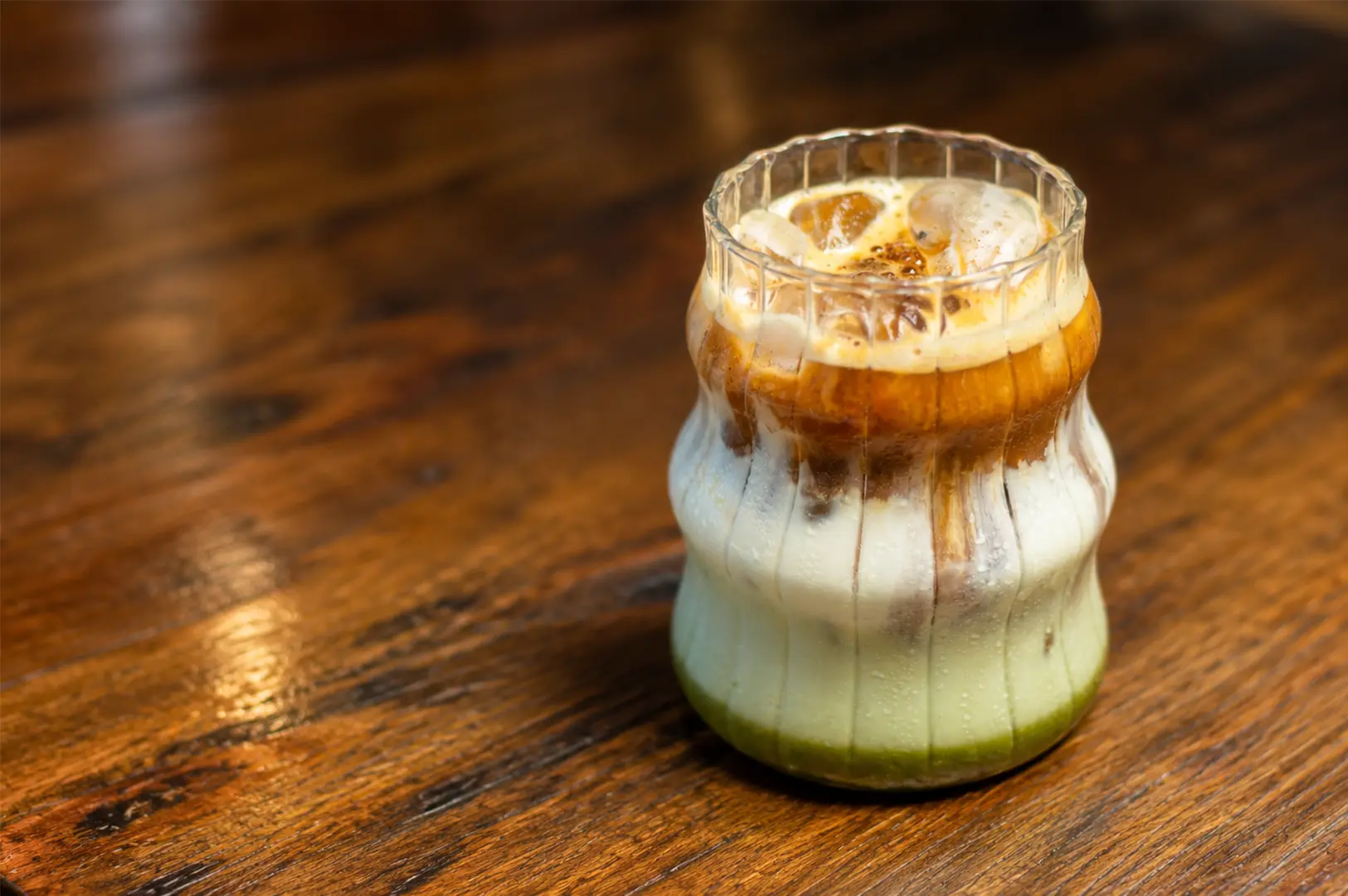
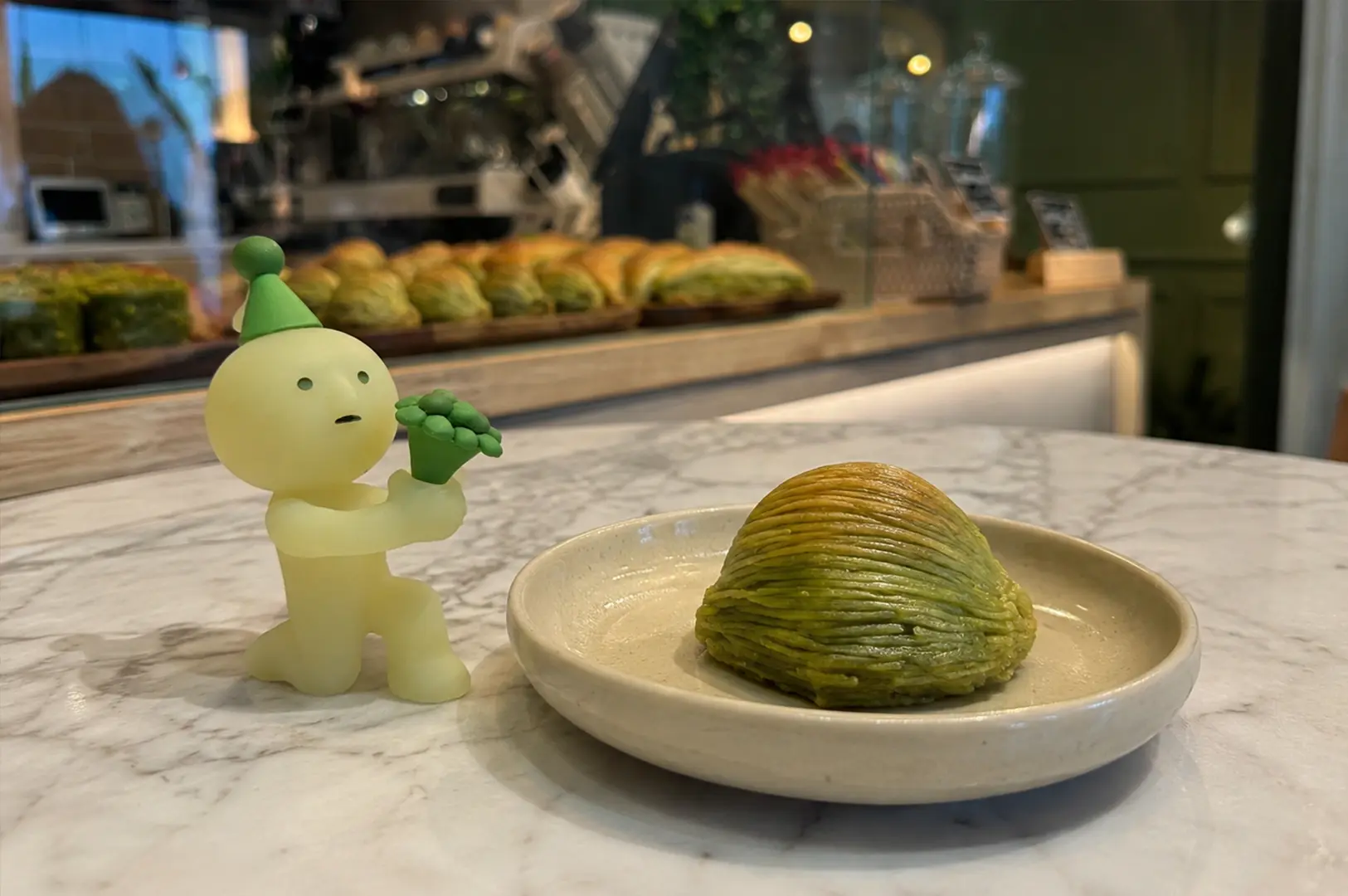
Even cafés started leaning into it. Suddenly every minimalist space had matcha on the menu. The drinks were photographed carefully against neutral tables with silver trays and handcrafted cups. Some places almost felt designed specifically for matcha content.
And somehow, the drink itself became secondary.
The funny thing is, a lot of people don’t even fully enjoy matcha at first. It can taste grassy, earthy, slightly bitter (hence the ‘Matcha tastes like grass’ phrase*.)*** I know friends who forced themselves to like it because they liked what it represented more than the actual flavour.
But I also think that’s what makes modern food culture interesting now. People don’t just consume products anymore. They consume identities tied to them.
Matcha became associated with being balanced, creative, health-conscious, and aesthetically aware. Carrying a matcha latte almost says something about you before you even speak. Though sometimes it becomes a laughing stock in internet, calling people, who fit into the specific stereotype of match-drinkers, “performative.” It’s funny seeing video about it on TikTok about the exageration of these stereotypes (sometimes it makes me think to myself if I am part of it…..)
It’s similar to how certain cafés become personality markers too. Some places are no longer just somewhere you grab a drink. They become extensions of personal branding online.
Still, I don’t think this is entirely a bad thing.
Sometimes aesthetics are what introduce people to something new in the first place. And eventually, some people genuinely grow to appreciate the drink itself beyond the image attached to it. I know I did.
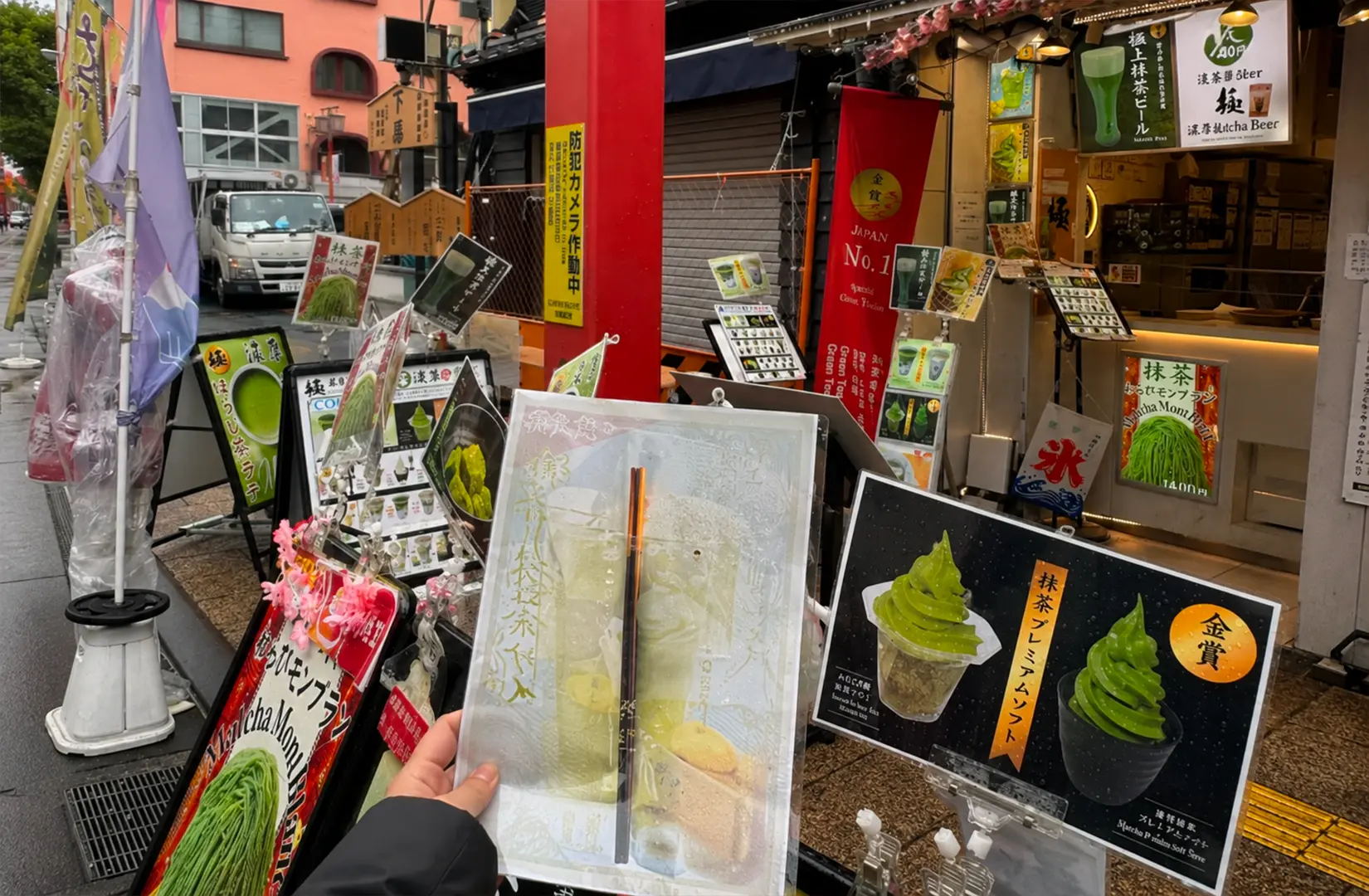
Now, I still order matcha often (whenever I travel, I make sure to taste the matcha drinks they have), but not because it feels trendy anymore. I just like the quietness of it. The slower pace it reminds me to have, even if that sounds slightly dramatic for a drink.
Maybe that’s the strange thing about internet culture. Sometimes we start with aesthetics, then slowly grow into the meaning behind them later.
Discover more food culture editorials on Social Eats N Drink.