
We’ve all fallen for a viral food trend at least once.
Sometimes it starts with a TikTok video. Sometimes it’s a long queue outside a café that suddenly appears on everyone’s Instagram Stories. One week, everyone is drinking the same thing, ordering the same dessert, or filming the same cheese pull. A few months later, it disappears quietly like it never happened.
And honestly, not every food trend deserves to stay.
We’ve noticed that the trends with the shortest lifespan are usually built around visuals first. They look good on camera, spark curiosity online, and get people talking for a while. But once the novelty wears off, there’s not much left to return for.
Take rainbow grilled cheese sandwiches for example. They exploded online because of the dramatic cheese stretch and colours, but most people only tried it once. The same happened with oversized freakshakes piled with donuts, whipped cream, and entire slices of cake balanced on top. Fun to look at, difficult to finish, and rarely something people genuinely craved again (Like Izzah , she tried it before, didn’t even finish it cuz of how huge it was, and never went for seconds.)
Then there are trends that survive because they actually fit into everyday life.
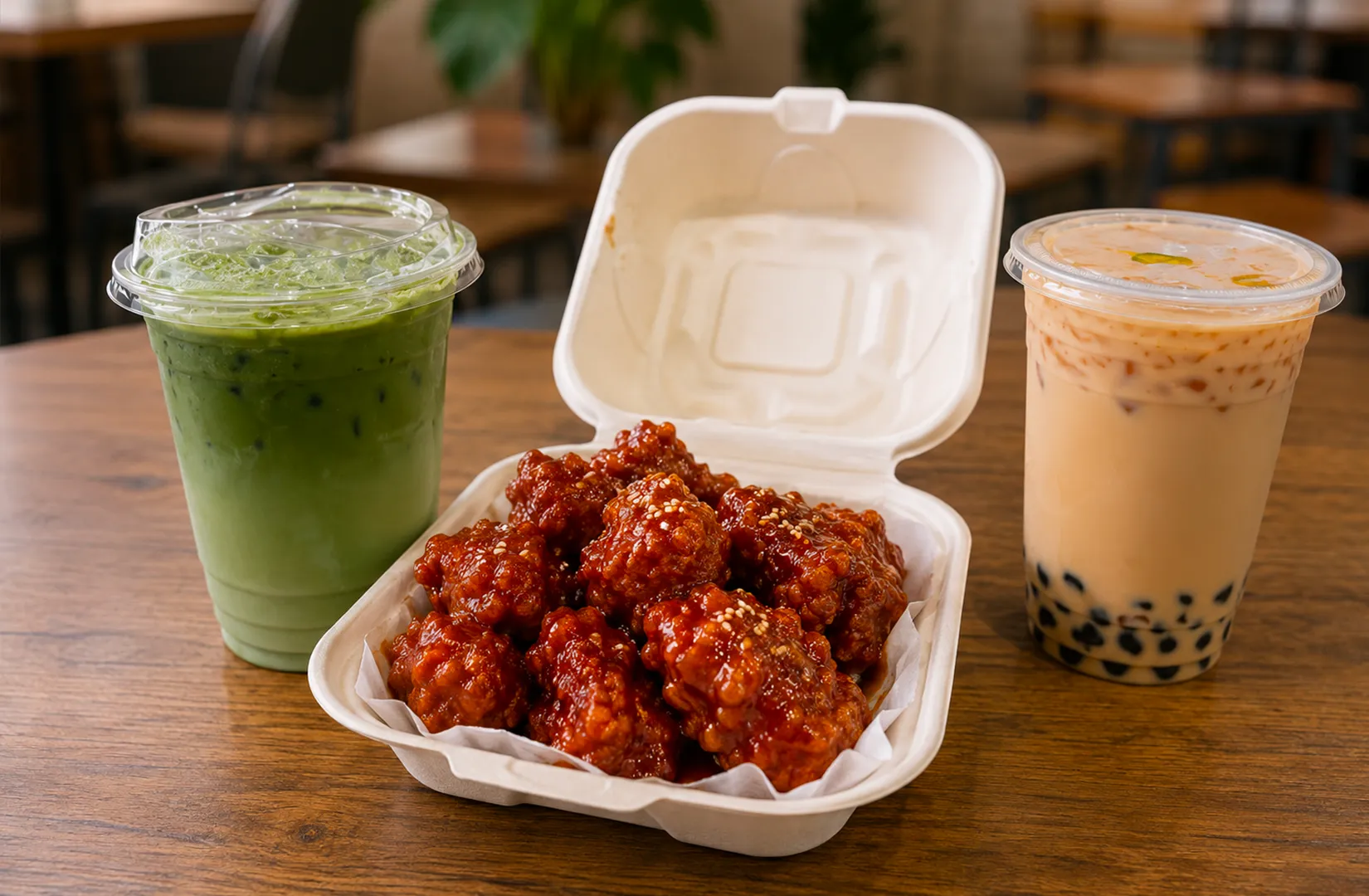
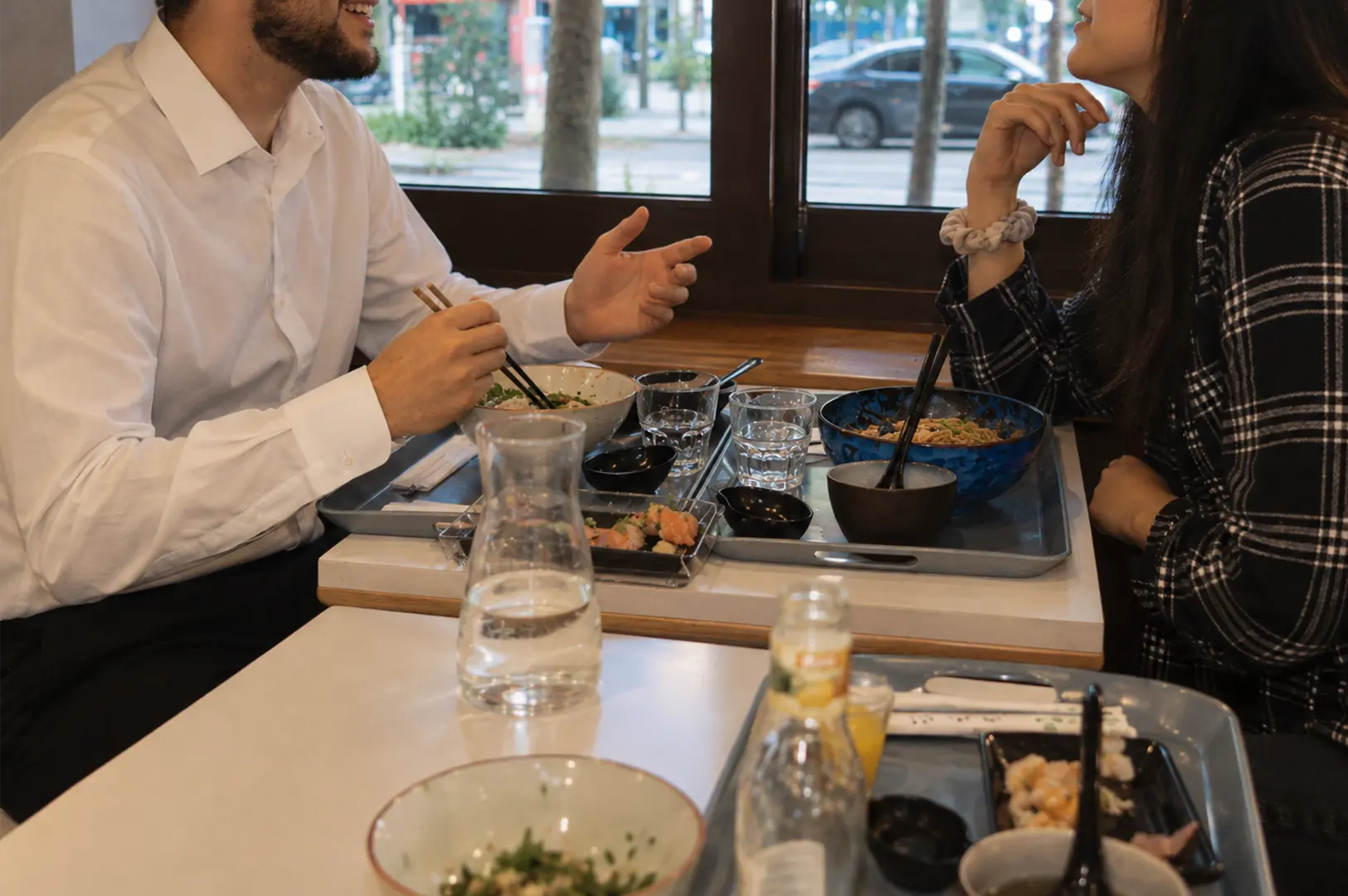
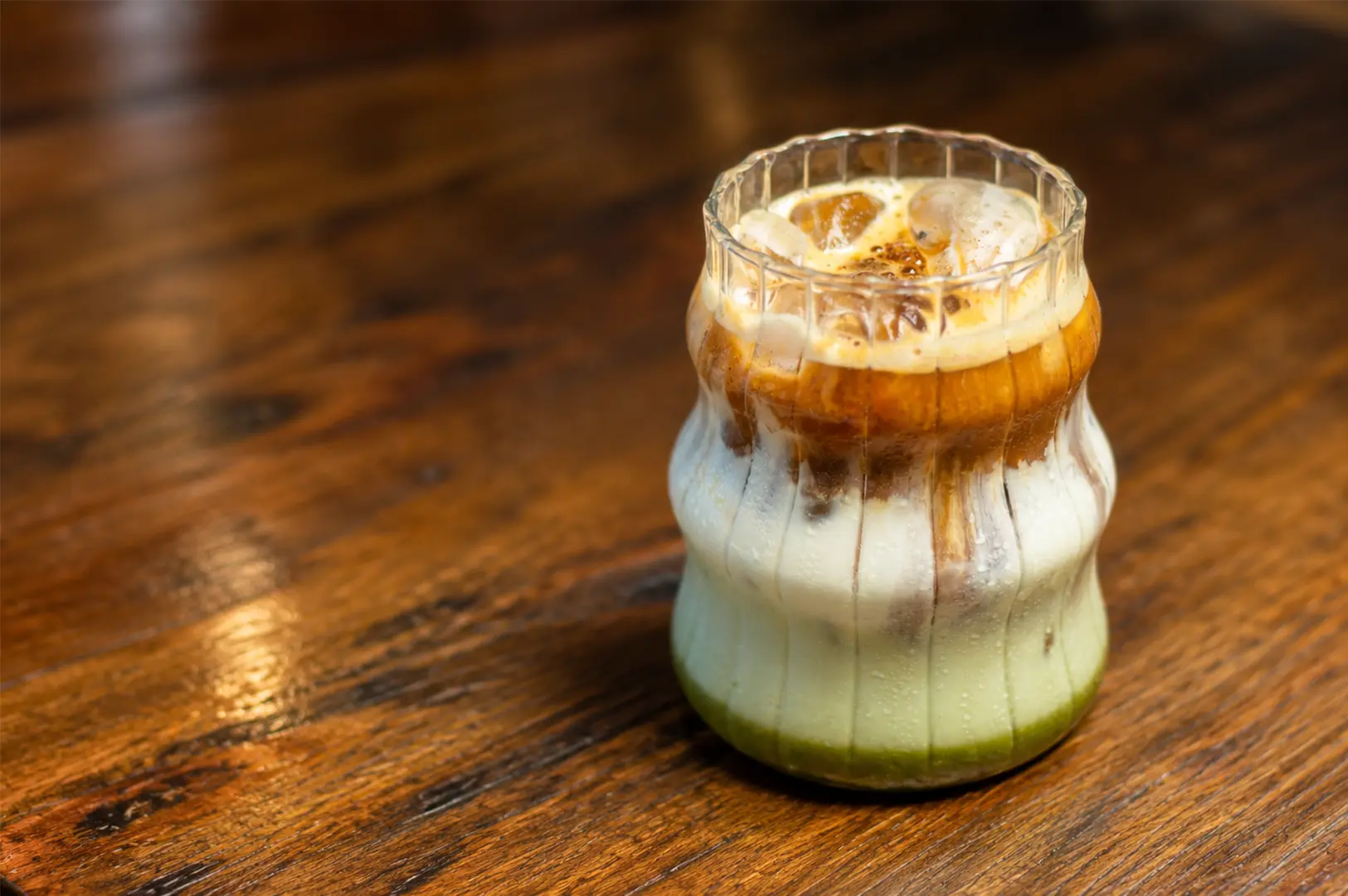
Boba tea lasted because people genuinely enjoy drinking it regularly. Korean fried chicken stayed because it balances flavour, convenience, and comfort. Matcha cafés continue growing because the drink evolved beyond aesthetics into something people appreciate for taste and routine.
The difference is usually flavour and cultural adaptability.
Food trends survive when they can move beyond social media and become part of people’s habits. If a dish only exists for reactions, photos, or shock value, it usually fades once the algorithm moves on to the next thing.
We also think people are getting slightly better at spotting the difference now. A few years ago, almost anything visually extreme could go viral. Today, audiences seem more aware when something feels built purely for content.
That’s probably why simpler concepts are becoming popular again. Handmade pastries, traditional recipes, specialty coffee, slow-prepared desserts. These are not always the loudest trends online**, but they last longer because people return for the actual experience, not just the post.**
Social media still shapes food culture heavily, though. Restaurants know they need visually appealing dishes to survive online attention spans. But the places that stay relevant usually figure out how to balance presentation with substance.
The reality is that food trends are not necessarily bad. They make dining more fun, introduce new ideas, and sometimes even revive older cuisines for younger audiences. But we don’t think every trend needs to become permanent.
Some trends exist just to capture a specific moment online. And maybe that’s okay too.
Not every food needs to become timeless. Some are just temporary entertainment dressed up as a meal.
The challenge is knowing which ones are worth remembering after the hype disappears.
Discover more food culture editorials on Social Eats N Drink.