
“Matcha tastes like swamp, Matcha tastes like swamp” Well then that makes me Shrek.
It is the most common insult hurled at the beverage: “Why would I pay $8 to drink something that tastes like lawn clippings?”
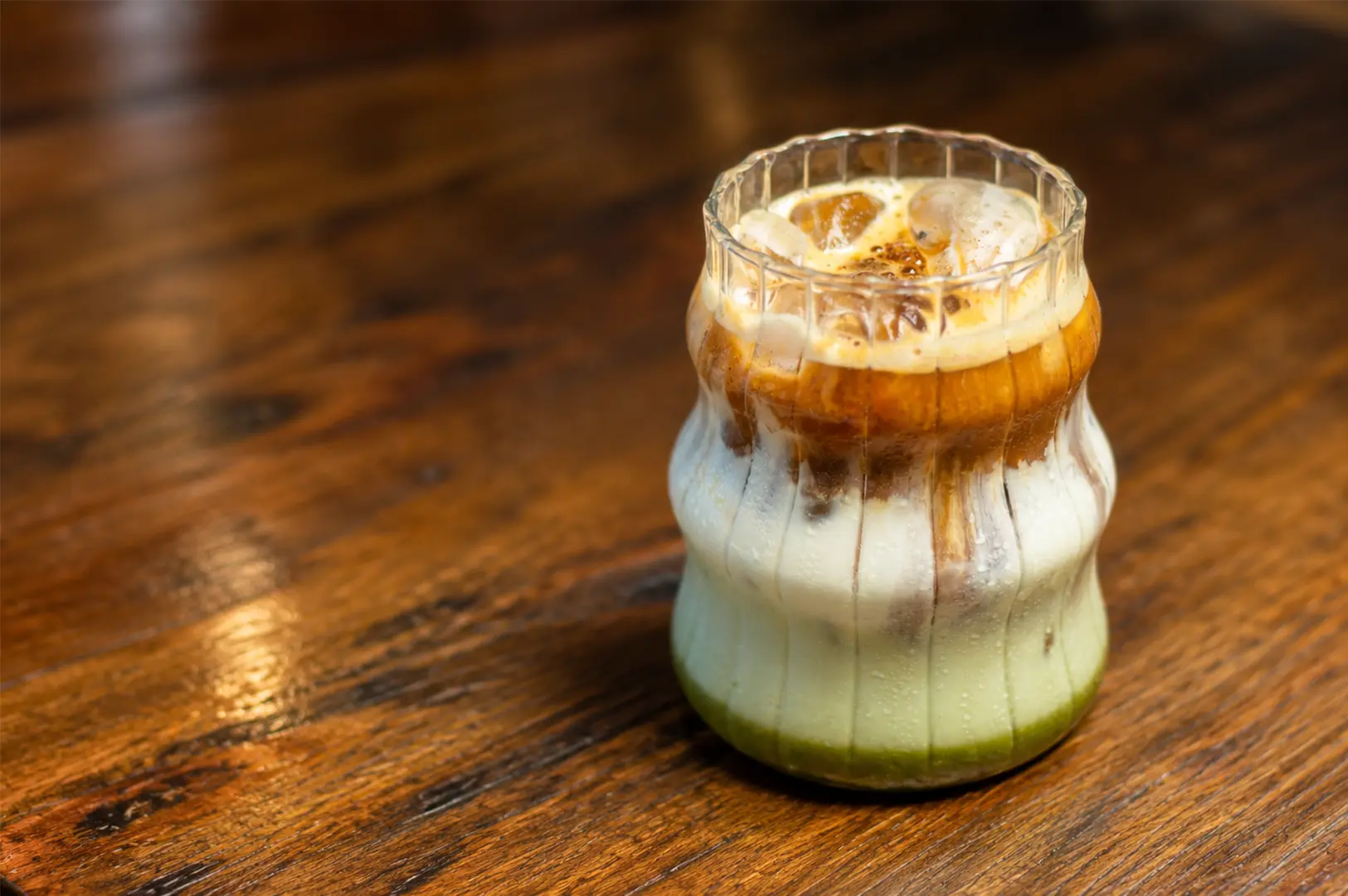
I hear it all the time. Friends wrinkle their noses when I order a matcha latte, looking at the frothy green cup as if I’ve just blended up the neighbor’s hedge. And to be fair to the skeptics, I get it. If your only experience with matcha is a dusty, olive-colored powder scooped from a bulk bin or a sugary, mass-market frappe where the “tea” is mostly food coloring and hope, then yes, it probably tasted like grass. Or worse, like hay that’s been left out in the rain.
But dismissing all matcha because you had a bad cup is like saying you hate coffee because you once drank instant granules dissolved in lukewarm tap water. You aren’t hating the drink; you’re hating the execution.
The truth is, high-quality matcha shouldn’t taste like the contents of a lawnmower bag. It is a complex, delicate, and deeply savory ingredient that, when prepared correctly, offers a flavor profile unlike anything else in the beverage world.
The Great Green Divide
The problem lies in the grading. In Singapore, we were exposed to “culinary grade” matcha for a long time before the good stuff arrived. Culinary grade is meant for baking, it’s harvested later in the season, exposing the leaves to more sunlight, which increases chlorophyll (the grassy taste) and tannins (the bitterness).
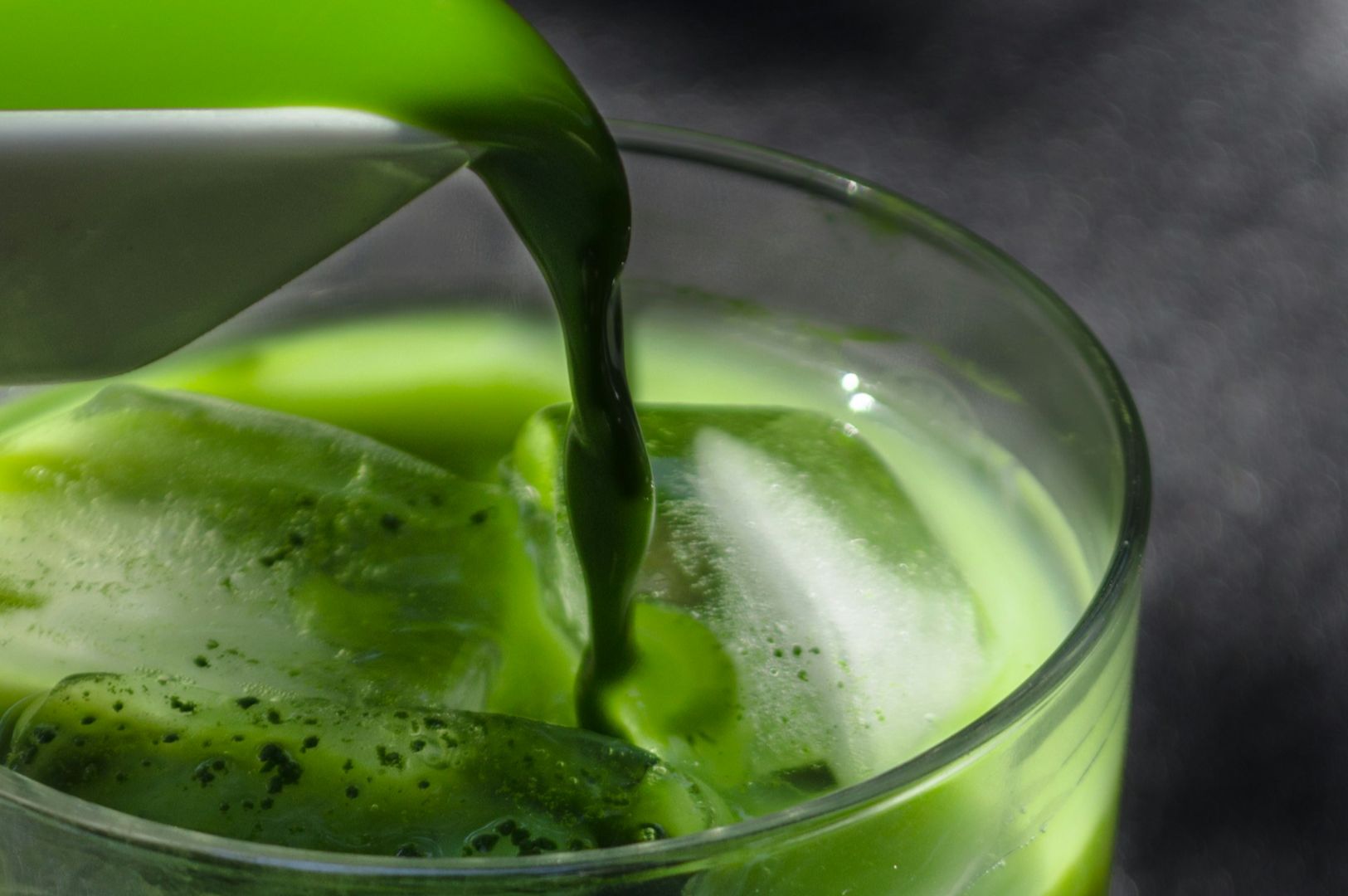
Real ceremonial grade matcha is different. It’s shade-grown for weeks before harvest to boost chlorophyll and amino acids, specifically L-theanine. When you drink a properly whisked bowl of ceremonial matcha, you shouldn’t be thinking about landscaping. You should be tasting it’s savory, brothy richness almost like a seaweed soup, balanced by a natural, lingering sweetness. It’s creamy, vegetal, and incredibly smooth umami.
Singapore’s Matcha Awakening
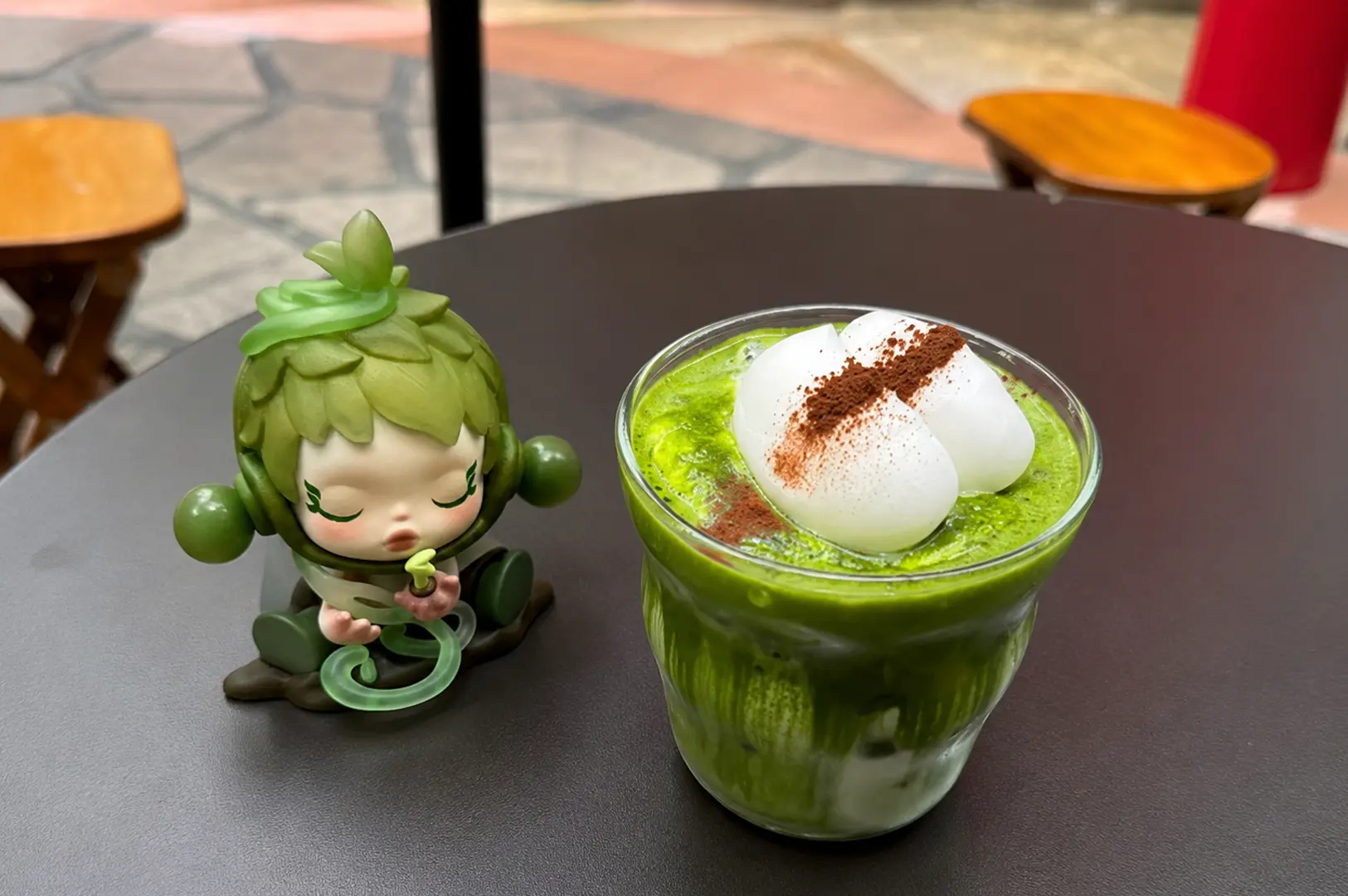
Thankfully, Singapore’s palate is evolving. We are moving away from the era of the generic “green tea latte” and entering a phase of appreciation similar to our obsession with specialty coffee. We now have dedicated tea houses and cafes that treat matcha with the reverence it commands. They are sourcing single-origin powders from Uji or Fukuoka, sifting them to remove clumps, and whisking them with bamboo to create a perfect micro-foam. chasens
This shift matters because it changes the narrative. It’s no longer just a health fad; it’s a culinary pursuit. People are realizing that a matcha latte isn’t just a caffeine alternative (though the sustained, jitter-free energy boost is a massive perk); it’s a craft beverage.
Give It One More Shot
So, if you are a staunch member of the “It Tastes Like Grass” club, I challenge you to try again. But this time, be picky. Skip the places where the powder comes out of a pre-sweetened packet. Go somewhere that whisks it to order. Look for a vibrant, neon green color, a sign of freshness and quality.
Order a matcha latte with a neutral milk, like oat or soy, which complements the nuttiness of the tea without overpowering it. Take a sip, and look for that savory, sweet complexity. If you still hate it, fair enough, but at least you’ll know you dislike the real thing, not just a sad, grassy imitation.
Wanna try out more great coffees in Singapore? Look no further, SENDs got you covered! Visit Social Eats ‘N’ Drinks or click here!