
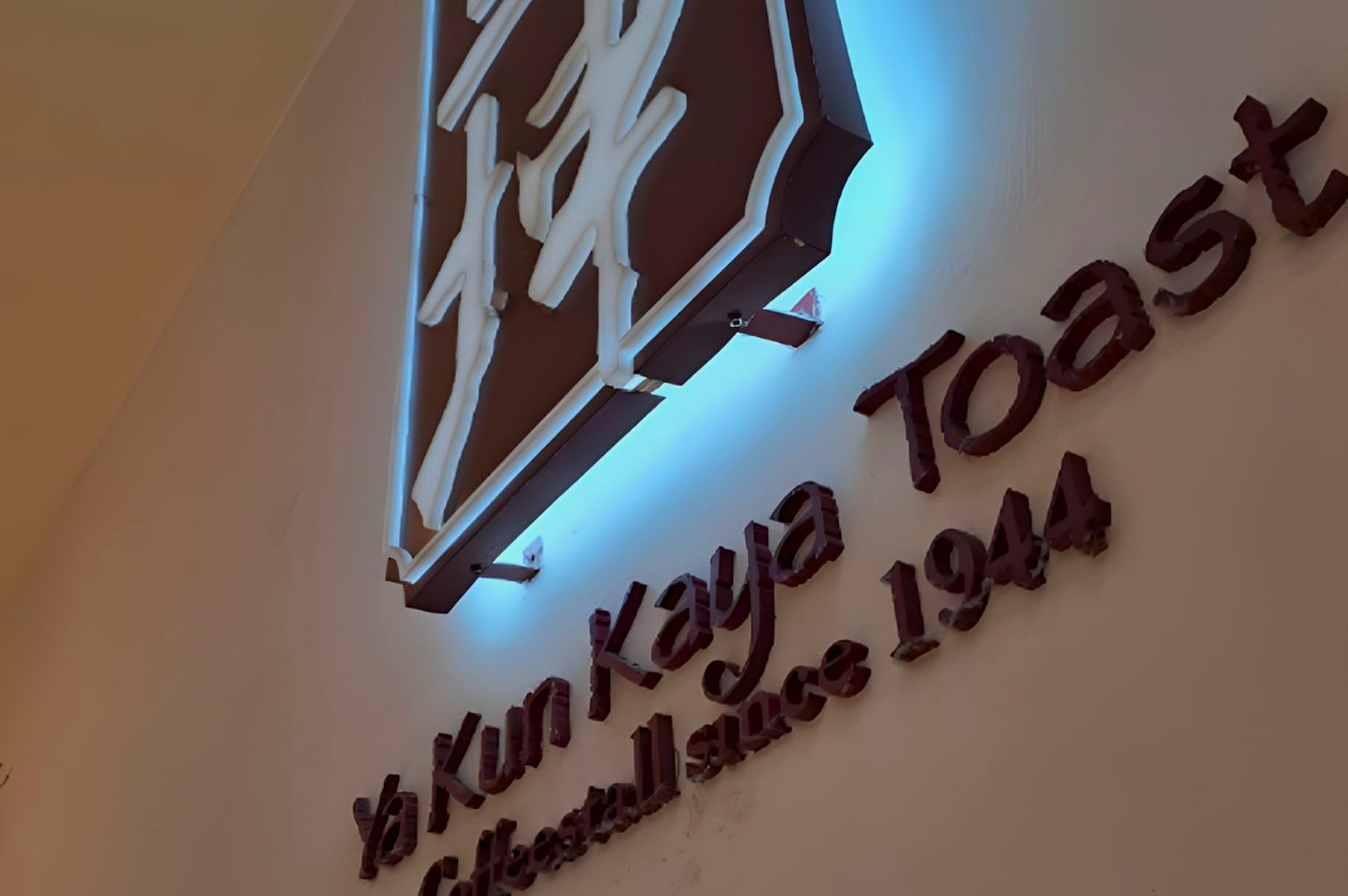
There’s a certain comfort in a breakfast that doesn’t change. In a city that reinvents itself every few years, the taste of kaya toast, soft boiled eggs, and strong kopi feels like a gentle anchor to the past. I found myself seeking that quiet comfort on a bright Thursday morning, stepping into the Ya Kun Kaya Toast at Fortune Centre around 8 AM, just as the day was beginning to warm up.
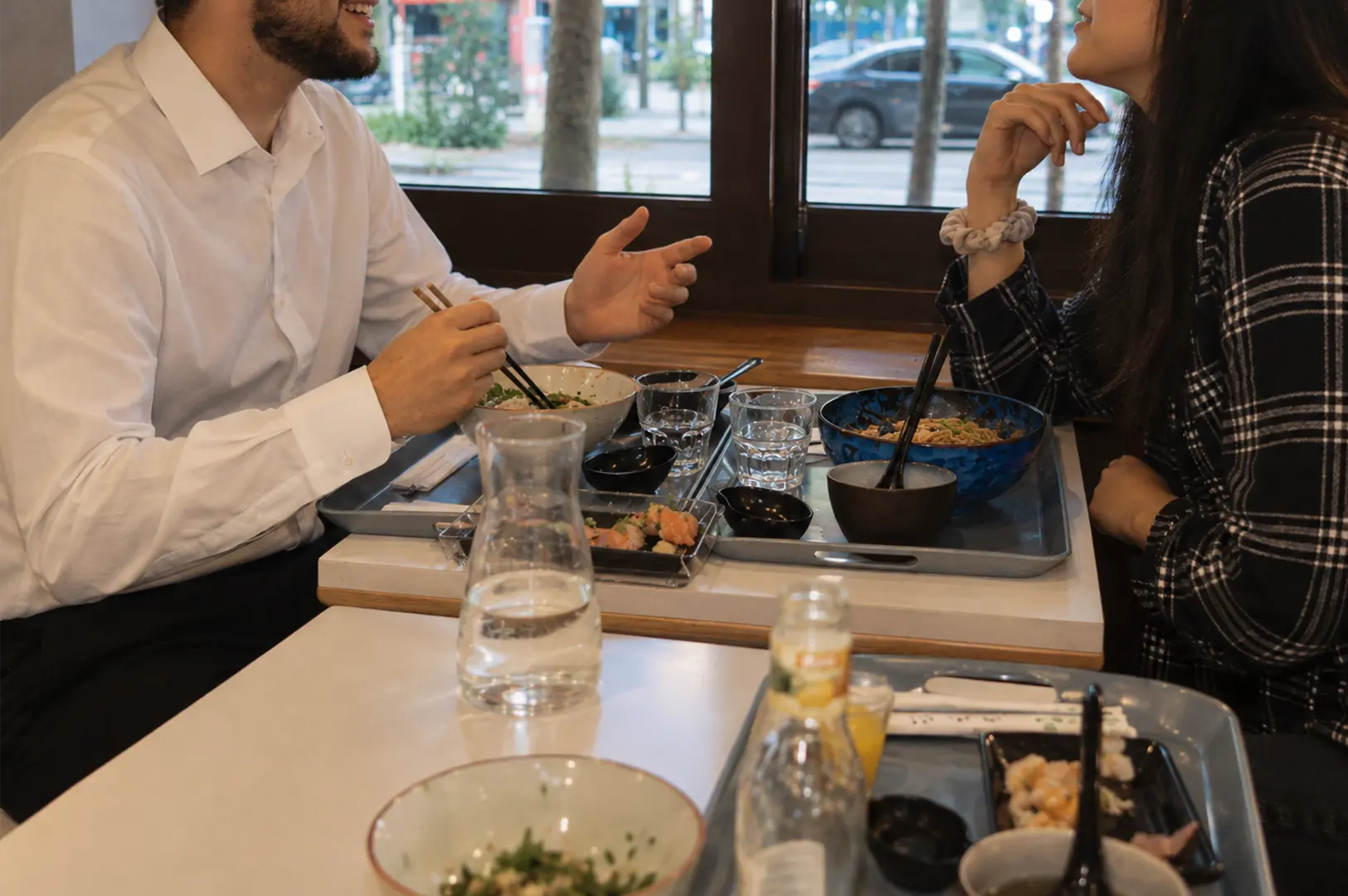
The air inside felt calm, a soft contrast to the growing hum of traffic along Middle Road. The space is simple and bright, with familiar wooden tables and stools that invite you to sit for a while, but not for too long. It’s an unpretentious sort of place, where the focus isn’t on elaborate decor, but on the steady, reliable ritual of a good Singaporean dish.
Ya Kun Kaya Toast Singapore: Atmosphere and First Impressions
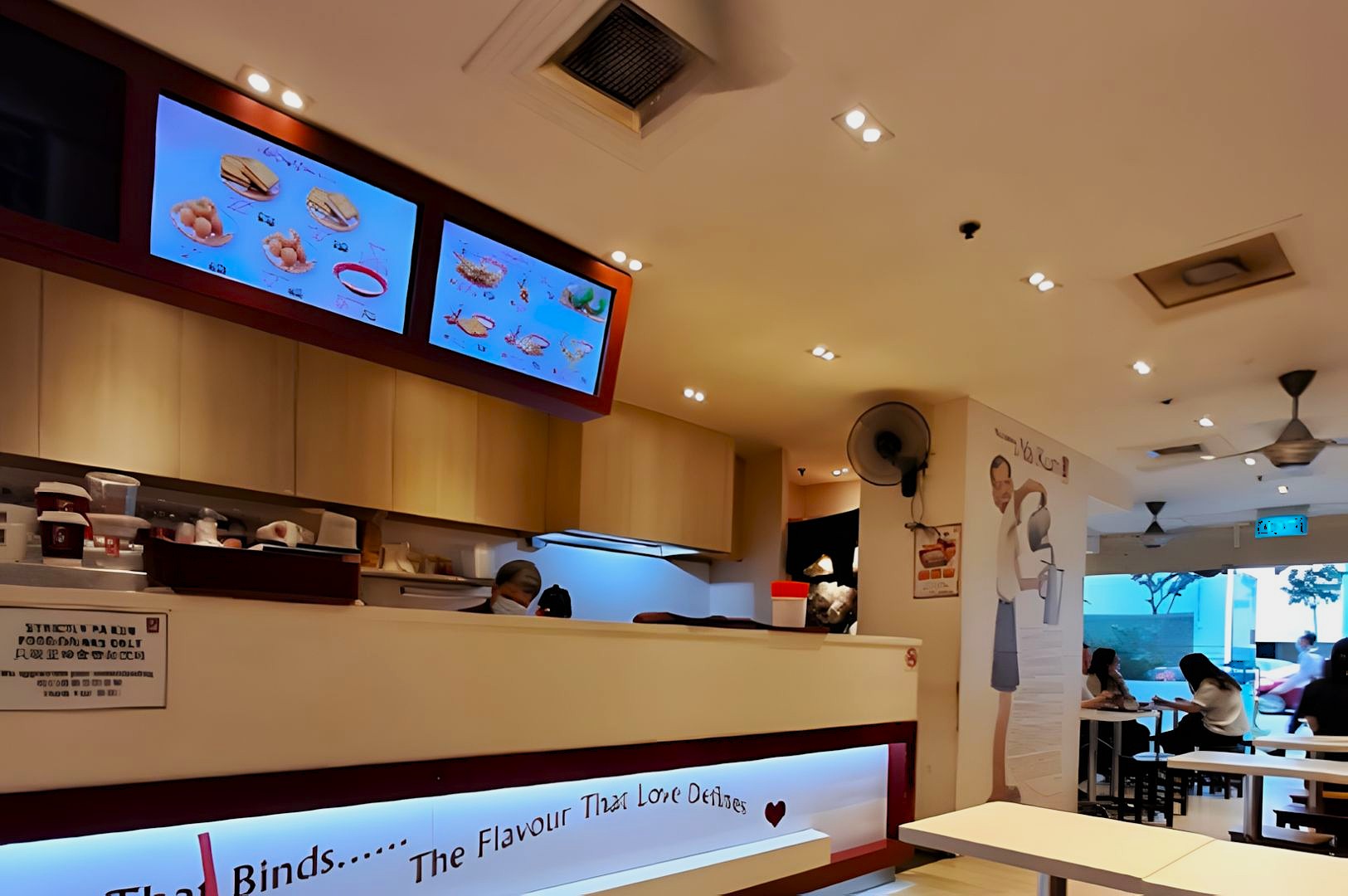
The first thing I noticed was the gentle clatter of ceramic cups and the low murmur of conversation. It felt cozy and lived-in. Unlike the sleek, modern coffee shops that dot the city, this Ya Kun has a warmth that feels earned over time. I found a small table by the cashier, a nice spot to watch the world wake up and people ordering. Although, I heard that it recently got a new renovation, making the store look more sleek and updated, when I visited this branch before, it looked somehow worn down, there were boxes outside and it was cluttered, but for some reason that kinda added to the appeal of this place. It made it more home-y.
A word of warning, though: the air conditioning felt a little weak, even in the morning. On a really hot day, it might feel a bit stuffy, but for my visit, I didn’t quite experience the heat, just feeling stuffy since there were plenty of customers getting their breakfast as well. But it’s a place that feels real, a slice of everyday life where locals and curious tourists sit side-by-side, sharing the same simple meal.
Kaya Toast, Soft Boiled Eggs, and Kopi: A Taste of Comfort
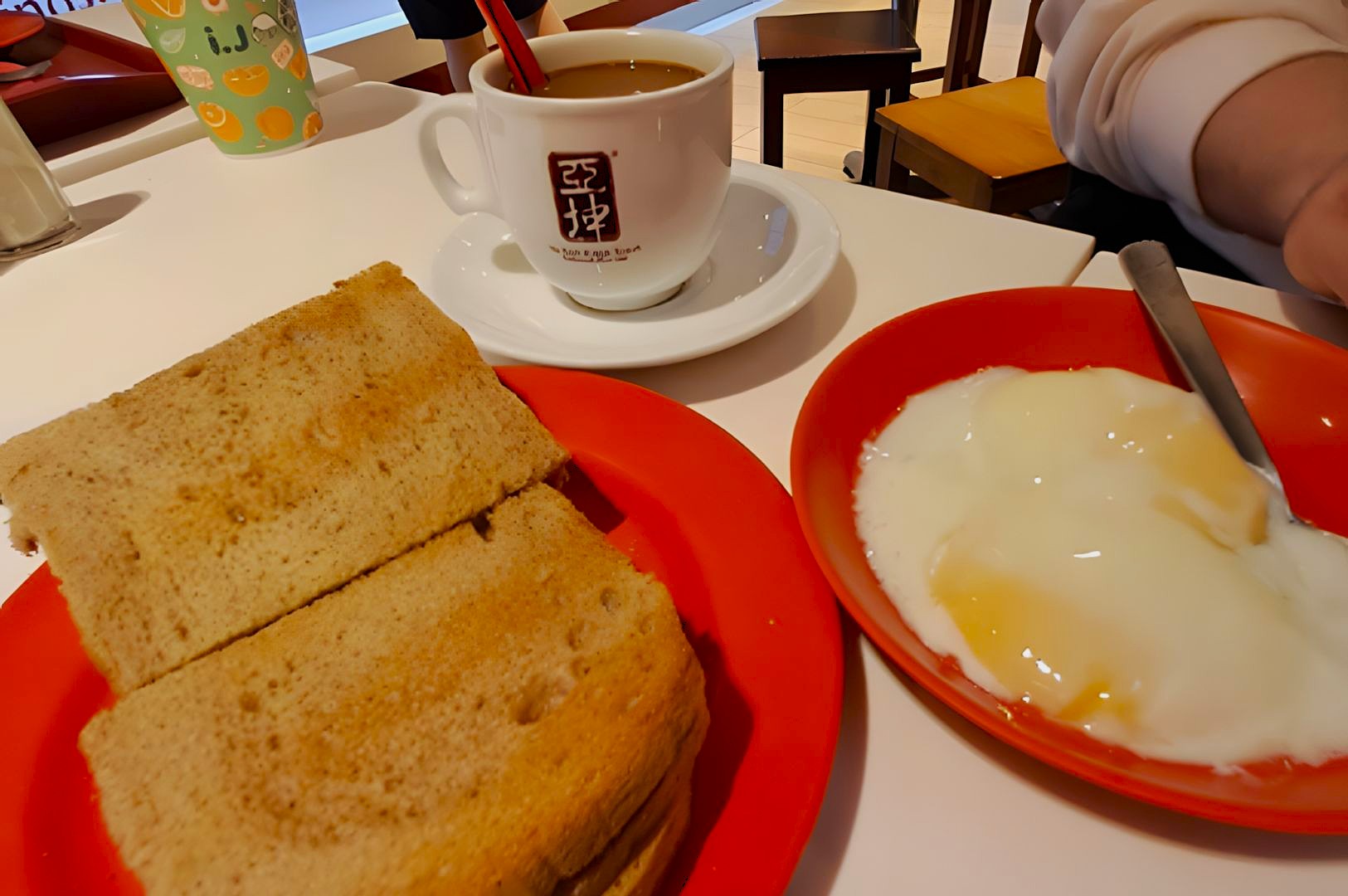
I ordered what I always order, the Kaya Butter Toast Set A (around $5.60). It’s a trio that just makes sense together. The toast arrived warm, sliced into thin, crispy rectangles. The kaya was generous, a sweet and fragrant layer of coconut jam made from coconut milk and eggs, with a cold, solid slab of butter nestled in the middle.
The magic is in that first bite—the crunch of the toast, the sweet creaminess of the kaya, and the salty coolness of the butter melting together. It’s a texture and taste that feels like a hug in food form.
The Soft Boiled Eggs came in a small bowl, cooked just right. I tapped the shells and they cracked open to reveal wobbly whites and perfectly runny, golden yolks. I love dipping the toast into the yolk, letting it soak up the richness. It’s a simple, interactive pleasure. We would’ve ordered another set if it weren’t for the long line already formed.
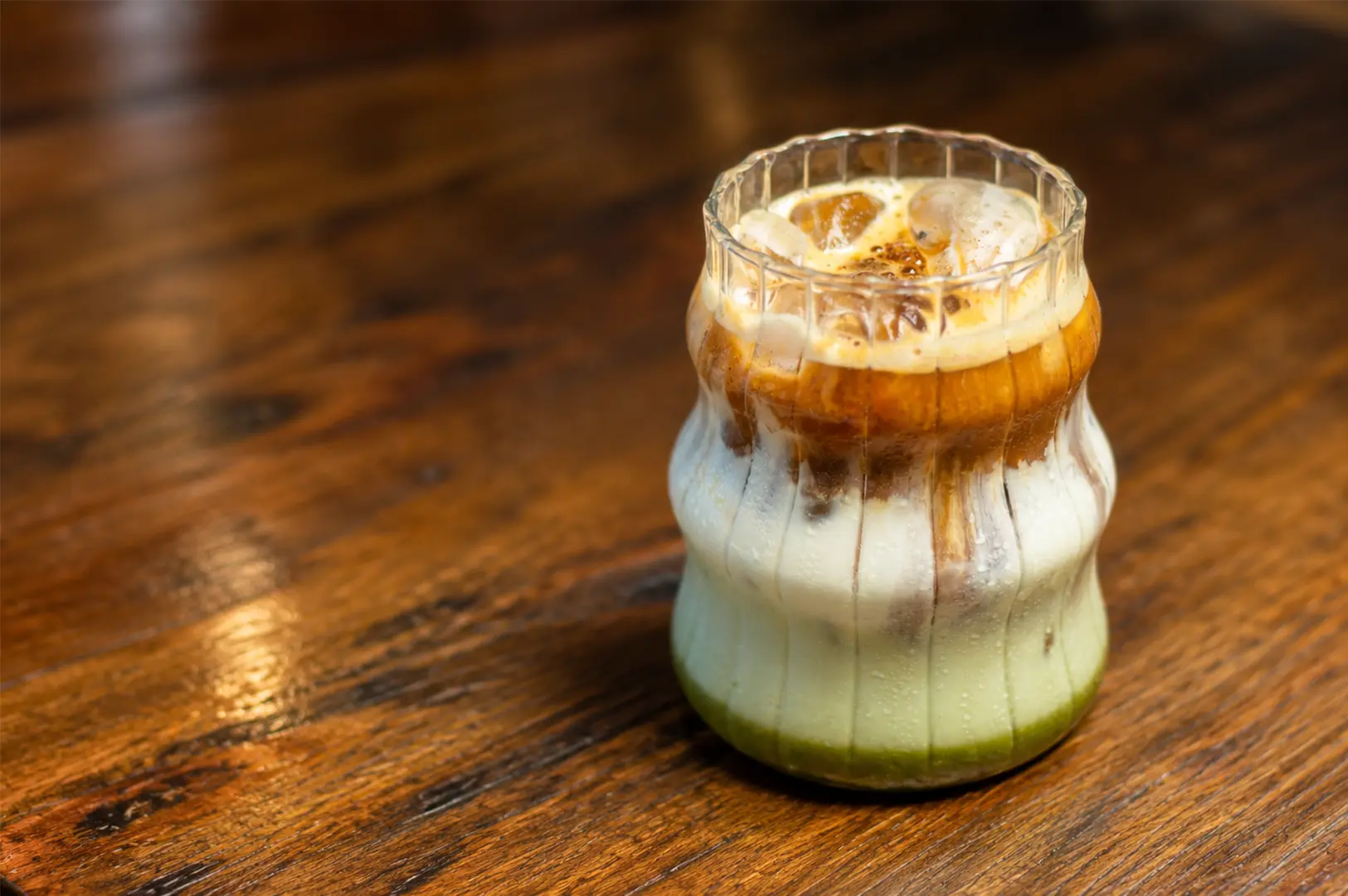
And then there’s the Kopi. It was strong, bold, and aromatic, with a pleasant bitterness that cut through the sweetness of the toast perfectly. It’s the kind of coffee that grounds you, a familiar taste that warms you from the inside out. If you are not quite a kopi person, there was a nearby orange juice machine that I tried and it tasted great!
Practical Information: Where to Find Ya Kun Kaya Toast and More
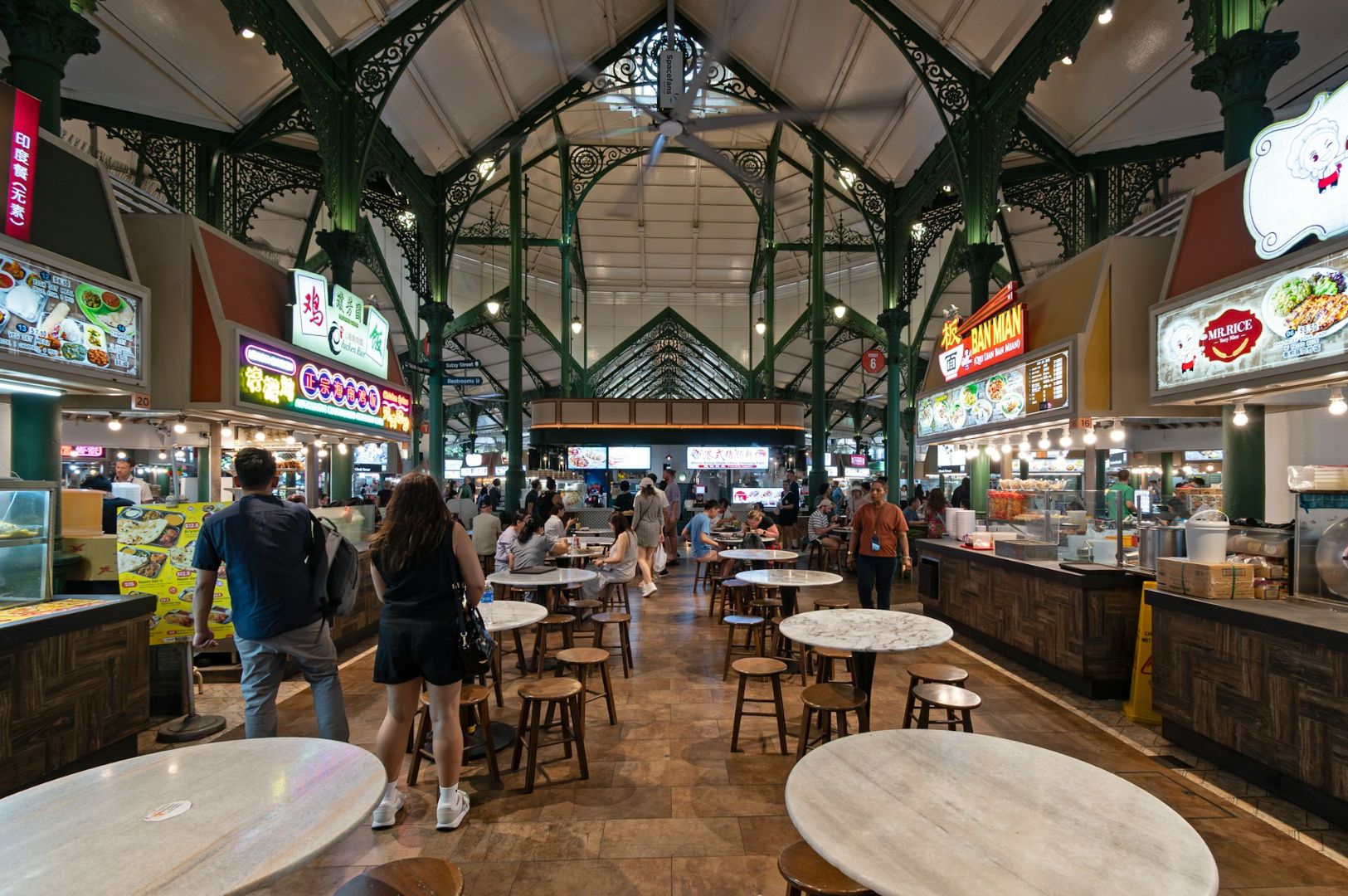
Ya Kun Kaya Toast has multiple outlets across Singapore, including at Fortune Centre, offering a nostalgic coffee shop experience. Hawker centres like Maxwell Food Centre, Lau Pa Sat, and Chinatown Complex are ideal spots to explore these local dishes and experience Singapore’s vibrant food culture.
Final Verdict
Ya Kun Kaya Toast Singapore offers a comforting and authentic taste of local food, perfect for a simple breakfast or snack. Combined with the rich variety found at hawker centres — from char siu to bak kut teh, from carrot cake to chili crab — Singapore’s food scene is a delicious melting pot that delights every taste bud.
Whether you’re a tourist eager to try Singapore’s national dish or a local craving familiar flavors, the city’s hawker stalls and food courts provide endless culinary adventures. And it all begins with a humble slice of kaya toast and a cup of kopi at Ya Kun.
Ratings: 3.5/5 stars ⭐
Exploring Other Singapore’s Signature Dishes at Hawker Centres
Singapore’s food scene is a melting pot that blends Chinese, Malay, Indian, and Peranakan food influences, creating a vibrant array of local dishes. The city’s hawker centres and hawker stalls are the heart of this culinary culture, offering everything from the popular noodle dish char kway teow to fragrant rice cooked with chicken fat in hainanese chicken rice, Singapore’s national dish. Here are some of the other dishes I have tried while I was in Fortune Centre:
Char Kway Teow: Stir Fried Flat Rice Noodles
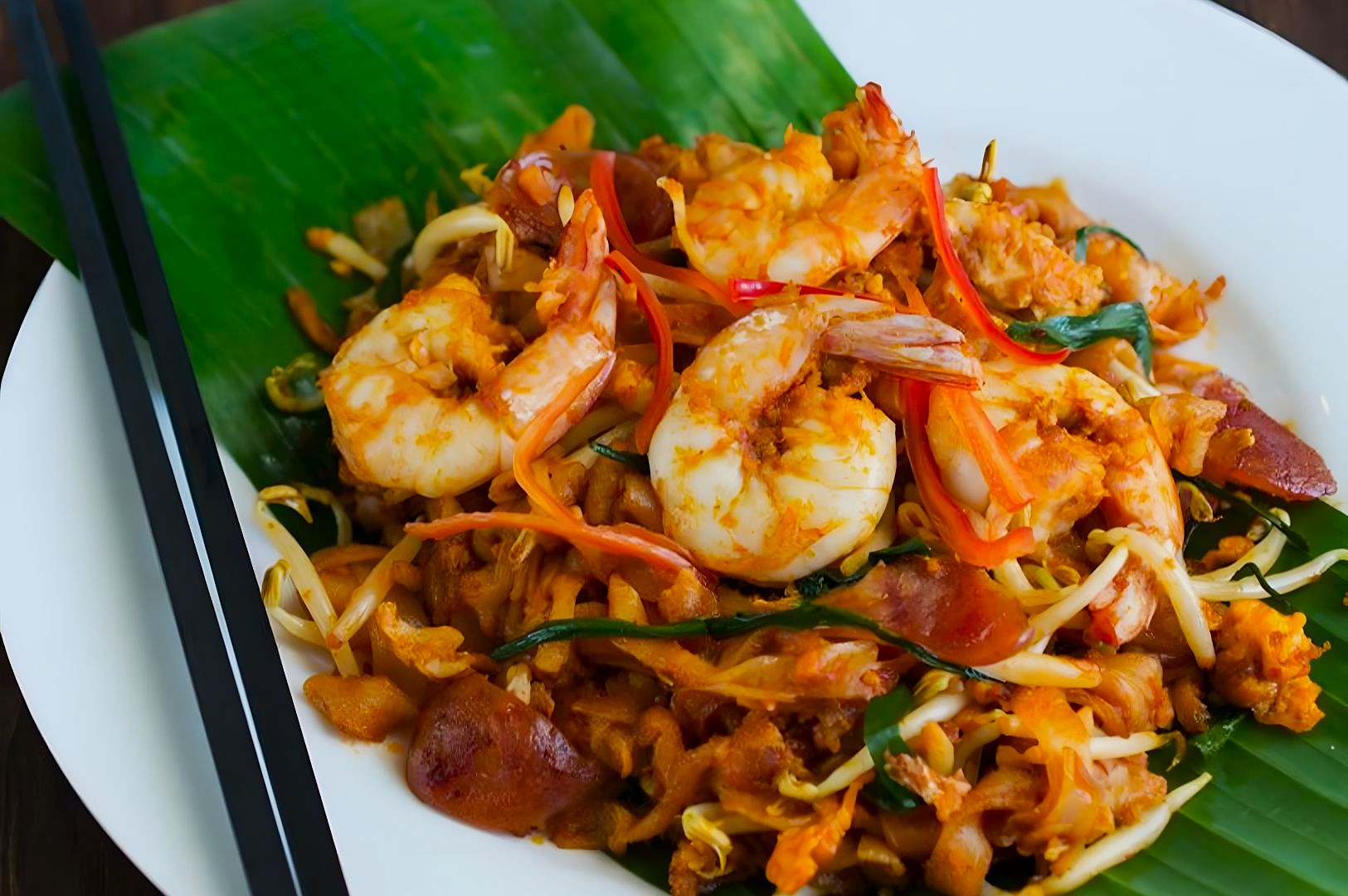
Char kway teow is a beloved street food made with flat rice noodles stir fried in pork lard and shrimp paste, mixed with egg noodles, bean sprouts, Chinese sausage, fish cake, and often cockles. The dish is coated in a savory dark soy sauce and chili sauce, delivering a smoky, spicy sauce that excites the taste buds. It’s a signature dish at many of the best hawker stalls and food courts across Singapore.
Price point: Typically ranges from SGD 3 to SGD 6 per plate.
Hainanese Chicken Rice and Chicken Rice: The Fragrant Comfort Food
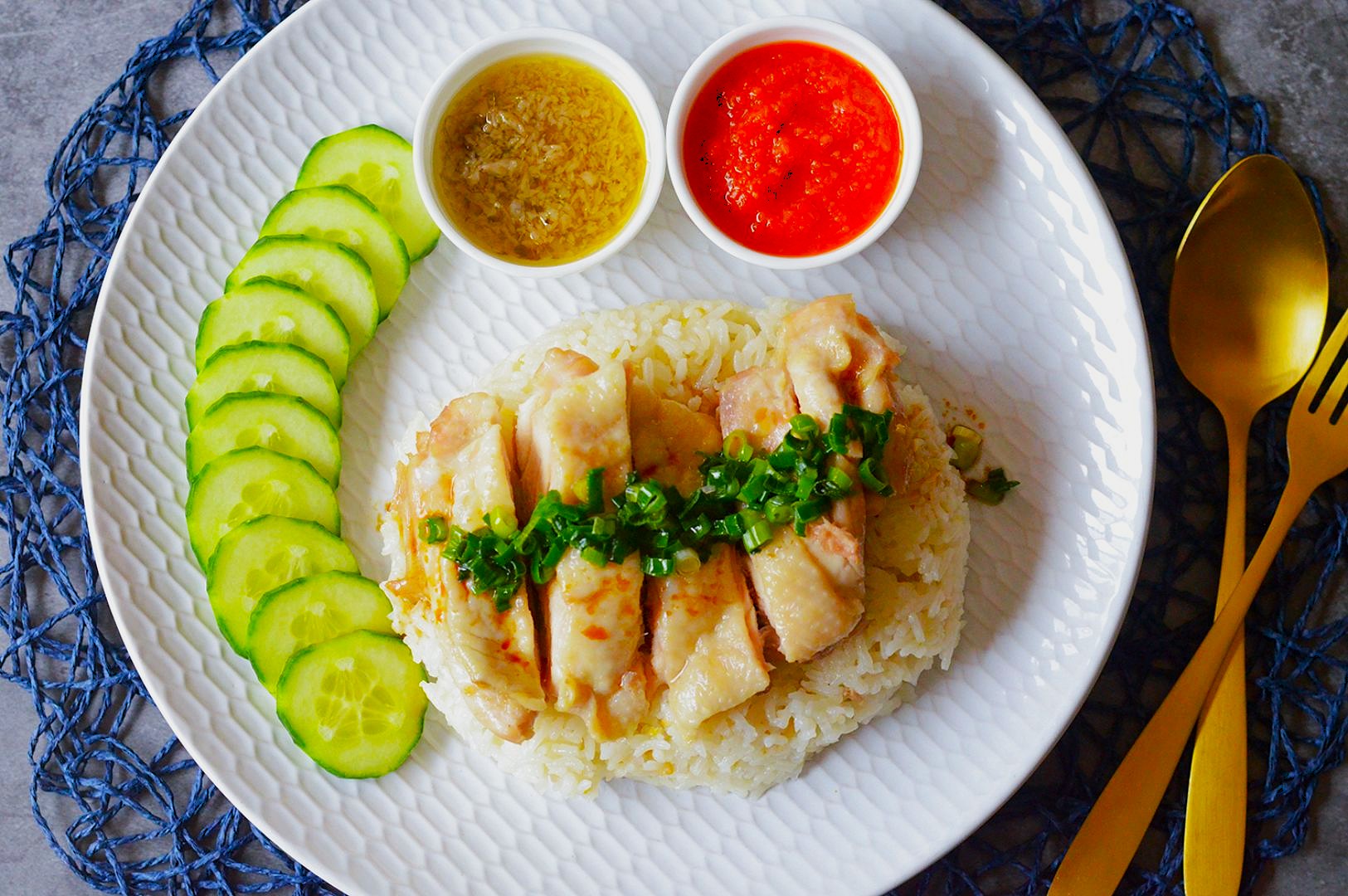
Hainanese chicken rice features tender poached chicken served alongside fragrant steamed rice cooked in chicken broth and chicken fat, accompanied by chili sauce, soy sauce, and ginger paste. Variations include roasted chicken rice with crispy pork belly or char siu. This dish is a staple at hawker centres and coffee shops, embodying Singapore’s love for simple, comforting local food.
Price point: Typically ranges from SGD 3 to SGD 6 per plate.
Chili Crab and Singapore Chili Crab: A Seafood Delight
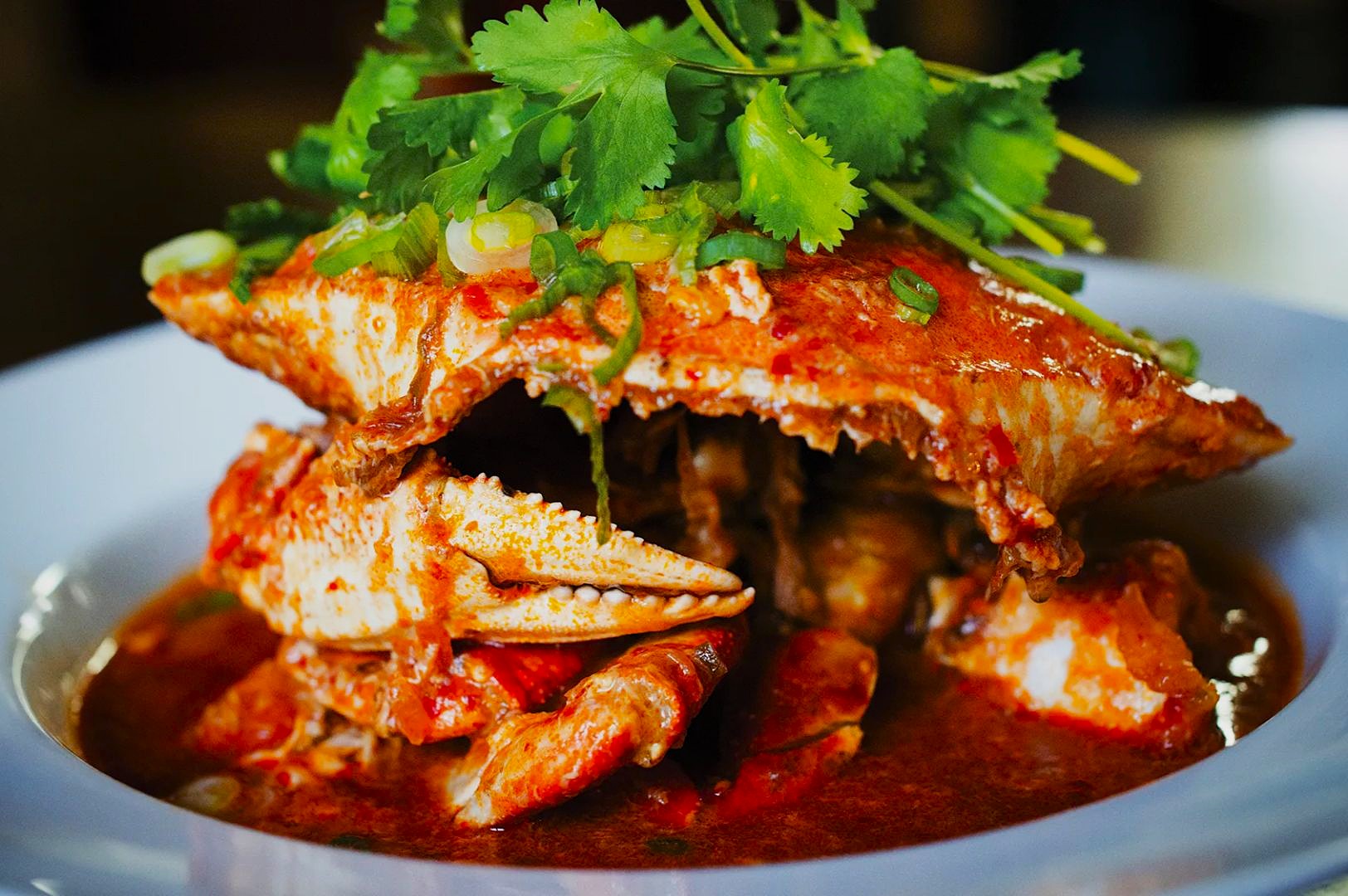
Chili crab is one of Singapore’s most famous signature dishes, featuring fresh mud crab cooked in a rich, tangy, and slightly sweet chili sauce made with sambal chili sauce, tomato, and egg. While the dish is called chili crab, it is not overly spicy but packed with flavor. It’s often enjoyed with fried mantou buns to soak up the delicious chili sauce. Sambal stingray, grilled with curry leaves and spicy sauce, is another popular seafood dish found at hawker stalls.
Price point: Typically ranges from SGD 40 to SGD 80 per crab, depending on size and restaurant.
Sweet Treats and Drinks: Shaved Ice, and Singapore Sling
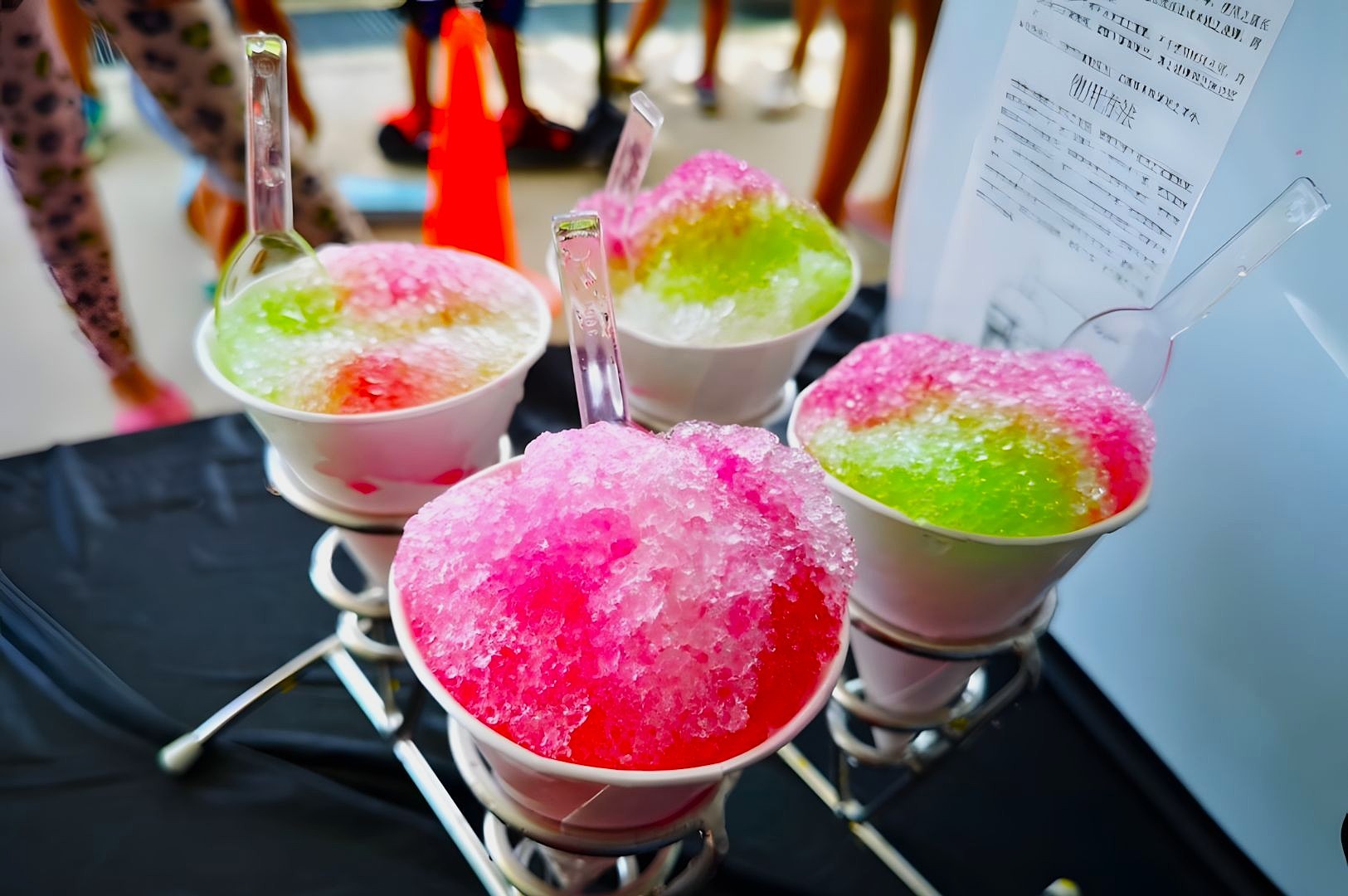
For dessert, shaved ice topped with palm sugar syrup, red beans, green jelly, condensed milk, and palm sugar is a refreshing choice. To complement the meal, try teh tarik, kopi, or the iconic Singapore sling cocktail, first crafted at Raffles Hotel.
Price point: Typically around SGD 1.50 to SGD 3 for shaved ice desserts and SGD 10 to SGD 20 for cocktails and specialty drinks.
Conclusion
Ya Kun Kaya Toast Singapore offers more than just a meal—it’s a comforting taste of tradition and a genuine slice of local culture.
Whether you’re starting your day with their iconic kaya toast, soft boiled eggs, and kopi, or exploring the rich variety of dishes at Singapore’s vibrant hawker centres, you’re experiencing the heart and soul of this melting pot city’s food scene. From the fragrant hainanese chicken rice to the flavorful chili crab and beyond, good Singaporean food delights are sure to satisfy every craving.
For those looking to dive deeper into Singapore’s food culture, Social Eats N Drinks is your ultimate guide and companion. Discover the best local eats, hidden gems, and authentic dining experiences that bring the city’s flavors to life. Follow Social Eats N Drinks for expert recommendations, mouthwatering food stories, and the latest updates on Singapore’s dynamic food scene. Your next delicious adventure awaits.