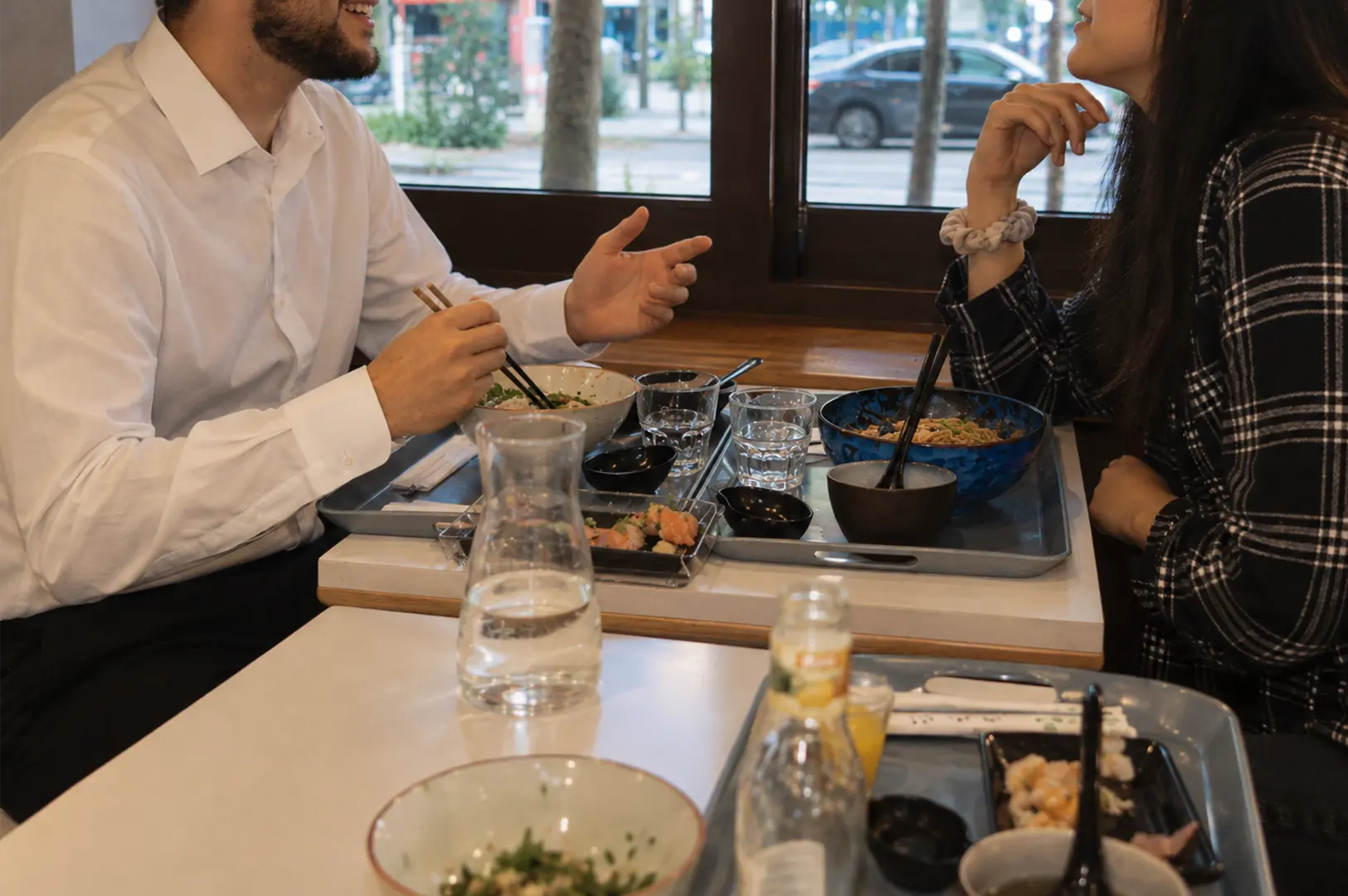

There’s a quiet pause before every meal now—just after the plate is set down, but before the first bite. In that stillness, a phone rises. An angle is found. A digital record is snapped and often shared. Only then do the fork or chopsticks move. It’s a modern ritual that has fundamentally reordered the act of eating: food becomes content before it becomes a meal.
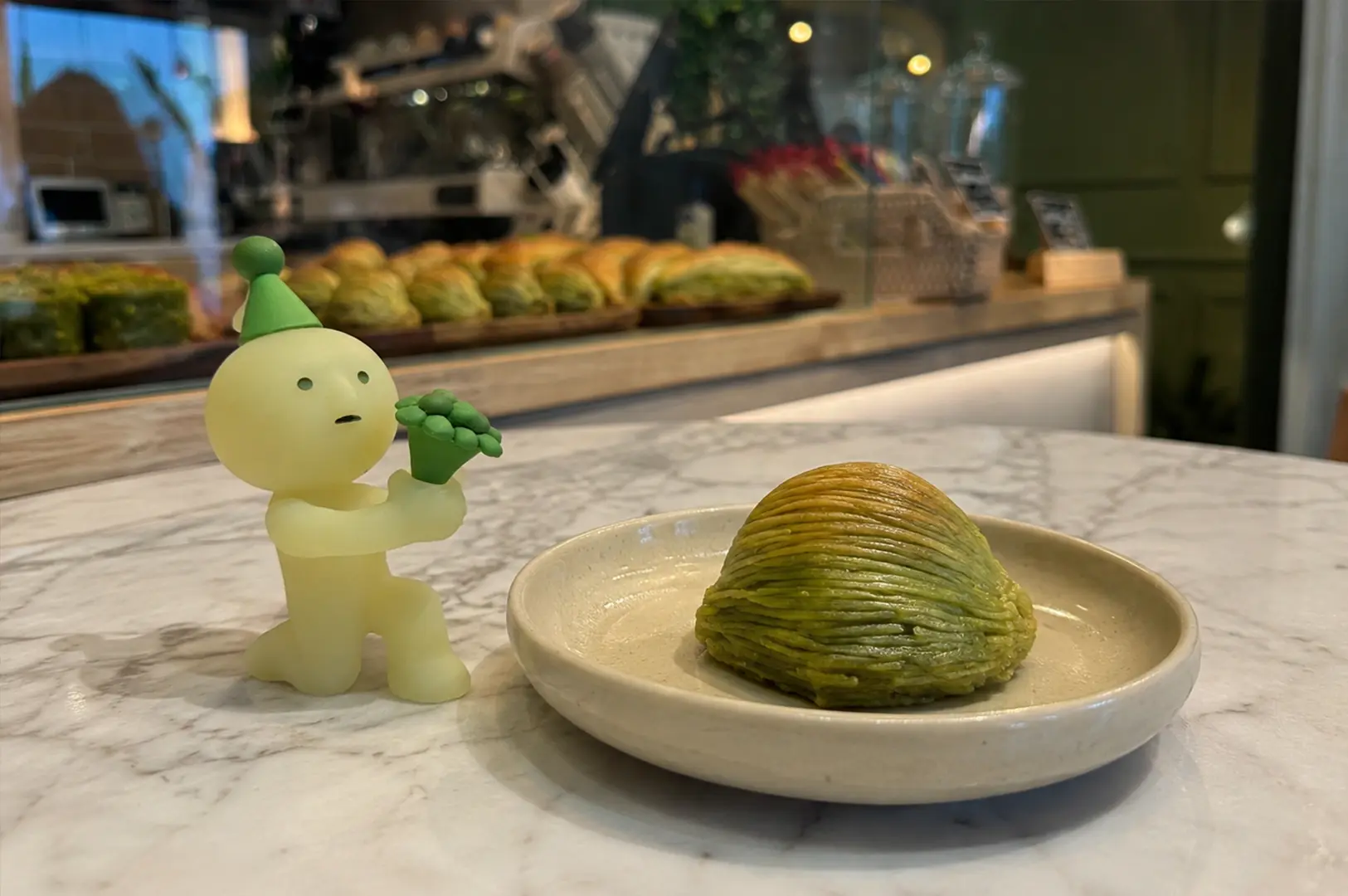
This isn’t new, but its impact has deepened, quietly reshaping what we call “good” food at every level in Singapore. No longer confined to fine dining, where plating was always part of the show, the visual now leads even in coffee shops and bakeries. A meal’s first test isn’t taste—it’s how it looks on a screen.
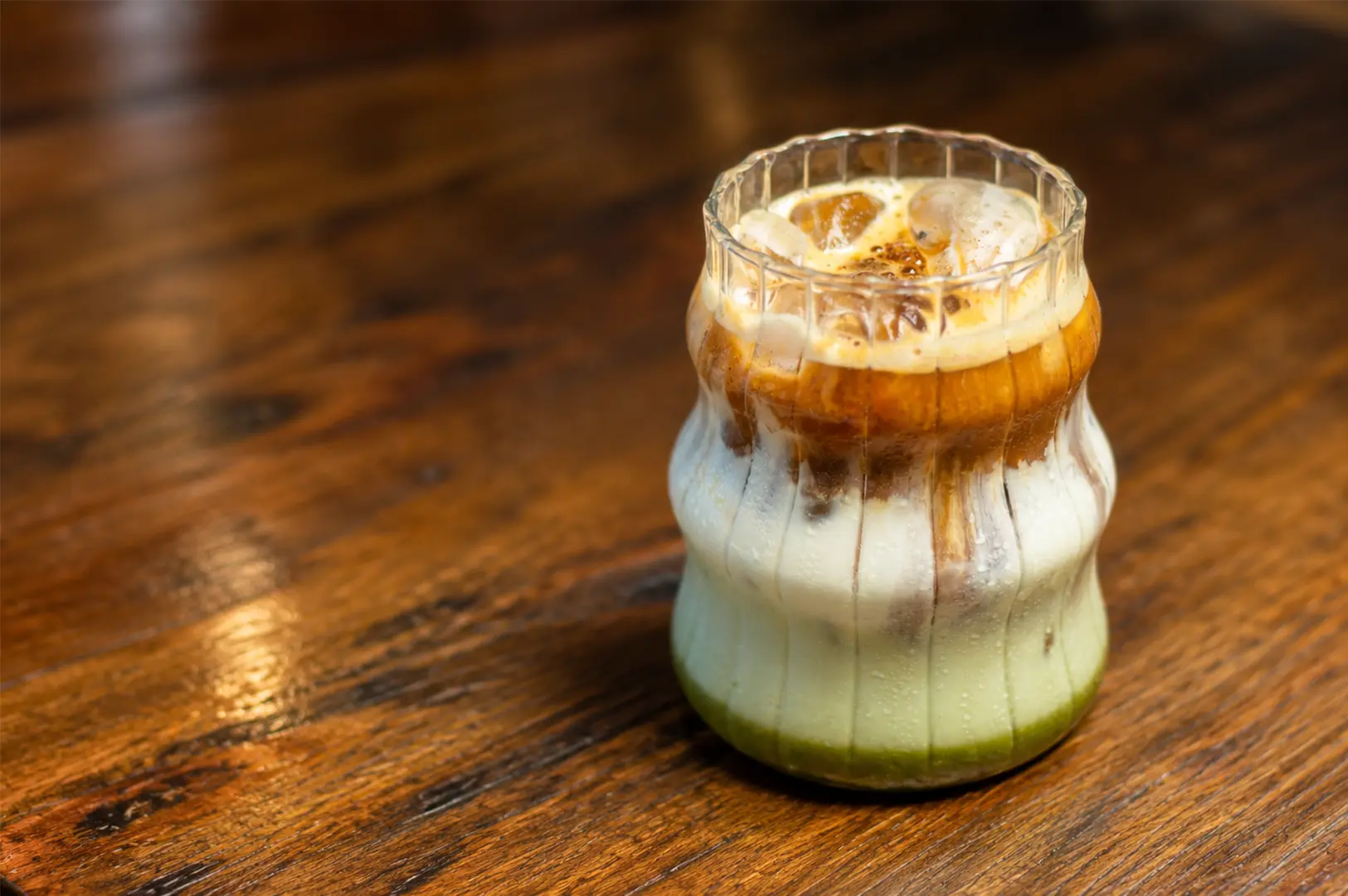
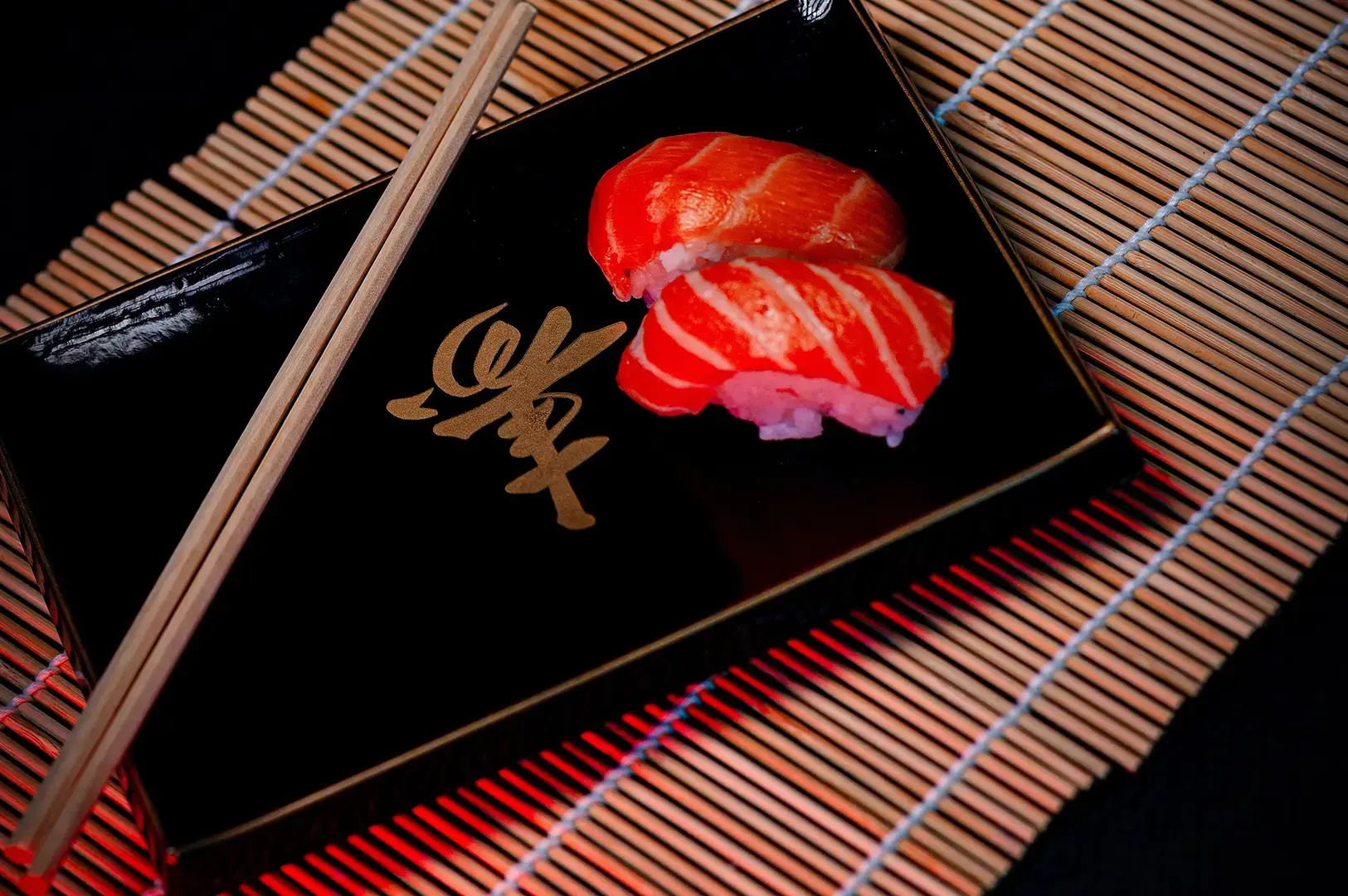
A bowl of noodles with a perfectly centered egg yolk, or kueh dusted precisely with coconut—these aren’t just attractive dishes; they’re photogenic by design. The difference is subtle but significant. Chefs arrange food for the camera’s eye, knowing a hundred will see the dish online before one gets to taste it.
As a result, our idea of quality has shifted. We judge food through a mediated lens—by visual texture, color, the play of light in a photo. Kitchens tweak plating for digital appeal. Diners, in turn, seek out dishes that translate well to content. Memory and habit—once the pillars of our favorites—now compete with an algorithmic aesthetic.
This isn’t a decline in standards, but a recalibration. Sometimes, the quest for perfection lifts craft and care. Yet, it can also create a disconnect. The most delicious meals—the stew that’s murky from hours of simmering, or a messy plate of char kway teow—are rich in flavor but poor in photogenic qualities. In this order, they risk being overlooked not for taste, but because they don’t pop on a feed. We’ve started trusting the screen more than our senses—our eyes, not palates, get the first taste.
For more talks about trendy dine-ins in Singapore, check out Social Eats ‘N’ Drinks, where we discuss food trends that are buzzing in social media.