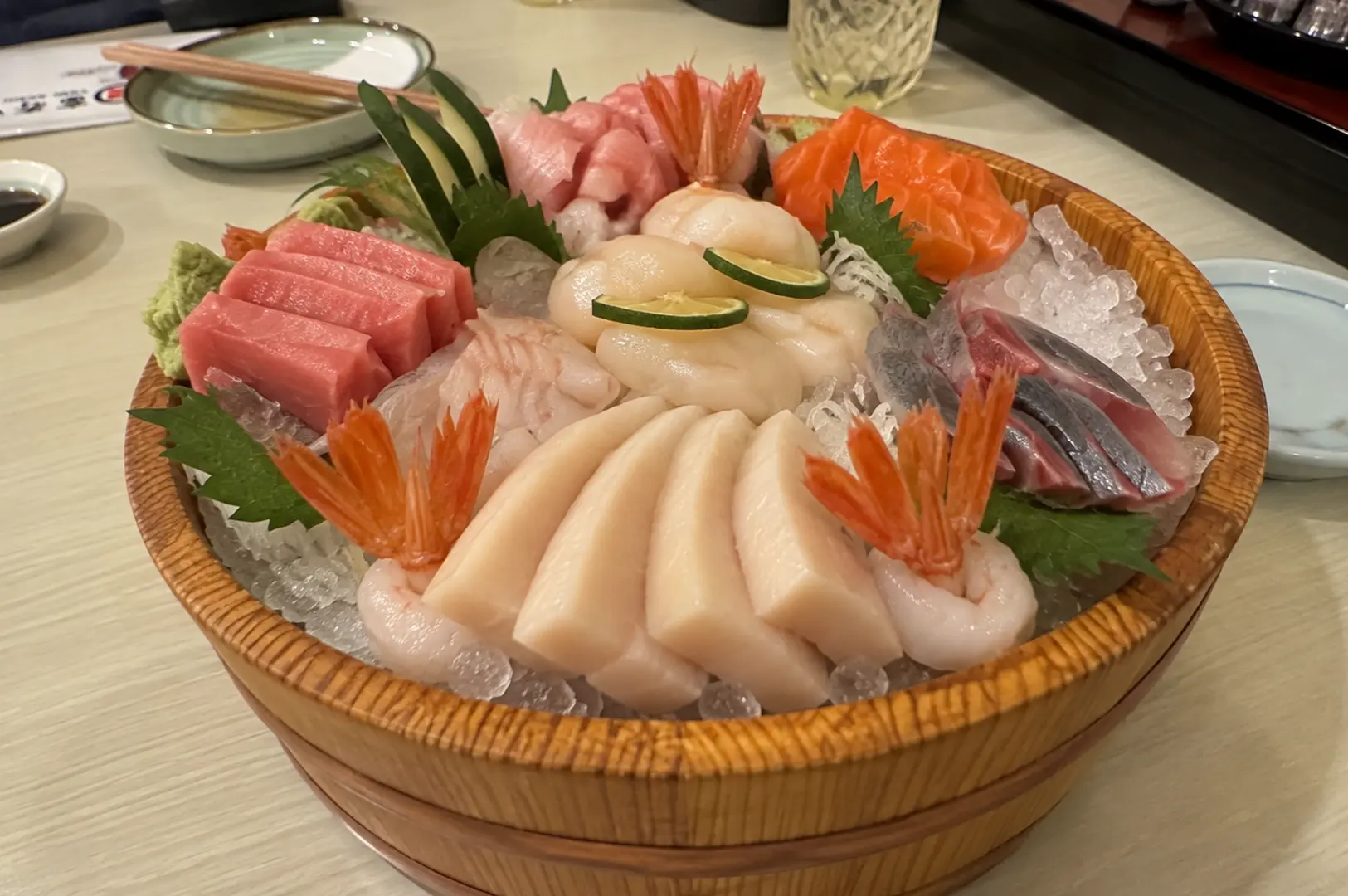

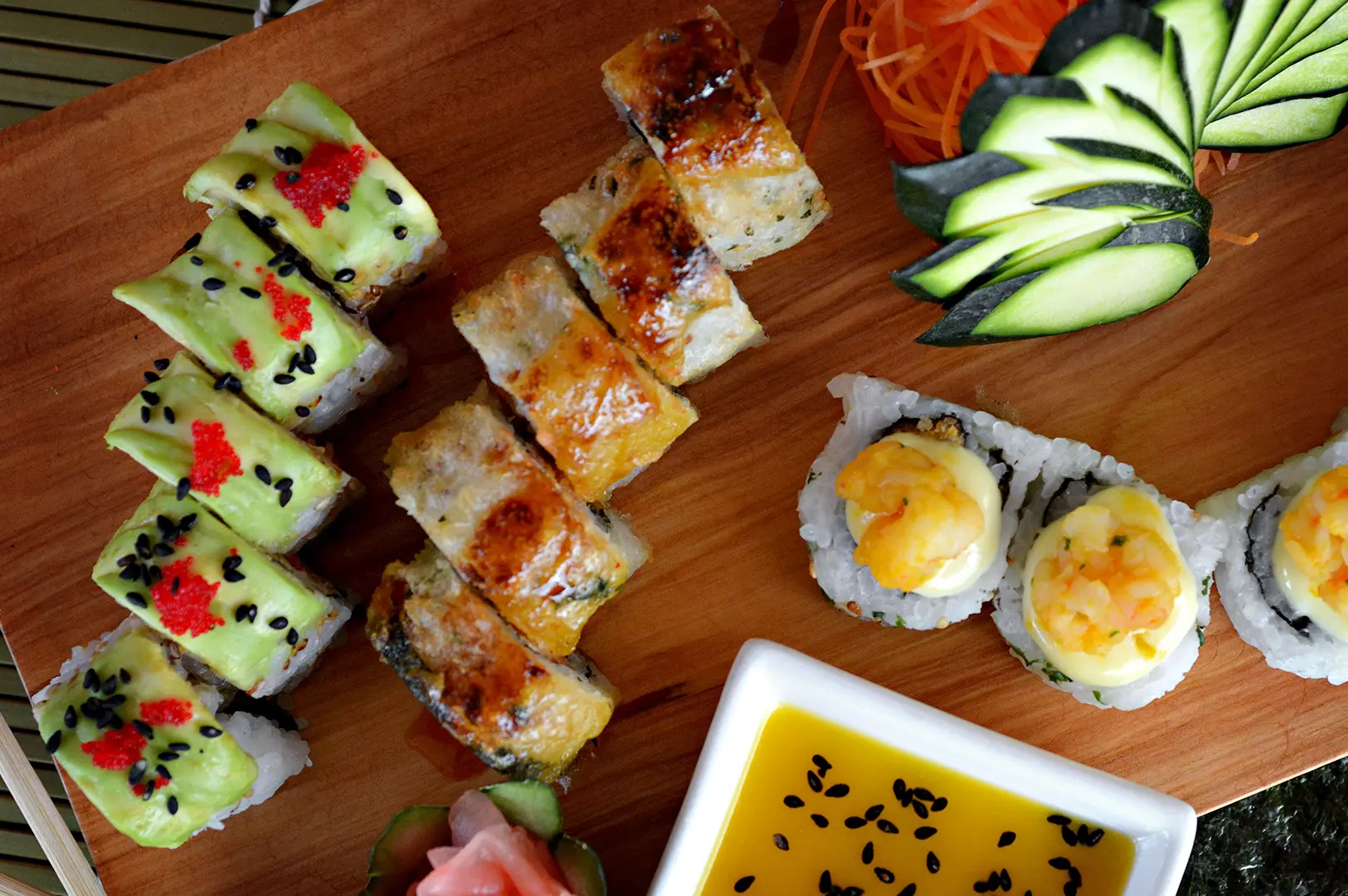
The first time I read a full sushi menu at a sushi restaurant, I pretended I understood it.
Maki here, uramaki there, nigiri sushi in one column, aburi sushi in another. All of them sitting side by side like they belonged to the same neat category. I nodded at the words, ordered something safe, and quietly promised myself I would figure it out one day.
It took me years, and a lot of meals, to realise the menu wasn’t confusing on purpose. Some of those words describe a shape. Some describe a technique. A few overlap in ways that nobody bothers to explain when you’re twenty and hungry.
One small thing before we start, because it matters. Sushi is not defined by raw fish or raw seafood. It’s defined by the sushi rice (shari) — that seasoned, lightly vinegared rice that holds everything together. Some sushi uses raw fish, yes. But plenty of it uses cooked ingredients like grilled eel, shrimp tempura, egg, or just cucumber and pickles. Sashimi, which is fish served without rice, is a different dish entirely. Once that clicked for me, the whole menu started to make sense.
Aburi Sushi: The One That Won Me Over First
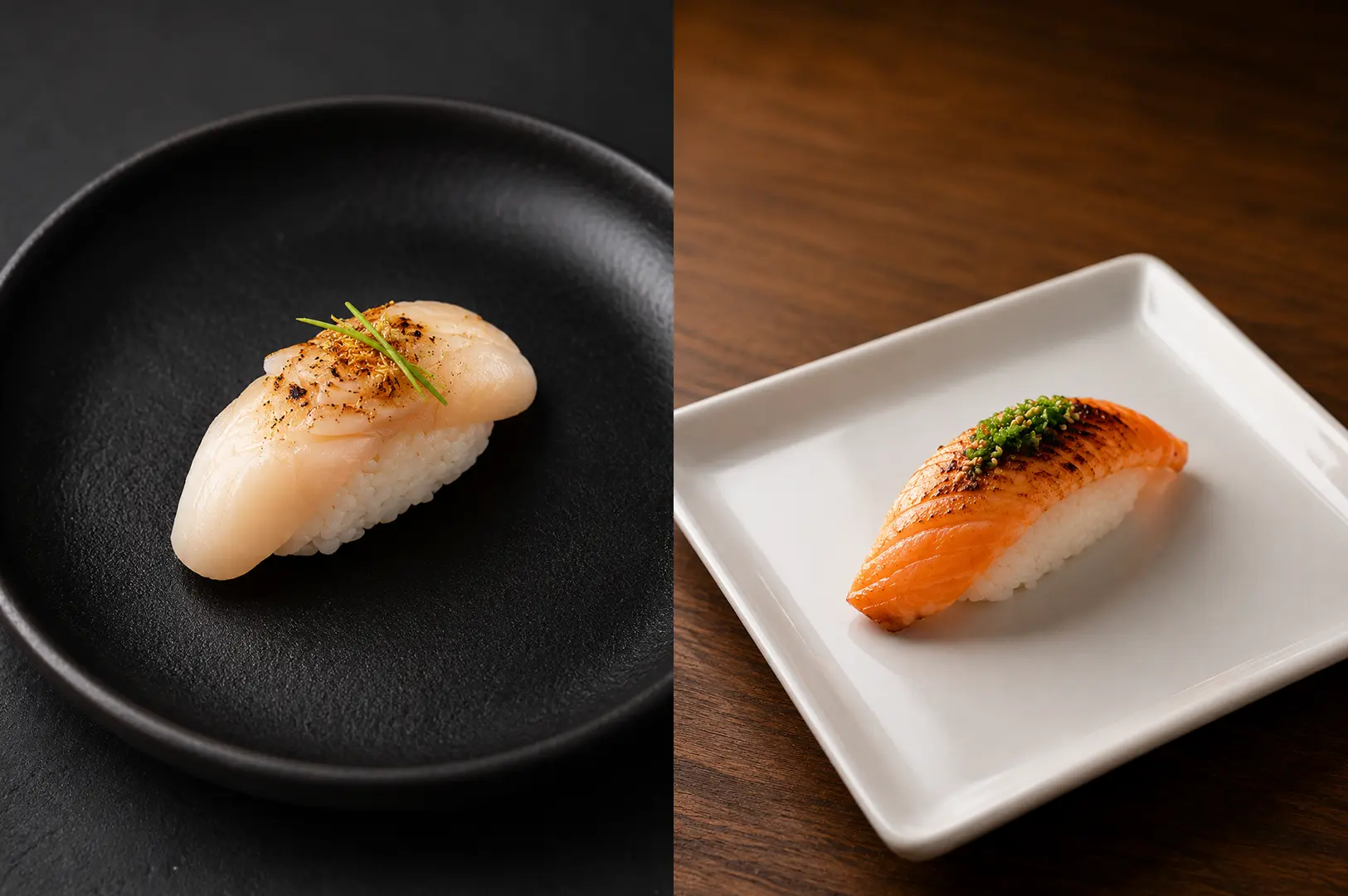
Aburi sushi isn’t a shape. It’s a technique, a quick pass of a flame across the top of the fish before it reaches you.
That flame does something quietly clever. It lightly cooks the surface, just enough to warm the edges and coax out the oils, while the centre stays soft and mostly raw. You get a faint smokiness, a whisper of char, and a texture that shifts from cooked to tender in a single bite. Fatty fish takes to this beautifully, because the heat melts the fat and turns it almost silky.
I think aburi sushi is the gentlest way in for anyone nervous about fully raw seafood. The torch bridges that gap. It feels a little cooked, a little familiar, without losing what makes good fish worth eating.
Aburi Salmon Sushi is where most people begin, and honestly, where I still return. The salmon turns buttery and rich under the flame, faintly smoky, soft in the middle with gently seared edges. You’ll often see it dressed with a smear of mayonnaise, a dab of mentaiko, a little cheese, or a brush of sweet soy sauce. It leans indulgent, and I don’t fight that.
Aburi Hotate is the quieter one I’ve grown fond of. Made with scallop, it’s naturally sweet and delicate, tender in a way that almost feels creamy. The torching leaves the surface faintly caramelised, which plays against that soft centre in a way I find hard to stop eating.
What I enjoy most about aburi sushi is how comforting it feels. It’s the style I reach for when I want something warm and a little rich, not clean and sharp. If you’ve been hovering at the edge of raw fish, wondering if it’s for you, this is where I’d tell you to start.
Nigiri Sushi: When I Want the Fish to Do the Talking
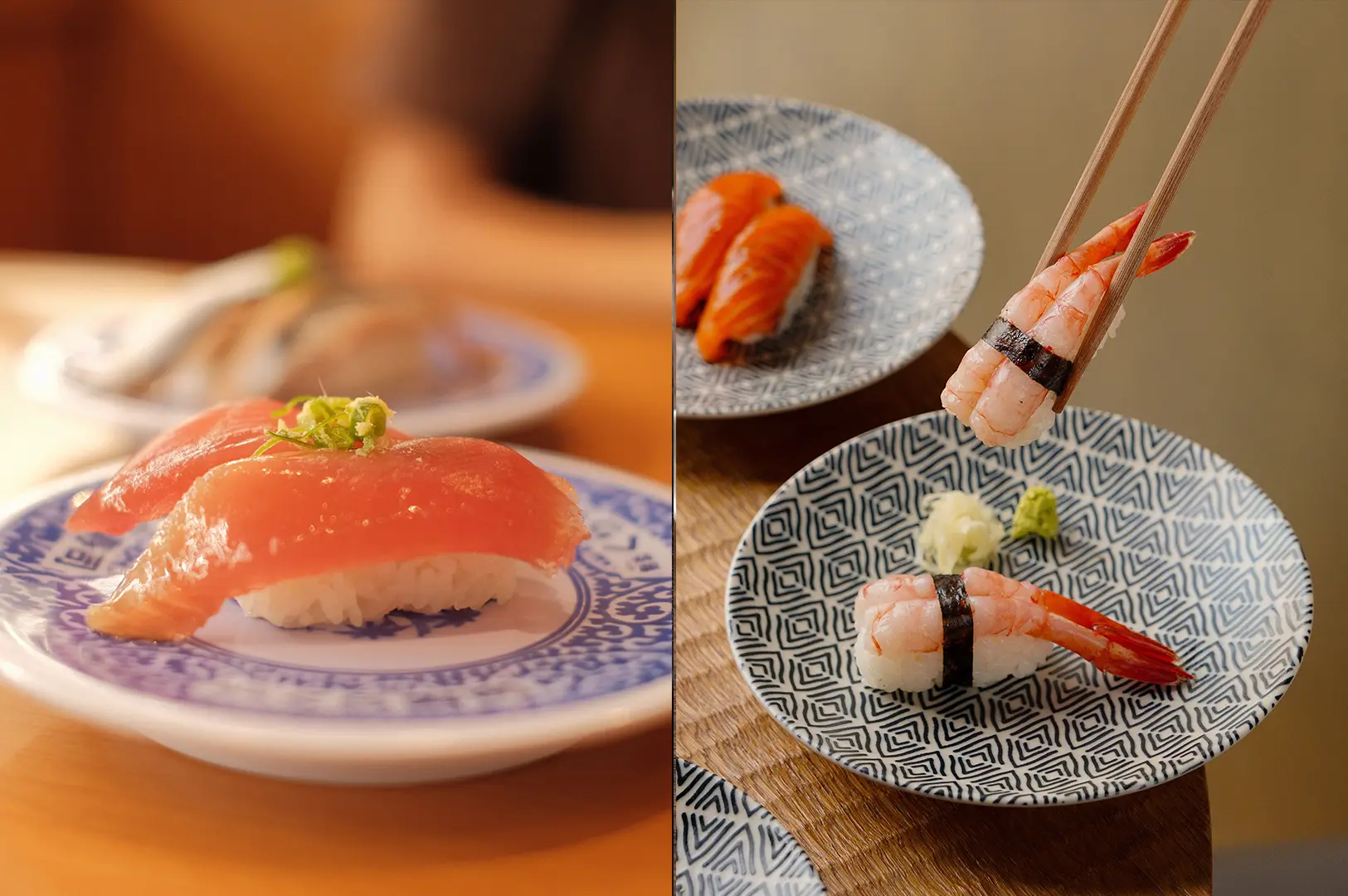
Nigiri sushi is deceptively simple. A small, hand-pressed mound of vinegared rice, a single topping laid over it, and not much else.
That simplicity is the entire point. There’s nowhere for anything to hide, so the quality of the sushi rice and the topping carries the whole thing. The balance matters more than people realise: too much rice and you lose the fish, too little and it falls apart. A good piece of nigiri sushi is a small act of restraint. And despite what many assume, the topping isn’t always raw. It can be raw, cured, cooked, or seared, depending on what it is.
Maguro (Tuna) Nigiri is my honest, everyday order. Made with raw tuna, it tastes clean and savoury, smooth and firm without the heaviness of fattier cuts. There’s a quiet confidence to it. Nothing showy, just good fish over good rice.
Ebi (Shrimp) Nigiri is the one I point beginners toward. It’s usually made with cooked shrimp, mild and slightly sweet, with a springy, firm bite. If raw seafood isn’t your thing, this is proof that sushi still has plenty to offer you.
I tend to choose nigiri sushi when I want to actually taste the seafood, without sauces or fillings crowding it out. It’s the least distracted sushi I know. For me, the best part is that stillness, the sense that a sushi chef trusted the ingredient enough to leave it almost alone.
Uramaki: The Inside-Out Roll That Feels Familiar
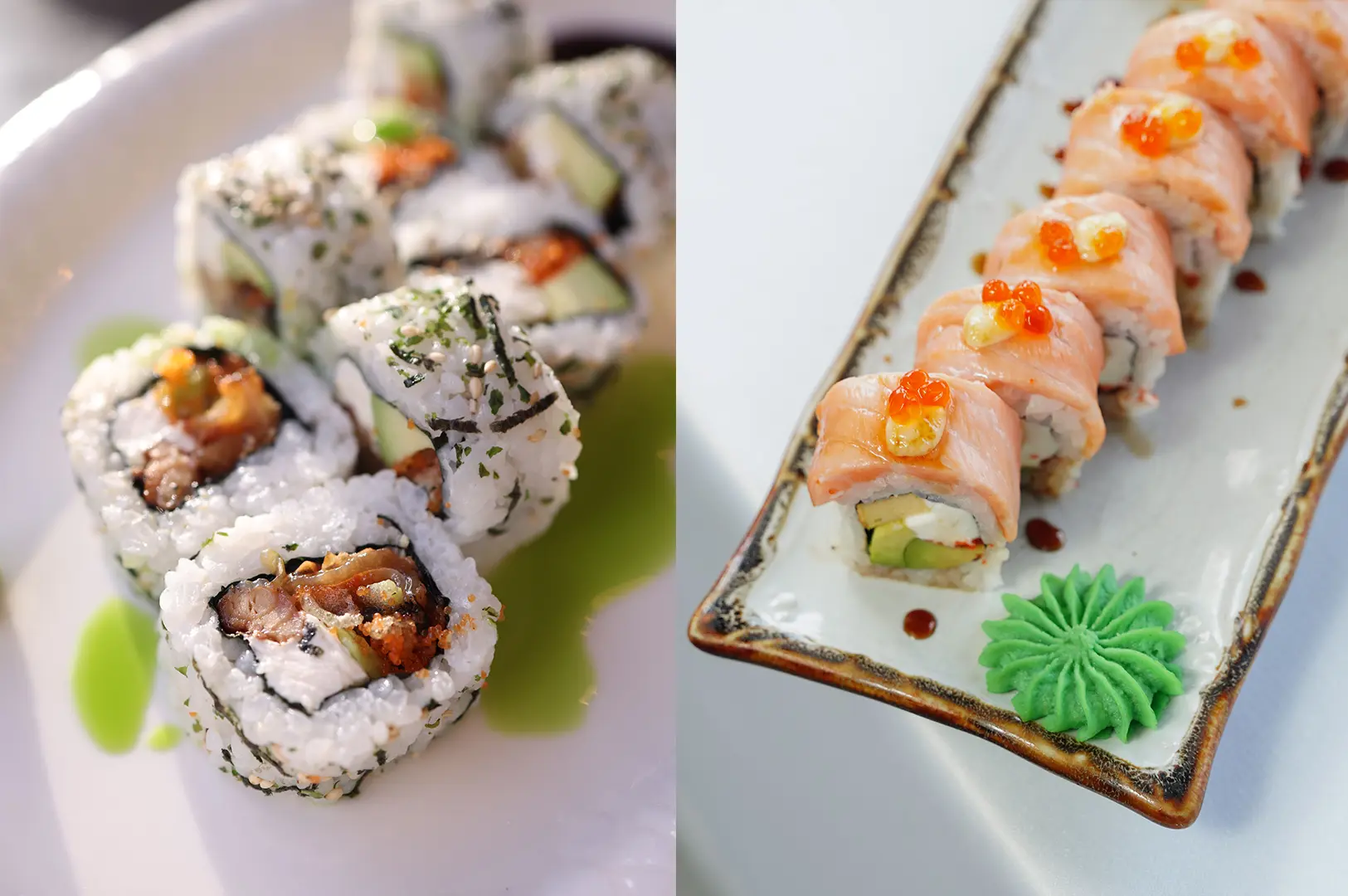
Here’s where the overlap I mentioned earlier comes in. Uramaki is a type of rolled sushi, just built the other way around.
In a standard maki roll, the nori sits on the outside. In uramaki, that’s flipped. The sushi rice goes on the outside, wrapped around the nori and the filling within. That rice exterior is often rolled in sesame seeds, tobiko, or herbs, which gives it a different look and softens the seaweed’s presence. For a lot of people, myself once included, that makes it feel more approachable, because the nori isn’t the first thing you taste.
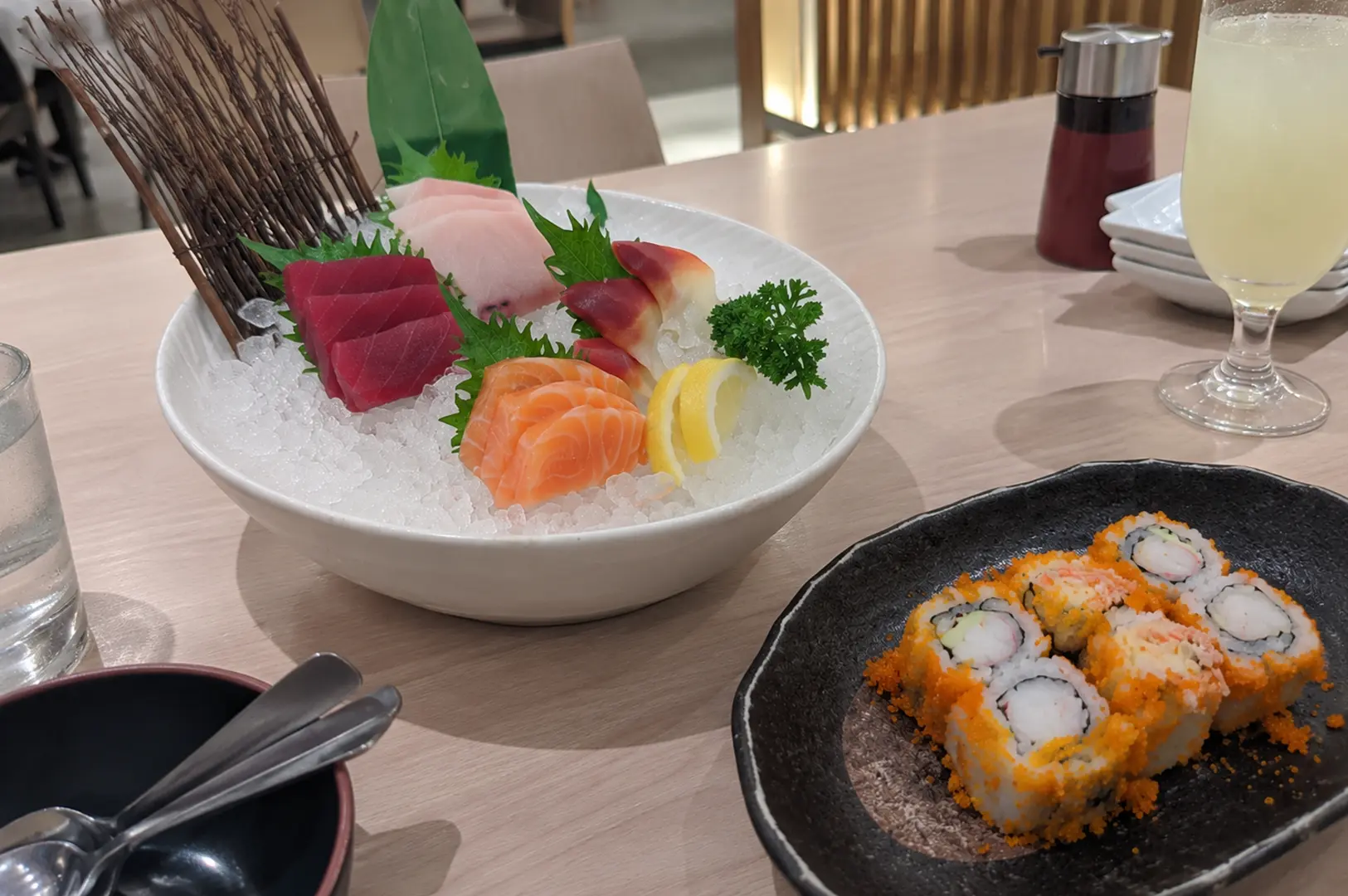
California Roll is the one almost everyone has tried. It usually holds crab or imitation crab, cucumber, and avocado, coated in sesame or roe on the outside. Mild, creamy, fresh, slightly sweet, and commonly made without any raw fish at all. It’s a soft landing.
Rainbow Roll leans a touch more colourful, topped with thin slices of salmon sushi, raw tuna, sea bream, and avocado. It’s a vibrant, fresh dish that showcases the variety of fresh fish and sushi ingredients.
What I enjoy about uramaki is how easy it is to like. It’s the style I’d hand to someone at their first sushi dinner, the one that says come in, the water’s warm. There’s no barrier to it, just familiar flavours in a form that photographs well and eats even better.
Maki: The Simple, Dependable One
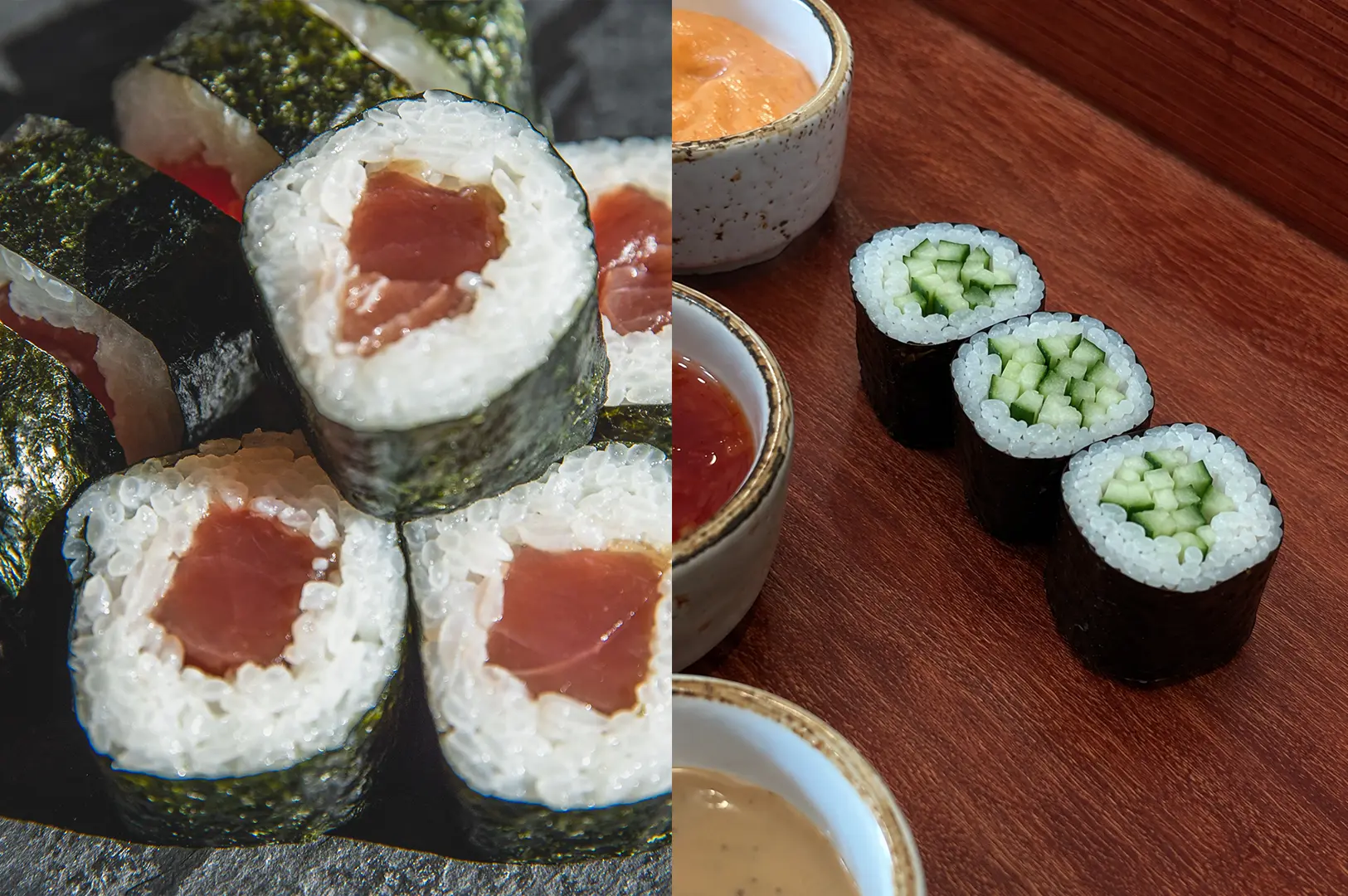
Maki, or makizushi, is the classic rolled sushi most of us picture first. Seasoned sushi rice and a filling laid on a sheet of nori, rolled up, then sliced into bite-sized pieces. Here, the nori usually stays on the outside.
There are two shapes worth knowing. Thin rolls, or hosomaki, are slim and built around only one filling — often cucumber, tuna, or avocado. Fat rolls, or futomaki, are wider and often hold several sushi ingredients at once. Traditional maki tends to be simpler than the modern rolls, less about layered sauces and more about a clean balance of rice, nori, and one or two fillings. It can carry fish, vegetables, egg, pickles, or cooked seafood, and its charm lives in that balance.
Tekka Maki is a thin roll made with raw tuna, and it’s exactly as straightforward as it sounds. Clean, savoury, the tuna front and centre, the nori giving a slight chew against the soft sushi rice. Nothing distracts you from the fish.
Kappa Maki is the humble cucumber roll, and I love it more than that description suggests. Crisp, light, refreshing, entirely plant-based. I often order it between richer pieces to reset my palate, a small green pause in the middle of everything else.
I turn to maki when I want something simple and dependable, the sushi equivalent of a plain white shirt. It doesn’t try to dazzle. It just does its job well, and there’s real comfort in that.
Inarizushi: The Sweet and Savoury Pouch
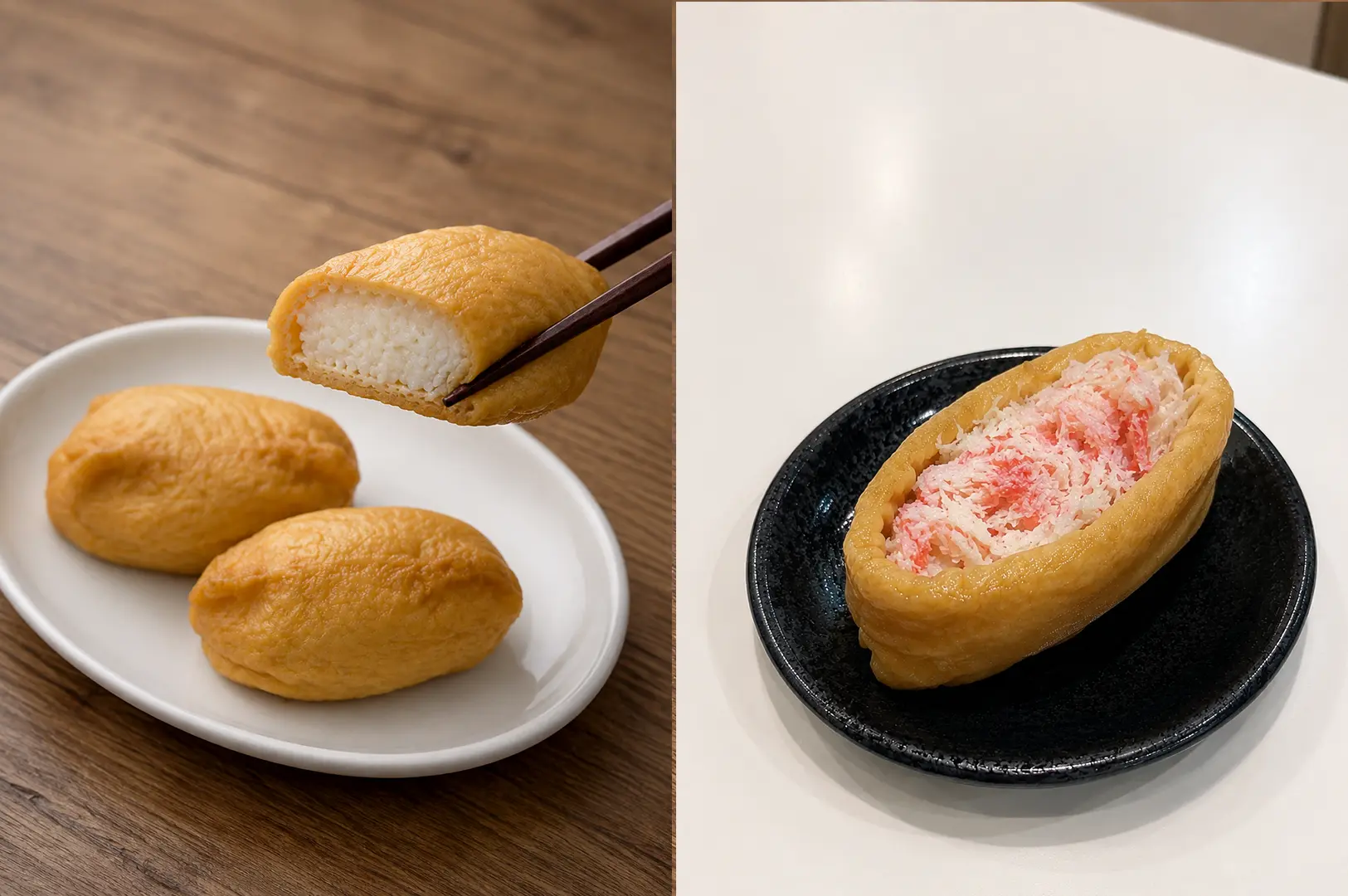
Inarizushi is a delightful type of sushi that stands out for its unique presentation and flavour profile. Instead of the usual seaweed wrap or hand-pressed rice, inarizushi features a pouch made from fried tofu (abura-age) that is sweetly seasoned and filled with vinegared sushi rice. This sushi is often enjoyed as a snack or part of a bento box and is popular for its balance of sweet and savoury tastes.
The fried tofu pouch is simmered in a mixture including soy sauce, sugar, and sometimes rice vinegar, giving it a rich, slightly sweet flavour that complements the tangy sushi rice inside. Unlike many other types of sushi, inarizushi is entirely vegetarian and does not contain raw fish, making it a great option for those who prefer cooked or plant-based sushi.
Inarizushi is a common sight in Japanese shops and convenience stores and is often prepared with additional toppings like sesame seeds or finely chopped vegetables mixed into the rice to add texture and flavour.
Classic Inarizushi is simply the fried tofu pouch filled with vinegared rice, offering a sweet and tangy bite that’s both satisfying and comforting.
Seasonal Variations might include ingredients like pickled ginger, mushrooms, or even small bits of cooked meat mixed into the rice, showcasing the versatility of this humble sushi style.
If you’re looking to try a sushi type that’s different from the typical raw fish options, inarizushi offers a deliciously sweet and savoury alternative that highlights the diversity of sushi beyond just seafood.
Sushi Restaurants to Try
If you’re looking to explore sushi restaurants, many offer a unique dining experience ranging from casual conveyor belt sushi to high-end omakase crafted by expert sushi chefs. Places like Genki Sushi and Sushi Express are great for quick snacks or affordable sushi platters, often featuring conveyor belt sushi or sushi trains for a fun meal. For quality sushi with fresh fish flown in regularly, restaurants like Itacho Sushi, Sushi Tei, and Tomi Sushi offer diverse menus with everything from nigiri sushi to sushi burritos and hand rolls.
Whether you crave the classic salmon sushi, spicy tuna roll, or creative dishes like the sushi platter or sushi burrito, Japanese restaurants in Singapore cater to all tastes and occasions.
For more detailed reviews for where to go on when you’re after the freshest nigiri sushi made with premium norwegian salmon, creative avocado roll variations, or the best sushi platters for sharing, this guide has you covered: Izzah’s Picks For The Best Sushi Singapore Can Offer
Unique Sushi Experiences to Try
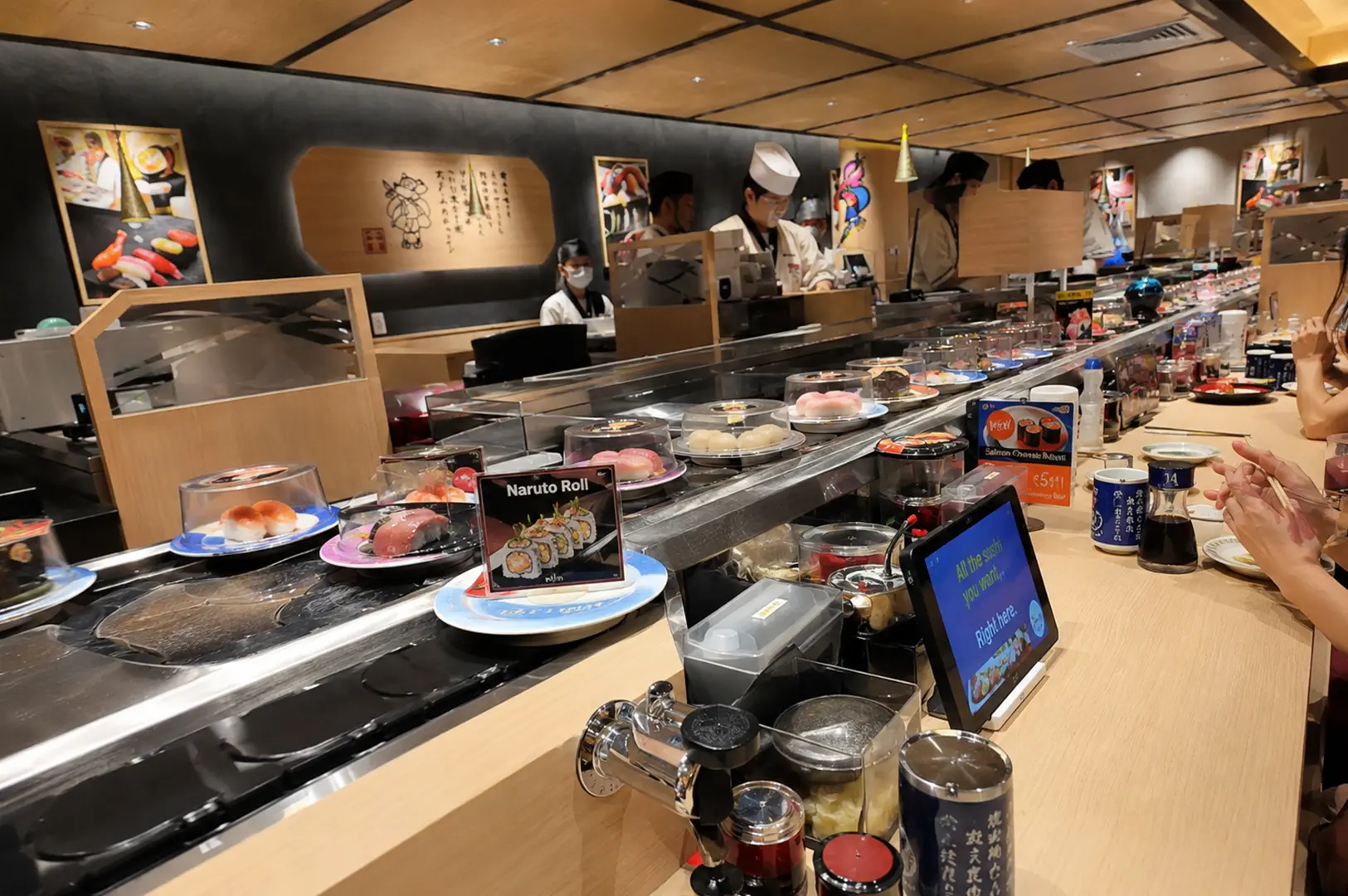
Sushi offers more than just traditional dining; there are unique experiences that make enjoying delicious sushi even more fun and memorable.
Conveyor Belt Sushi
Conveyor belt sushi, or kaiten-zushi, lets you pick plates of sushi as they glide past you on a moving belt. It’s a casual, interactive way to enjoy a variety of sushi without waiting for a server.
Sushi Burrito
A sushi burrito wraps sushi ingredients like fish, rice, and vegetables in a large seaweed sheet, creating a handheld, portable meal that combines the best of sushi and burrito styles.
One Last Thing Before You Order
Sushi preferences aren’t fixed. They shift with your mood, the weather, how hungry you are, how brave you’re feeling about raw fish that day.
If there’s a style on this list you’ve never tried, order it next time. Read the menu a little slower. Notice whether the sushi rice is inside or out, whether the fish has been seared or left raw. It’s a small kind of confidence, but it makes the whole meal feel more like yours.
If you’d like more of this, plus additional Singapore food guides, honest reviews, and stories from our favourite dining spots, come join us at Social Eats ‘N’ Drink, where we recently explored another delicious combination of seafood and rice—Chirashi Don.