
I’ve noticed something strange over the last few years.
Some of the best food I’ve eaten lately would probably fail on Instagram.
Not because it tasted bad, but because it looked messy, uneven, oily, or honestly just a bit ugly. A bowl of bak chor mee with sauce splattered at the sides. A prata folded carelessly onto a plastic plate. An old-school curry puff with barely any presentation but somehow still perfect after the first bite.
And yet, these are the kinds of meals people scroll past now.
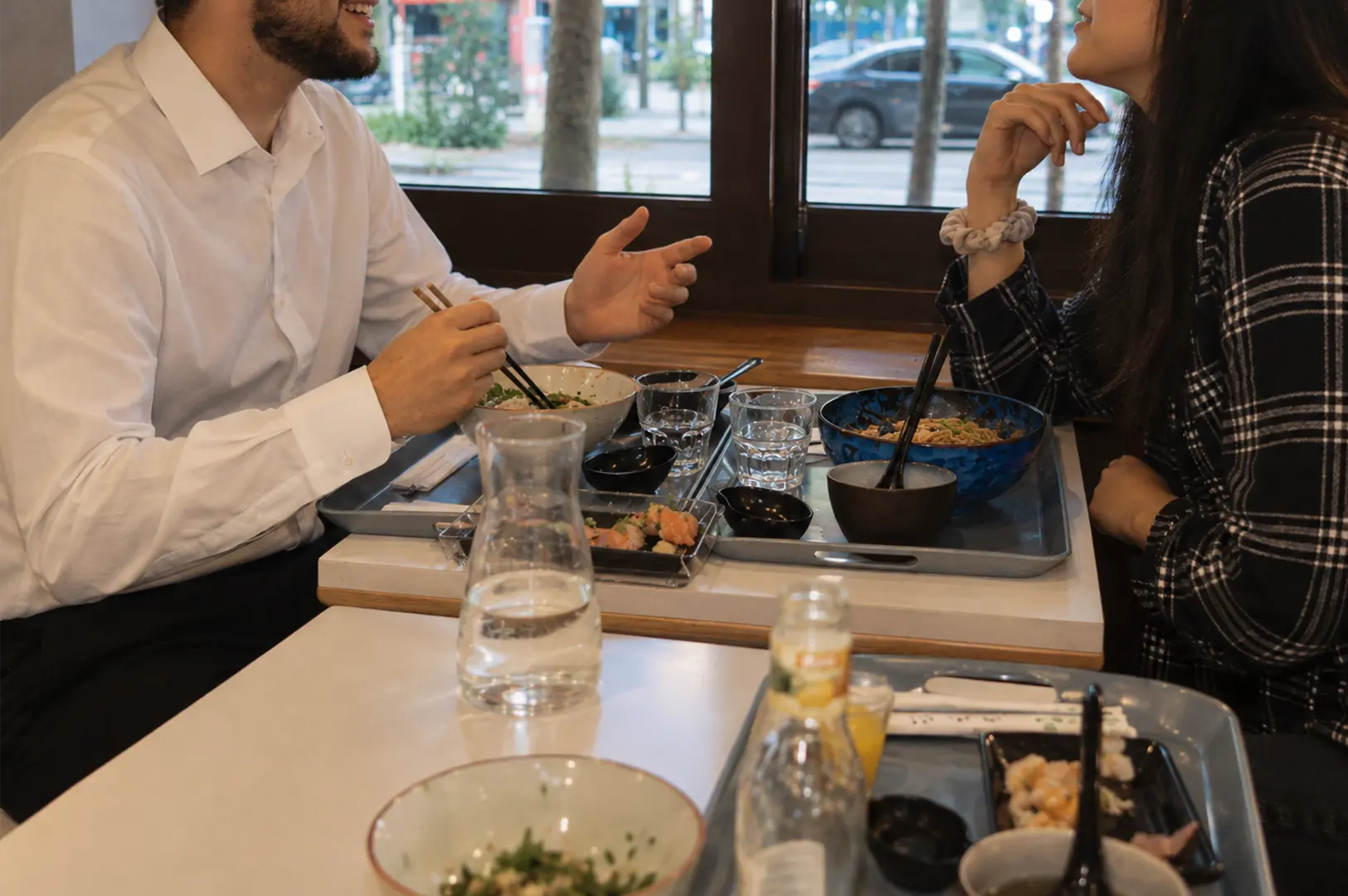
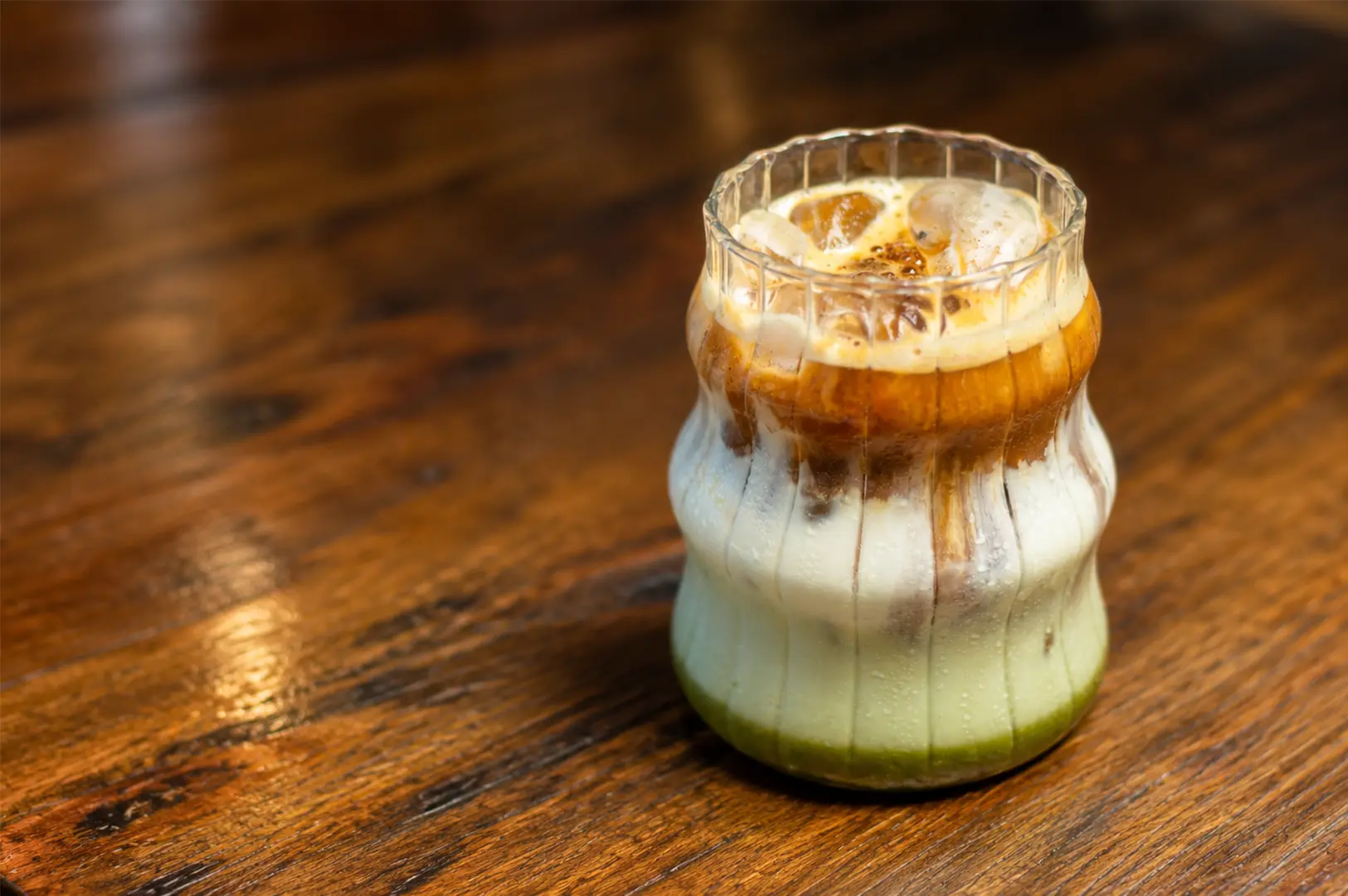
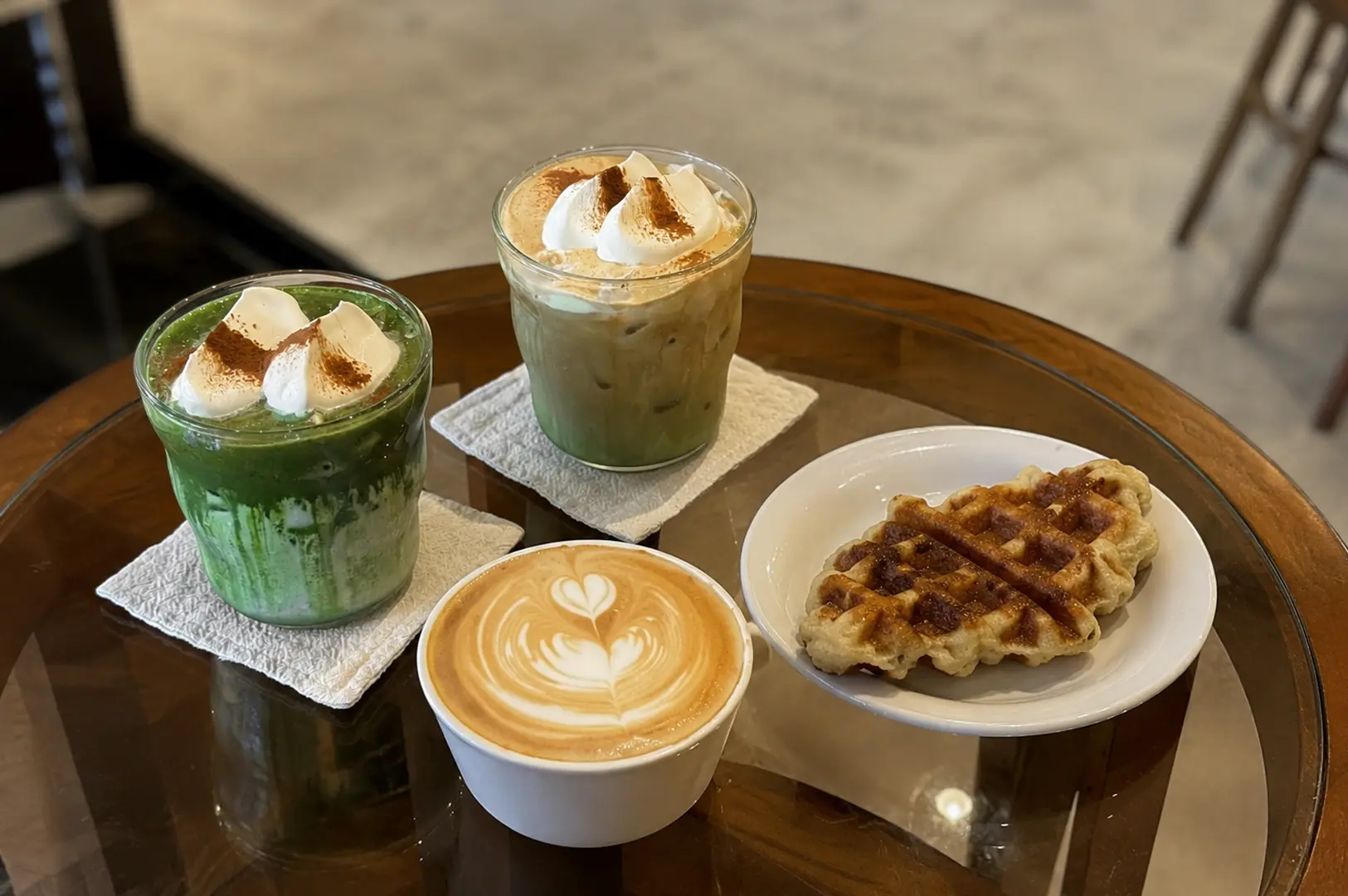
I think Instagram, or any social media platforms in general, has quietly changed how Singaporeans decide what food deserves attention. Before we even care about taste, we look at whether something photographs well. Bright lighting, clean plating, pastel interiors, symmetrical toppings. Food today feels designed for the camera first, then the customer second.
I catch myself doing it too sometimes.
There are places I’ve wanted to post before even tasting the food. Then there are older hawker stalls I genuinely enjoyed but never uploaded because I knew the photos would “perform badly”. That thought alone says a lot about where food culture has gone.
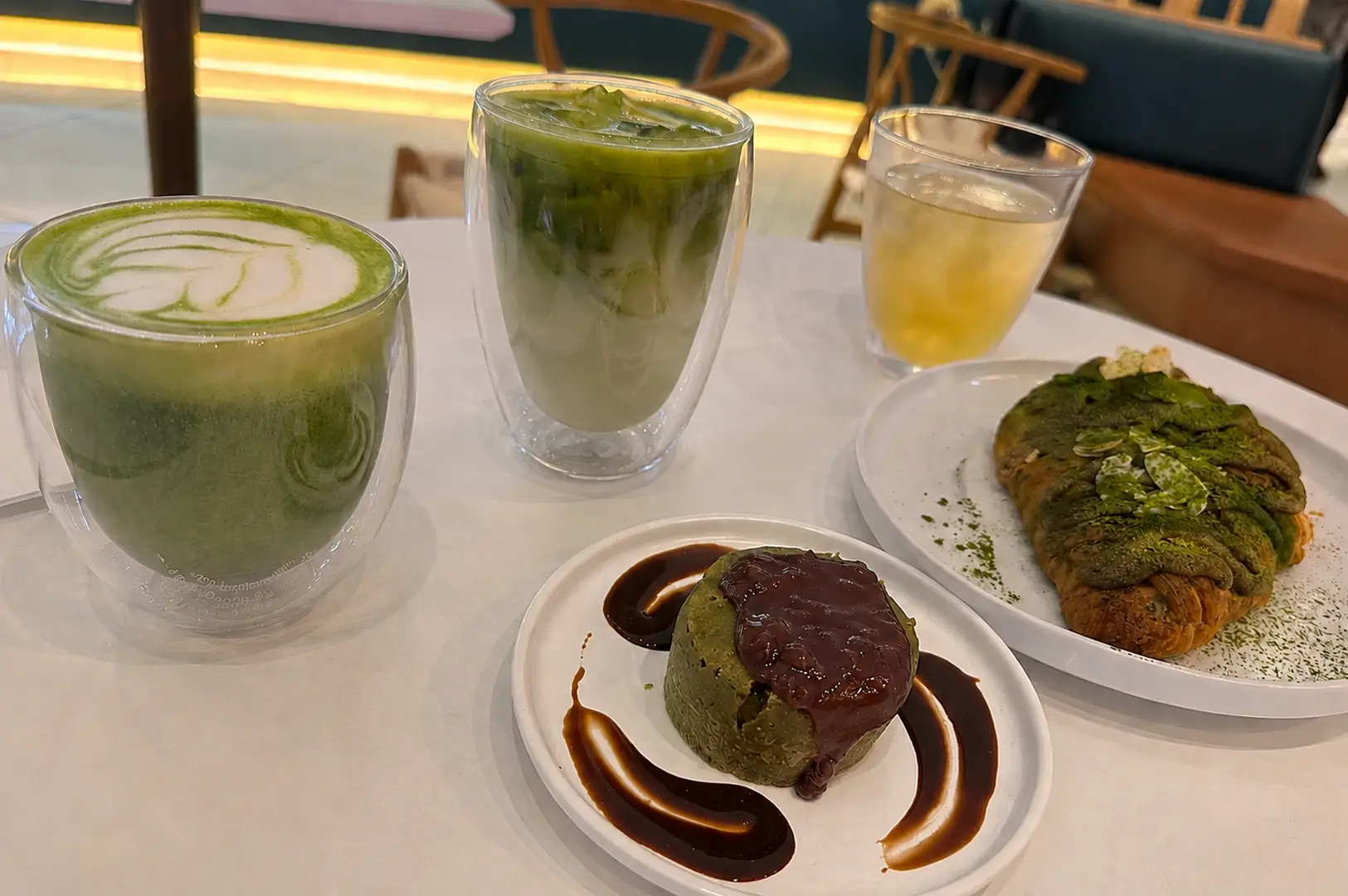
I’m not saying aesthetics are bad. Presentation still matters. Eating has always been visual to some extent. But I think we’ve reached a point where good-looking food automatically gets treated as better food, even when it isn’t.
There’s also pressure on smaller businesses now. If your food doesn’t look “Instagrammable”, you risk disappearing online. That’s hard for older hawkers or traditional shops that don’t have branding teams, professional lighting, or minimalist interiors.
Meanwhile, a visually polished café can go viral overnight selling food that’s honestly average.
I’ve had beautifully plated brunches I forgot within a day. But I still remember random bowls of noodles eaten under fluorescent lights years ago.
That’s the difference.
Some foods are memorable because they look good. Others are memorable because they actually made you feel something.
I worry that we’re slowly teaching ourselves to confuse those two things.
The irony is that the foods people often call “ugly” are usually the ones tied closest to memory, culture, and comfort. The meals made by older stall owners who care more about flavour consistency than camera angles. The dishes that arrive looking slightly chaotic because they were made quickly for hungry people, not social feeds.
Maybe we don’t need every meal to look perfect.
Maybe some foods deserve to stay messy.
Click here to read more food culture editorials on Social Eats N Drink.