
We like to believe we are paying for the food, but sometimes the plate is only part of the bill.
When a café charges $8 for a drink or a restaurant sells a familiar pasta dish at nearly $30, the price is rarely based on ingredients alone. We are also paying for the neighbourhood, the furniture, the lighting, the music, the tableware and the feeling of being somewhere worth posting. The restaurant is not simply selling dinner; it is selling an atmosphere around it.
We are not necessarily against that. A comfortable room can make a meal better. Good lighting, thoughtful design and enough space between tables can turn an ordinary lunch into something we remember. There is value in sitting somewhere that feels considered, especially in Singapore, where dining spaces are often crowded and every table seems designed for quick turnover.
The problem is that we do not always admit how much those details influence us.
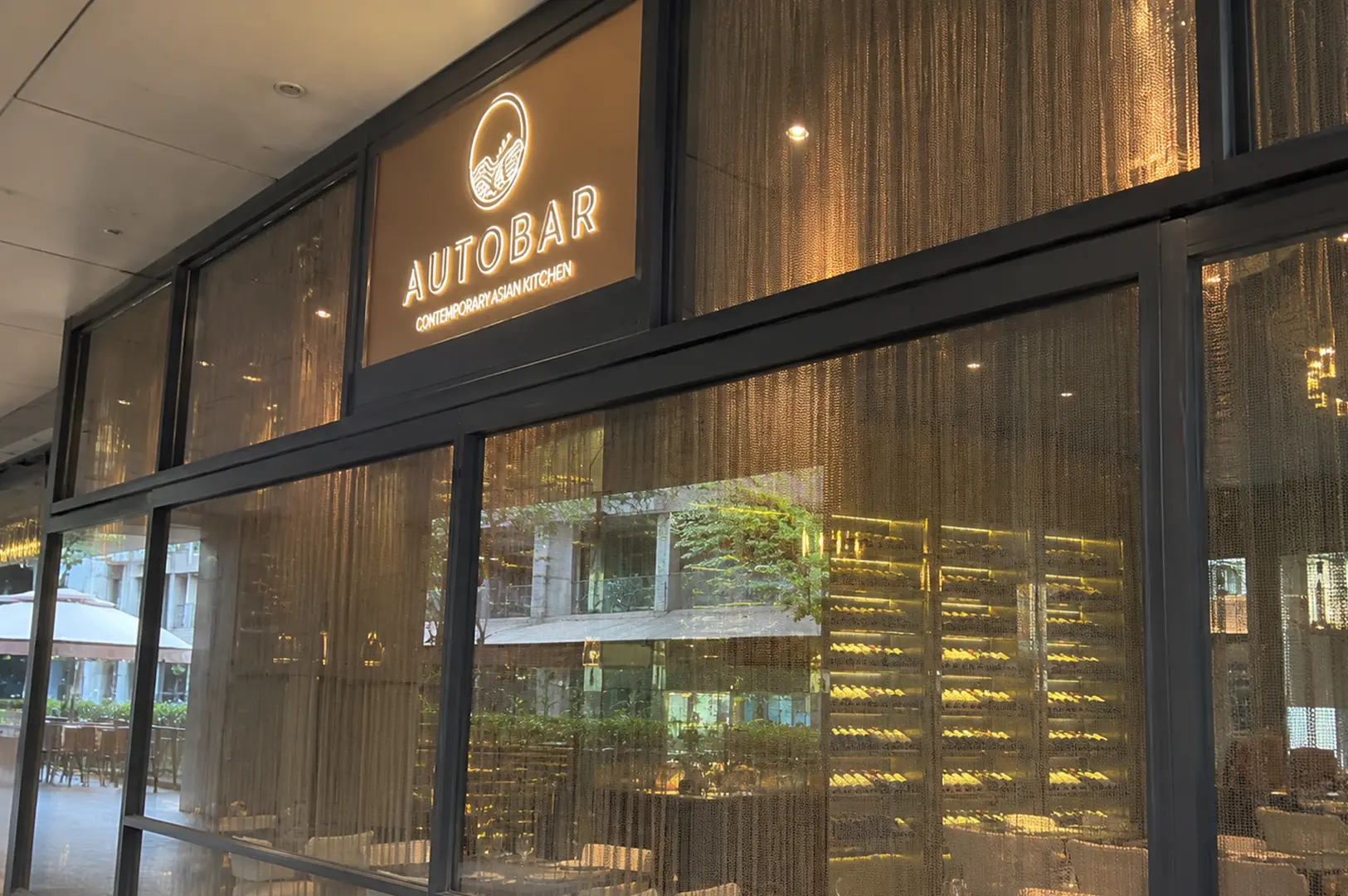
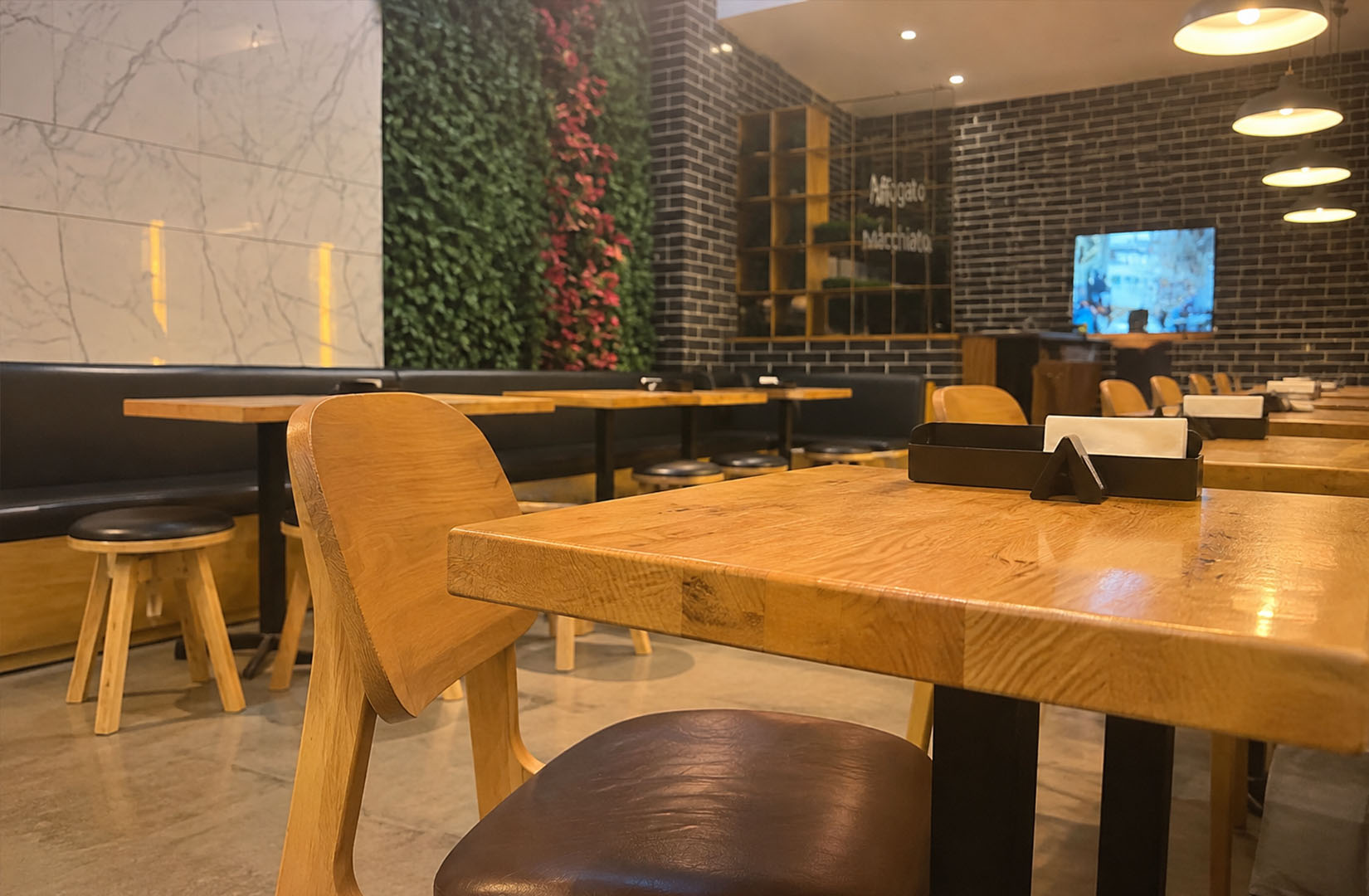
A simple dessert can feel more premium when it arrives on handmade ceramic ware. Coffee feels more special when the café has a concrete counter, soft lighting and a playlist that sounds carefully chosen. A restaurant with a skyline view can charge far more for food that might cost less somewhere without the scenery. We know this, yet we still describe the bill as though we paid only for what was on the plate.

Social currency matters too. Some restaurants become attractive because being there says something about us. The reservation is difficult to get, the entrance is hidden, or the room appears constantly on social media. Dining there becomes proof that we know what is current. In that situation, part of the price covers the ability to say we went.
There is nothing automatically wrong with paying for an experience. Restaurants have rent, labour, design costs and operating expenses that hawker stalls or takeaway counters may not carry in the same way. If a place gives us attentive service, a comfortable setting and a genuinely enjoyable evening, those things deserve value.
But the experience should still support the food, not distract from it.
Too many places now use strong interiors to soften weak cooking. The room looks excellent, the branding feels polished, and every corner photographs well, but the meal itself is average. By the time we realise this, we have already posted the table and helped sell the same experience to someone else.
Maybe the better question is not whether a restaurant is expensive. It is whether the full experience earns the price. Did the food taste considered? Was the service attentive? Did the space make us comfortable, or did it simply look good through a camera?
We are allowed to pay for vibes. We should just be honest that we are doing it, and expect those vibes to come with a meal worth remembering.
Visit Social Eats N Drink for more honest conversations about restaurant culture, dining trends and what we are really paying for.