
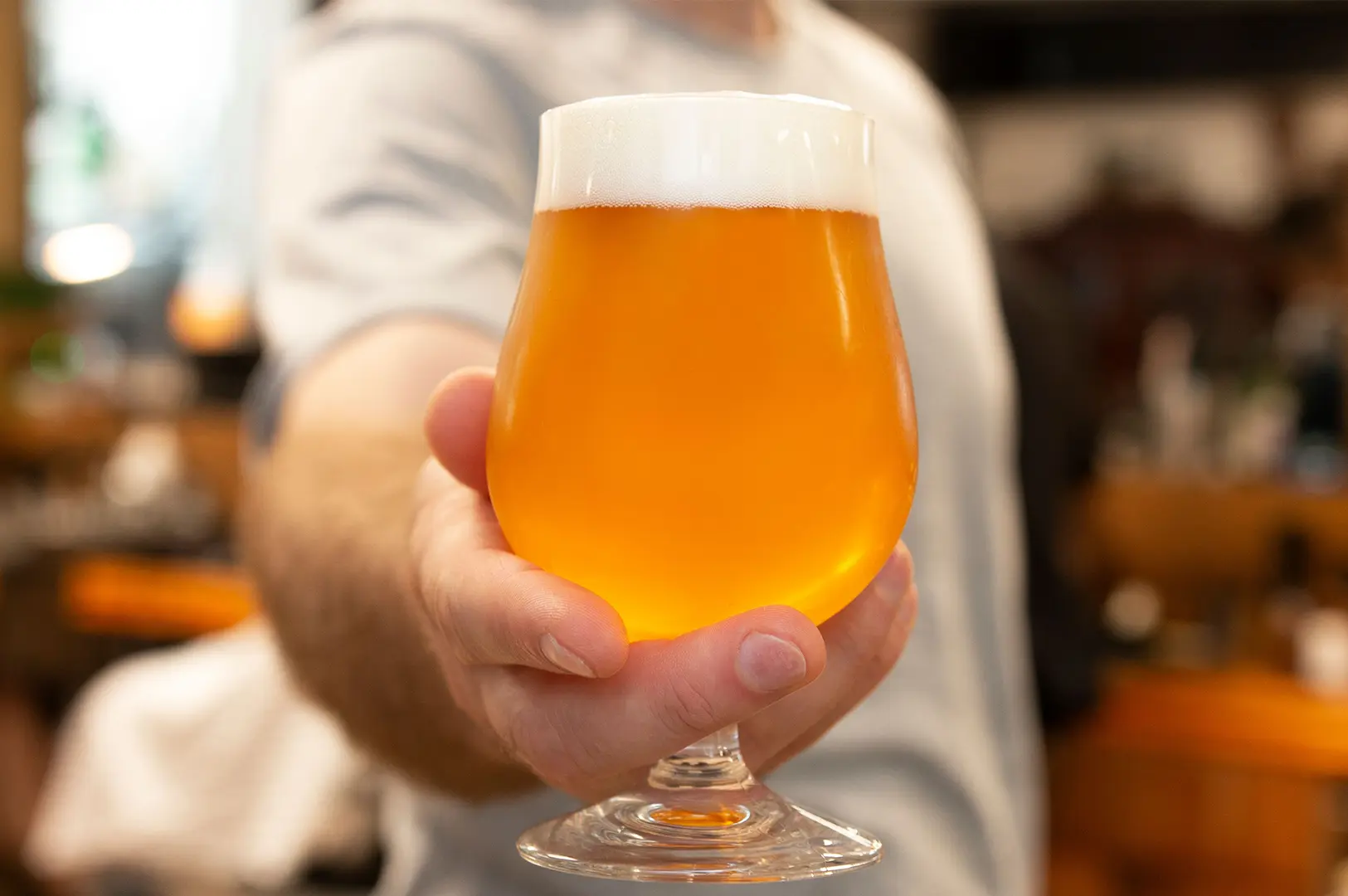
My entry point into craft beer wasn’t romantic. A friend handed me a hazy IPA at a bar, and I took a confident gulp expecting the familiar fizzy lager I’d grown up with. Instead, I got a mouthful of bitterness, pine and grapefruit. I made a face. He laughed. I finished the glass anyway, mostly out of pride. Then I ordered another one, which surprised both of us.
Since then, I’ve spent more evenings (and more money) than I’d like to admit working out what craft beer actually is. I’ve also come to doubt some of the hype around it. The word “craft” now appears on labels that have no business using it, and Singapore prices can make a pint feel like a small investment. So here’s my honest attempt to explain what craft beer means, where it came from, and how to drink it well here without overpaying or overthinking.
What Is Craft Beer? The Craft Beer Meaning in Plain Terms
At its simplest, craft beer is beer made by smaller, independent breweries that care more about flavor and creativity than about producing millions of identical bottles. That’s the spirit of it. The trouble is that “craft” isn’t a legally protected term in most of the world, Singapore included. That means any brand can put it on a can.
In practice, the craft beer meaning usually comes down to three things:
- Scale: smaller batches rather than industrial production
- Ownership: an independent brewer, not a subsidiary of a global drinks giant
- Intent: a focus on flavor, experimentation and quality ingredients
I think the third point matters most to drinkers. The first two matter most to the people who argue about this online, and they argue a lot.
How the Brewers Association Defines Craft Beer
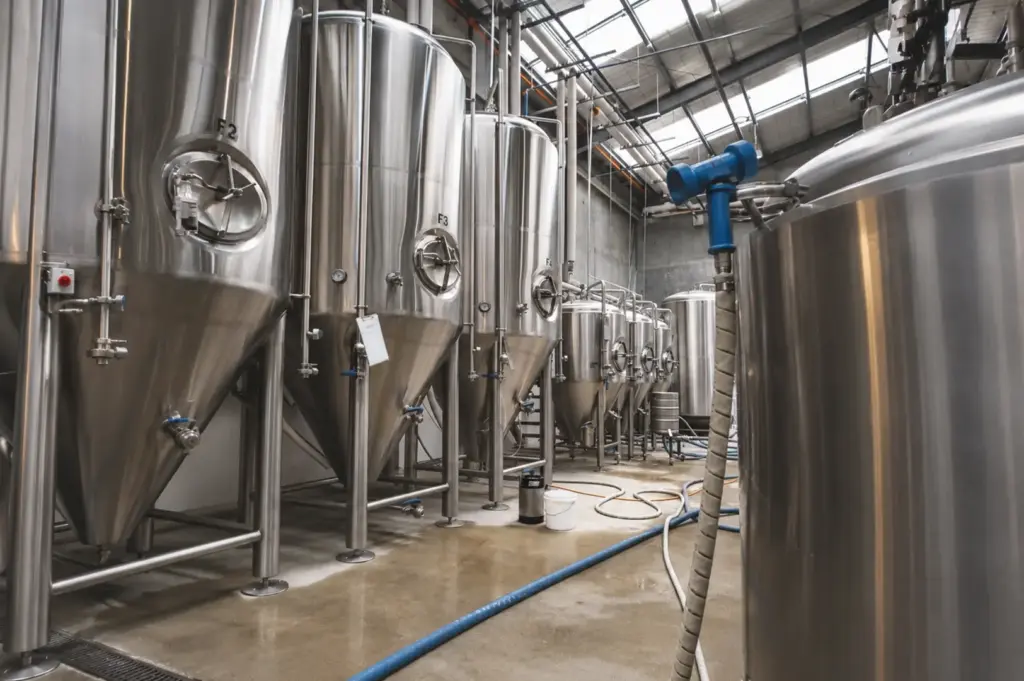
The most widely cited definition comes from the Brewers Association, the US trade group for small and independent American brewers. Their standard defines a craft brewer as:
- Small: annual production of 6 million barrels of beer or less
- Independent: less than 25% owned or controlled by a beverage alcohol company that isn’t itself a craft brewer
- A licensed brewer: it actually holds a brewing license and makes beer
My first reaction to that was skepticism. Six million barrels is not small by any normal person’s standards. It’s an enormous amount of beer. The ceiling was raised over the years so that successful brewers wouldn’t “graduate” out of the category. Even so, it shows what the definition is really about. It isn’t about size. It’s about independence.
Insider knowledge: A brand can taste “crafty” and still be owned by a multinational. Many popular “craft-style” labels were bought by large commercial breweries over the past decade. If independence matters to you, look up who owns the brewery before you assume.
The History of Craft Beer: From Humble Beginnings to a Global Movement
The history of craft beer is usually told as an American story, and for the modern movement that’s fair.
By the mid-20th century, the US beer market was dominated by a handful of larger breweries making light, mild lagers. Variety had almost disappeared. Then, in 1965, a young man named Fritz Maytag bought a majority stake in the struggling Anchor Brewing Company in San Francisco. He kept it alive by doing the opposite of what big brewers did. He focused on quality, revived traditional brewing methods, and eventually brought back styles that American drinkers had largely forgotten.
Anchor became the template. Through the 1970s and 1980s, numerous microbreweries opened, especially on the West Coast. Homebrewing was legalized at the federal level in 1978, and a generation of hobbyists began turning their garage recipes into businesses. That was the start of American craft brewing as a real force.
From there, the craft beer movement went global. Today the craft beer industry spans thousands of independent breweries worldwide, from tiny brewpubs selling beer on site to regional operations canning and shipping across continents.
There’s a lesson in Anchor’s later years, too. It was eventually sold to Japanese brewer Sapporo, and it ceased operations in 2023. Even the brewery that helped start the movement wasn’t immune to consolidation and market pressure. I don’t say that to be gloomy. I say it because “independent” is fragile, and it’s worth supporting when you find it.
What Sets Craft Brewers Apart
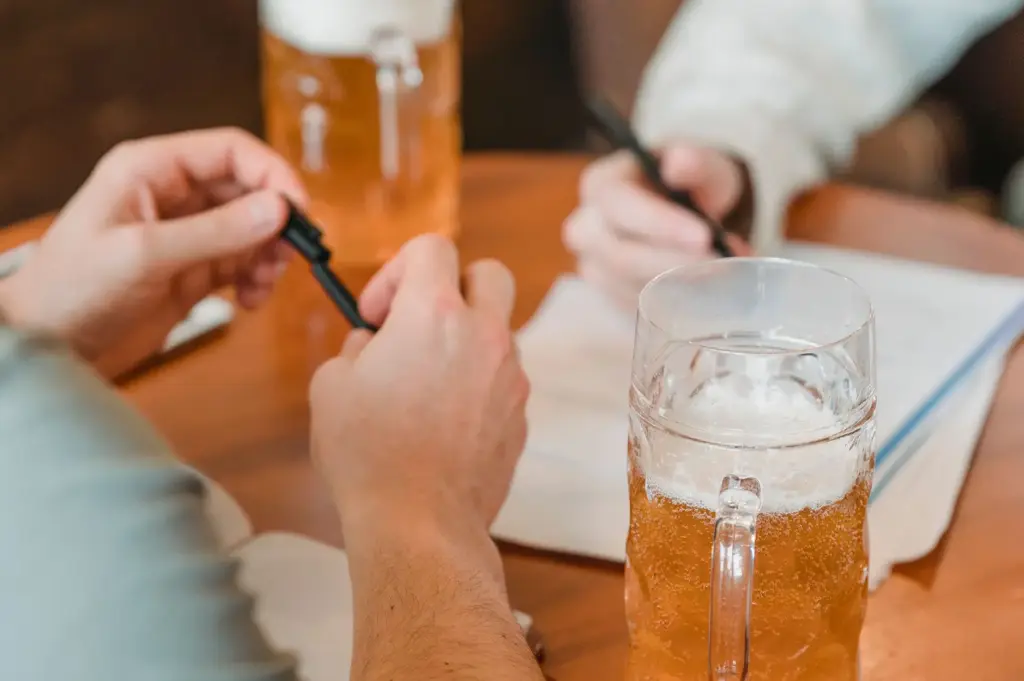
So what actually makes craft brewing different from mass production? In my experience, it comes down to five habits.
- Small batches. Most craft breweries brew in small quantities. A brewer can tweak a recipe from one batch to the next, which is why the same beer can taste slightly different from season to season. I see that as character, not a flaw.
- Independent ownership. Without a corporate parent demanding the same product everywhere, brewers can take risks. Some of those risks fail. The best ones become new beer styles.
- Traditional brewing methods. Many craft brewers revive older techniques, such as open fermentation, barrel aging and long conditioning, that industrial brewing had largely abandoned for efficiency.
- Local ingredients. Where possible, craft brewers like to use local fruit, grains or spices. In a tropical country, that can mean pineapple, calamansi or pandan finding their way into a batch.
- Creativity and experimentation. This is the fun part. Smaller breweries experiment with hops, yeast strains and adjuncts in ways a big brewery simply can’t justify. You’ll find beer aged in wine barrels, sour beers, and seasonal brews that disappear after a few weeks.
Pro tip: If a bar’s tap list changes often, that’s usually a good sign. It means they’re pouring fresh kegs from smaller breweries instead of the same safe labels all year.
Key Beer Styles Explained (Without the Jargon)
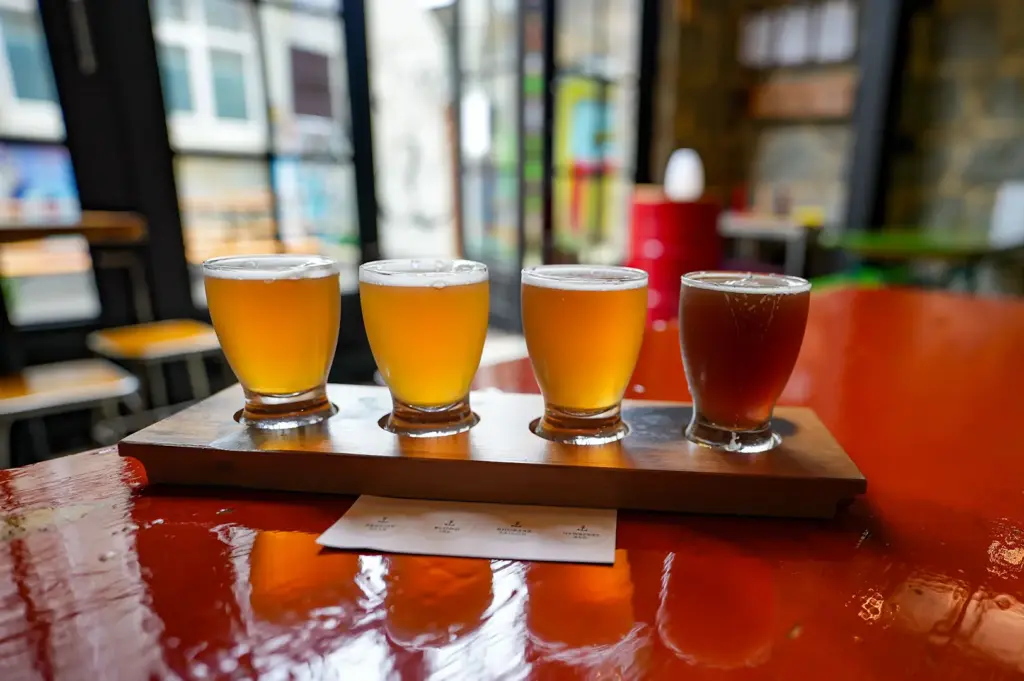
You don’t need to memorize every style to enjoy craft beer. You just need a rough map. Here are the beer styles I’d suggest getting to know first.
- Lager and pilsner. Clean, crisp and refreshing. This is the family most mass-market beer belongs to, but craft versions have more malt flavor and aroma. In Singapore’s heat, this is never a bad choice.
- Pale ale. The friendly middle ground. It’s a bit hoppy and a bit malty, and it’s easy to drink. If you’re new, I’d start here.
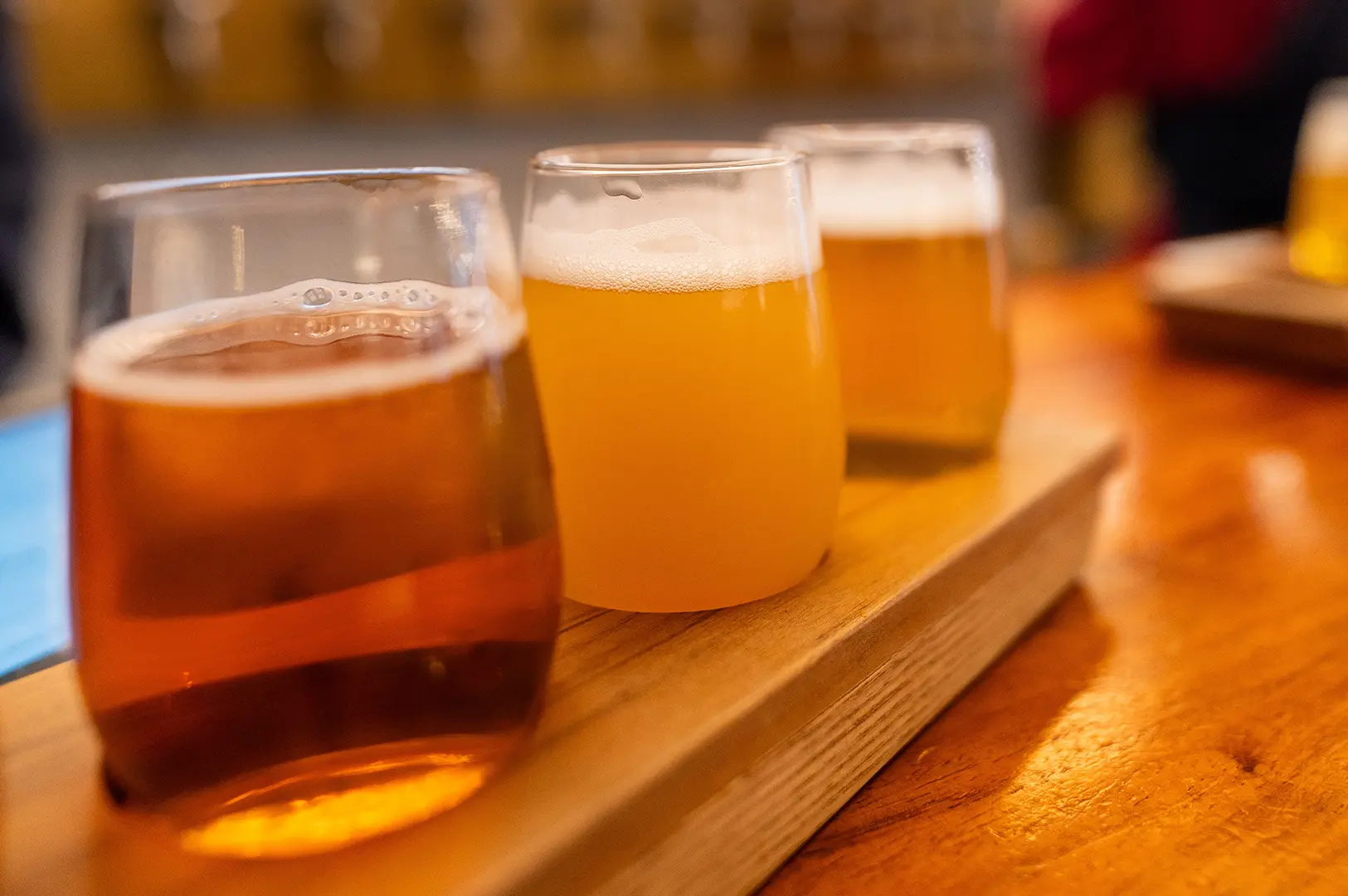
- IPA (India Pale Ale). The style that defines craft beer for many people. IPAs are hoppy, aromatic and often bitter. West Coast IPAs lean piney and sharp, while hazy IPAs taste softer, juicier and more tropical. They often sit around 6% to 7% ABV(Alcohol by Volume), so pace yourself.
- Stout and porter. Dark beers with roasted malt flavors such as coffee, chocolate and caramel. Imperial stouts can climb well past 10% ABV.
- Wheat beer. Light, cloudy and often fruity or spicy from the yeast. It’s a good bridge for people who say they “don’t like beer.”
- Sours. Tart and fruity, sometimes closer to wine or cider than to what most people expect from beer.
- Seasonal brews. Limited releases made for a time of year or a one-off experiment. These are often where brewers try new beer styles, so they’re worth ordering when you see them.
My early mistake was ordering an imperial stout as my first drink on a humid evening. It was delicious, heavy and far too strong for 7pm in Singapore. Lesson learned: drink light to dark and low ABV to high ABV.
The Craft Beer Scene in Singapore
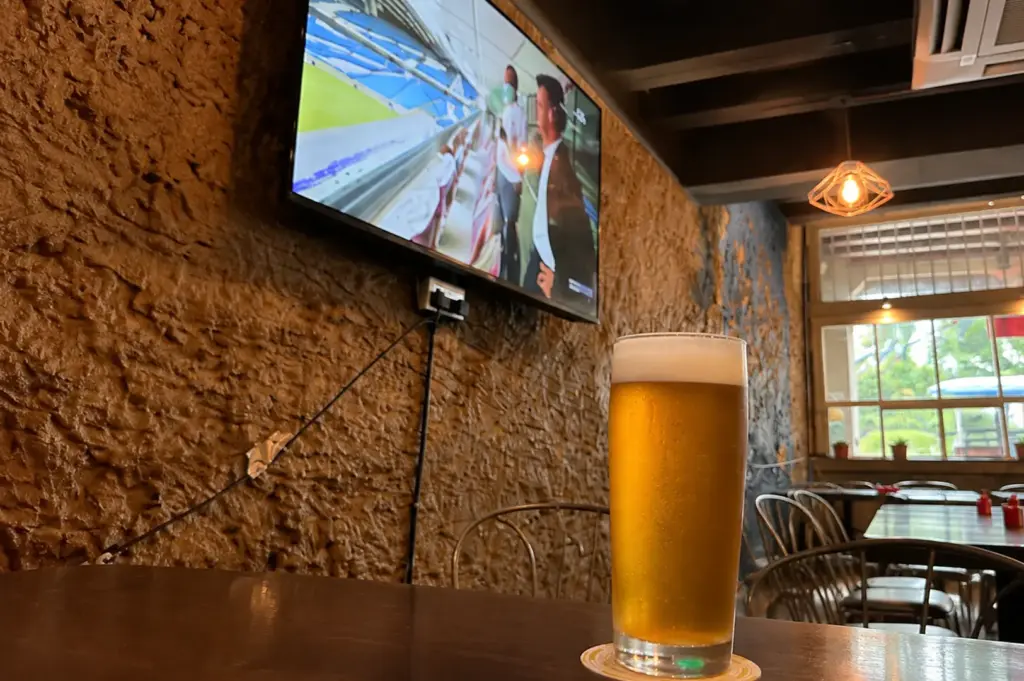
Singapore’s craft beer scene is small compared with the US, but it’s surprisingly varied. Here are four places I’d point you to, each for a different reason.
- Shawn’s Beernest (231 Upper Thomson Road) is where beer enthusiasts go to learn. With up to nine taps and roughly 70 to 90 beers in the fridge, it focuses on rare imports and fresh American releases. Pints run about $23 to $27, which is steep. The real value, though, is the owner’s guidance. Tell him what you normally drink, and he’ll steer you somewhere new.
- Little Island Brewing Co (43 Malan Road, Gillman Barracks) is the best example on this list of a craft brewery that makes its own beer on site. The Sister Golden Ale is $14 for a 473ml US pint ($11 during happy hour), and stouts and IPAs are $15 ($12 during happy hour). Go on a Wednesday for Waxy Wednesdays (7pm to 10pm), when vinyl plays through vintage speakers.
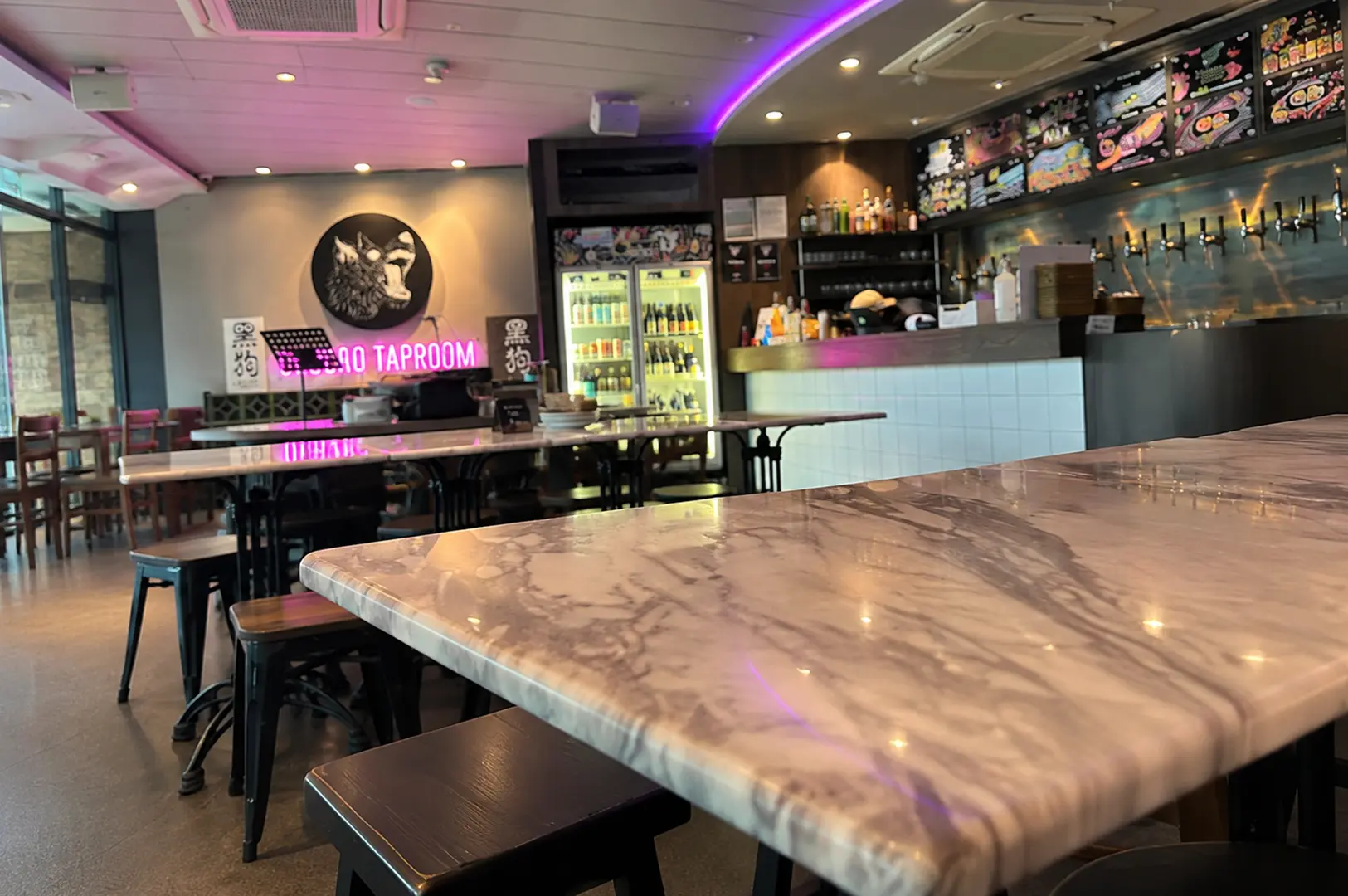
- Orh Gao (10 Jalan Serene, Serene Centre) turns from a coffeeshop into a taproom from 5pm, with 14 rotating taps. I like it because it pairs craft beer with local food. The Har Cheong Gai ($15) and a crisp pale ale make a very convincing argument.
Insider knowledge: In Singapore, craft beer is pricey mainly because of high alcohol duties and import costs, not just bar markups. Happy hours are where the real savings are, so plan your evening around them.
How to Buy and Order Craft Beer Without Regret
Here’s my step-by-step approach, built from a few too many expensive mistakes.
- Tell the bartender what you already like. “I usually drink Tiger” is a perfectly useful starting point. Good craft beer bars won’t judge you.
- Ask for a taste. Many specialist bars will pour a small sample before you commit to a $20+ pint.
- Check the ABV. A 10% stout drinks like two regular beers. Know before you order.
- Check the date on cans and bottles. Hoppy beers fade quickly. An IPA that’s months old has lost most of its aroma, so fresher is better.
- Go light to dark. Start with a lager or pale ale, then move on to IPAs and stouts.
- Budget realistically. A relaxed evening of two or three pints at a craft beer bar here usually costs $40 to $80 per person. Set aside about two hours if you want to taste properly.
Pro tip: If you’re buying bottles to take home, keep hoppy beers in the fridge. Warm storage in a Singapore flat ruins an IPA faster than you’d think.
Final Thoughts: Drink Curious, Not Snobbish
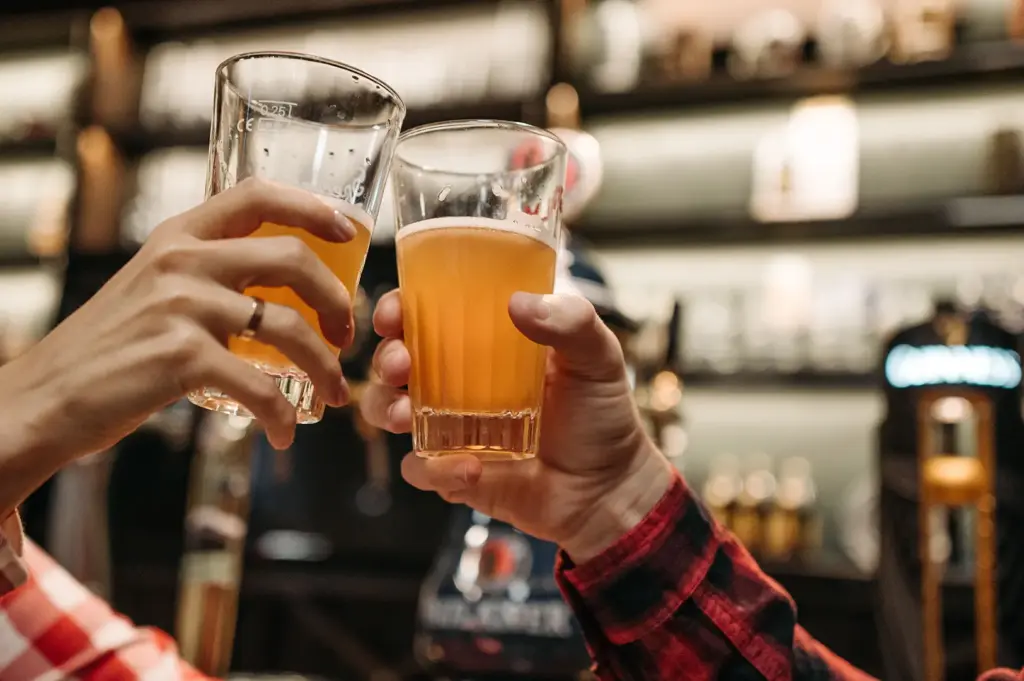
So, what is craft beer? To me, it’s less a strict category than an attitude: independent brewers making beer in small batches because they care about how it tastes. The Brewers Association gives you a useful definition, but your palate is the better judge. Some “craft” beer is forgettable, and some mass-market lager is perfectly fine on a hot afternoon. I think the trick is to stay curious without becoming a snob about it.
Start with a pale ale, ask questions, and pay attention to who actually brews what you’re drinking. You’ll learn quickly, and you’ll probably end up making the same face I did before ordering a second glass.
If you liked this guide, check out Social Eats ‘N’ Drink for more articles like this, including bar reviews, drink guides and honest takes on where to eat and drink around Singapore.