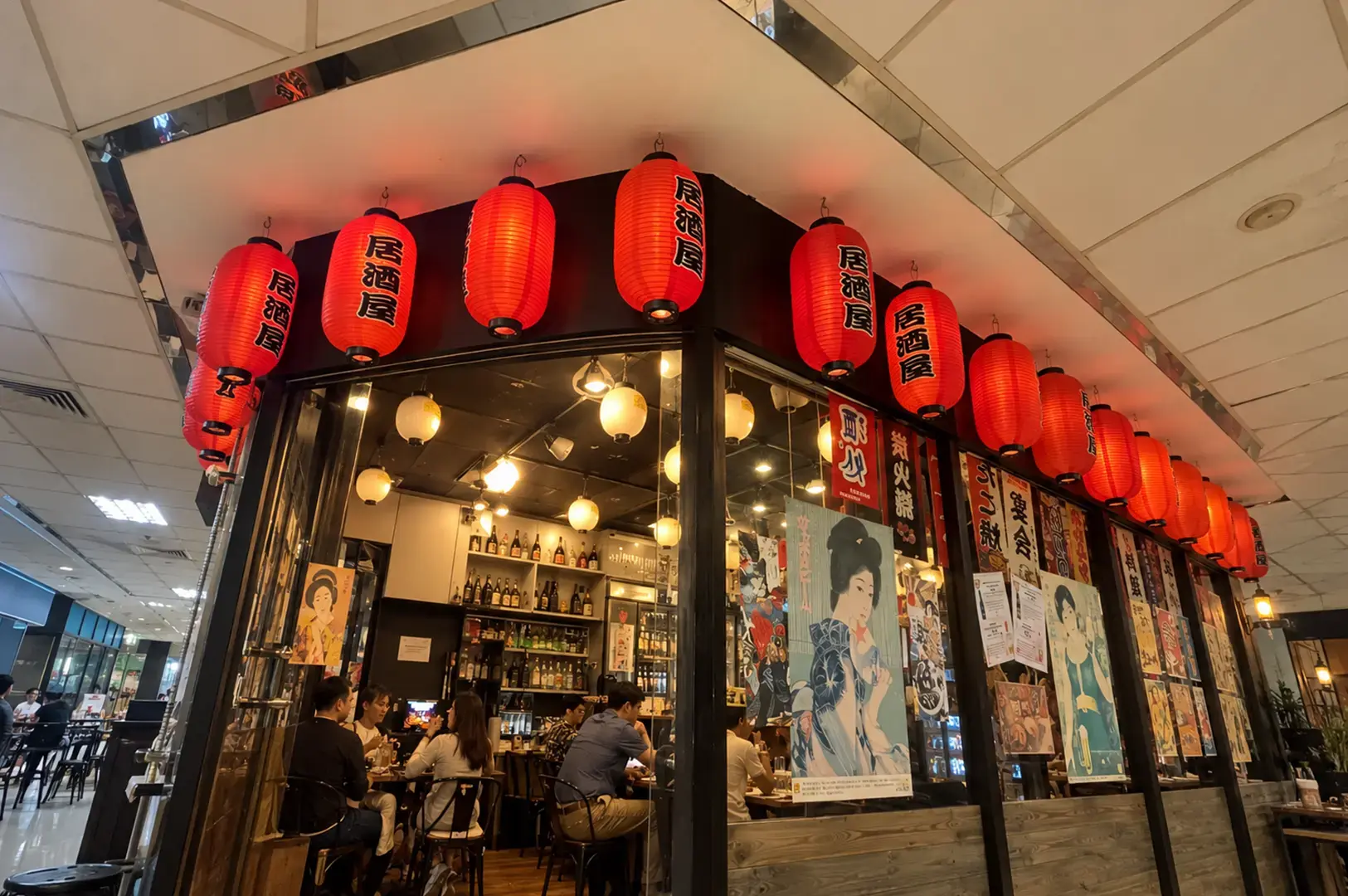

Most restaurants along Boat Quay are built for passing foot traffic. You get a menu board, a riverside table, and food that rarely needs to be memorable because the view does the selling. I went to Shinya Izakaya expecting more of the same, and I was mainly curious whether a Japanese kitchen open until 3am could cook anything worth staying up for.
It mostly can, though not always in the places the restaurant wants you to look. Shinya has changed since it opened around 2022. The current pitch leans on dry-aged sashimi, air-flown seafood, A5 wagyu and a signature Volcano Sushi. The dishes that won me over were the older, plainer izakaya staples.
Here’s my take on what’s worth ordering, what’s worth questioning, and who this place actually suits.
First Impressions of Shinya Izakaya at 79 Boat Quay
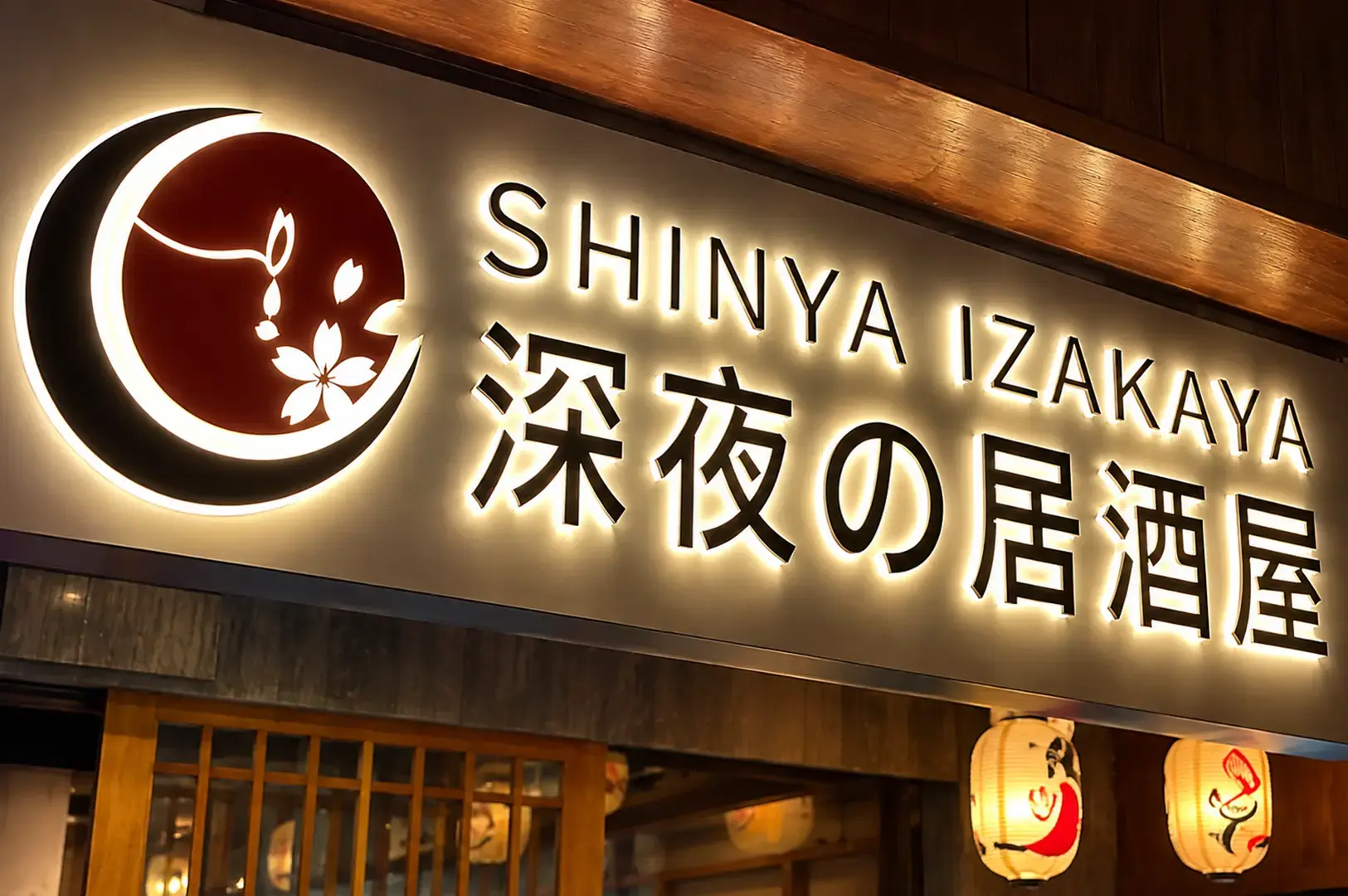
Shinya Izakaya sits at 79 Boat Quay, Singapore 049867, along the riverside stretch a short walk from Raffles Place MRT. The location does a lot of work. Unlike the many izakaya tucked inside malls or office basements, this hidden gem puts the Singapore River right outside, which suits a slow evening of japanese cuisines and sake.
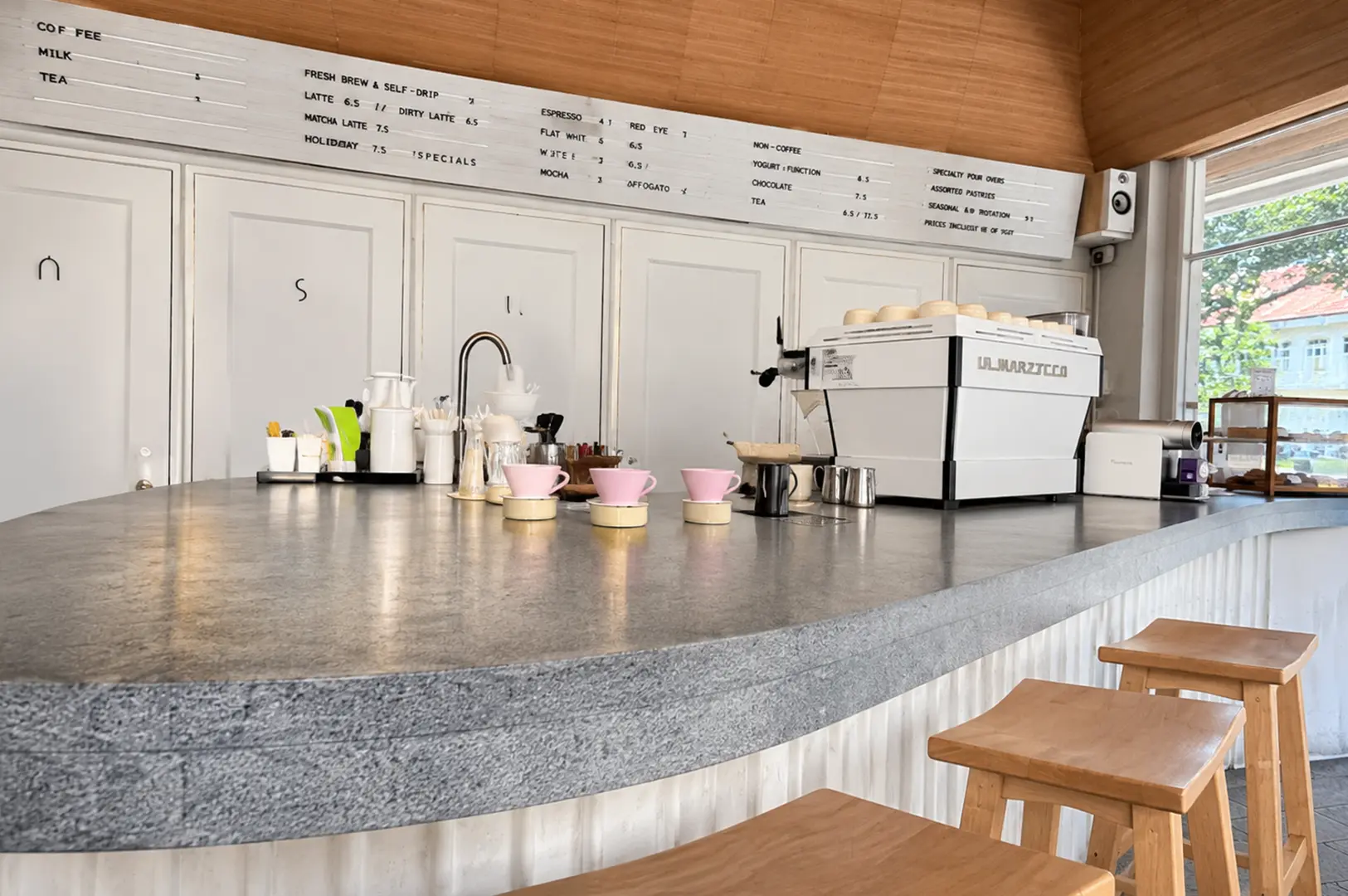
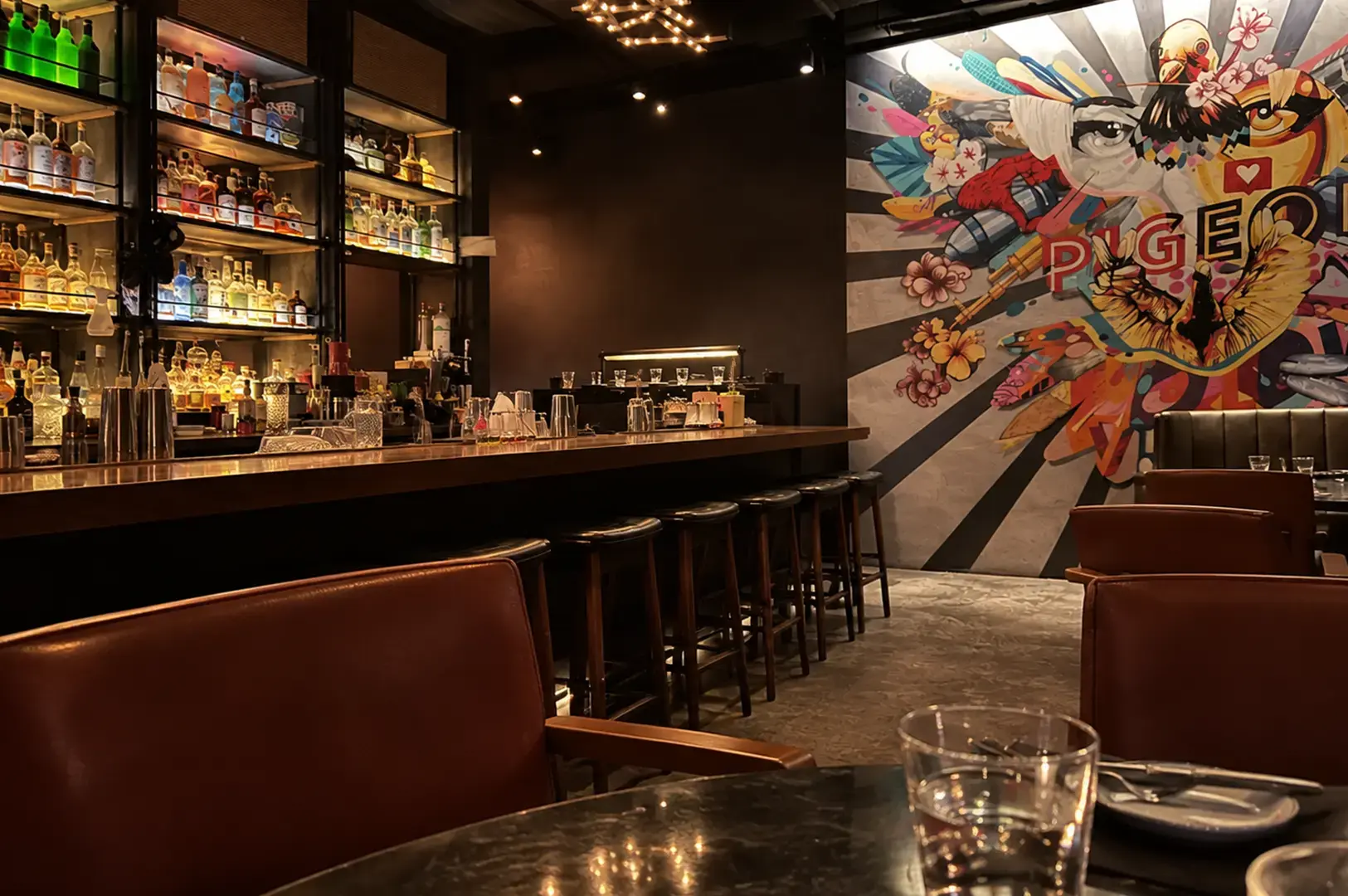
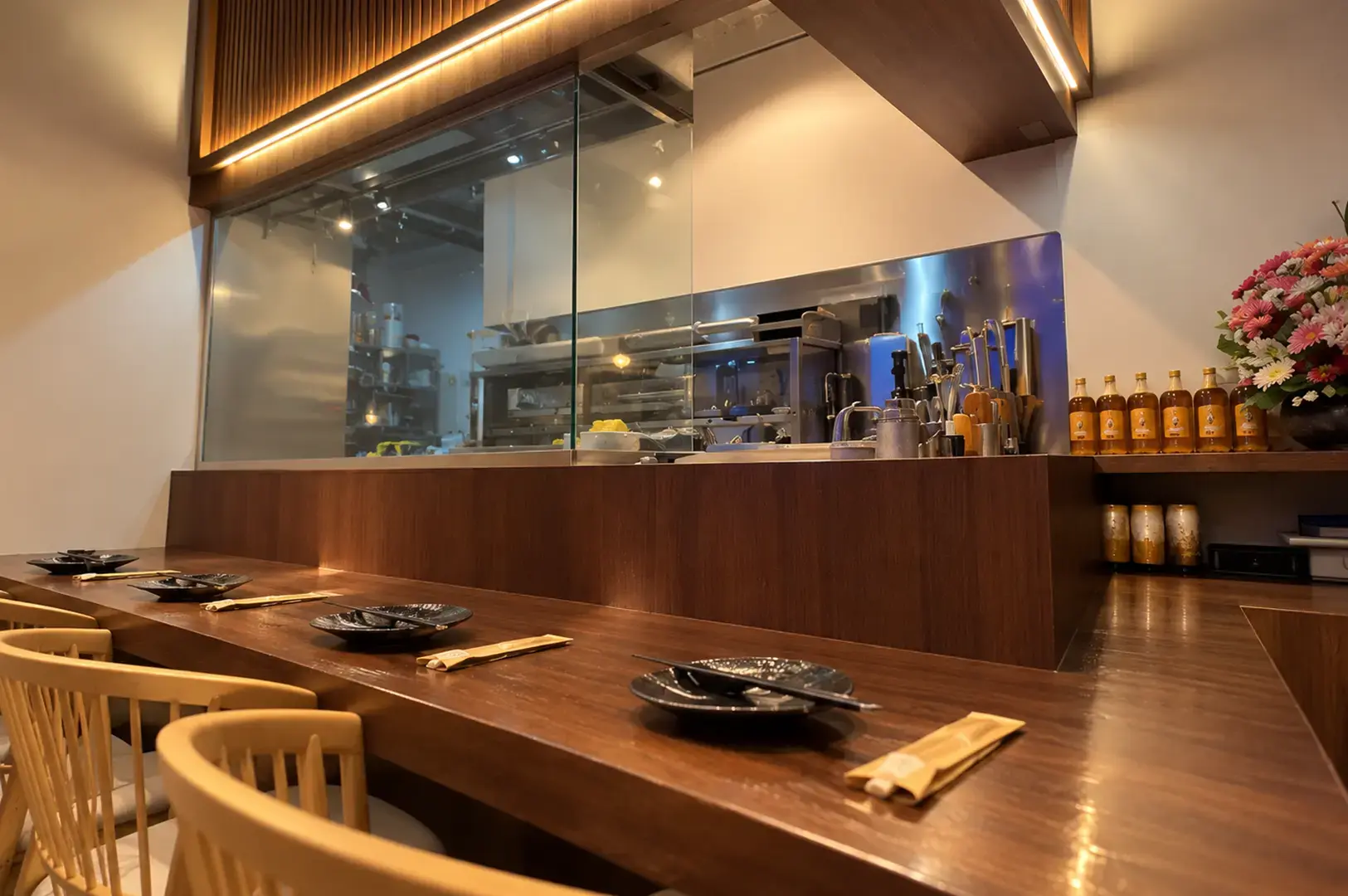
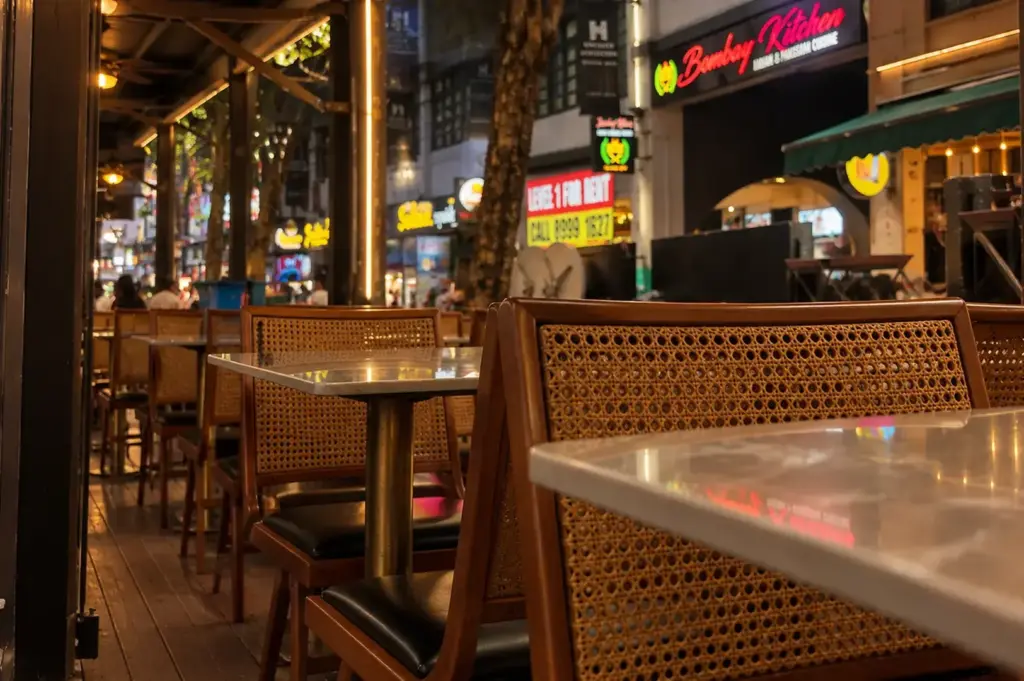
The room itself is unpretentious. Booth seating and traditional furnishings set a relaxed, casual mood, and nothing about the space feels designed for social media. I appreciated that.
The bigger selling point is the clock. Shinya is open daily from noon until 3am, which puts it in a small group of sit-down Japanese restaurants in the CBD that you can still walk into after most kitchens have shut. Expect the mood to change across the night, with the dinner crowd giving way to the after-drinks crowd as midnight passes.
There are also private rooms for corporate dinners and celebrations. That’s a practical advantage in the Boat Quay area, where many venues offer little beyond an open dining room and a crowded patio.
Not a New Izakaya, but a New Direction
It’s worth clearing up one point. Shinya isn’t a new izakaya. It launched around September 2022, and early coverage described it as a sister business to Nonbei Izakaya and Georgetown Tze Char. What’s new is the kitchen’s direction.
The official website now features a chef named Lu and promotes six focus areas: dry-aged sashimi, air-flown Japanese seafood, charcoal-grilled kushiyaki, A5 wagyu, live baked Boston lobster and Volcano Sushi. I’ll be honest about how I read that list. These are the restaurant’s own claims. The site doesn’t say which fish are dry-aged, for how long, or whether those items are always available.
None of this means the upgrades aren’t real. It does mean you should judge them on the plate rather than the website. If you’re new to the format itself, our guide can explain why ordering in rounds matters, and that approach works especially well here.
What I Ordered
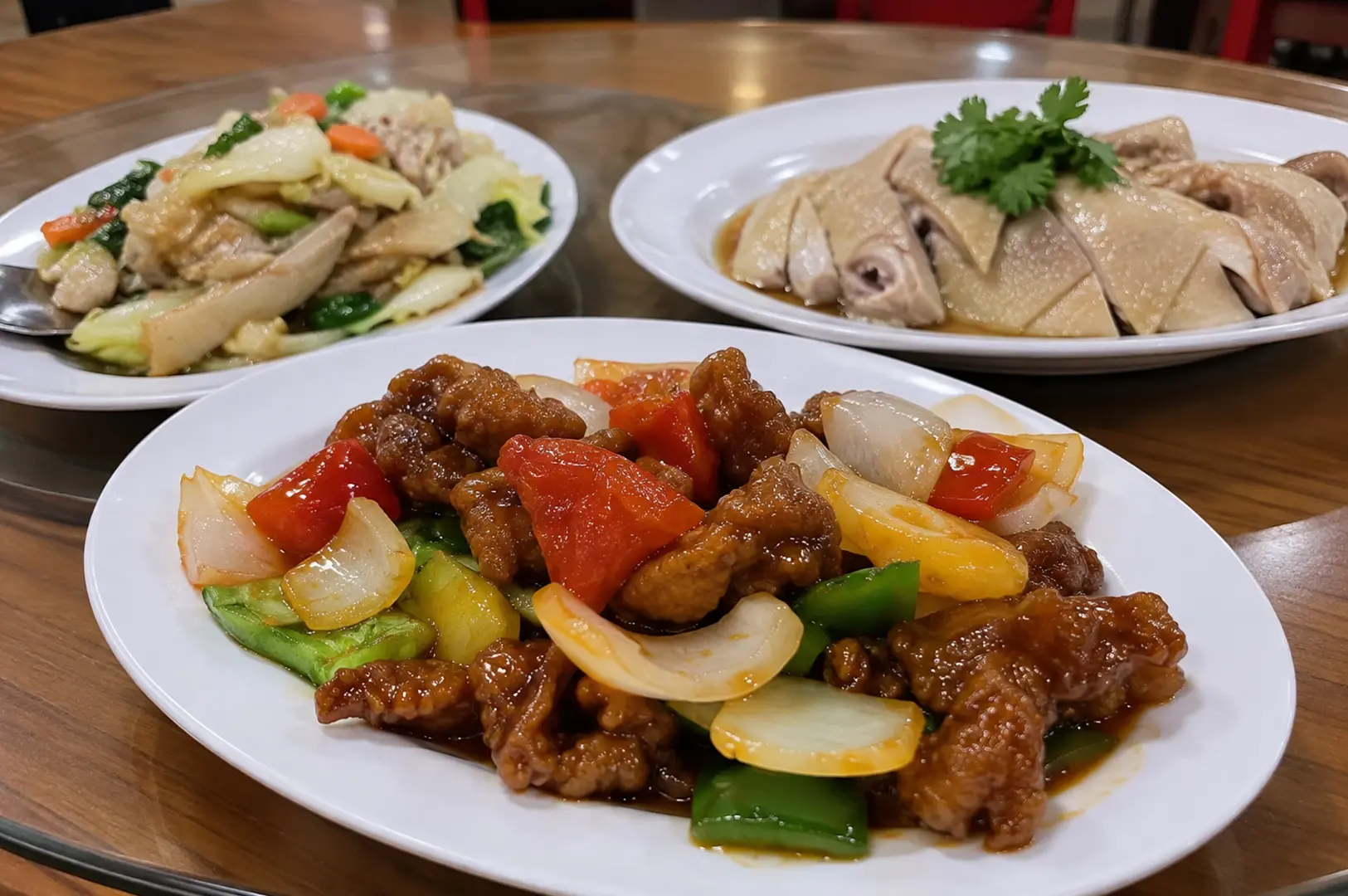
The menu is broad. It covers stir fried dishes, grilled dishes, rice dishes, fresh sashimi, donburi, ramen, sushi and plenty of drinking snacks. I built my meal the way I’d suggest anyone does: a few traditional favourites to test the basics, a sashimi plate to test the sourcing, and skewers to test the grill.
A quick caveat on prices. The figures below come from a Shinya-branded menu that was hosted by a former booking partner. Treat them as documented reference prices, not guaranteed current ones.
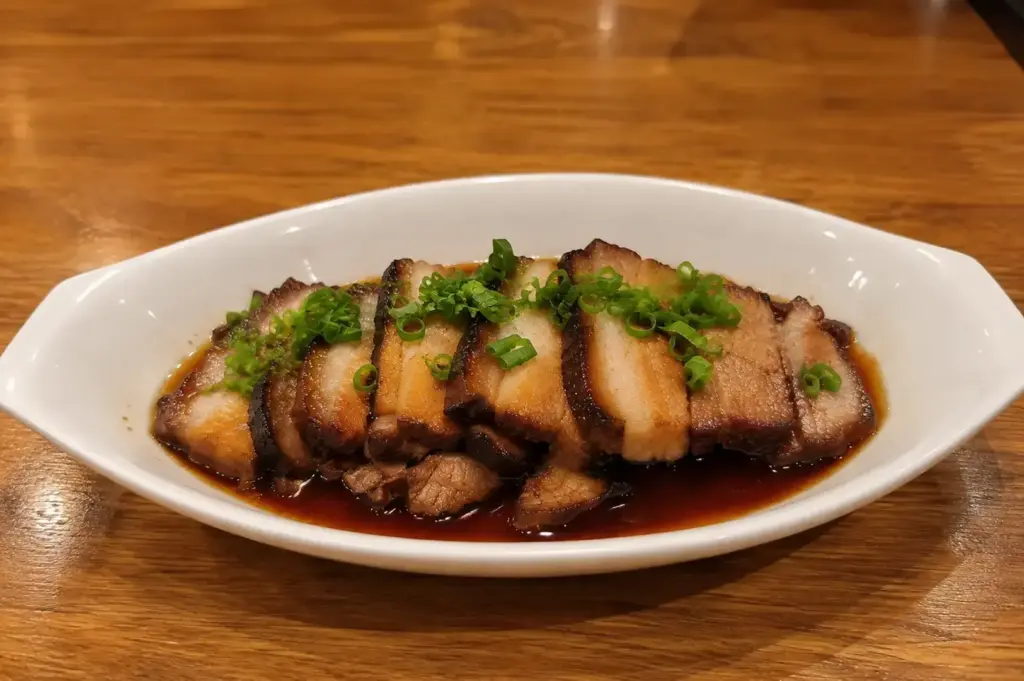
Buta Kakuni (Stewed Pork Belly), ~$12
SENDs Rating: ⭐⭐⭐⭐⭐
This is the dish I’d send anyone here for. Shinya serves its stewed pork belly platter in thick slices rather than the usual single cube, which makes it easier to share and, I’d argue, more satisfying to eat. The pork is braised until it’s properly tender, with the soy-based sauce seeping into the meat and the fat softening into something silky instead of greasy.
The mustard on the side matters. It brings a sharp edge that cuts through all that richness, so the dish never becomes cloying. The fat-to-lean balance is generous without tipping into excess.
At around $12, it’s the best value on the menu. Plenty of izakaya treat buta kakuni as an afterthought. Here it reads like the kitchen’s strongest skill. I’d order it again without hesitation.
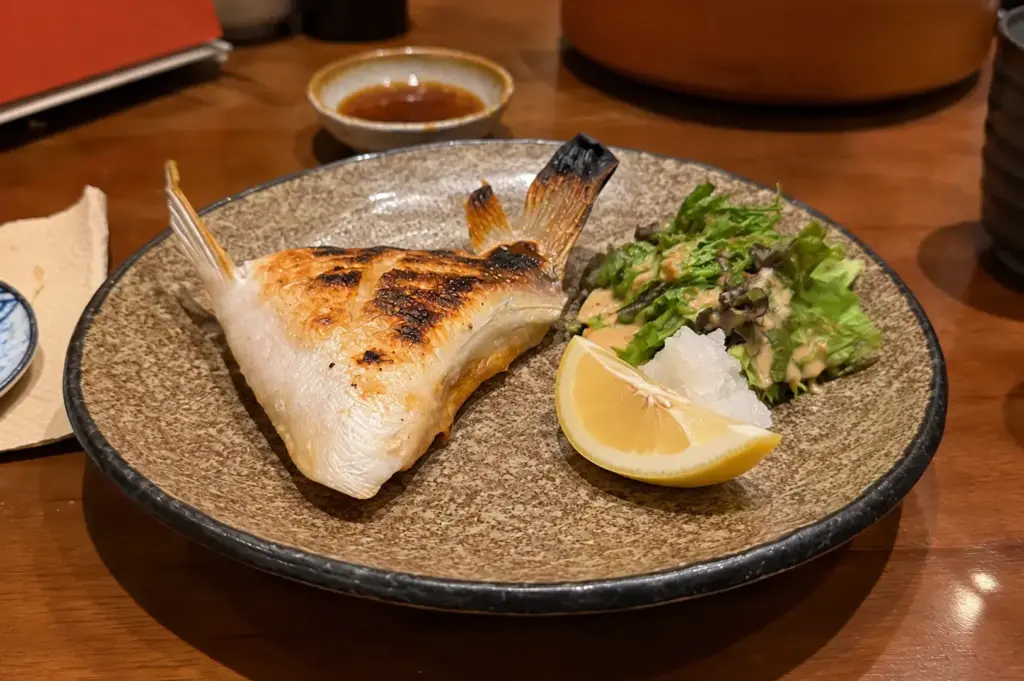
Kama Shioyaki (Grilled Yellowtail Collar), ~$20
SENDs Rating: ⭐⭐⭐⭐☆
Grilled yellowtail collar is a test I like to give any izakaya, because the cut is unforgiving. It mixes fatty and leaner sections, and a few minutes too long on the heat dries it out. Shinya’s version arrives with crisp skin, a light smokiness, and thick, juicy flakes that pull cleanly from the bone.
The salt seasoning is restrained, which lets the natural richness of the fish carry the dish. That’s the right call. It’s buttery without needing sauce.
My only reservation is size. It can look small for $20, and if you’re counting value per bite, you’ll notice. Even so, it’s well cooked and worth ordering. Think of it as one shared plate in a larger spread, not a main course.
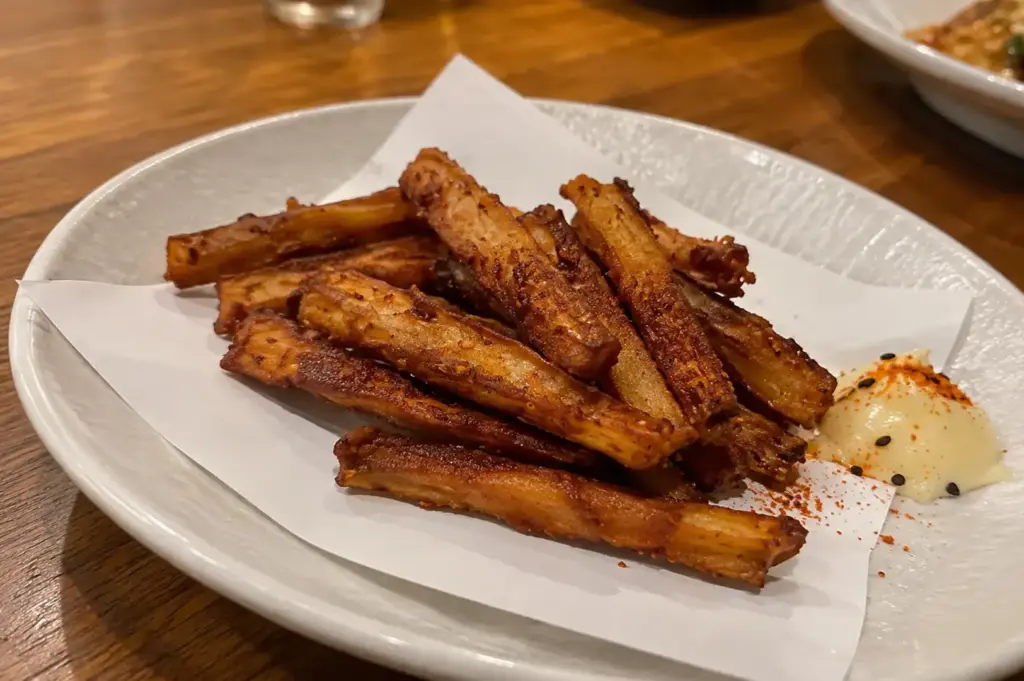
Gobo Stick Karaage (Deep-Fried Burdock Stick), ~$6
SENDs Rating: ⭐⭐⭐⭐☆
The cheapest thing I ordered turned out to be the most fun. Burdock root is cut into sticks and fried, giving you a crunchy coating around an earthy, gently sweet interior with a little fibrous chew. The closest comparison I can offer is a sweet potato fry with more character.
Compared with the generic fries and karaage at many bars, this feels more distinctive and more Japanese. I’d order it every time. Gobo Stick Karaage was documented at $6 on an earlier Shinya menu; it may no longer be part of the regular current menu, so check availability before visiting specifically for it.
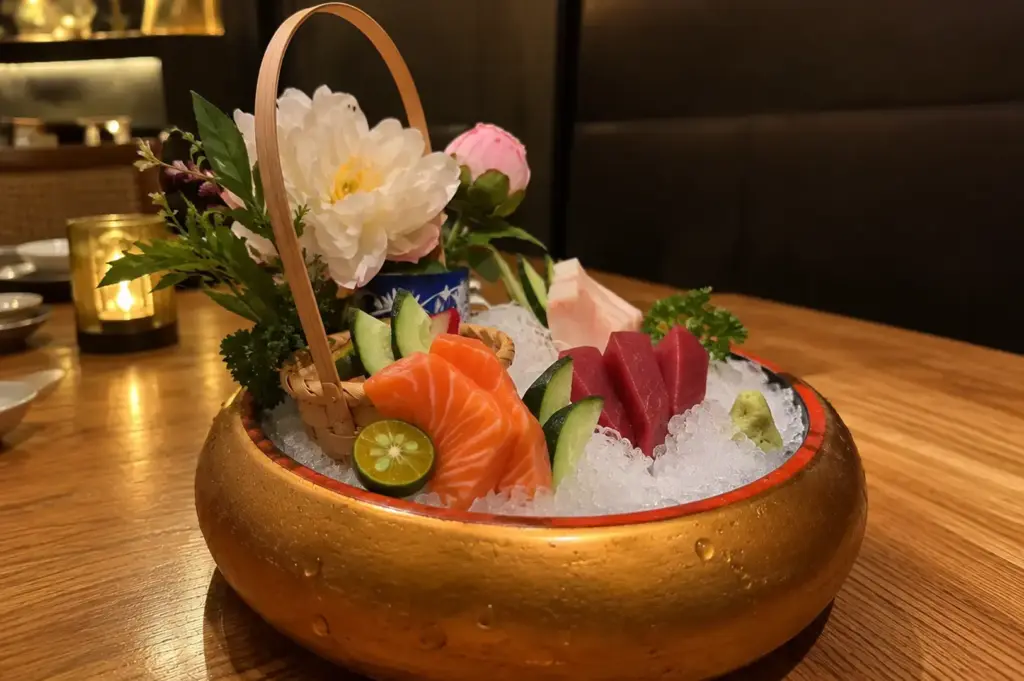
Three-Kind Assorted Sashimi, ~$35
SENDs Rating: ⭐⭐⭐½☆
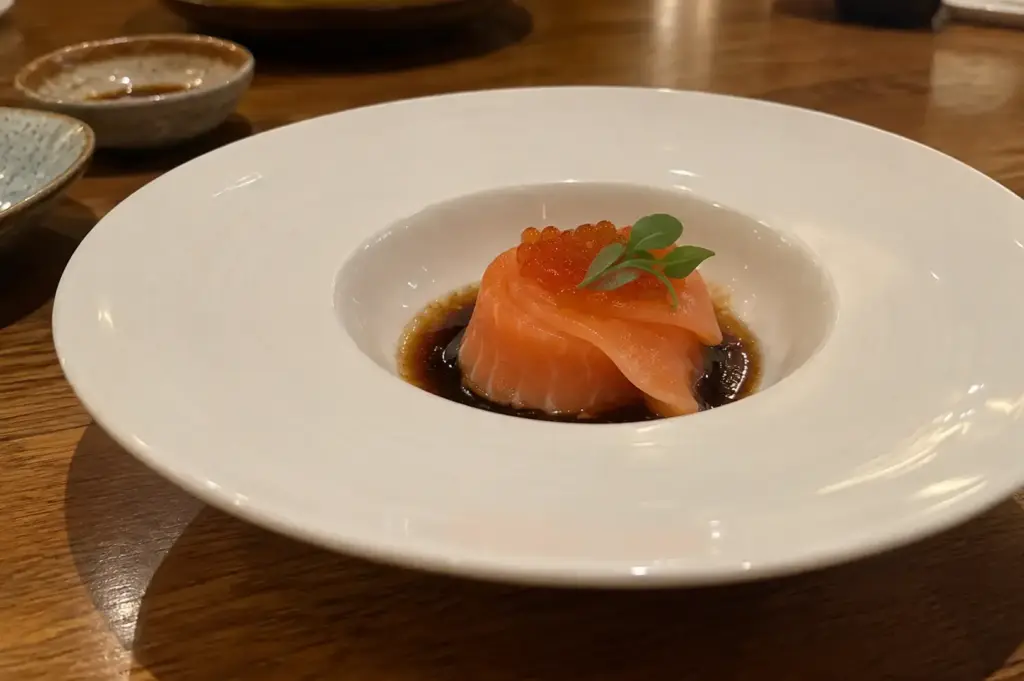
This is where I wanted Shinya to prove its sourcing claims. The documented menu lists three slices each of three varieties for around $35, with individual options including otoro, akami, shima aji, salmon and hotate. Earlier assortments have also included kanpachi and tai.
The fish I had was fresh and cleanly cut, and the contrast between lean and fattier cuts was clear. Still, nine slices for $35 isn’t a bargain, and nothing about the plate told me why it should cost more than good sashimi elsewhere in the CBD. If the dry-aged program is the point, the restaurant needs to communicate it better, so ask your server which cuts are aged before you order.
I’d order sashimi again, but I’d probably skip the assortment and pick one or two specific cuts. The otoro (around $32 for five pieces) makes the most sense if you want something richer.
Kushiyaki and Ei Hire
The skewers, sold two sticks per order, are priced to encourage experimenting. Tsukune and enoki bacon are documented at around $4.80 each, shiitake at about $3.80, and Australian Wagyu at roughly $6.80. The enoki bacon is the one I’d flag, because the mushrooms soak up rendered pork fat beneath a crisp edge.
Grilling isn’t perfectly consistent across the board, though. Chicken mid wings have drawn comments about dryness, so I’d steer toward tsukune and the vegetable-and-bacon combinations.
Ei Hire, grilled dried stingray fin (around $12), is a classic drinking snack served with mayonnaise. It’s chewy, salty and faintly sweet.
Sake Pairing and the Hokkaido Kanjyuku Question
Shinya clearly wants to be a sake destination as much as a kitchen. A 2022 media tasting documented a Hokkaido Kanjyuku Junmai Daiginjo, described as an aged sake, at $118 a bottle. I can’t confirm whether it’s still on the list or at what price, so ask before you plan an evening around it.
For sake pairing, follow the food. A crisp sake cuts nicely through stewed pork belly. Something more delicate suits the sashimi, while a fuller-bodied pour can stand up to the charred, heavily seasoned skewers. That’s general guidance, not Shinya’s official pairing, but the menu gives you plenty to work with. Beer drinkers aren’t left out.
Service & Overall Experience
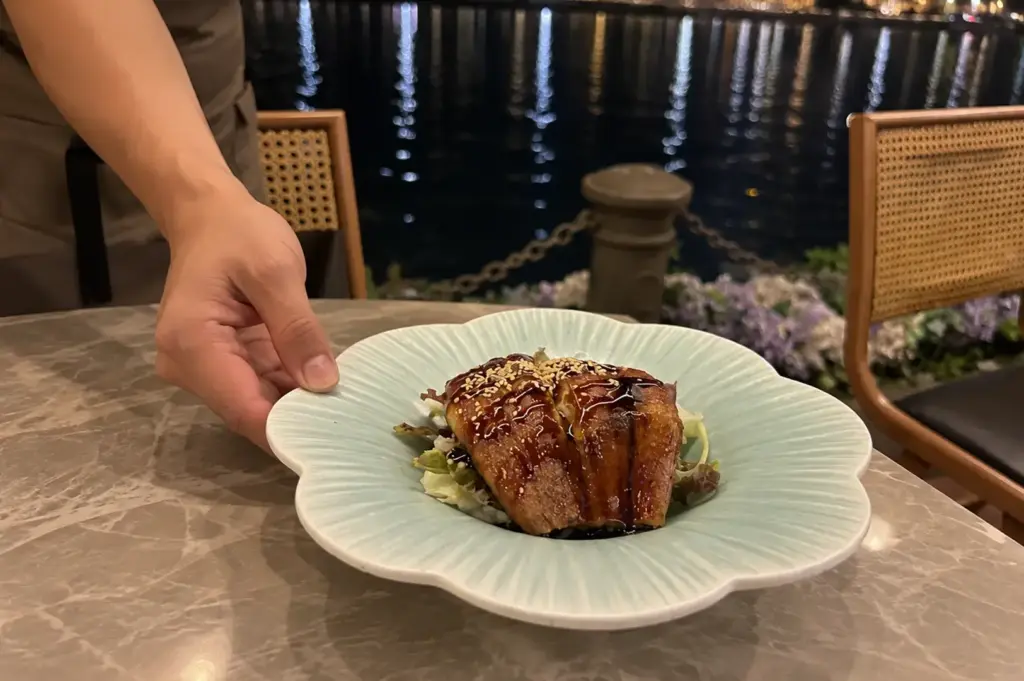
Service is a genuine strength. I would describe the staff as attentive, proactive and friendly. I even had an unsatisfying dark beer replaced at no charge. But that’s my story, service recovery like that tells you more about a restaurant than a smooth night does.
Ordering is easy, and the kitchen handles the gradual izakaya rhythm well. Plates came out in sensible waves rather than all at once.
I do have two criticisms. The first is value creep. Skewers and the pork belly are fairly priced, but sashimi, wagyu and sake push the bill up quickly. Some reviewers have described the prices as high once drinks are added, and I understand why. The second is seasoning on the fried and grilled items, which can be uneven. A dry wing here and an over-seasoned plate there is a pattern I’ve experienced so it’s worth keeping in mind.
Things to Know Before You Go
Address: 79 Boat Quay, Singapore 049867
Nearest MRT: Raffles Place, a short walk toward the river
Opening hours: Daily, 12pm to 3am
Private rooms: Available for groups and corporate events. Confirm capacity and any minimum spend directly.
Estimated spend: No official figure. Roughly $26 to $80 per person, depending heavily on whether you order premium sashimi, wagyu and sake. Factor in service charge and GST.
Promotion: A grilled lobster deal is advertised at $28 (usually $68), with no end date listed, so check before you go.
Dietary notes: Not halal-certified, and the menu includes pork, seafood and alcohol. Vegetable dishes like edamame and shiitake may involve animal-based sauces or stocks, so ask first.
Parking: Public and street parking is nearby, though nothing is guaranteed. The MRT is simpler.
SENDs Verdict
Price Range: $$
SENDs Rating: ⭐⭐⭐⭐☆
Perfect For: Late-night Japanese food after 10pm, office workers sharing skewers after work, small group celebrations, and corporate dinners that need private rooms.
Skip It If: You want a high-end omakase counter, a fixed-price meal, or halal-certified dining.
SENDs Tip: Build your meal around the stewed pork belly, the yellowtail collar and a round of gobo stick karaage and enoki bacon skewers before adding premium cuts. If you’re curious about the dry-aged sashimi, ask which fish are aged first so you know exactly what you’re paying for.
Shinya Izakaya is at its best as a traditional izakaya. The Buta Kakuni, Kama Shioyaki and Gobo Stick Karaage show a kitchen that understands braising, grilling and frying, and the late hours plus riverside setting make it genuinely useful. The newer premium push is less convincing so far. The sashimi is good but expensive, and the dry-aged claims need clearer explanation before they justify the price. Order the classics and Shinya is very good food for the money. Order mainly luxury items and the value case gets thinner.
Is Shinya Izakaya Worth It?
I left Shinya thinking less about the wagyu and dry-aged fish on its website than about a few slices of pork belly with mustard. That’s not a knock on the restaurant. It’s an argument that its strongest identity is the one it already had.
Whether it suits you comes down to how you order. If you want a riverside table, honest izakaya cooking with your friends, and a kitchen still open when everywhere else is closing, it delivers. If you’re paying mainly for premium seafood, go in with clear expectations and a few questions for your server.
If this review helped you decide, explore more restaurant reviews, café guides and food recommendations on Social Eats ‘N’ Drinks. There’s always another table worth weighing up.