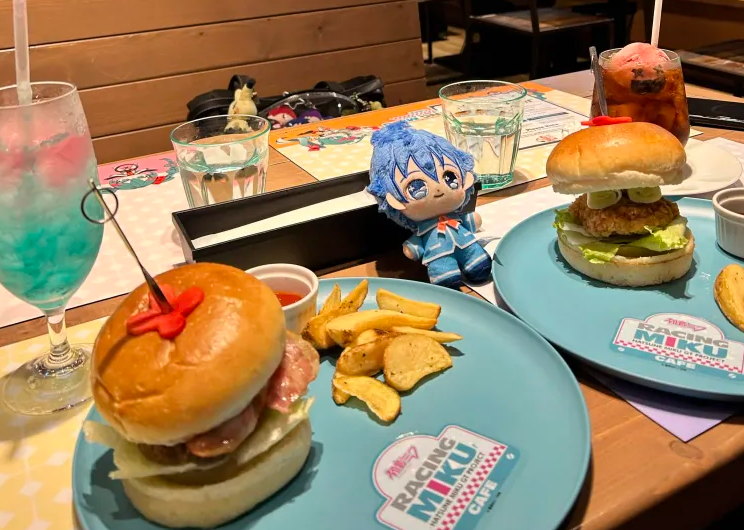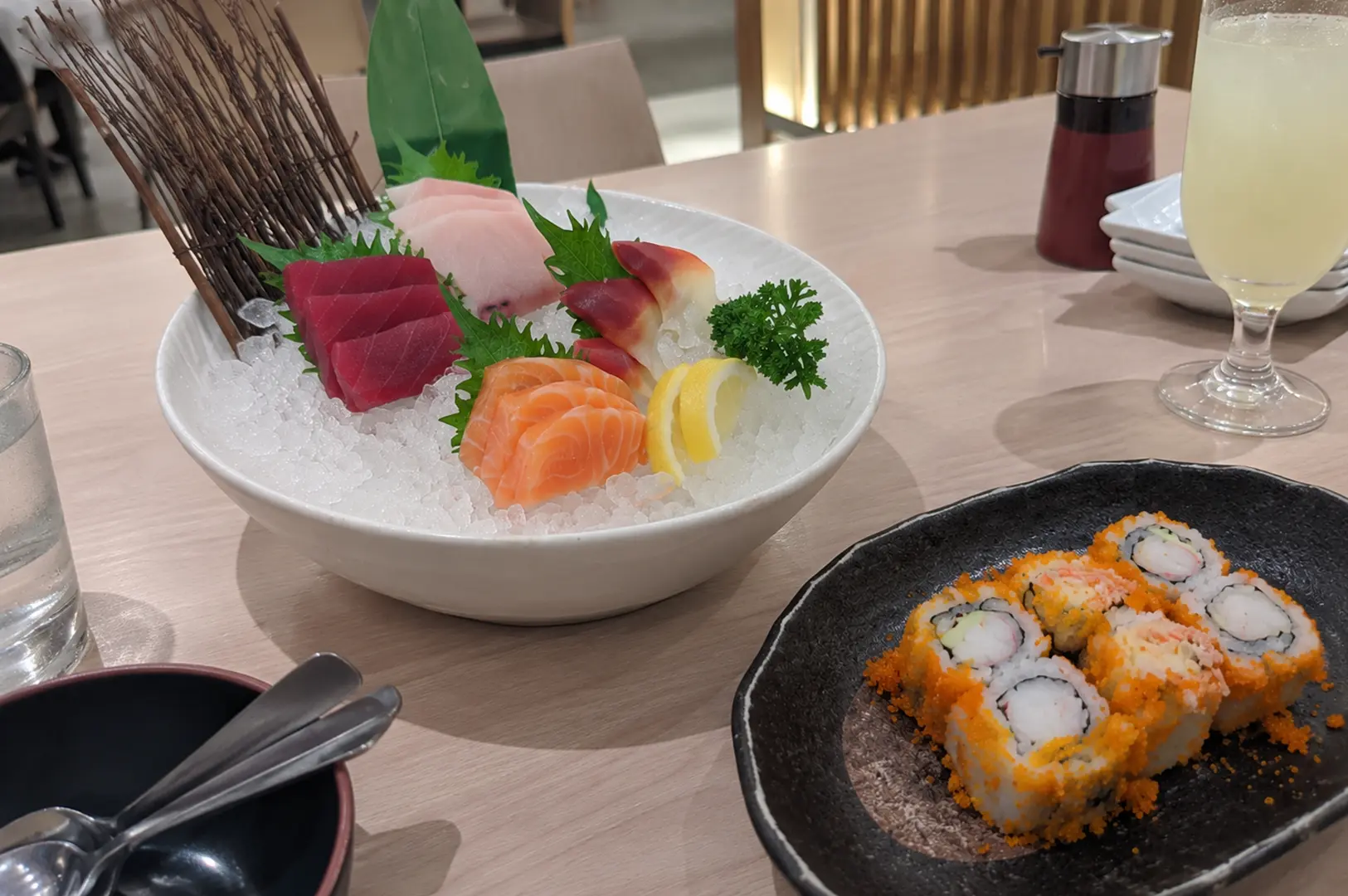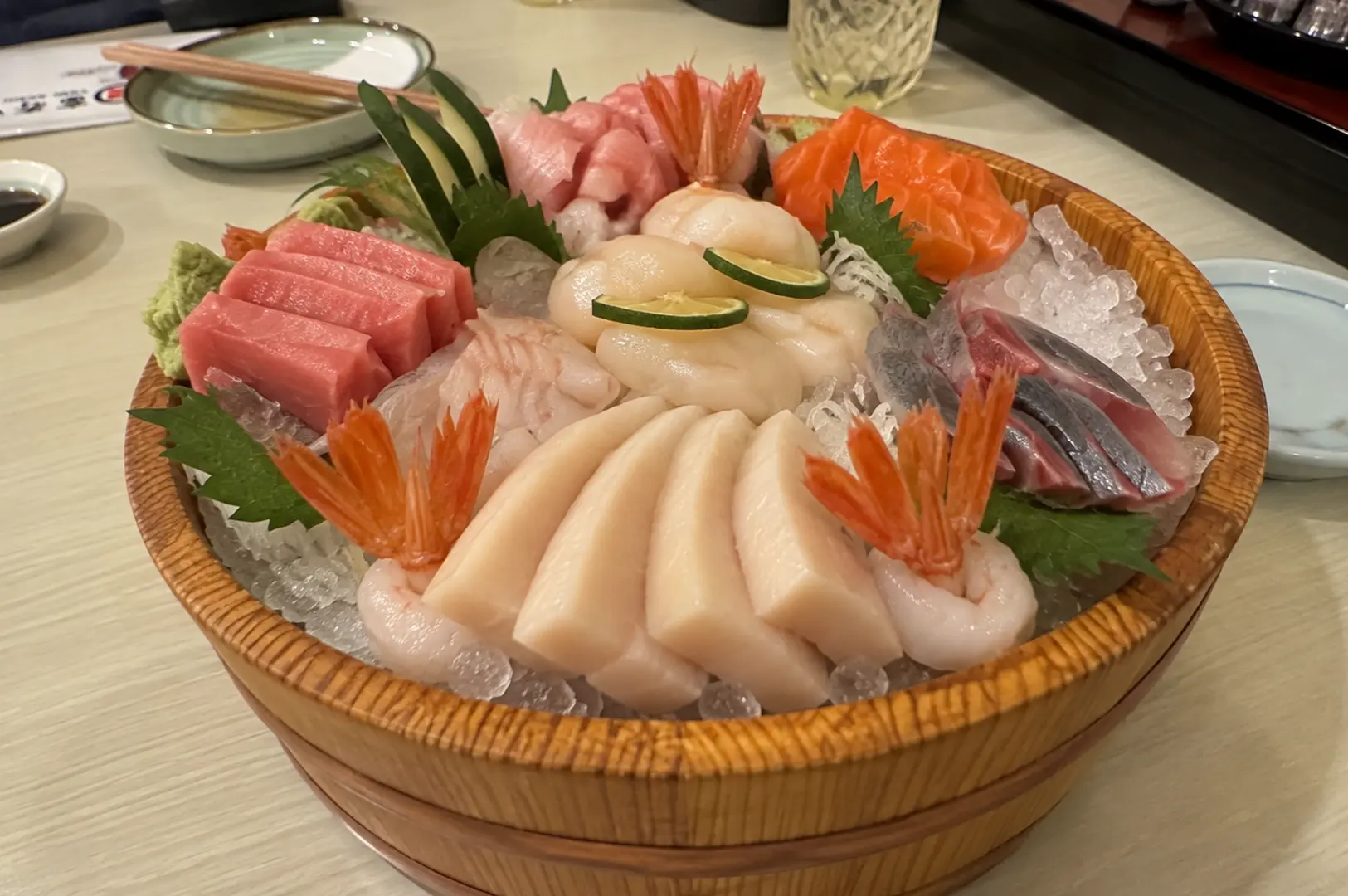

The moment I open a menu and see pasta, sushi, burgers, hotpot, waffles, and Korean fried chicken on the same page, I start getting suspicious.
I understand the logic. More choices should mean more people can find something they like. One friend wants ramen, another wants pizza, and someone else is only there for dessert. A huge menu seems like the easiest way to keep everyone happy, especially for family restaurants or casual dining spots that need to appeal to different age groups.
But too much choice can also make a restaurant feel like it has no idea what it wants to be.
When a kitchen is trying to handle six cuisines at once, I immediately start wondering which dishes are actually made well and which ones are just there to fill space. Is the sushi prepared with the same attention as the pasta? Is the hotpot broth developed properly, or is it simply another item added because hotpot is popular? When every category is represented, it becomes harder to believe that any one of them is the restaurant’s real strength.
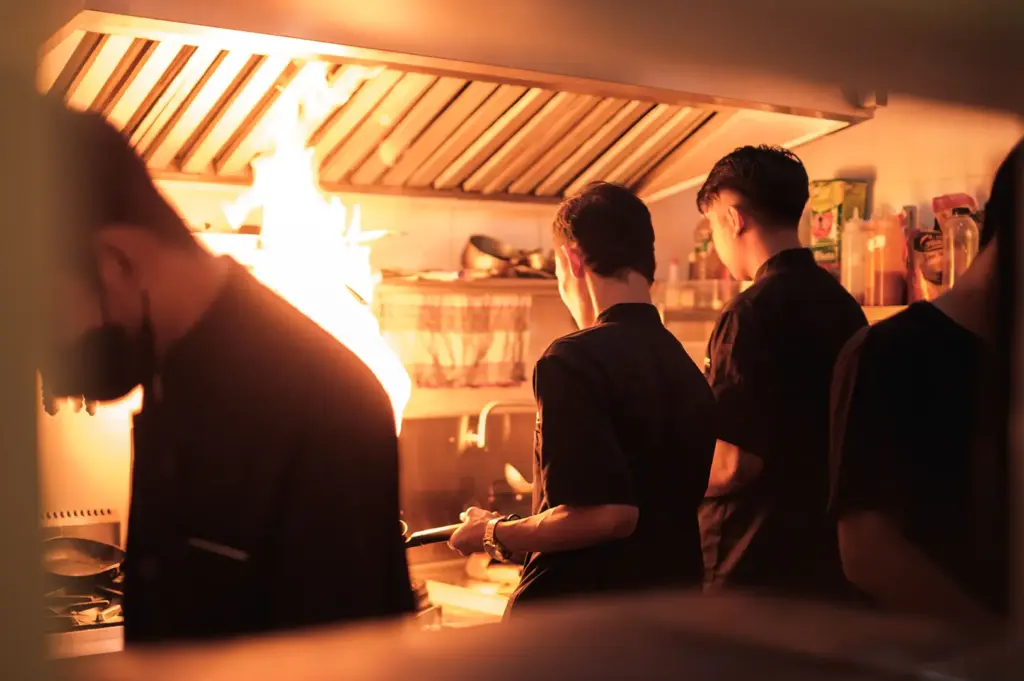
That does not mean every restaurant needs a tiny menu. Some places are built around variety, and they do it successfully because the kitchen, ingredients, and service are structured for it. Hotels, food halls, and established family restaurants can offer range without losing consistency. The problem is when a small restaurant tries to behave like all three at once.
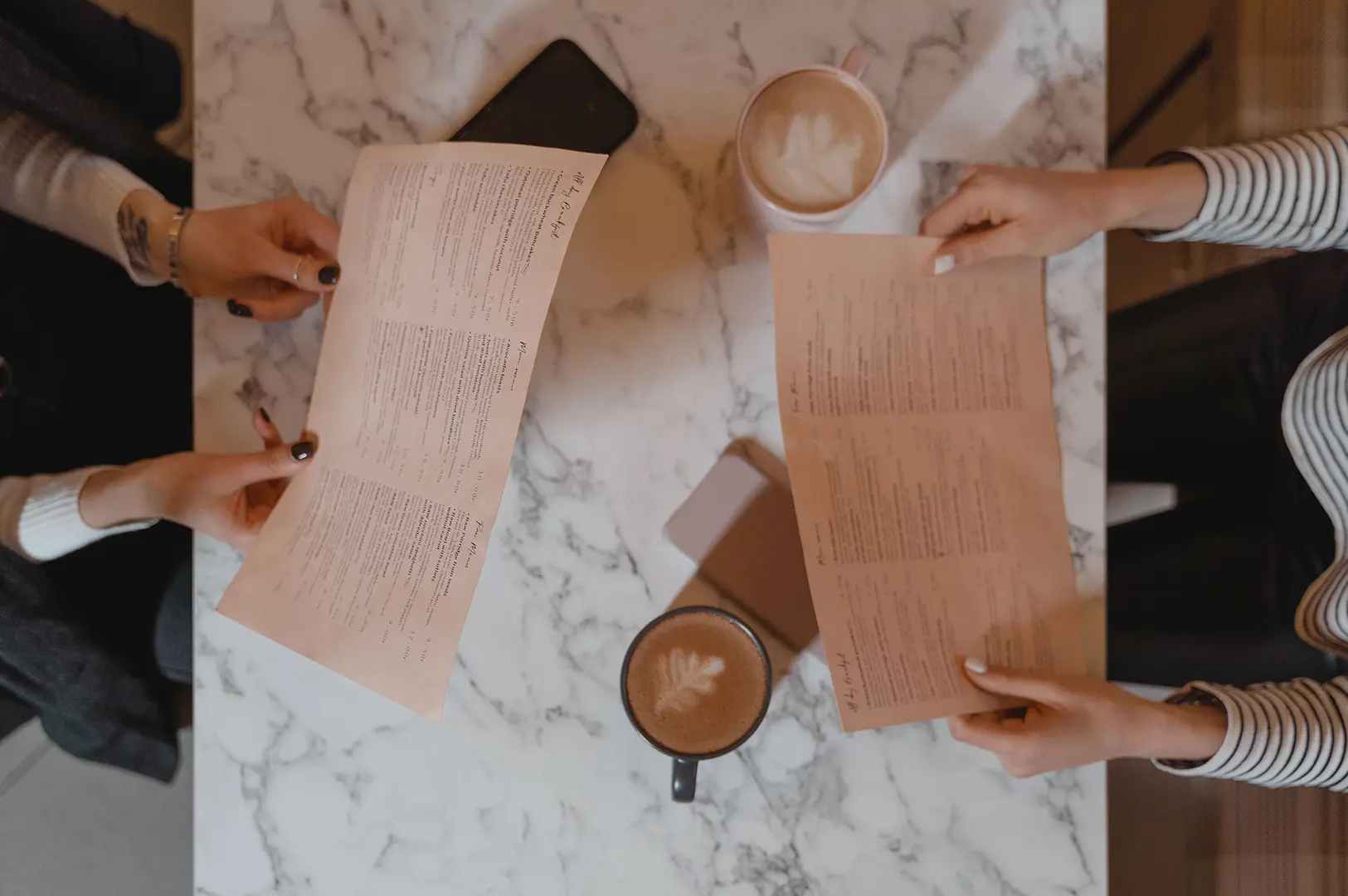
A long menu can also make ordering more stressful than enjoyable. I have spent too much time flipping between pages, comparing a rice bowl to a burger, then getting distracted by a waffle section I did not even know I wanted. By the time I choose, I am not excited. I am just tired of deciding.
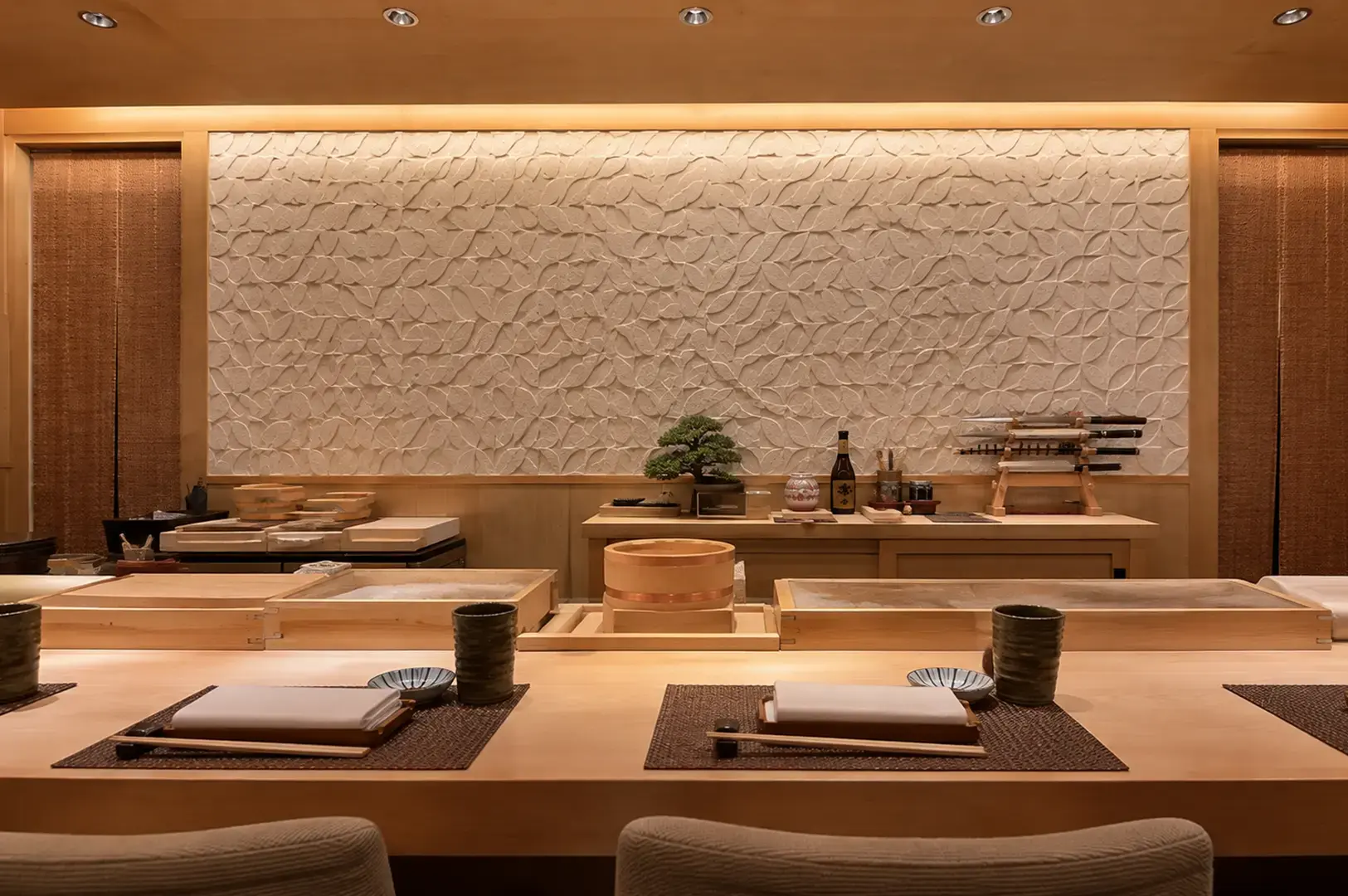
There is something reassuring about a shorter menu. It tells me the kitchen has made decisions before I arrived. The restaurant knows what it does best, what ingredients it wants to focus on, and what kind of experience it is trying to offer. Even when there are fewer options, the choices often feel more confident.
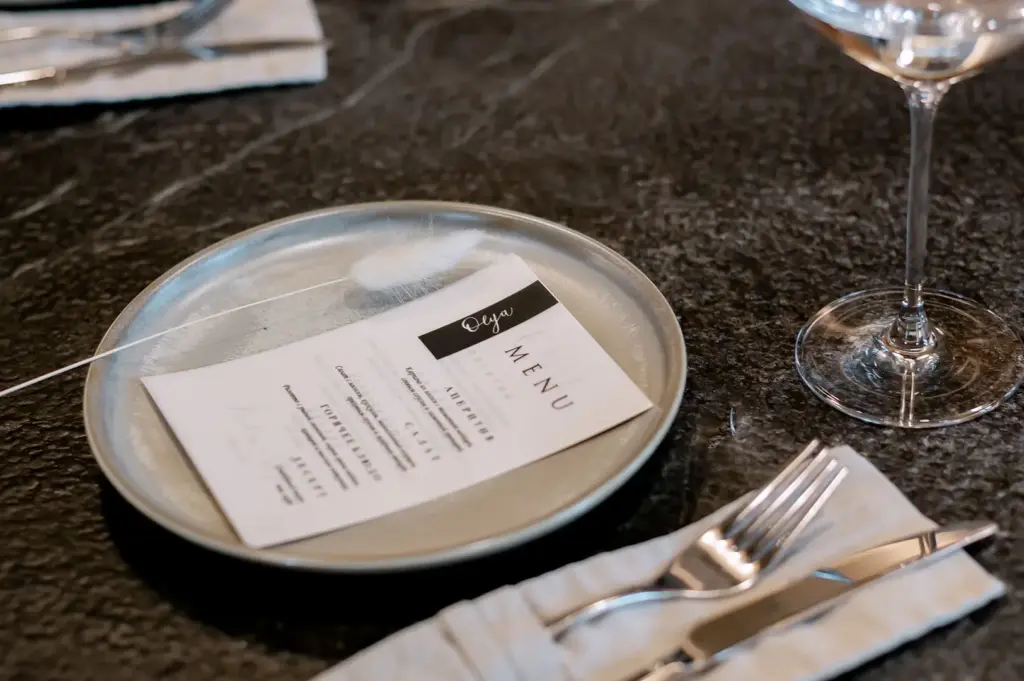
I also think shorter menus make restaurants easier to remember. If a place is known for five excellent dishes, people know what to return for. If it serves seventy items across seven cuisines, the identity becomes blurry. You might remember that everyone found something to eat, but not what made the restaurant special.
Of course, diners are partly responsible for this too. We keep asking restaurants to satisfy every preference at the same table. We want vegetarian options, comfort food, trending dishes, something for children, and dessert that photographs well. Restaurants respond by adding more and more until the menu starts looking like a negotiation.
Choice is useful, but identity matters more.
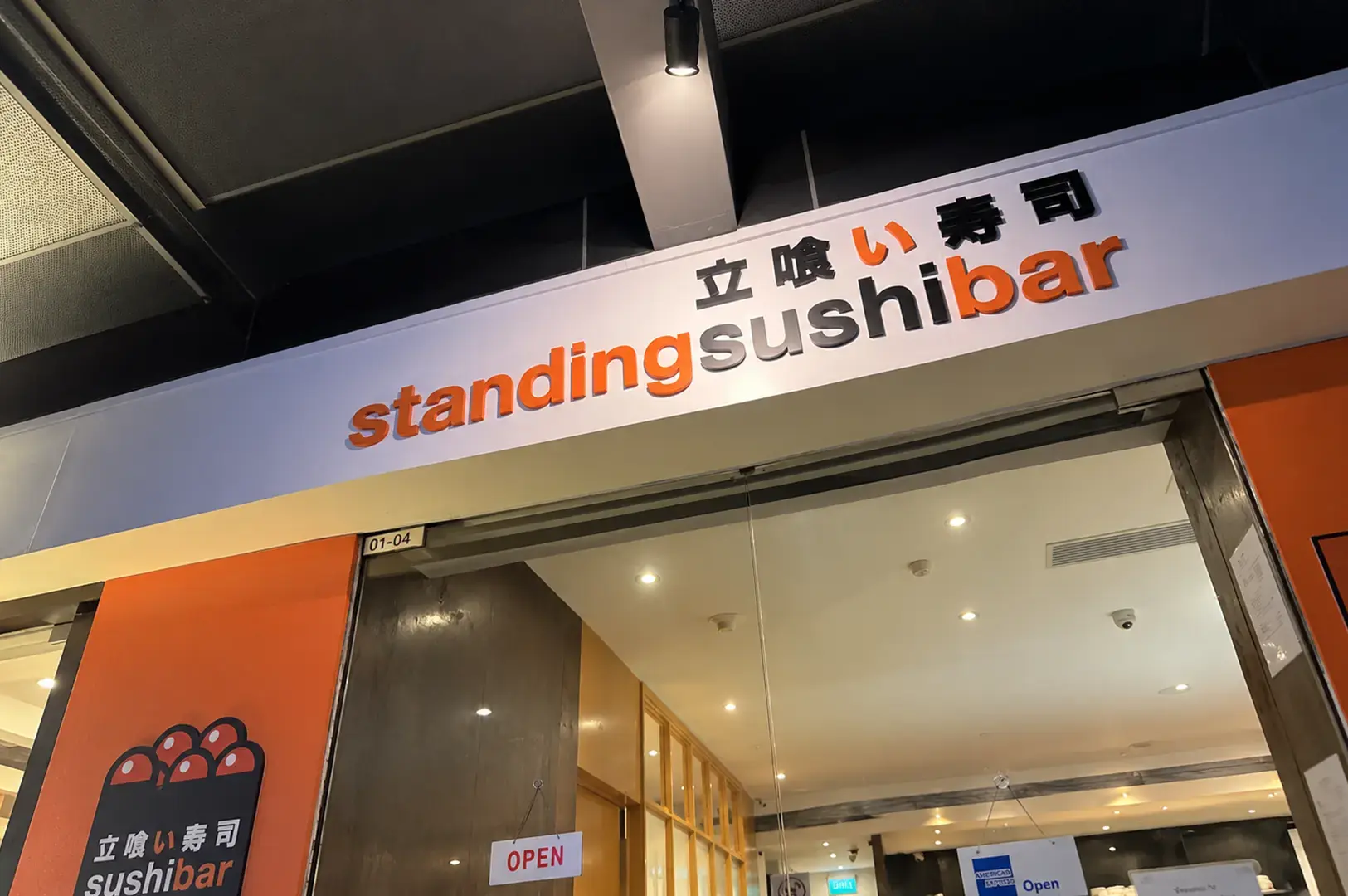
I would rather visit a restaurant that does one cuisine properly than one that tries to predict every possible craving. A focused menu does not feel limiting. It feels like someone in the kitchen actually made a decision and is willing to stand behind it.
Discover more food culture hot takes on Social Eats N Drink by clicking here: https://socialeatsndrink.com/