
When we think back to Hokkaido, the first thing that comes to mind should probably be the snow. The soft piles along the pavement, the cold air hitting our faces the moment we stepped outside, the quiet streets that made everything feel slower than usual. But somehow, the thing we miss most is not the scenery. It is the warmth of soup curry after walking too long in the cold.
Soup curry is simple to explain, but harder to forget. It is a Japanese curry dish with a lighter, soup-like broth, usually served with rice, vegetables, and meat. But what made it stay with us was never just the format. It was how the broth behaved from the first spoon to the last. It did not rely on thickness to feel satisfying. It had depth instead. The kind that starts off clean, then becomes richer as the spices settle, the vegetables soften, and the rice slowly changes the rhythm of the meal.
That is what good soup curry understands. Comfort does not always have to be heavy. Sometimes, it can be warm without weighing you down. In Hokkaido, especially during winter, that mattered more than we expected. After hours of walking through cold streets, our bodies wanted something filling, but not the kind of filling that makes you sleepy after. Soup curry gave us heat, flavour, and enough comfort to feel human again.
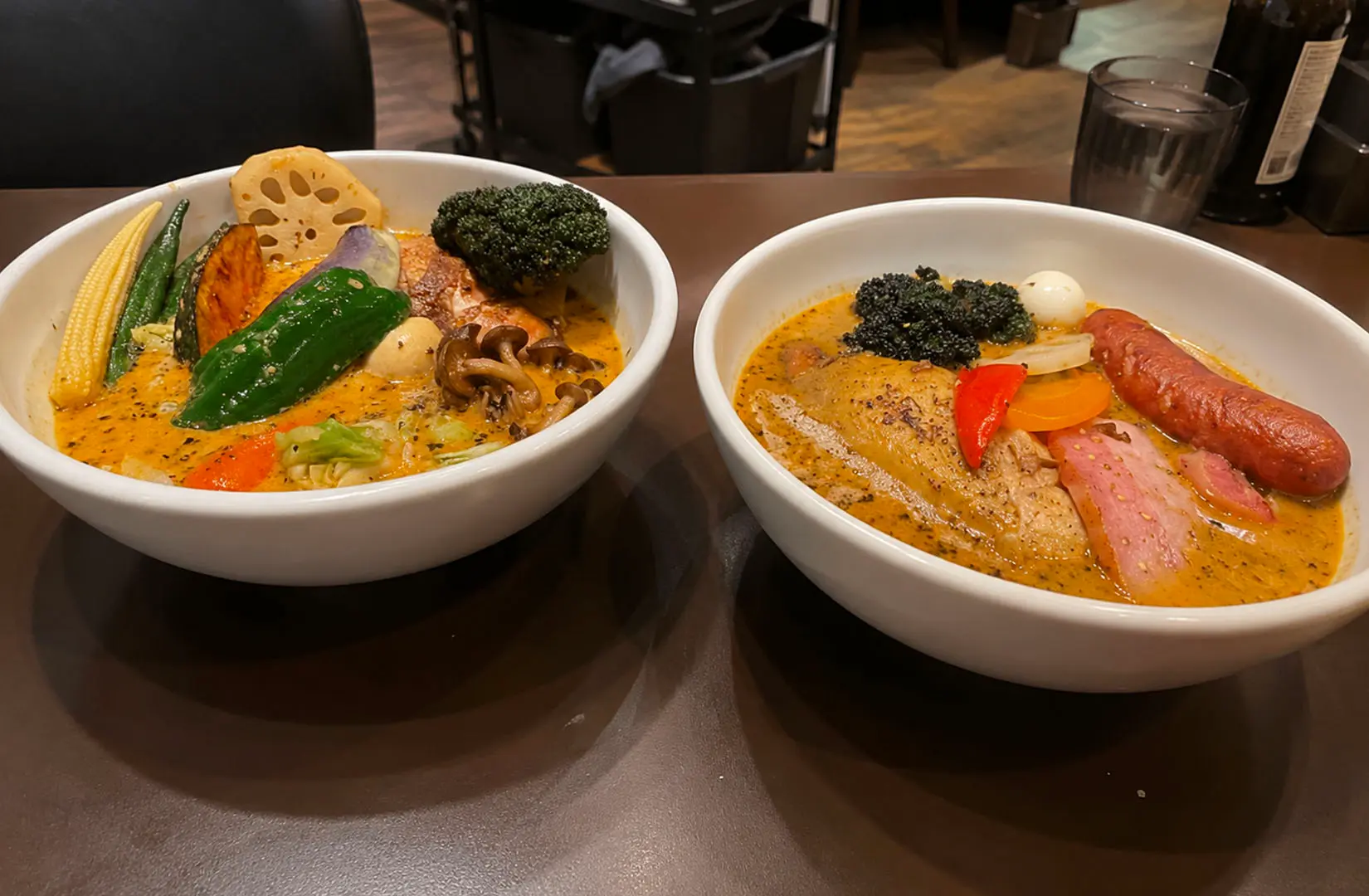
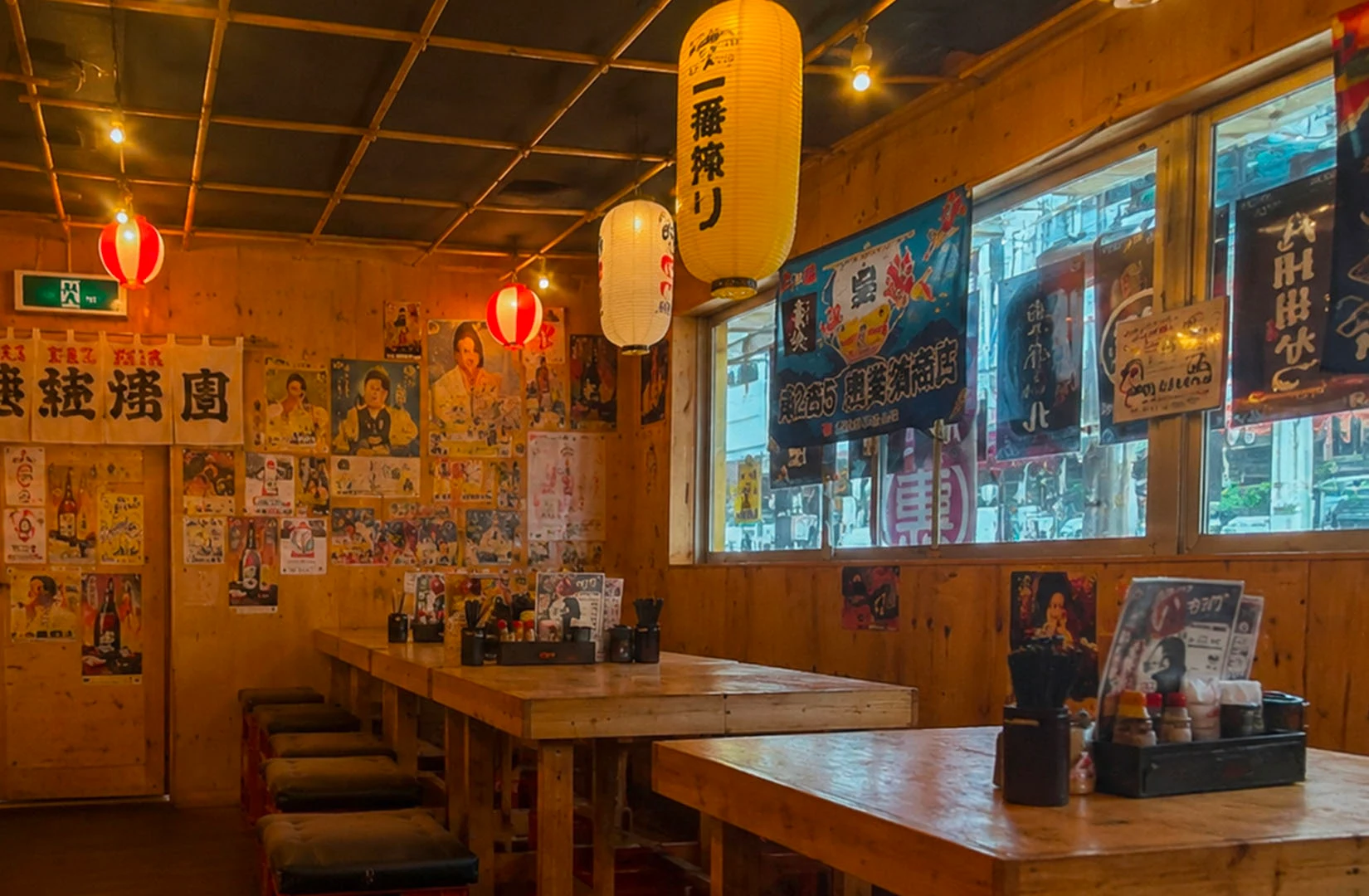
We still remember sitting inside a small restaurant, jackets hanging beside us, hands slightly stiff from the cold. The bowl arrived steaming, with vegetables sitting neatly in the broth, rice served on the side, and the smell of spices rising before we even picked up the spoon. The first few bites were almost practical. We were cold, hungry, and relieved. But halfway through, the bowl started to feel different. The broth became more layered. The vegetables had released their sweetness. The spice felt warmer, not louder. It kept evolving, which made us slow down without realising.
That is probably the part we miss most. In Singapore, where comfort food often means something rich, creamy, fried, or heavy, soup curry sits in a different lane. It feels comforting in a cleaner way. It warms you, but still lets you keep going after. It is the kind of dish that makes sense on a rainy day here, even without the Hokkaido snow. When the sky turns grey and the roads smell like rain, we sometimes think about that bowl and how it made the cold feel less sharp.
There is also a kind of Japanese escapism tied to it. Not the overly polished version of Japan we sometimes see online, but the quieter kind. A small table, a hot bowl, rice on the side, and no need to rush. Soup curry feels seasonal even when you eat it outside Japan. It reminds us that food can carry weather, memory, and place all at once.
Maybe that is why Hokkaido soup curry stayed with us longer than other meals from the trip. It was not the fanciest thing we ate. It was not the most photogenic either. But it understood the assignment completely. It gave warmth without excess, flavour without heaviness, and comfort that changed as the bowl emptied.
Some dishes are not memorable because they shock you. They stay because they meet you exactly where you are.
“The best comfort food does not always hug tightly, sometimes it just keeps you warm enough to stay.”
Discover more food stories and quiet cravings on Social Eats N Drink.