I can’t deny it, TikTok has helped me discover some genuinely good places to eat.
A random 20-second video has led me to hidden hawker stalls, underrated cafés, and dishes I probably would have ignored otherwise. In that sense, TikTok has made food culture feel more accessible. Small businesses can suddenly blow up overnight without needing huge marketing budgets.
But at the same time, I think TikTok is slowly making restaurants worse too.
Not always in terms of food, but in the way restaurants now feel pressured to operate.
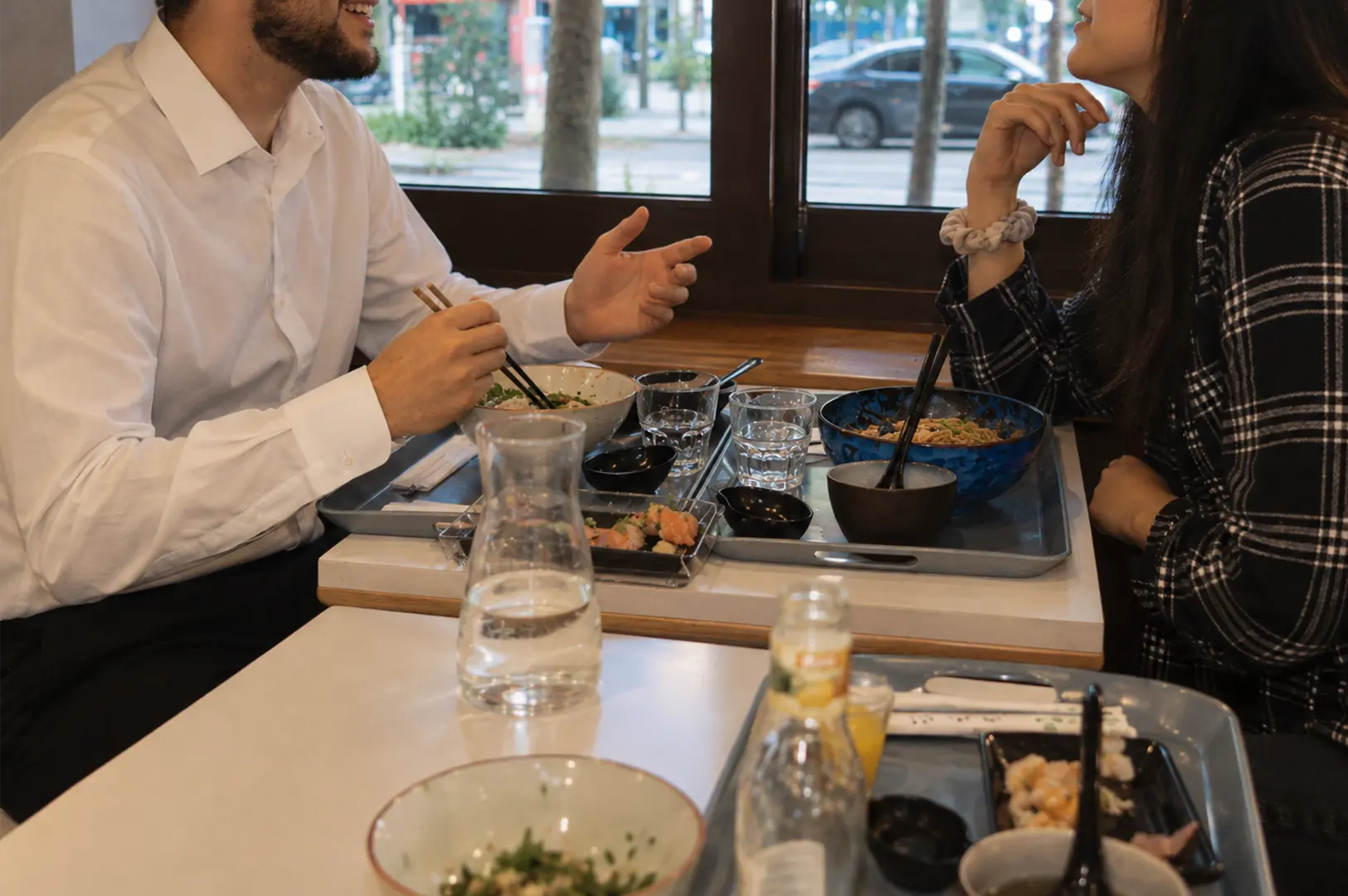
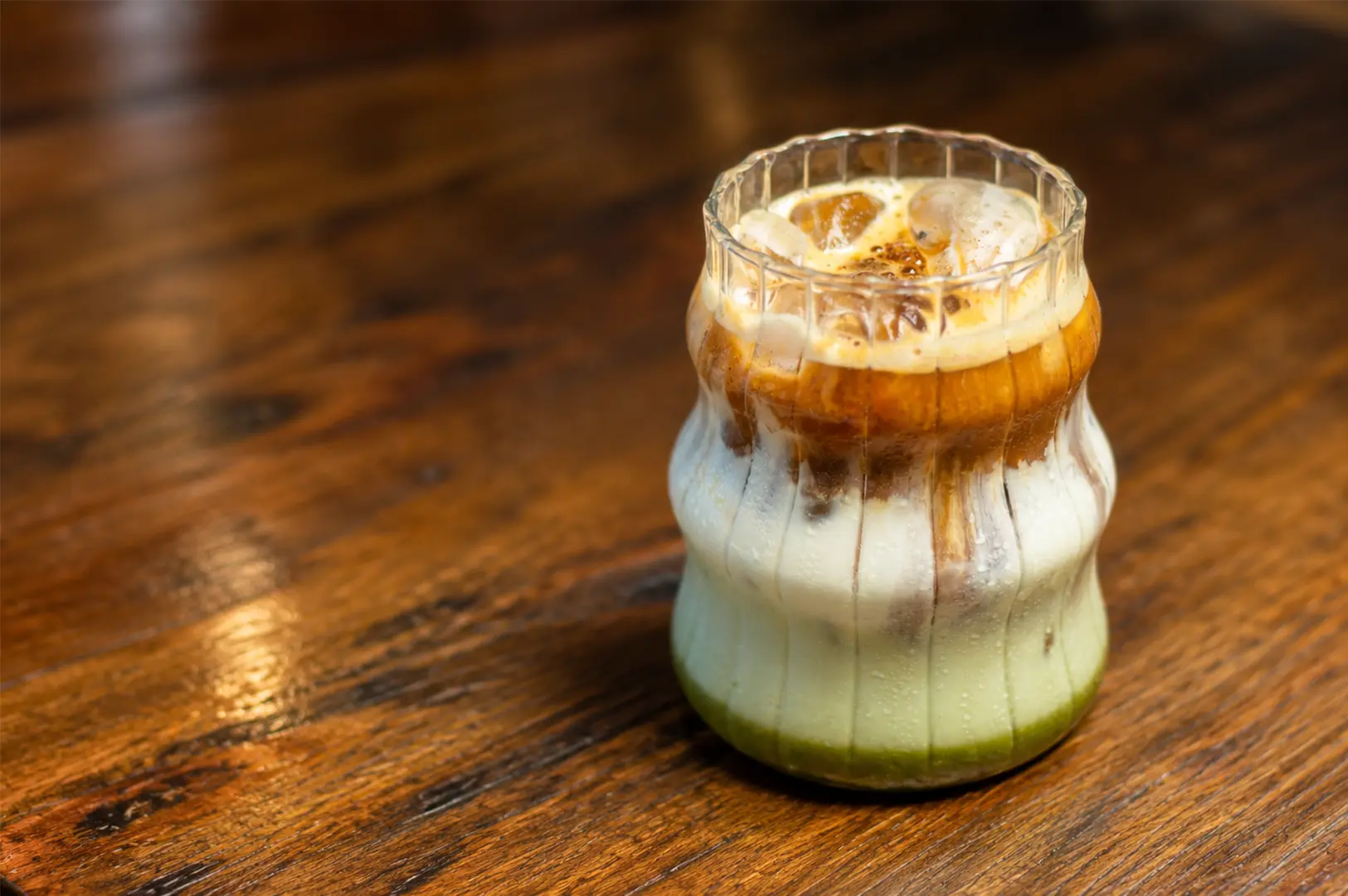
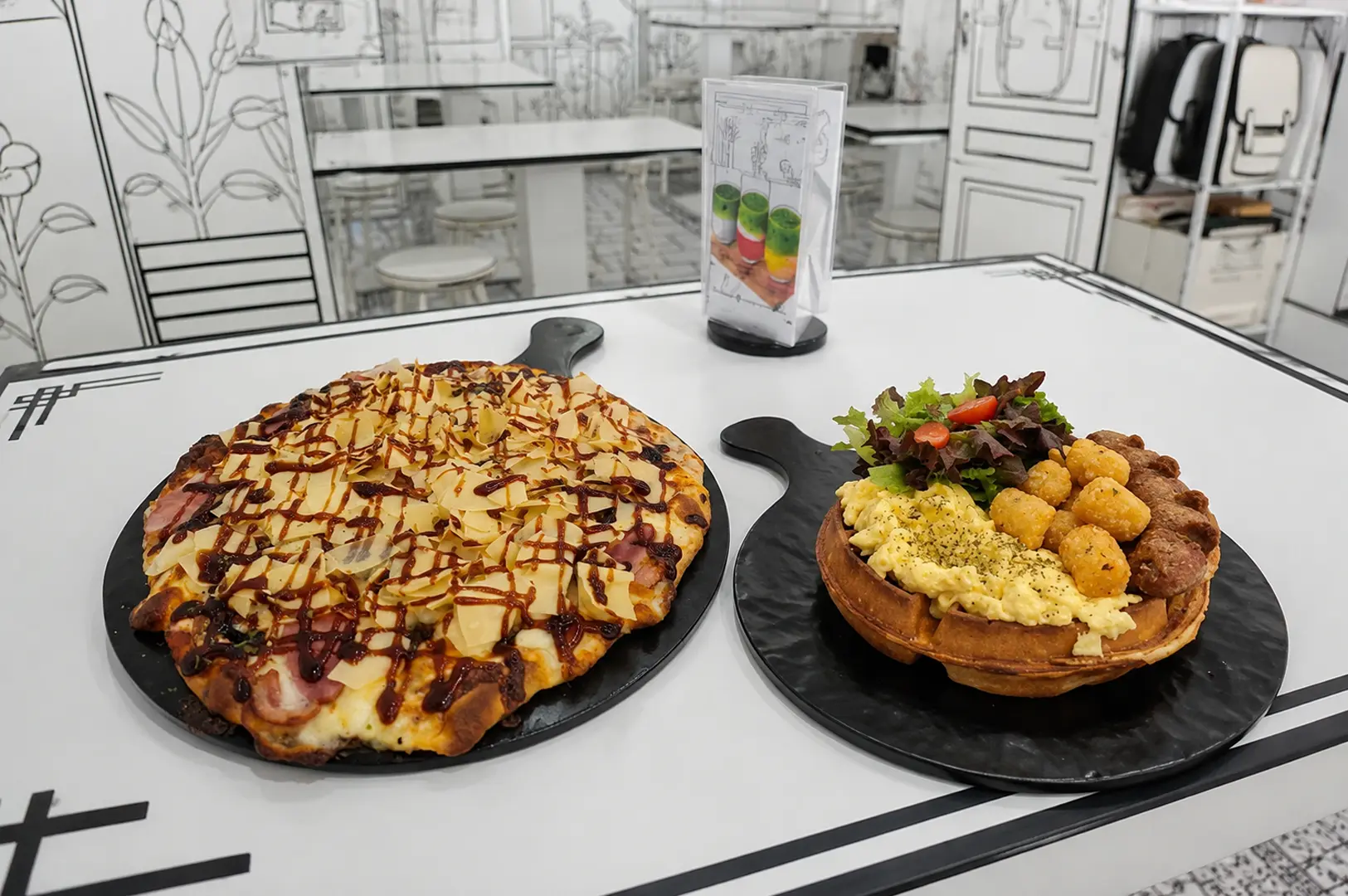
You can see it everywhere. Menus are getting more dramatic, interiors are becoming more content-friendly, and dishes are designed to create reactions first. Cheese pulls, oversized portions, colourful drinks, tableside torching. Sometimes it feels like restaurants are competing for screen time more than repeat customers.
And honestly, it works.
People queue for places after watching one viral clip, sometimes without even knowing what the food actually tastes like. Izzah and I have done it myself before. You see enough videos and suddenly you feel like you need to try it.
The problem is that virality moves faster than quality control.
Some restaurants go viral before they’re even fully ready for the attention. Service becomes rushed, queues get unreasonable, and prices quietly increase because demand suddenly explodes. A café that once felt relaxed turns into a content factory within weeks.
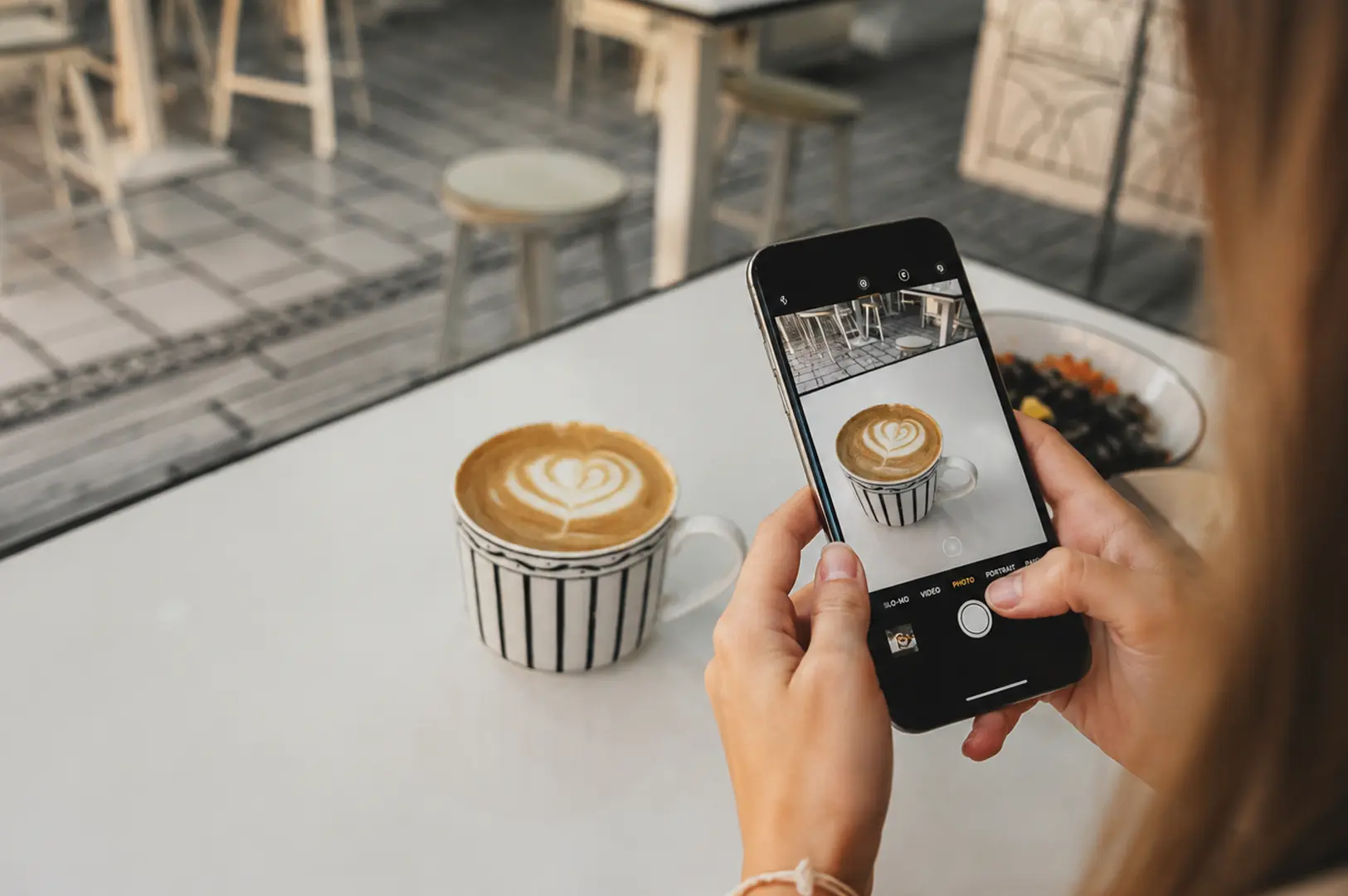
I also think TikTok has shortened people’s attention spans around food. Places now need to constantly introduce new items just to stay relevant online. One viral dessert lasts two months, then everyone moves on to the next thing.
That pressure affects restaurants more than people realise.
Instead of focusing on consistency, some businesses focus on staying algorithm-friendly. Food becomes less about comfort or craftsmanship, and more about whether someone will film it.
At the same time, TikTok has also forced restaurants to improve in certain ways. Bad service gets exposed faster. Overpriced gimmicks get called out quickly. Diners today are more aware and more vocal, which keeps businesses accountable.
So I don’t think TikTok is entirely good or bad.
I think it simply amplified what restaurants were already chasing, attention.
The difference now is that attention moves much faster, and restaurants are adapting in real time whether they want to or not.
Some places survive because they balance both worlds. They look good online, but still give people a reason to come back offline.
Those are usually the restaurants that last.