
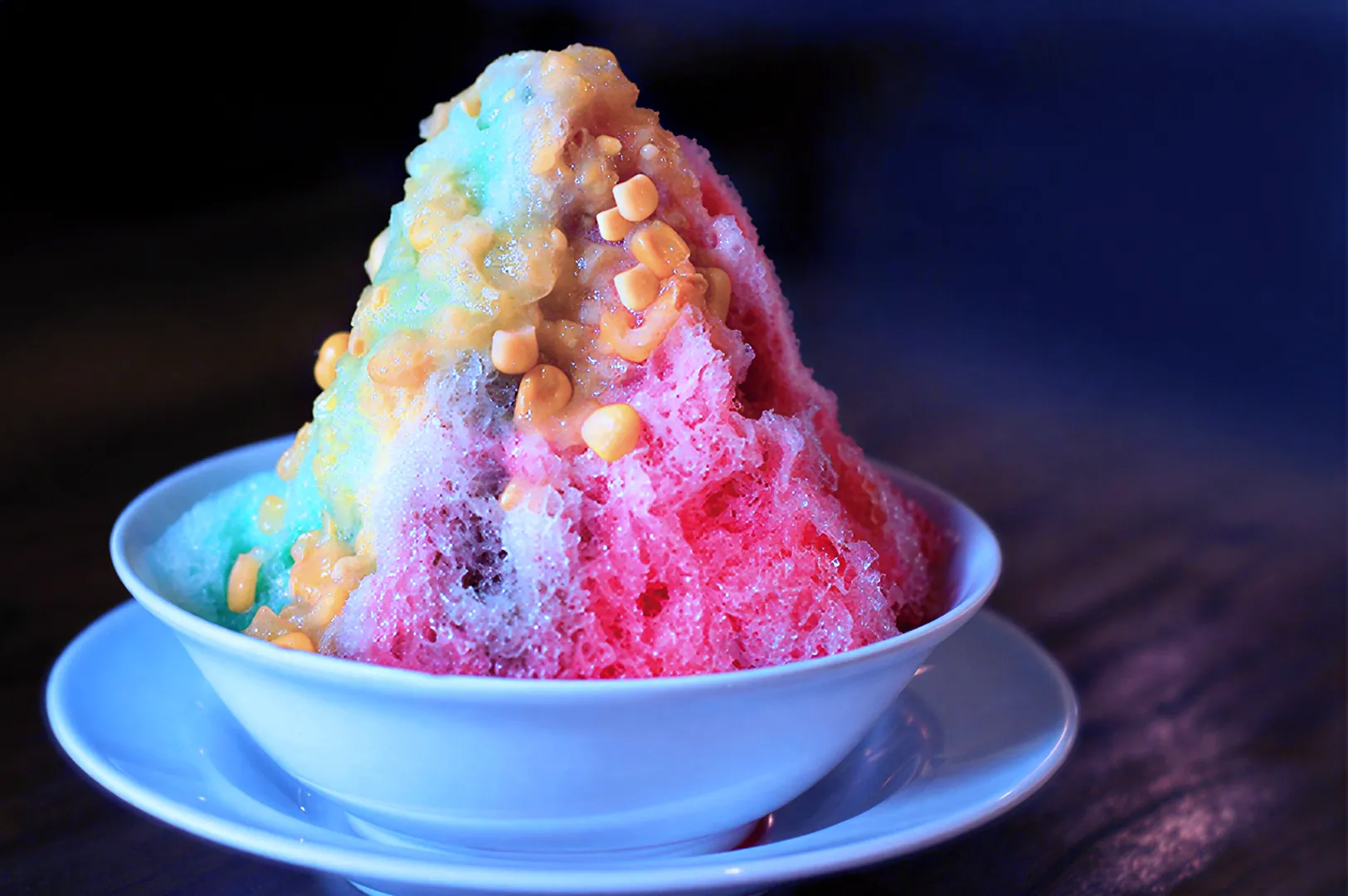
There is a particular kind of heat in Singapore that feels heavy, a humid blanket that settles over the city in the afternoon. It slows your steps and quiets your thoughts. In these moments, relief is not a luxury; it is a necessity. And for generations, that relief has often come in a simple, unassuming bowl: a mound of shaved ice, drenched in creamy coconut milk and dark palm sugar, filled with soft red beans, chewy attap chee, and tender green jellies.
This is chendol. It is more than just an ice dessert Singapore locals crave; it is a ritual. It is the punctuation mark at the end of a hawker centre lunch, the shared treat on a sweltering weekend, the quiet moment of cool respite that makes the heat bearable.
For a while, the world of desserts seemed to be moving in a different direction, towards elaborate creations and imported trends like the Japanese shaved ice dessert kakigori or artisanal gelato from an artisan cafe. But now, we are seeing a collective return to the familiar. The humble bowl of nyonya chendol has been re-embraced, celebrated not for its novelty, but for its constancy. Its enduring popularity speaks to a deep, unspoken need for a relief that is reliable, affordable, and deeply woven into the fabric of our daily lives on this island. In a city obsessed with the new, we keep coming back to the same cooling comfort, a testament to its timeless power that became a staple in Singapore’s Famous Desserts.
The Anatomy of Relief: The Art of Shaved Ice and the Perfect Mix
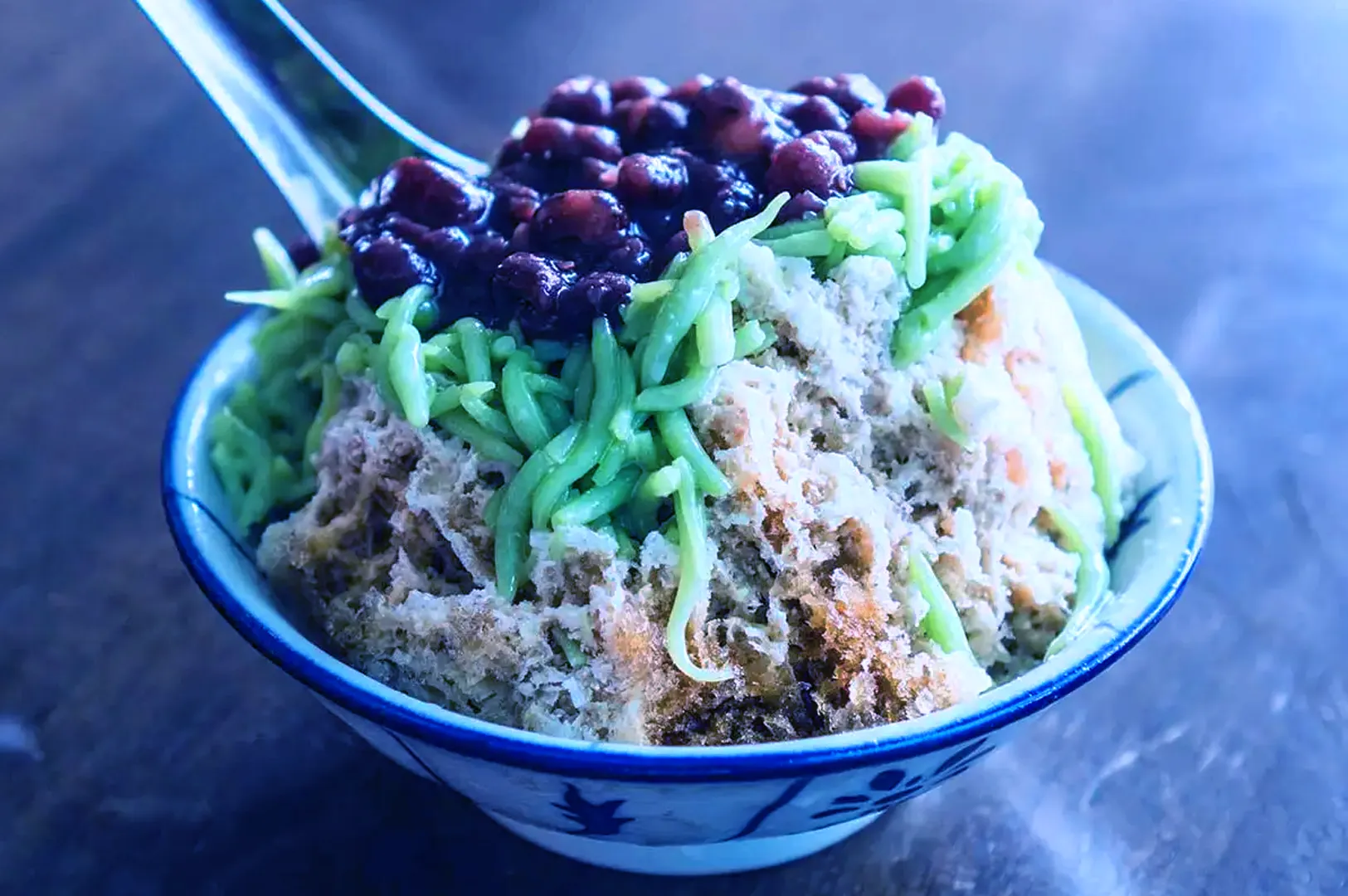
The magic of chendol lies in its composition. It is a study in balance—of temperature, texture, and taste. Each spoonful offers a complete sensory experience, a small, perfect antidote to the oppressive tropical heat.
A Symphony of Sensations in Every Scoop
What makes this ice dessert so deeply satisfying is the interplay of its components. It is not just one thing, but a combination of sensations that work in harmony:
The Shock of the Cold: The first bite of finely shaved ice is a welcome jolt to the system, instantly lowering your internal temperature.
The Creamy Embrace: Rich, fragrant coconut milk follows, coating your tongue with its soothing, fatty coolness.
The Deep, Smoky Sweetness: The dark, complex flavour of gula melaka syrup cuts through the creaminess, a sweetness that is earthy and profound, not sharp or sugary.
The Textural Contrast: Finally, the soft bite of pandan-infused green jellies, chewy red beans, and tender attap chee provide a gentle counterpoint to the melting ice.
This sequence is a form of sensory poetry. It is why we don’t just eat chendol; we experience it. It engages every part of the palate, offering a relief that is multi-layered and deeply restorative.
The Comfort of Repetition and the Sweet Tooth’s Connection
The popularity of chendol is not driven by fleeting trends. It is built on the comfort of repetition. We know exactly what to expect from a good bowl of chendol, and in that predictability, there is immense comfort.
We return to it for the same reasons we re-read a favorite book or listen to a familiar song. It is a known quantity, a reliable source of pleasure for every sweet tooth that craves something deliciously sweet in Singapore. In a life filled with uncertainty, the unwavering promise of a chendol—that it will be cold, creamy, sweet, and satisfying—is a small but significant anchor. This reflects a broader trend in how Singapore eats today; we are increasingly seeking out food that offers emotional stability rather than just culinary excitement.
The Enduring Allure in a Modern City: From Food Centre Stalls to Artisan Cafe Spaces
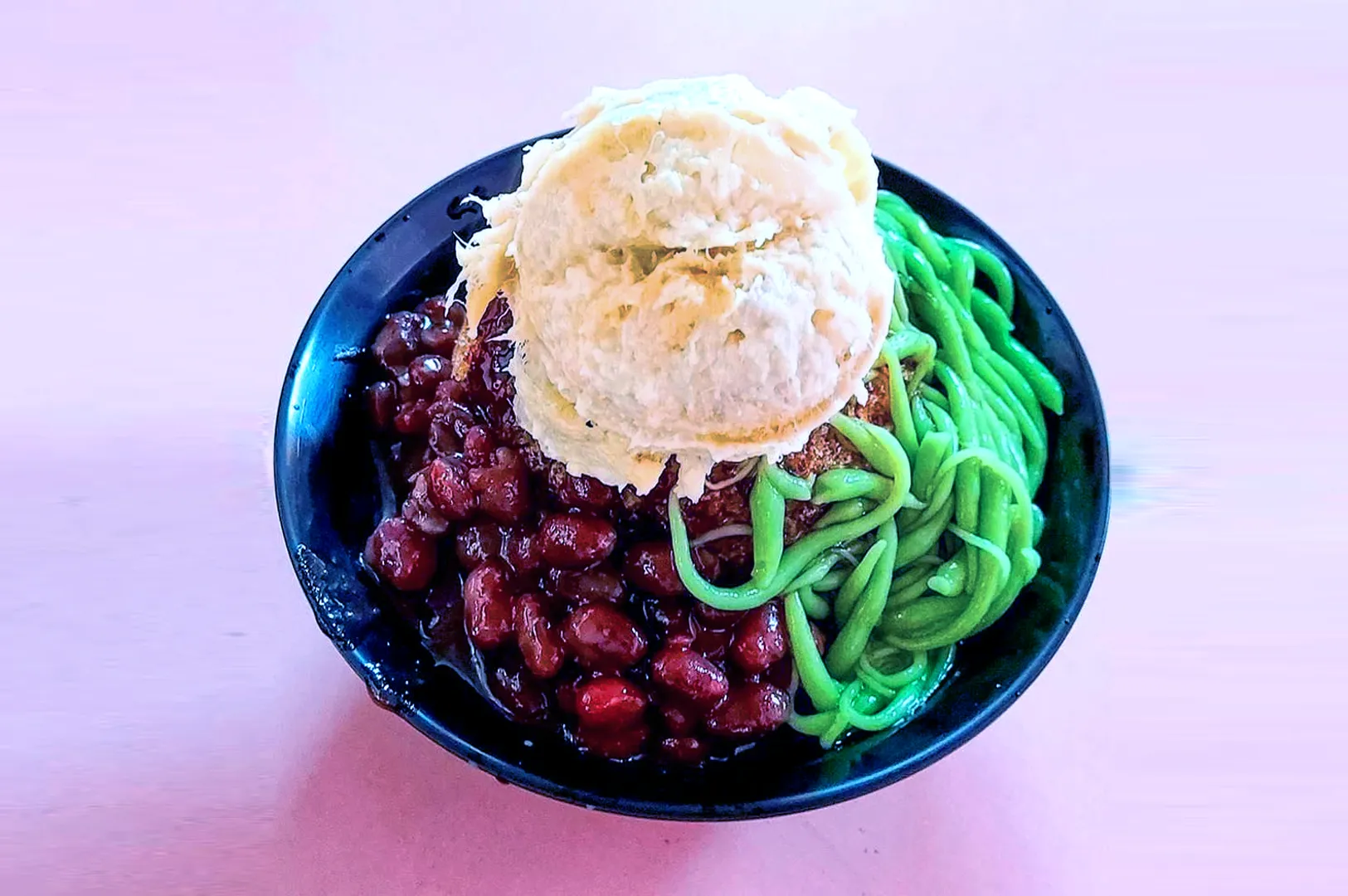
In a landscape crowded with bubble tea shops, artisanal gelato parlours, and Japanese shaved ice dessert spots, the humble chendol’s continued relevance is remarkable. Its endurance is not an accident; it is the result of cultural, social, and even visual factors that have cemented its place in our hearts.
The Great Equalizer at the Food Centre Stall
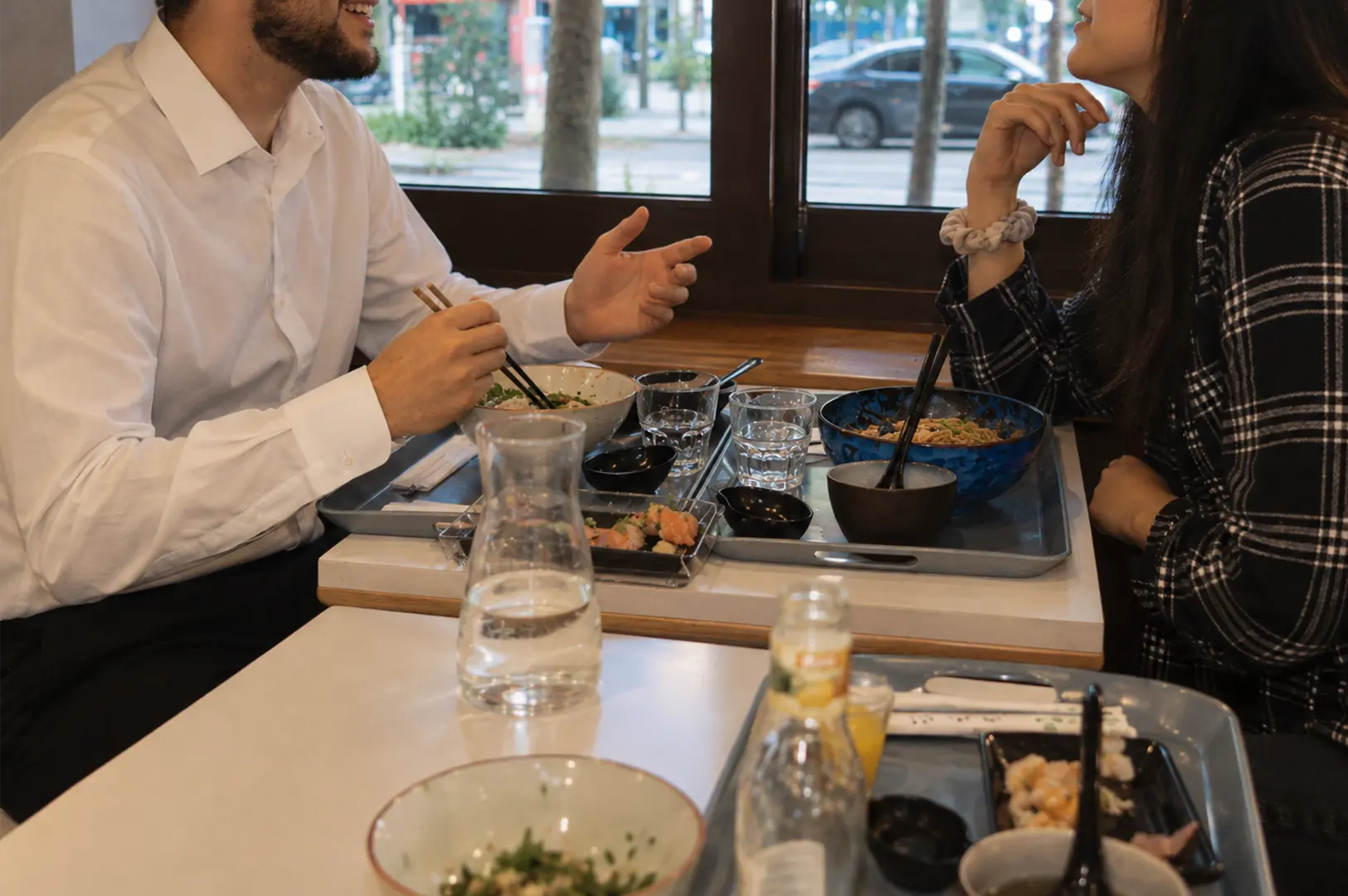
One of the most beautiful things about chendol is its accessibility. It is a democratic dessert. You can find it in almost every food centre and coffee shop, and it remains one of the most affordable treats available. It cuts across all social strata. You will see an office worker in a crisp shirt enjoying a bowl next to an uncle in a singlet, both seeking the same simple relief.
This shared experience fosters a sense of community. The food centre table, with its slightly sticky surface and surrounding clatter, is the natural habitat for chendol. It is a dessert that belongs to everyone. As Social Eats ‘N’ Drinks (SENDs) has observed, this kind of accessible, shared food experience is a vital part of our city’s social glue.
The Visual Appeal of Authenticity in a Clean White Walls Artisan Cafe
While chendol may not have the sharp, clean lines of a modern pastry, it possesses its own unique visual charm. The image of a ladle pouring thick, dark gula melaka over a pristine mountain of white ice is deeply satisfying. The vibrant green of the pandan jellies against the creamy white coconut milk is a colour palette that feels natural and inviting.
In an era of overly saturated and sometimes artificial food photography, the honest, slightly messy aesthetic of a bowl of chendol is refreshing. It looks like what it is: a delicious, unpretentious dessert. Its visual appeal is not about perfection, but about the promise of flavour and relief.
Spotlight on Nyonya Chendol and Ghost Kakigori: Tradition Meets Trend in Singapore’s Ice Dessert Scene
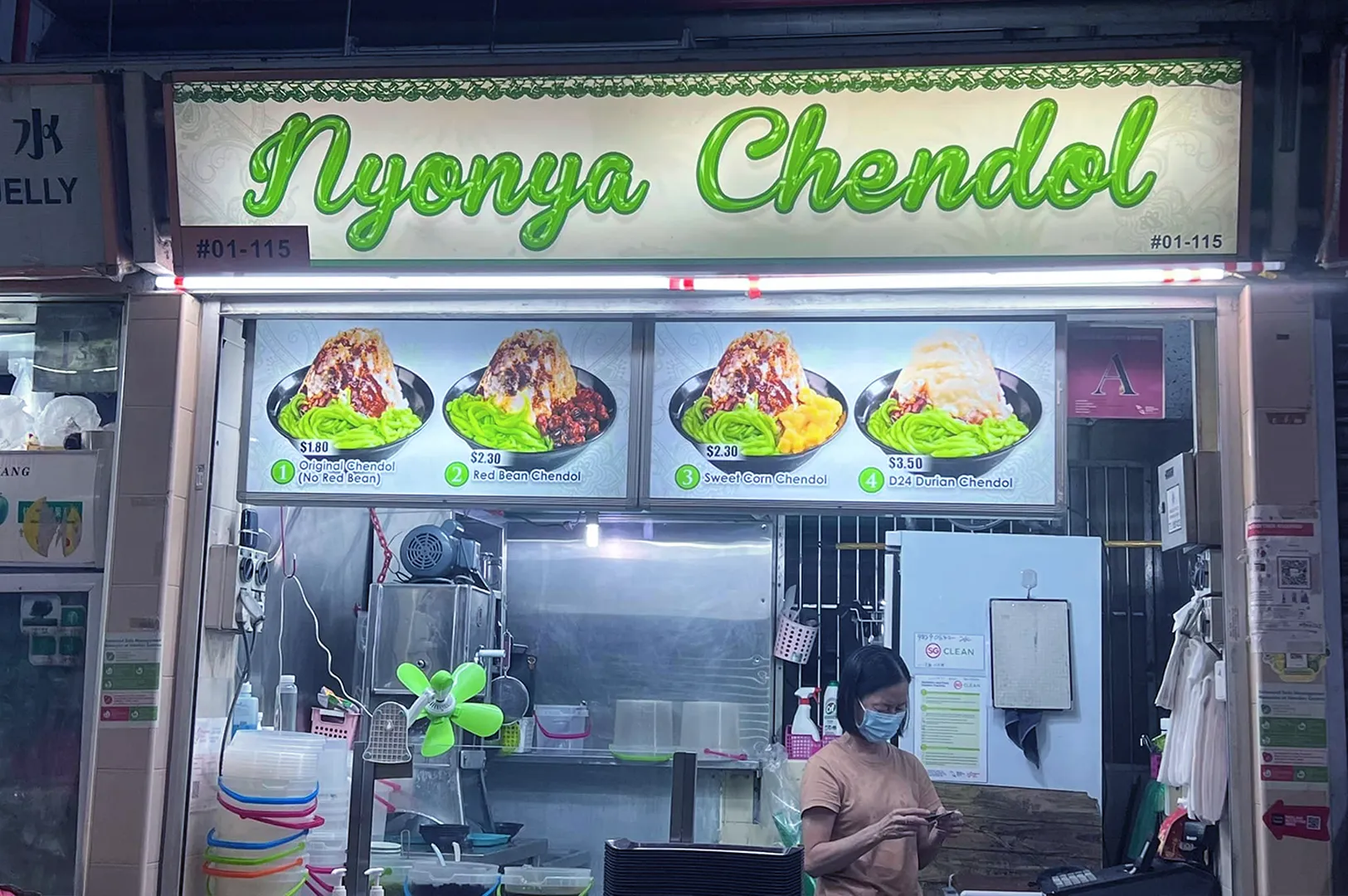
Nyonya Chendol: The Classic Hawker Favourite
Nyonya Chendol stands as a beloved symbol of traditional ice dessert Singapore culture. Found in numerous food centres across the island, this classic dish features pandan-flavoured flour jelly—those signature soft green “worms”—topped with creamy coconut milk and drizzled generously with rich gula melaka syrup. The balance of flavors is simple yet deeply satisfying: the earthy sweetness of palm sugar complements the fresh, light coconut milk while the chewy texture of red beans and attap chee adds contrast.
What sets Nyonya Chendol apart is its authenticity and accessibility. Priced affordably, it remains a staple for locals craving a refreshing treat on a hot day. Many stalls offer options to add toppings like durian or sweet corn, allowing for a personalized experience. Whether enjoyed at a bustling food centre stall on a Saturday afternoon or as a takeaway snack, Nyonya Chendol continues to uphold its reputation as a comforting, traditional dessert that never goes out of style.
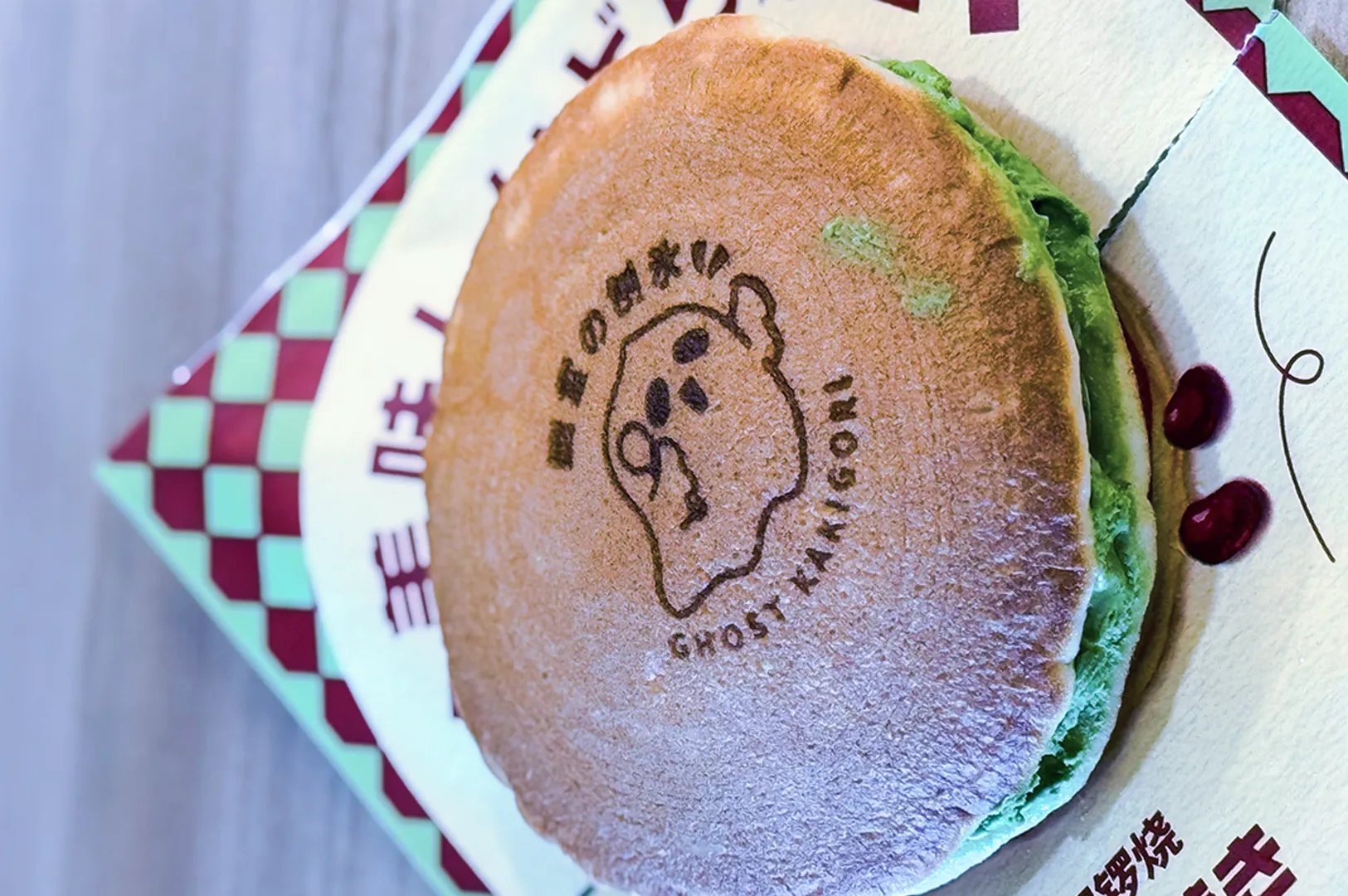
Ghost Kakigori: A Modern Twist on Japanese Shaved Ice
In contrast, Ghost Kakigori represents the innovative edge of Singapore’s ice dessert scene, bringing the delicate art of Japanese shaved ice dessert to a wider audience. Known as Singapore’s first Japanese-style kakigori specialist, Ghost Kakigori offers unique flavor creations that blend traditional Japanese ingredients with local tastes.
Their menu, though lean, features standout options such as the flamed strawberry brulee kakigori and the bean and matcha kakigori. Each bowl showcases exceptionally fluffy shaved ice made from premium Japanese techniques, topped with layers of flavoured syrups, mochi, and other toppings that provide a delightful mix of textures and flavors. The experience is refined yet playful, appealing to foodies and sweet tooths looking for a fresh take on icy desserts.
Together, Nyonya Chendol and Ghost Kakigori illustrate the rich diversity of ice desserts in Singapore—from the time-honored, scratch-prepared hawker classics to the carefully crafted, artistic creations found in modern dessert spots. Both offer a unique way to beat the tropical heat, satisfying cravings across generations and tastes.
A Kitchen Experiment: The Hawker’s Touch and the Effort Behind the Perfect Bowl
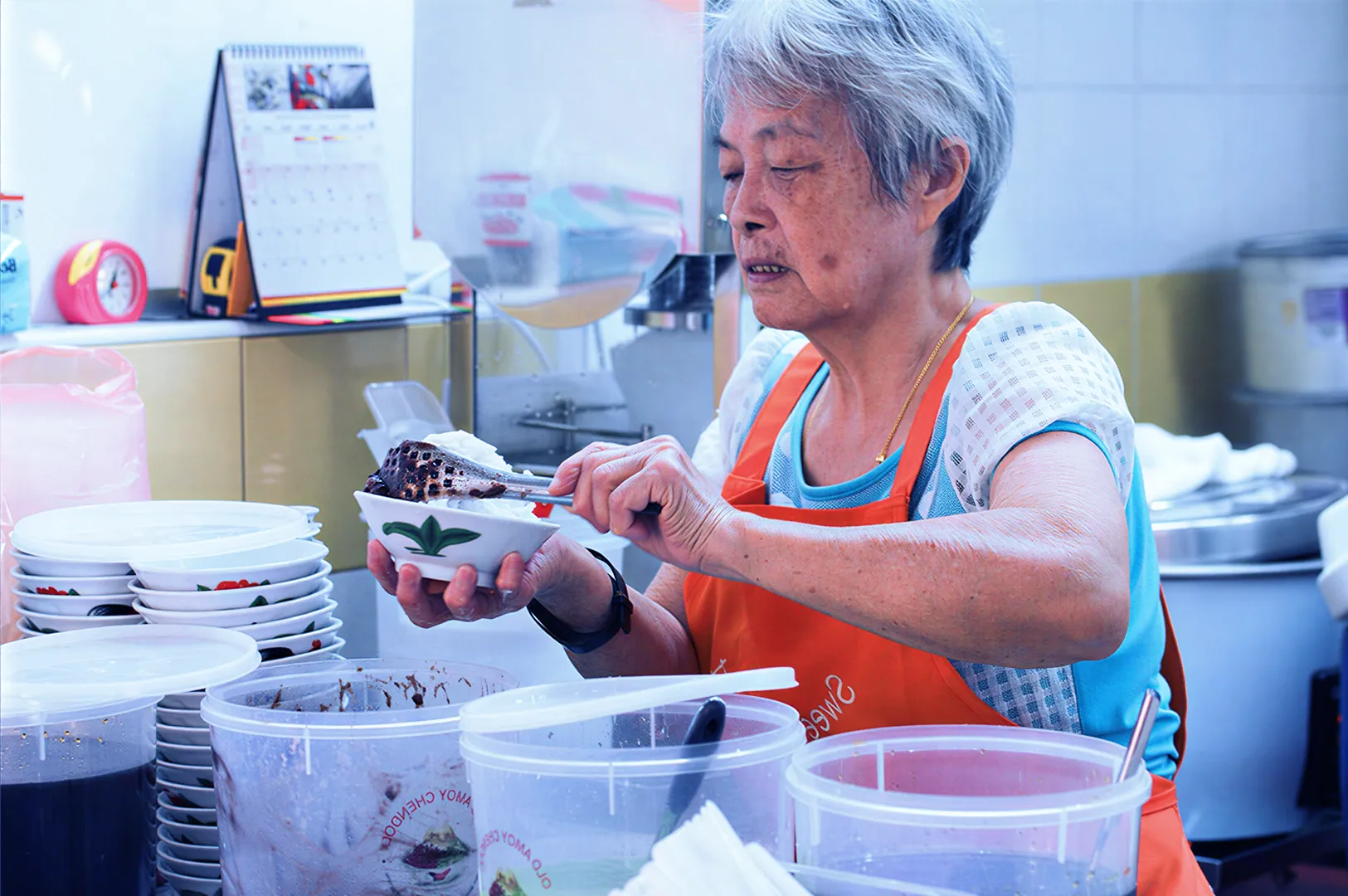
I once tried to replicate the hawker centre chendol experience at home. I thought, how hard could it be? Ice, coconut milk, sugar, beans, and even sweet corn or durian for extra topping. I made my own pandan jellies, squeezing them through a ricer into a bowl of ice water. I bought the best gula melaka I could find and simmered it into a thick, fragrant syrup.
The result was… fine. It was cold and sweet. But something was missing. The ice, shaved from my freezer’s ice-cube tray in a blender, was coarse and crunchy, not fine and fluffy like the kakigori or ghost kakigori I had tried at an artisan cafe. It didn’t melt on the tongue in the same way. The coconut milk, straight from a carton, felt thin.
But the biggest difference was the context. I was eating it in my quiet, air-conditioned kitchen. The experience lacked the essential seasoning of the hawker centre: the background hum of conversation, the heat radiating from the concrete, the feeling of taking a break in the middle of a busy day. I realized that making chendol is about more than just the ingredients; it is about timing, temperature, and texture perfected through thousands of repetitions. It is about a specific kind of ice machine, a specific grade of coconut milk, and the ambient heat that makes the cold taste so much colder. It is a relief that cannot be fully replicated, because it is intrinsically tied to the place where it is served.
Coming Back to the Same Relief: Why We Keep Choosing Chendol Over Other Desserts
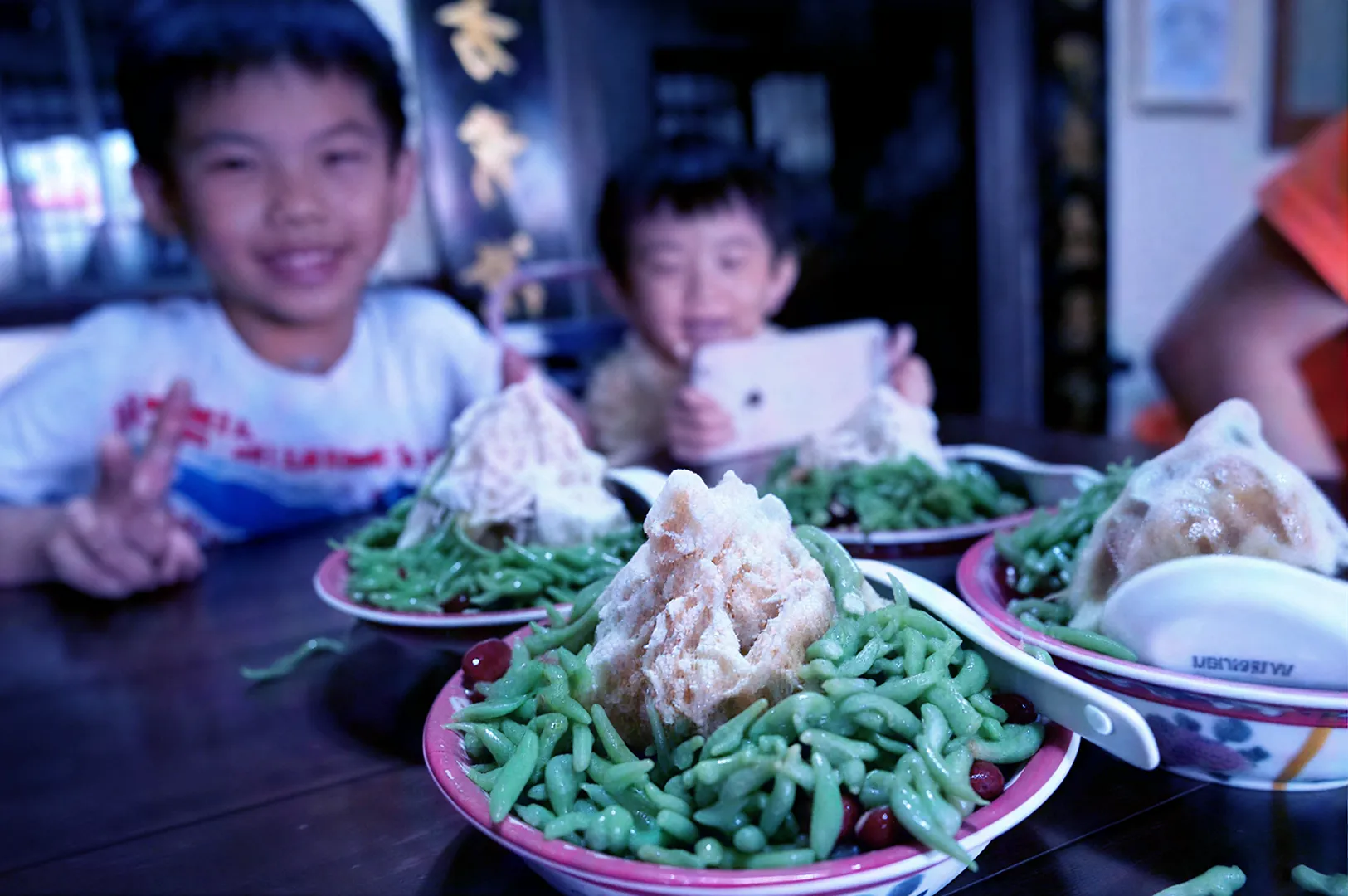
In the end, our enduring love for chendol is a love for a specific kind of relief. It is a relief that is immediate, uncomplicated, and deeply familiar. It cools the body, but it also soothes the spirit. It reminds us that even on the hottest, most trying of days, there is a simple, affordable comfort waiting for us.
Let us SEND you to the world of Singaporean cuisines and beverages. Visit Social Eats ‘N’ Drinks to explore the best food centre stalls and artisan cafe outlets serving chendol, kakigori, and other delicious ice desserts across Singapore or click here to know more about Singapore’s Sweets! From the classic nyonya chendol topped with red beans and sweet corn to the fluffy Japanese shaved ice dessert varieties like the black forest or matcha kakigori, there is always a new flavour combination worth the effort and money.
Whether you enjoy your chendol on a hot Friday or a lazy Sunday with friends, the connection between the ice, the milk, and the sweet syrups is what makes this dessert a lasting hit on this island. Don’t forget to check out reviews on Facebook and snap photos of your favourite bowls and scoops to share the joy of this traditional, yet ever-surprising, sweet treat.