
There is a moment of quiet anticipation just before you eat an ondeh-ondeh, a beloved local dessert in Singapore. You lift the small, pandan leaf-green orb, feeling its light dusting of grated coconut like soft fleece against your fingertips. You know what is coming. It is not a surprise, but a promise. Yet, with every bite of a local dessert, you can expect a delightful twist—whether in flavor, texture, or presentation—that keeps even the most familiar treats exciting. A soft, chewy glutinous rice exterior gives way to a sudden, warm burst of liquid gula melaka—a sweetness that is deep, smoky, and utterly familiar. It’s a complete sensory experience contained in a single bite.
This is the kind of sweetness many of us in Singapore grew up with. It is not the sharp, sugary rush of a frosted cupcake, nor the delicate, architectural beauty of a French macaron. It is something quieter, more grounded. The fragrance of pandan leaves and grated coconut fills the air, adding an inviting aroma that heightens the anticipation before tasting. Ondeh-ondeh belongs to the family of kueh in Singapore, a vast and colourful collection of traditional desserts that form the foundation of Singapore’s dessert landscape.
For a long time, these traditional sweets were simply part of the background of our lives, available at wet markets and neighbourhood dessert shops, as constant and reliable as the afternoon rain. It is appearing in modern dessert spots, deconstructed in fine dining restaurants, and celebrated on Instagram. This renewed fascination is not about discovering something new, but about returning to something we have always known, and perhaps, finally appreciating it for the treasure it is.
Local Dessert in Singapore: The Anatomy of a Feeling in Traditional Desserts
To understand the enduring appeal of ondeh-ondeh is to look beyond its simple ingredients. It is an exercise in understanding how food can hold memory, comfort, and a sense of place. Its power lies not in novelty, but in its deep, unwavering familiarity.
A Texture That Holds Memory in Traditional Desserts
The experience of eating an ondeh-ondeh is profoundly textural. The process itself is a small, personal ritual:
The slight resistance of the glutinous rice skin as you bite into it.
The gentle pop, a tiny explosion that releases the molten gula melaka.
The contrast between the warm, liquid center and the chewy, pandan-infused dough.
The final, soft coating of savoury grated coconut that balances the sweetness.
This sequence is ingrained in our collective palate. It is a texture we recognise by heart. For many of us, this texture is tied to specific moments: receiving a small plastic container of these green jelly noodles-like spheres from a grandparent, buying a packet after school, or sharing them during Hari Raya visits. The current interest in this local dessert in Singapore is, in many ways, a craving for this tactile memory. In a world that often feels intangible and digital, the physical reality of an ondeh-ondeh—its weight, its texture, its surprising burst—is a powerful anchor.
A Sweetness That Is Grounded in Dessert Shops Across Singapore
The sweetness of ondeh-ondeh is not one-dimensional. Gula melaka, the dark palm sugar at its heart, is complex. It carries notes of caramel, smoke, and a hint of coffee. This is a grown-up sweetness, one that is rich and nuanced rather than simply sugary. It speaks of the earth and of slow, patient processes, connecting us to the tradition of using coconut milk and coconut cream in many traditional desserts.
This grounded flavour profile resonates deeply today. As our palates become more sophisticated, we are learning to appreciate complexity over sheer intensity. We are moving away from the loud and the artificial, and finding comfort in flavours that feel authentic and rooted in our own geography. The quiet confidence of gula melaka’s flavour is a welcome respite from the often overwhelming sweetness of mainstream global desserts.
The Rise of Heritage Pride in Traditional Desserts and Kueh Salat
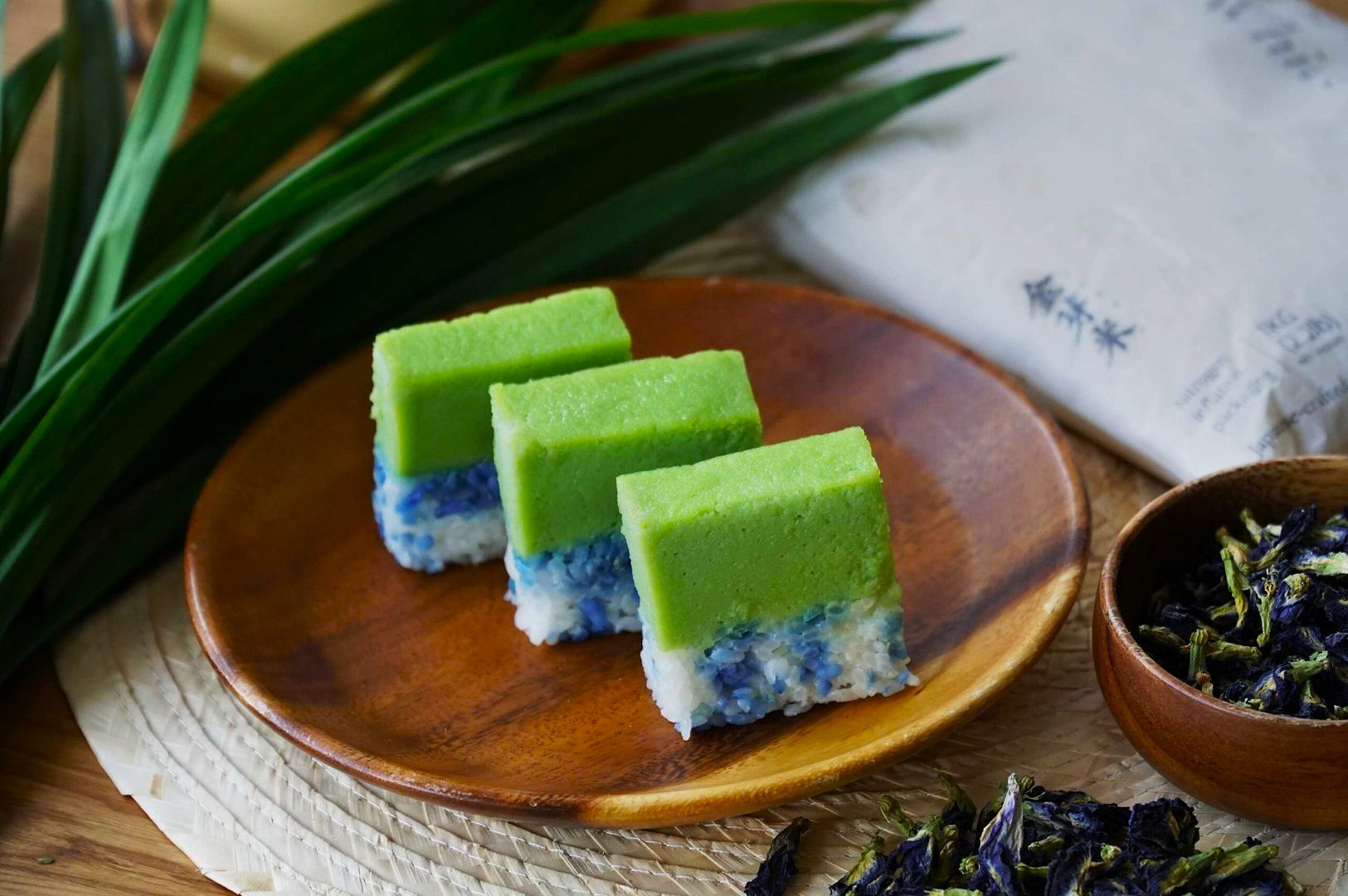
There is a growing sense of pride and curiosity about our own culinary traditions. We are no longer looking outward for validation; we are looking inward, rediscovering the richness of our own food culture. This has created a space where traditional kueh in Singapore is seen not as old-fashioned, but as artisanal and precious. Modern dessert shops and cafes are now celebrating these heritage recipes, giving them a platform where they are presented with the same care and reverence as a croissant or a slice of matcha cake.
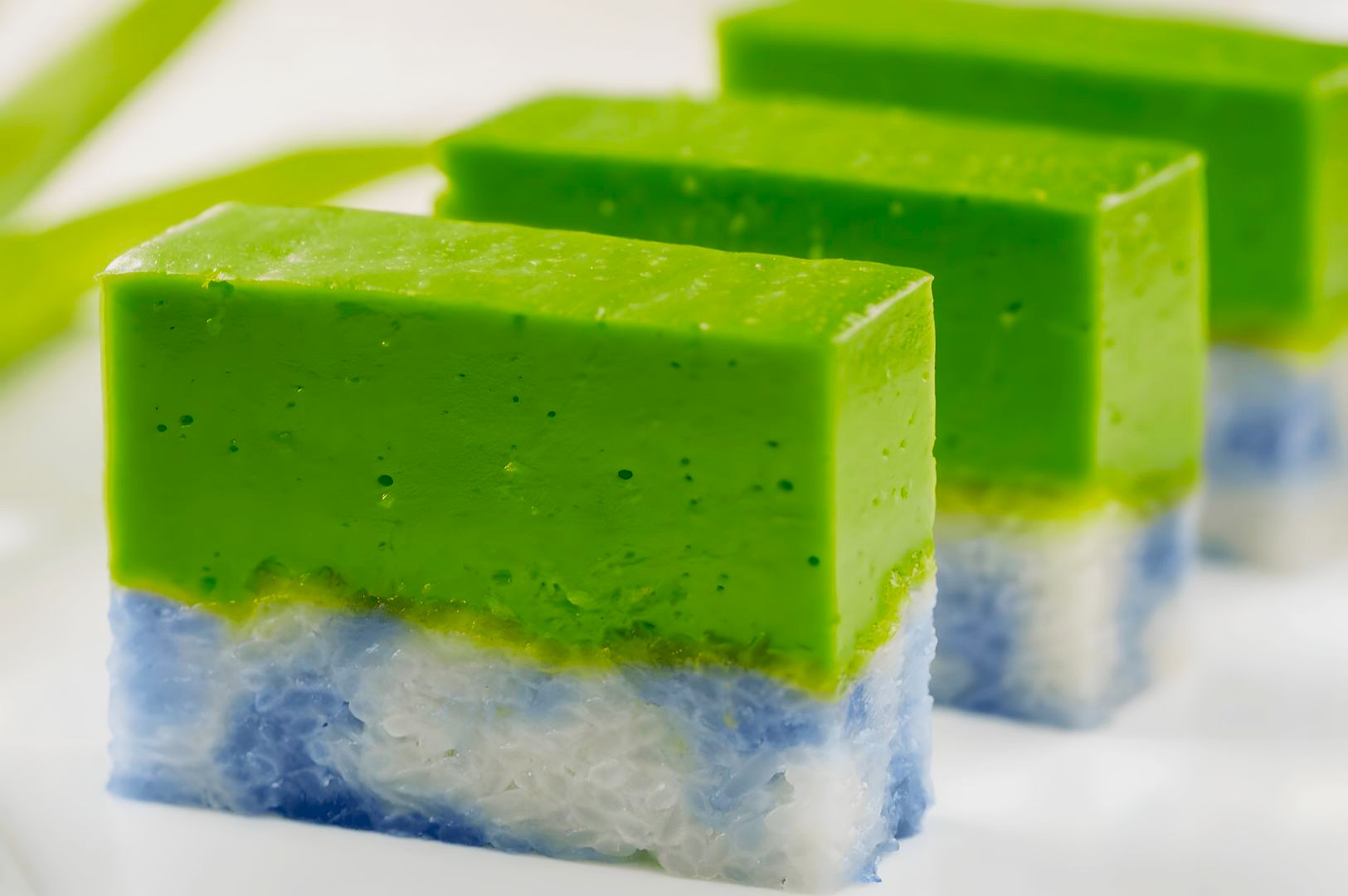
Kueh salat, with its distinct layer of pandan-scented coconut milk custard atop a bed of black glutinous rice, exemplifies this balance of tradition and innovation. The fragrant pandan leaf imparts a fresh, green tea-like aroma that complements the rich, creamy blend of coconut milk and gula melaka sweetness. This dessert is a highlight on many menus, beloved for its soft, fluffy texture and balanced flavours.
Mango Sago and Shaved Ice: A Refreshing Selection of Singapore’s Dessert Spots
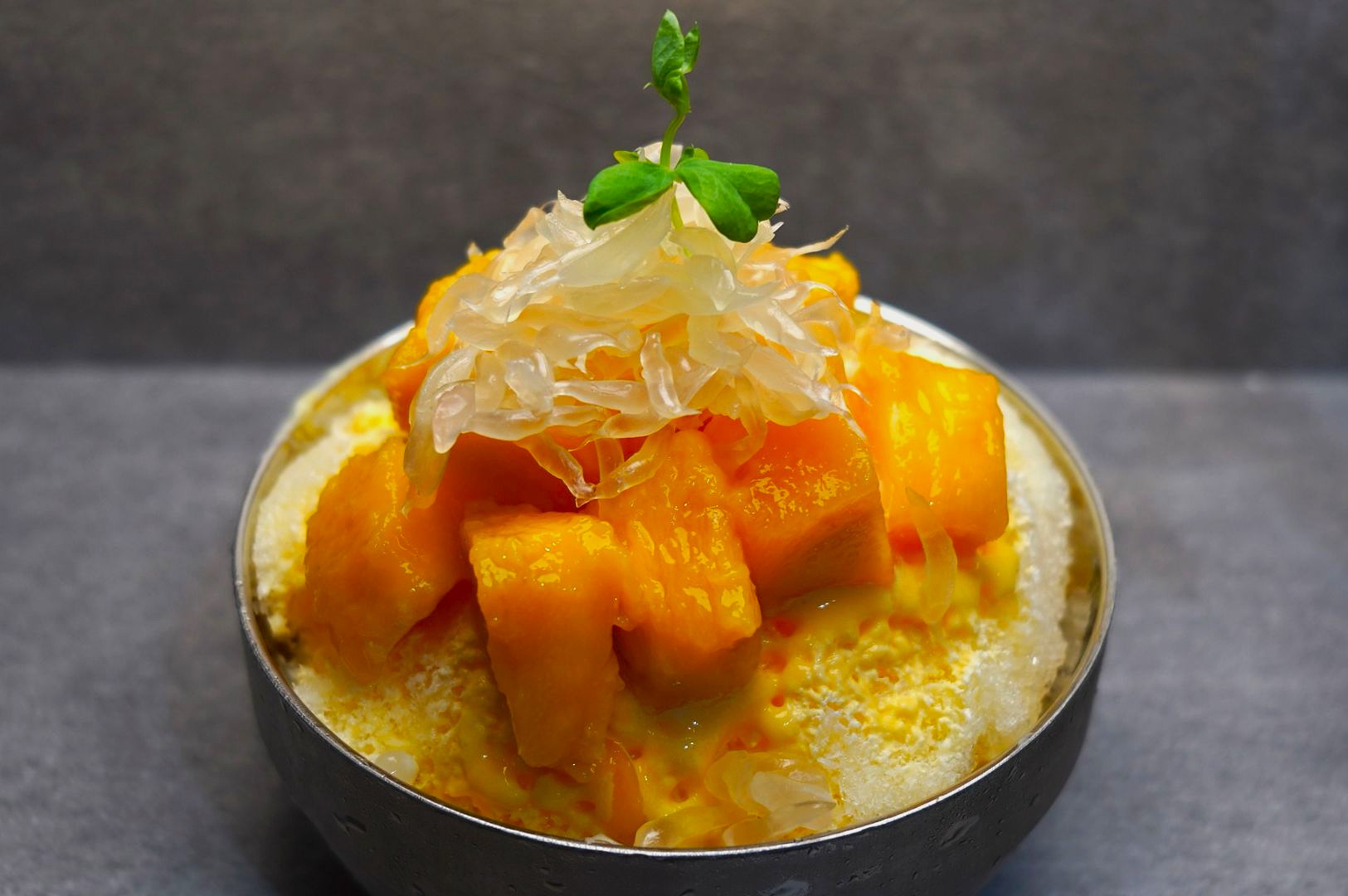
The resurgence of ondeh-ondeh is not happening in a vacuum. It is part of a broader cultural moment where heritage, identity, and authenticity are being re-examined and celebrated. Singapore’s dessert scene is influenced by Chinese, Malay, and Peranakan cultures, as well as regional cuisines from Indonesia, Malaysia, Thailand, Vietnam, and the Philippines, making it a melting pot of flavors and traditions.
Several factors have contributed to its quiet ascent. The variety of local dessert in Singapore is impressive, ranging from traditional kuehs and pastries to modern creations. Classic desserts like Chendol, Ice Kachang, and Pandan Chiffon Cake are must-tries in Singapore. The vibrant late-night dessert culture is also a draw, with many dessert shop options staying open into the night for those seeking sweet treats after hours. Dessert shops now offer both heritage favorites and innovative flavors, such as mocha, to cater to evolving tastes.
The visual appeal of Singapore’s desserts is undeniable, with the variety of colorful kuehs offering a range of textures and flavors that delight both the eyes and palate. Popular local desserts in Singapore feature key ingredients like coconut milk, pandan, and Gula Melaka, which contribute to their distinctive taste and aroma.
The Visual Language of Authenticity in Shaved Ice and Other Treats
In an age of hyper-curated social media feeds, the simple, honest beauty of traditional desserts like ondeh-ondeh and kueh salat has found its own unique appeal. The vibrant green of pandan leaf, the snowy coating of coconut cream, and the inviting layers of shaved ice topped with a variety of toppings such as peanut, black sesame paste, and durian create visually striking treats that are both delicious and refreshing.
These desserts photograph well, but their beauty feels earned, not manufactured. The visual narrative of these sweets is one of handmade imperfection. No two are exactly alike. This authenticity resonates with a generation that is growing weary of a perfectly filtered online world. A picture of a plate of kueh or a scoop of gelato infused with local flavours does not communicate trendiness or luxury; it communicates comfort, warmth, and a connection to something real.
Unique Dessert Options: Beyond the Classics in Singapore’s Sweet Scene
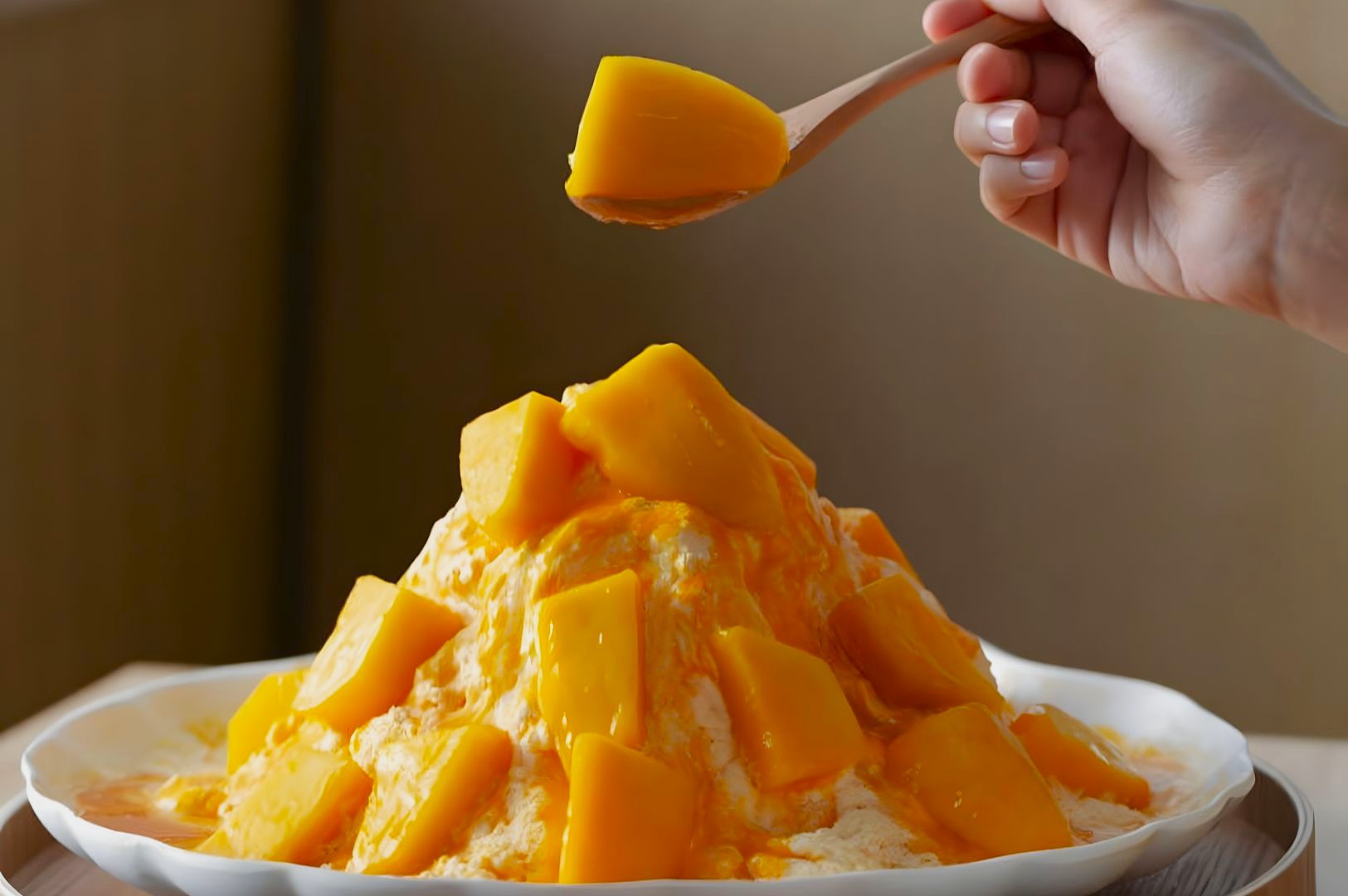
Vibrant Sweets in Singapore is a dialogue between tradition and innovation, where sweetness carries memory and warmth. Mango sago evokes summer afternoons with ripe mango, chewy sago pearls, and comforting coconut milk, often topped with ice cream for a refreshing pause. Kueh salat offers a deeper connection, combining tender glutinous rice with pandan-scented custard infused with gula melaka and coconut cream, embodying Nyonya tradition passed down through generations.
Shaved ice desserts provide relief from the heat with finely shaved ice topped with creamy avocado, sago pearls, red beans, durian, or matcha gelato, blending flavor and memory. Bubur pulut hitam, a warm black glutinous rice porridge cooked in coconut milk, offers comforting sweetness that lingers thoughtfully.
Modern dessert shops in Singapore creatively incorporate matcha, black sesame paste, peanut fillings, and durian into cakes, dumplings, and gelato, bridging past and present. Traditional kueh and dumplings filled with coconut, peanut, or sweet bean paste reflect the care and heritage behind each bite.
Whether enjoying kueh salat, shaved ice, or innovative matcha treats, Singapore’s local dessert scene invites you to experience flavors and textures that connect past and present, tradition and discovery, in every delicious bite.
An Afternoon in My Kitchen: Preparing Ondeh-Ondeh and Other Traditional Cakes
Curiosity finally got the better of me one quiet Saturday. I decided to try making ondeh ondeh myself. I gathered the ingredients: glutinous rice flour, fresh pandan juice, grated coconut, and a block of dark gula melaka.
The process was trickier than I expected. The dough was sticky and tricky to handle. Getting the right texture—soft but not too soft, firm but not tough—took some trial and error. The hardest part was wrapping the small piece of palm sugar inside the dough. My first few tries were messy; the dough tore or the shape was off.
Rolling each ball between my palms felt like a slow, careful dance. I quickly realized how skilled the aunties at the dessert shops must be to make hundreds of these every day. When I boiled them and saw them float to the surface, turning a deeper green, I felt a little proud. And when I finally tasted my homemade ondeh ondeh, it was even better than I imagined—chewy, fragrant, with that sweet burst of gula melaka. It made me appreciate the effort and care behind every bite. But let me tell you, I think I’d rather just go out and buy from a local stall next time, my kitchen was a mess afterwards.
The Taste of Continuity: Indulge in Singapore’s Plethora of Traditional Desserts and Refreshing Treats
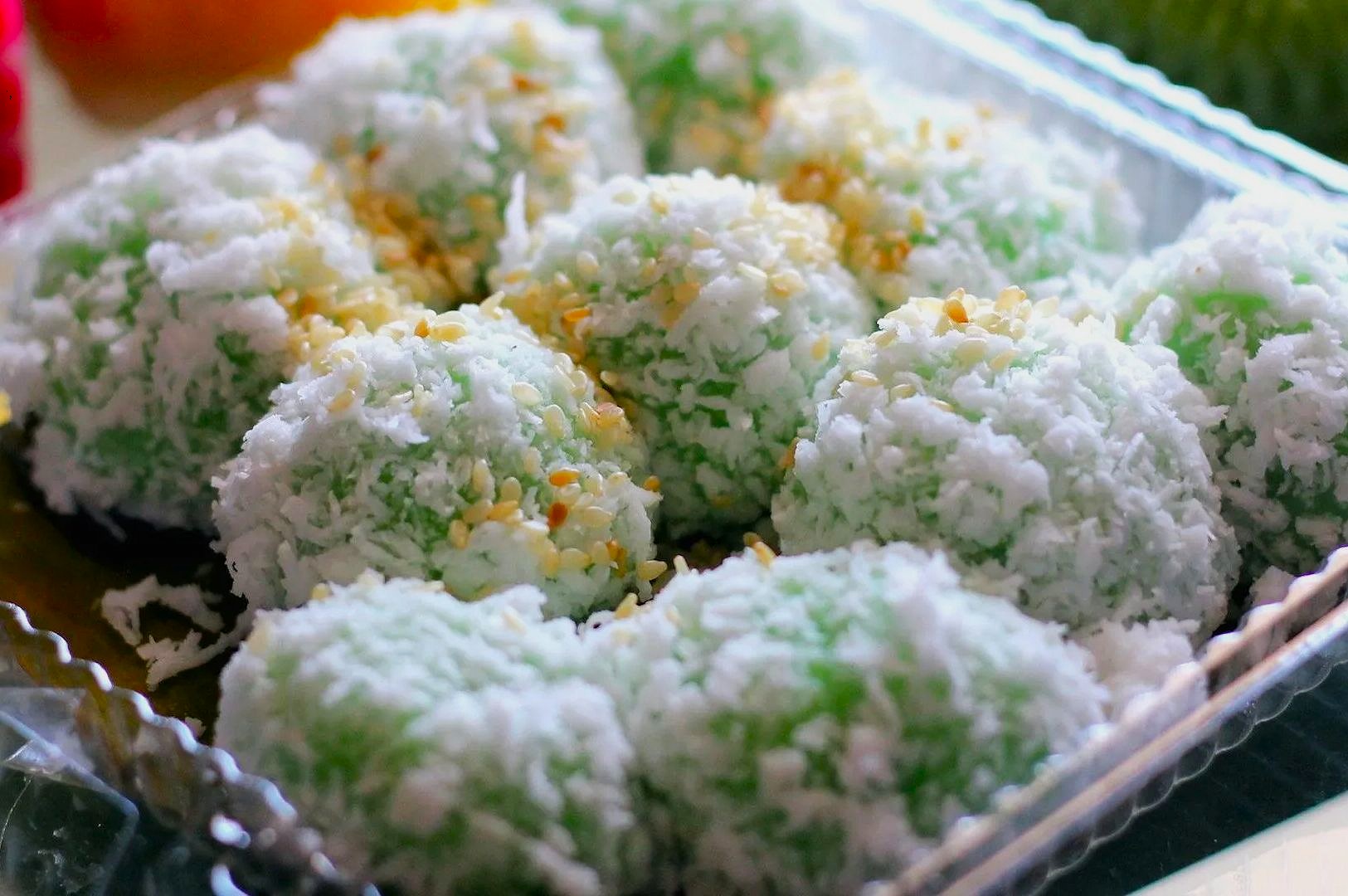
In the end, our return to ondeh-ondeh is about seeking comfort in continuity. It is a taste that connects us to our past and reassures us in our present. It represents a form of sweetness that is gentle, not demanding. It doesn’t scream for attention. It waits patiently in the kueh display, confident in its own quiet power.
This small, green ball of comfort is more than just a local dessert in Singapore. It is a keeper of memories, a symbol of heritage, and a delicious reminder that the sweetest things in life are often those that have been with us all along, waiting for us to come home.
Visit Social Eats ‘N’ Drinks for more on Singapore’s rich dessert spots, including mango sago, shaved ice, kueh salat, and other beloved traditional desserts that showcase the fragrant, rich, and balanced flavours of our culinary tradition.