
In Singapore, food is rarely just sustenance; it is a sport, a love language, and occasionally, a cause for national debate. Which in our opinion, I would say is very much valid. Considering that our continent, as we know from Eat Drink Asia, is home for multiple varieties of what people believe is “Good Food.”
But then again, we live in a city where queuing for an hour is considered a reasonable investment of time and where the definition of “good” is often hotly contested over kopi or in WhatsApp group chats. But lately, amidst the noise of Michelin stars, viral TikTok hacks, and aesthetic cafe hopping, the question of what constitutes genuinely Good Singaporean Food feels increasingly complex.
Is it the $2 Hainanese Chicken Rice that hasn’t changed its recipe in forty years, featuring poached chicken served over fragrant rice cooked in chicken fat? Hainanese Chicken Rice is considered Singapore’s national dish and is made with poached chicken and fragrant rice cooked in chicken fat, garlic, and pandan leaves, with the rice often cooked in chicken broth for extra fragrance.
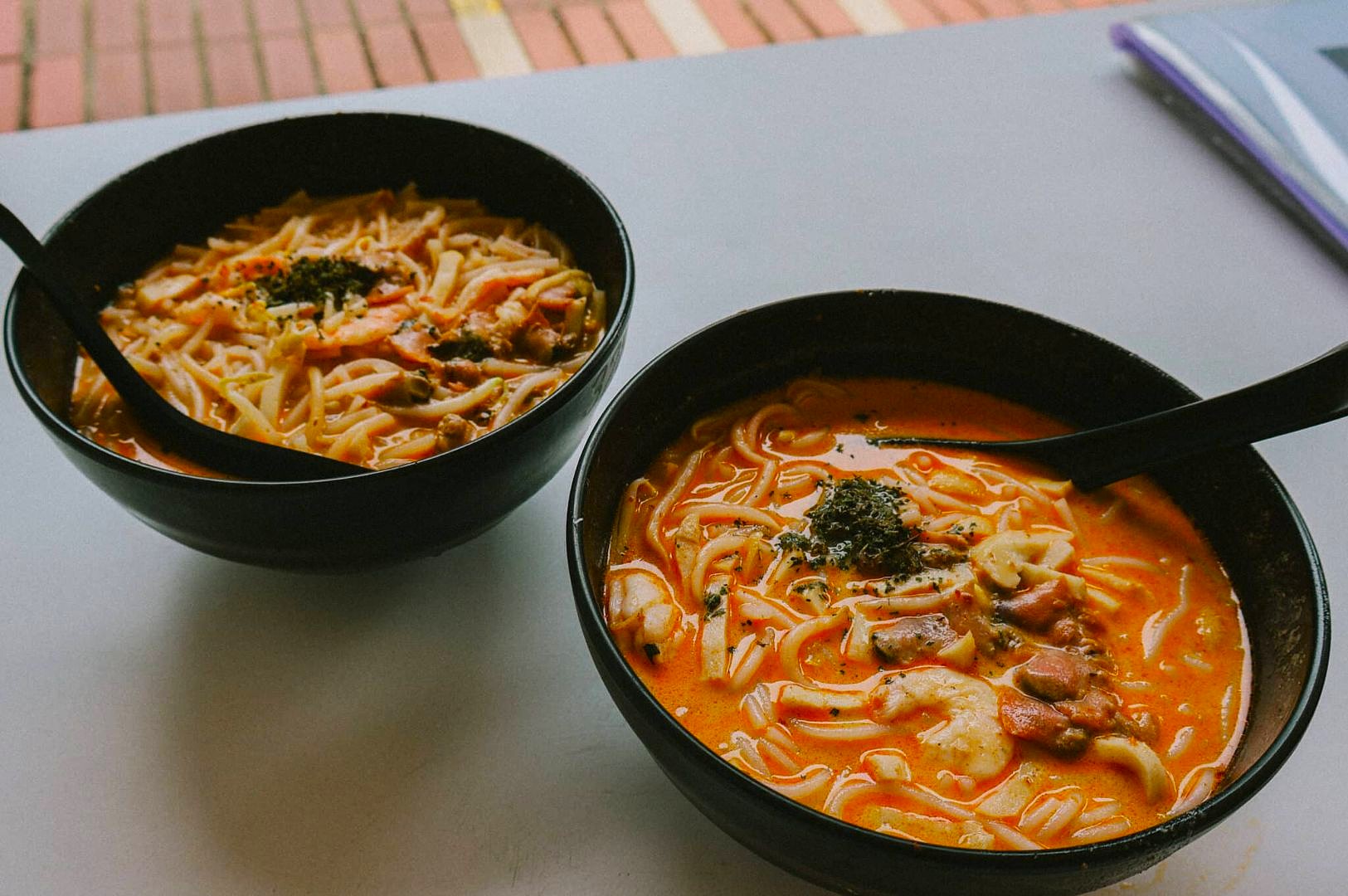
Is it the modern interpretation of Laksa—a rich and creamy noodle soup that combines Chinese and Malay influences, typically featuring a coconut milk base and thick rice noodles, with a broth rich in coconut milk served with rice noodles and tofu puffs? The distinct flavor profile of Laksa is defined by these Chinese and Malay influences.
Or is it simply whatever is trending on our feeds this week?
To understand “good” Food in Singapore today, we have to look beyond the hype and examine why we eat what we eat right now. There is a palpable shift happening—a move away from purely seeking the “authentic” old-school flavors toward embracing a hybrid identity that reflects our changing landscape of the Food Culture in Singapore.
Why We Are Looking Back to Move Forward in Good Singaporean Food
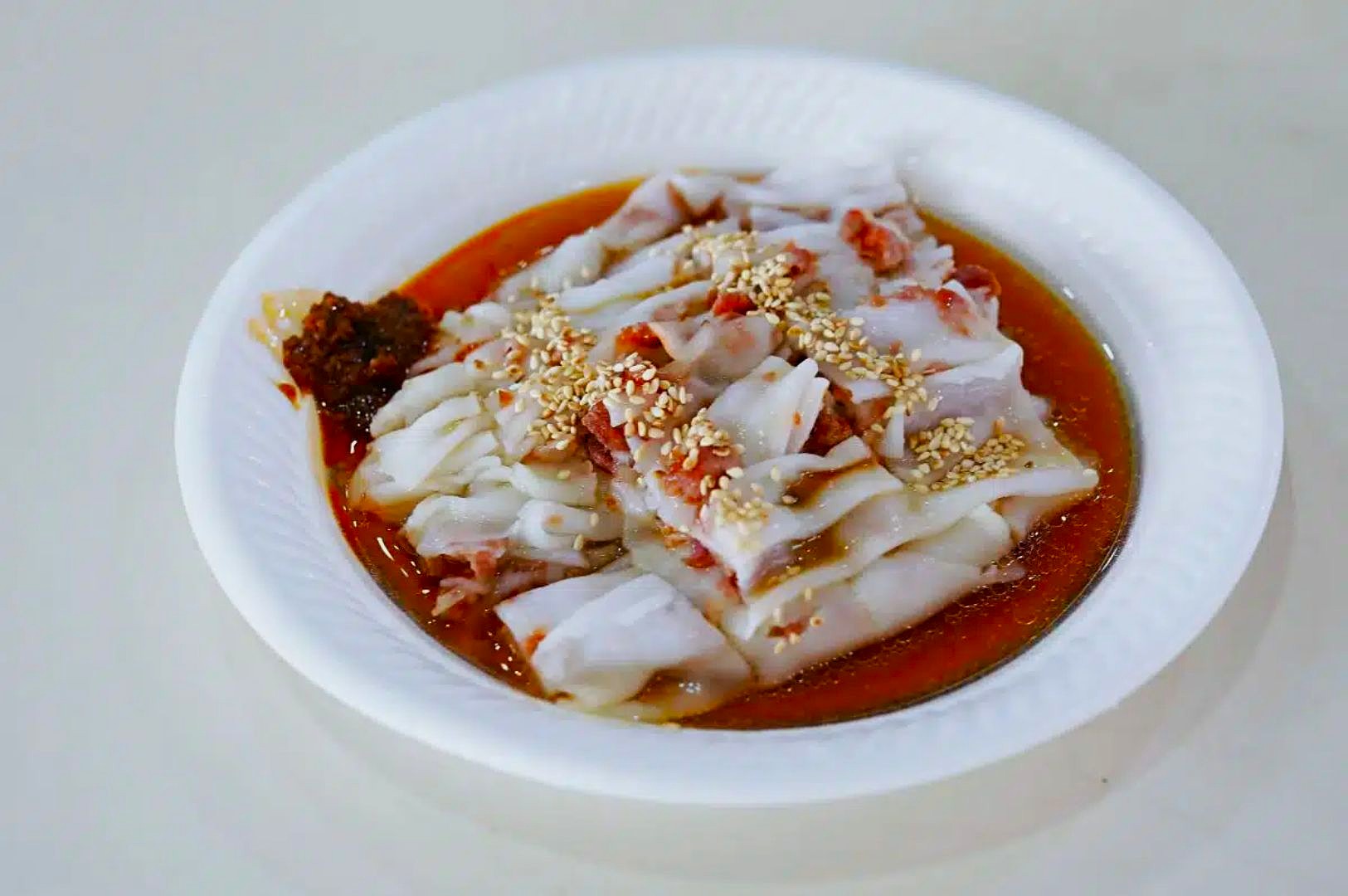
Right now, we are seeing a resurgence of heritage cuisine, but with a twist. It’s not just about preserving the past; it’s about translating it for the present. This trend is driven by a collective sense of nostalgia mixed with a modern desire for quality and provenance. We aren’t just eating steamed rice cake or carrot cake in Singapore; we are enjoying artisanal versions made with organic rice flour, packaged in minimalist boxes that look great on Instagram. Other traditional foods like fried tofu, rice noodle rolls (such as Chee Cheong Fun), and fresh spring rolls (Popiah) are also being reimagined in modern ways.
This reflects a cultural anxiety about losing our culinary roots as hawker stalls retire, paired with a visual culture that demands everything be “postable.” Singaporean cuisine is a melting pot of cultures, influenced by Chinese, Indian, Malay, and Indonesian flavors, and its history is deeply rooted in the migration patterns of various ethnic groups, including the Hokkien, Cantonese, Teochew, Hakka, and Hainanese from China, as well as Malays and Indians. We crave the comfort of the familiar—the taste of memory—but we consume it through the lens of modern aesthetics. Good food today often needs to satisfy both the palate and the camera lens.
It needs to taste like history but look like the future.
Traditional Singaporean Breakfast: Kaya Toast and Morning Rituals
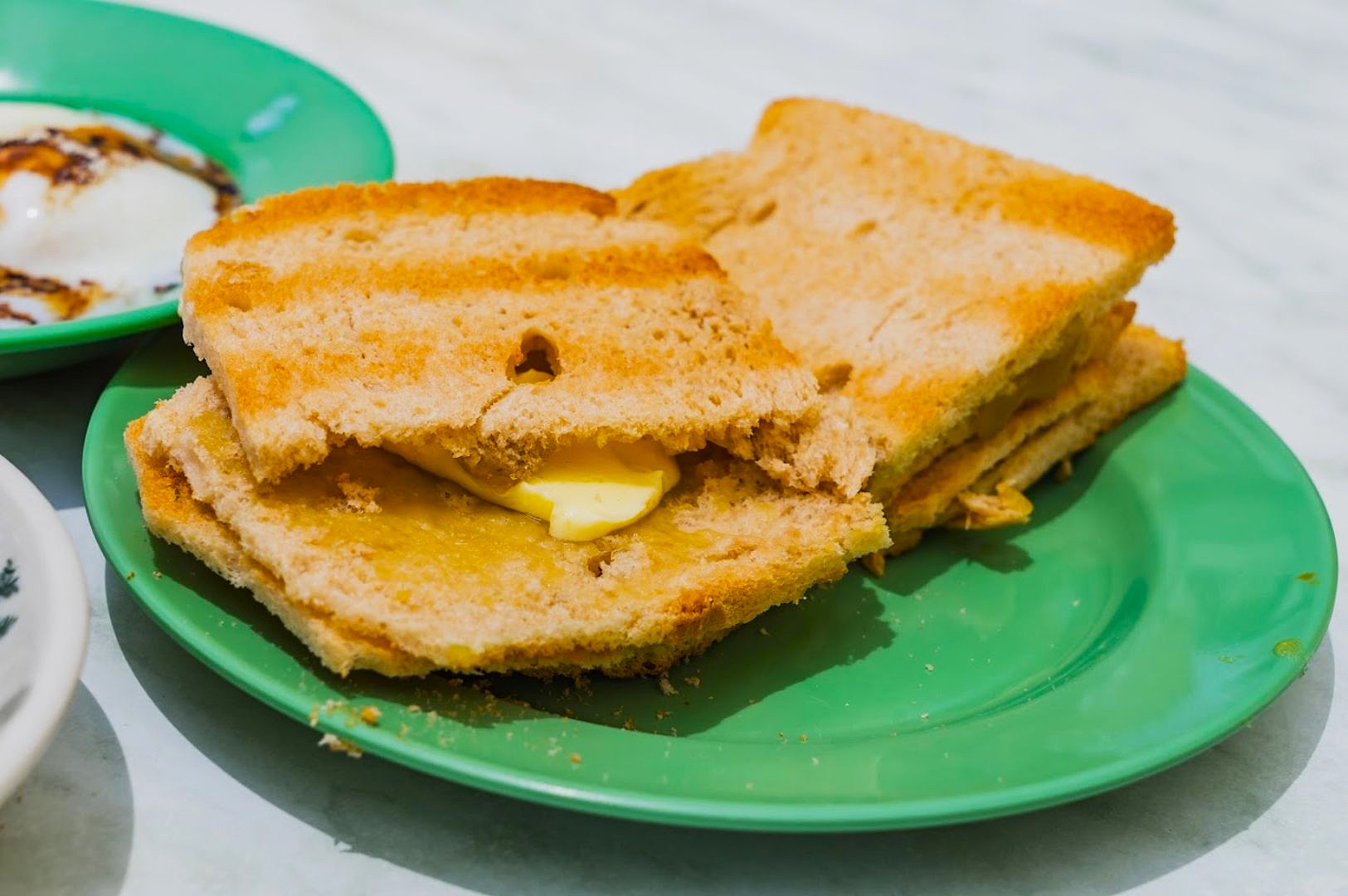
Singapore’s morning food culture is a vital social tradition centered around kopitiams, where kaya toast—toast with coconut-based kaya spread—is paired with soft-boiled eggs seasoned with dark soy sauce and white pepper, alongside kopi or teh with condensed milk. These coffee shops and hawker centers, such as Maxwell and Adam Road Food Centres, serve as community hubs fostering social connections. The breakfast menu reflects Singapore’s multicultural heritage, featuring dishes like char kway teow, bak kut teh, steamed rice cakes, chai tow kway, oyster omelette, and nasi lemak, all sharing common ingredients such as coconut milk and rice-based components. This daily ritual sustains cultural continuity, linking modern urban life with Singapore’s rich culinary history and social fabric.
The Social Currency of Dining and the Hawker Stalls Experience
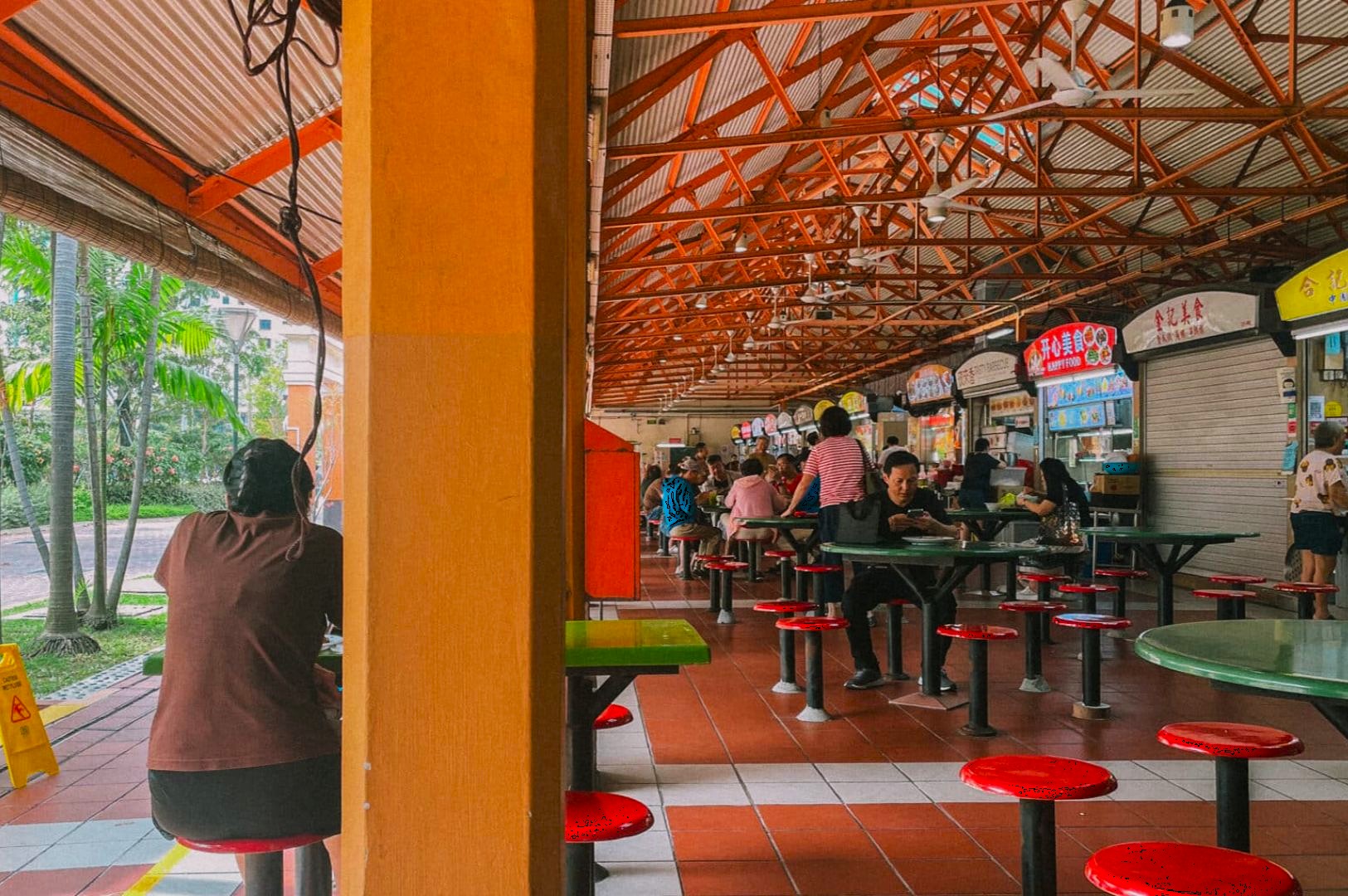
Hawker centres and hawker stalls—with their diverse food stalls—remain the heart of this experience, offering everything from fried rice noodles like fried hokkien mee to char kway teow, and bak chor mee featuring minced pork noodles tossed with dark soy sauce and vinegar. These open-air food courts are where you can truly eat in Singapore like a local, savoring dishes such as oyster omelette, fish ball noodles, and roast meat.
Hawker centers are open-air food courts that serve a wide variety of affordable, delicious, and authentic local dishes under one roof. Eating out in Singapore has become a culture due to the affordability and convenience of hawker centers. Cash is still the most common payment method at hawker centers, as many food stalls do not accept credit cards. After eating, you should return your tray and used plates to the designated area.
If you see a tissue packet on a table in a hawker center, that table has been reserved. During peak hours, it is common to share tables with strangers. Hawker centers may occasionally close for cleaning or renovation, so it’s advisable to check for notices before visiting.
Singapore’s food scene is a vibrant tapestry of Chinese, Malay, Indian, and Peranakan influences, best experienced through its hawker culture. Notable places to try these iconic dishes include:
Tian Tian Chicken Rice at Maxwell Food Centre
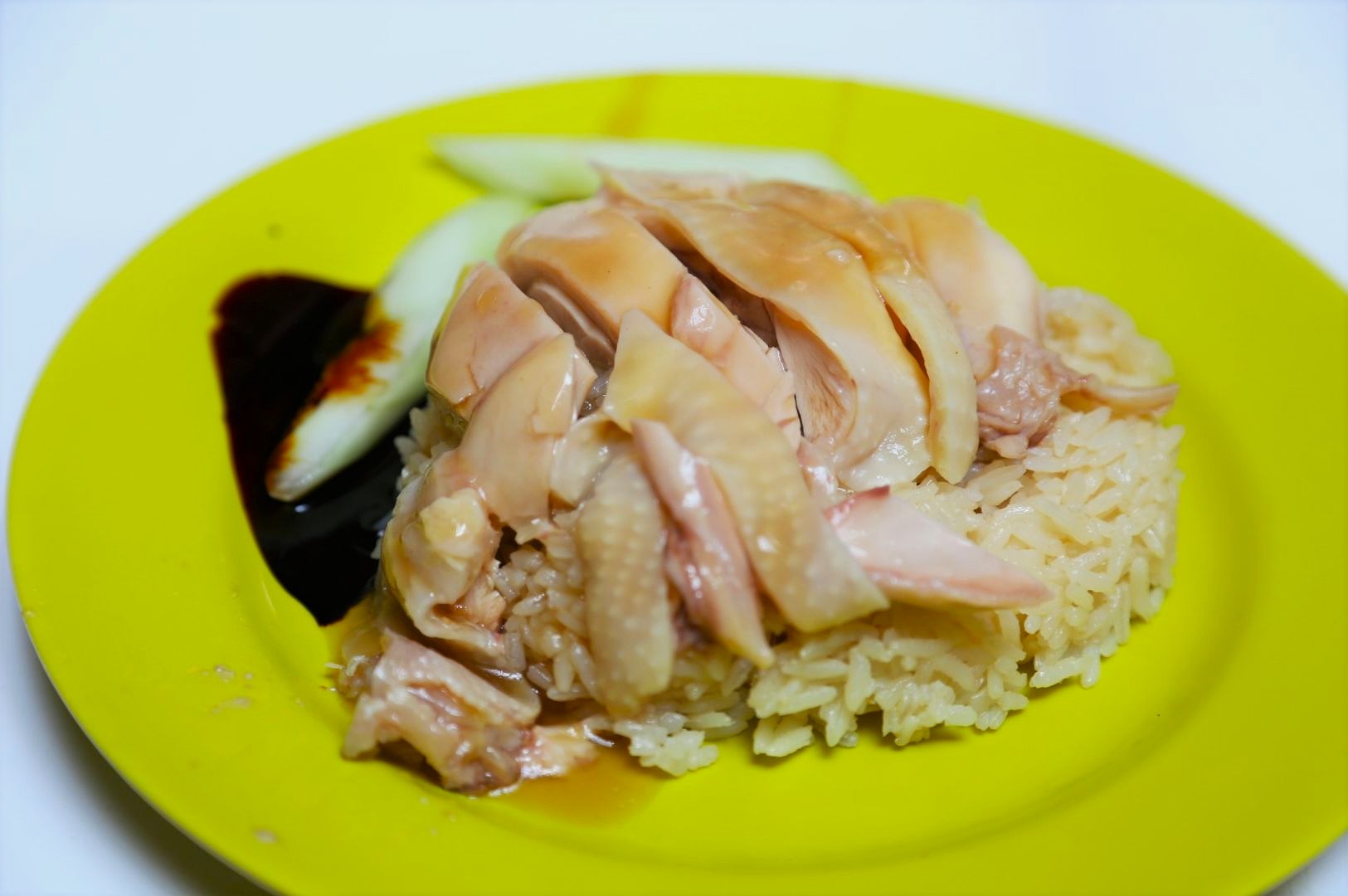
Highlight: Famous for its tender poached chicken and fragrant rice cooked in chicken fat, served with flavorful chili and ginger sauces.
Price Point: Around SGD $3 – $5 per serving.
Location: Maxwell Food Centre, 1 Kadayanallur Street, Singapore 069184.
Long Beach Seafood for Chili Crab
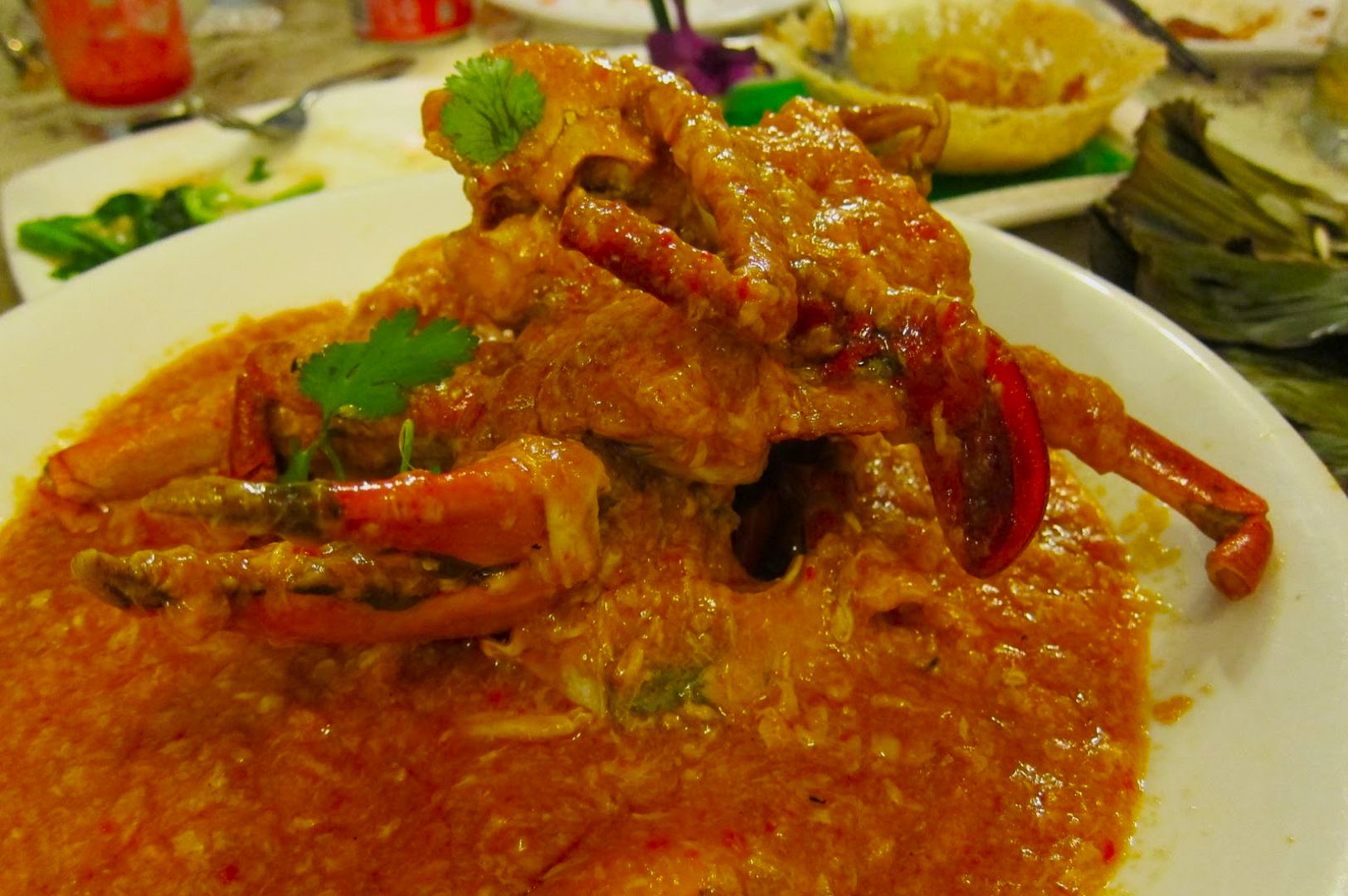
Highlight: Renowned for its rich and tangy Singapore chili crab, a must-try iconic seafood dish.
Price Point: Expect to pay SGD $60 – $100 per crab dish.
Location: East Coast Seafood Centre, 1206 East Coast Parkway, Singapore 449883.
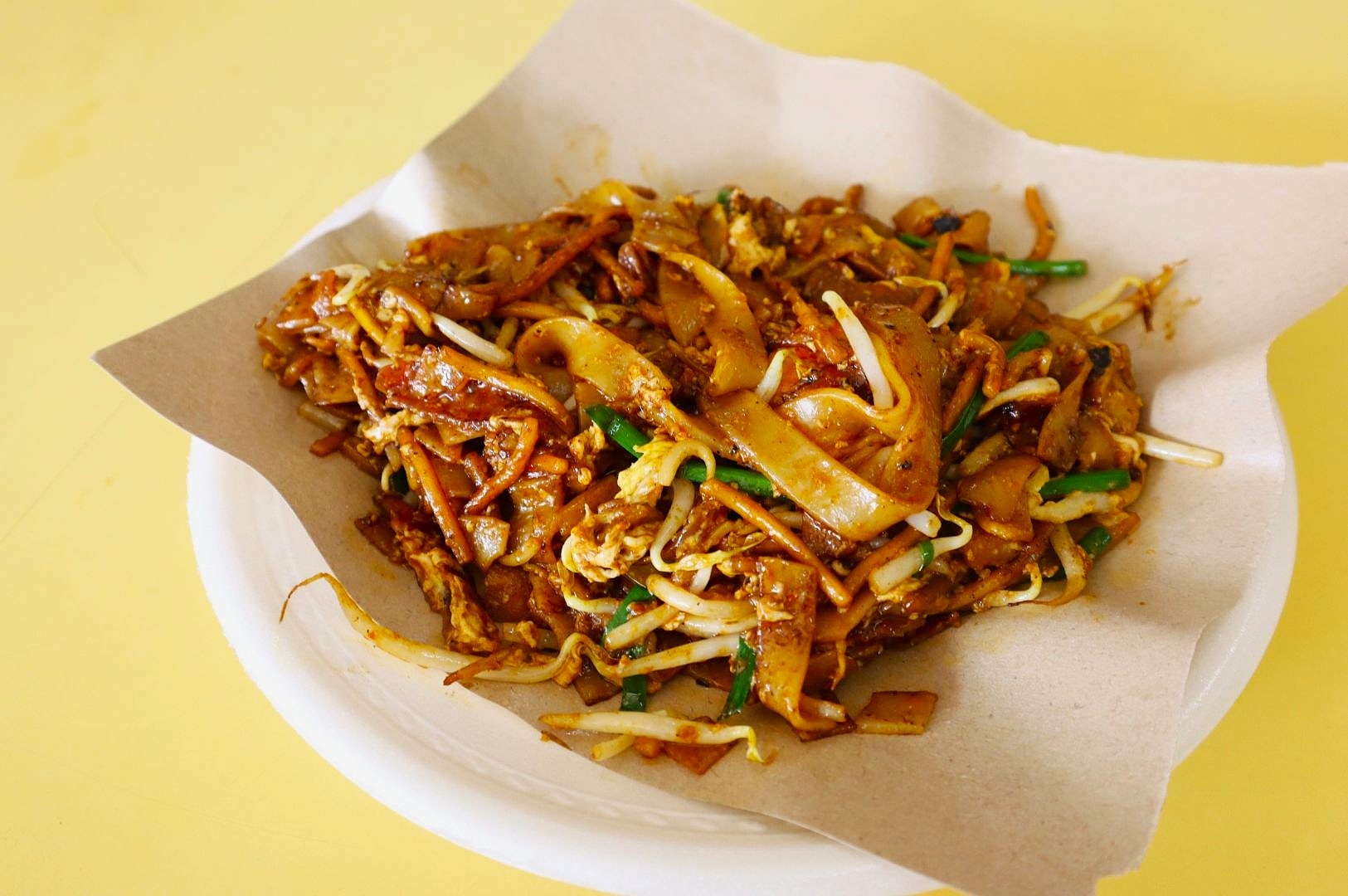
Highlight: Popular for its smoky stir-fried flat rice noodles with egg, Chinese sausage, and crunchy bean sprouts.
Price Point: Approximately SGD $4 – $6 per plate.
Location: Chinatown Complex
Song Zhou Luo Bo Gao for Carrot Cake.
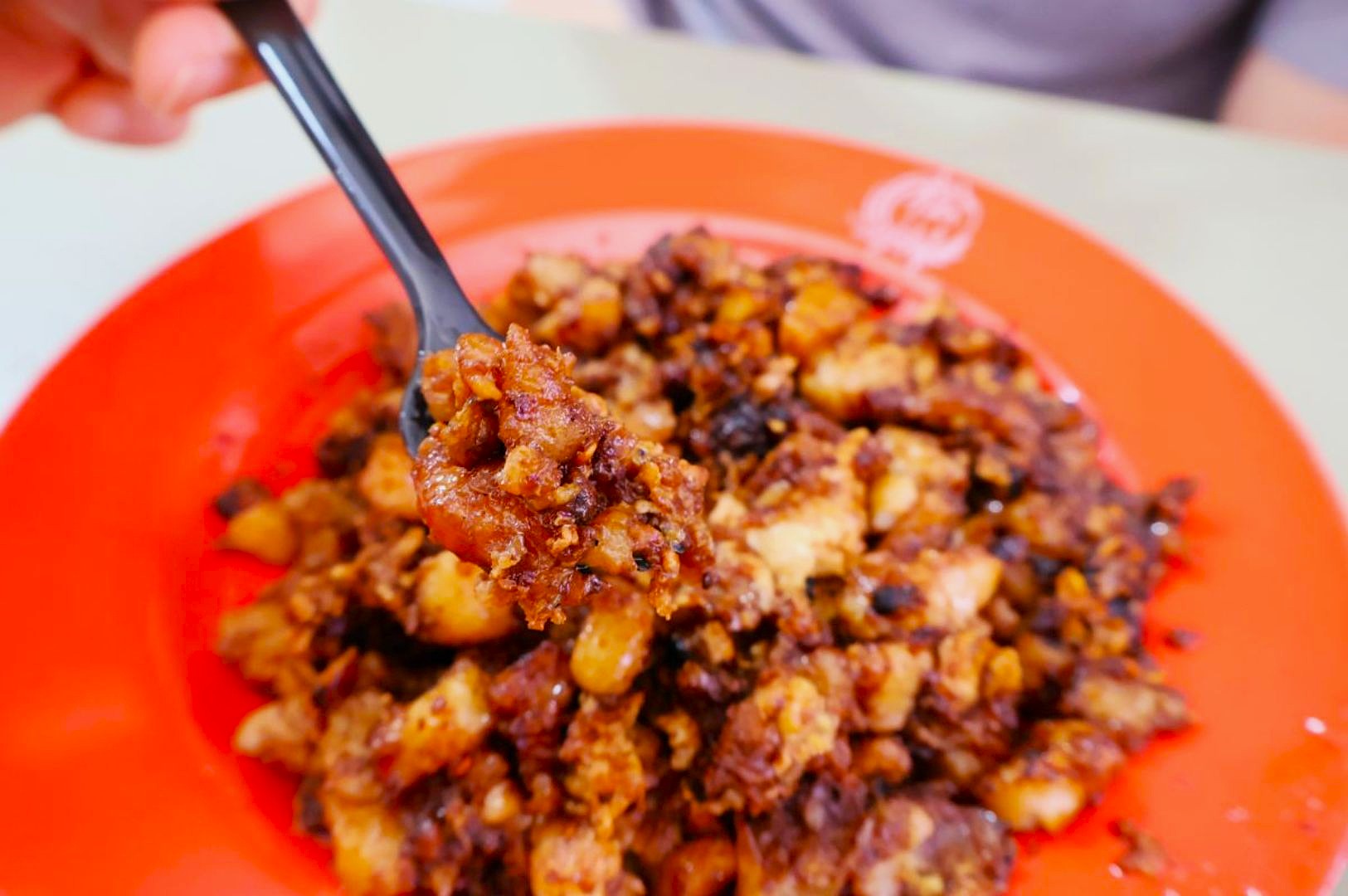
Highlight: Well-known for its savory carrot cake (chai tow kway), available in both black and white versions.
Price Point: Around SGD $3 – $4 per plate.
Location: Bedok Interchange Hawker Centre, 207 New Upper Changi Road, Singapore 460207.
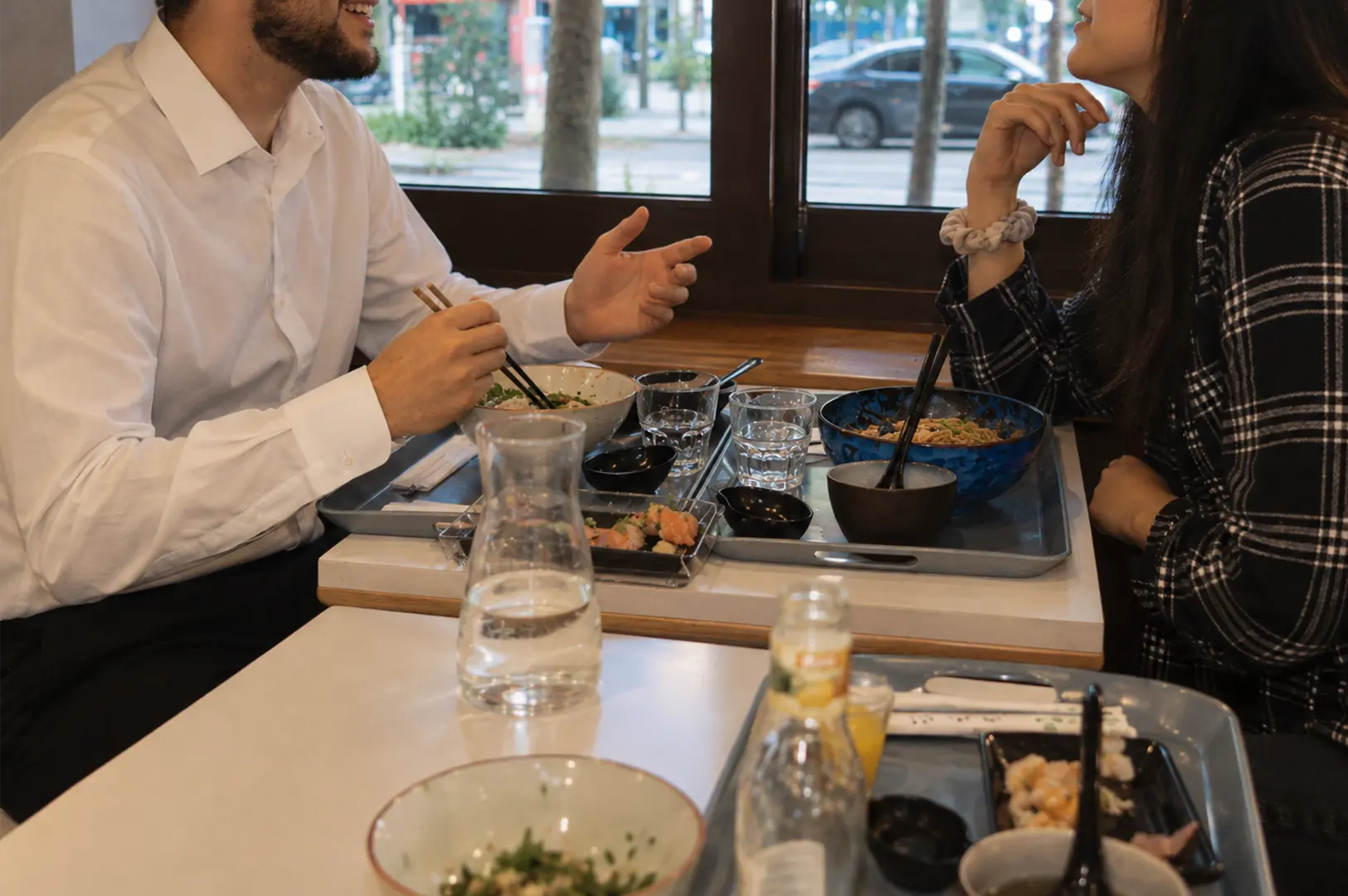
The trend reflects a hunger for interaction. The food acts as a social lubricant. The rise of these dining styles speaks to a desire for prolonged engagement. We aren’t just eating and leaving; we are cooking together at the table, sharing the labor of the meal. This participatory element adds a layer of value that goes beyond flavor profiles. A meal is “good” because it allowed for two hours of uninterrupted conversation.
Don’t miss out on oyster omelette (Orh Luak), often topped with spring onions and served with tangy chilli sauce, or laksa, which features rice noodles and is commonly topped with fish cake. Nasi lemak, a fragrant rice dish cooked in coconut milk, is often enjoyed with accompaniments like fried chicken, sambal, anchovies, and fried fish. For noodle lovers, wanton mee and bak chor mee are made with egg noodles or springy egg noodles, while Hainanese beef noodles and Hokkien Mee use white rice noodles. Sweet milk tea is a popular beverage that pairs perfectly with spicy local cuisine.
Ultimately, the definition of Good Singaporean Food is moving away from rigid categorization. It is becoming more fluid, acknowledging that a hamburger can be just as “local” as a plate of char kway teow if it reflects the local palate (think chilli paste, chilli sauce, or spicy sauce pairings that enhance dishes like oyster omelette, chilli crab, and rojak).
We see this in places that defy easy labels. It might be a small bistro serving elevated versions of canteen favorites or a hawker stall experimenting with premium ingredients. These spots understand that for the modern Singaporean diner, quality isn’t about luxury; it’s about intentionality.
Eat in Singapore: Celebrating Singapore's Culinary Heritage and Modern Evolution
Here are a few examples of places engaging in this thoughtful evolution:
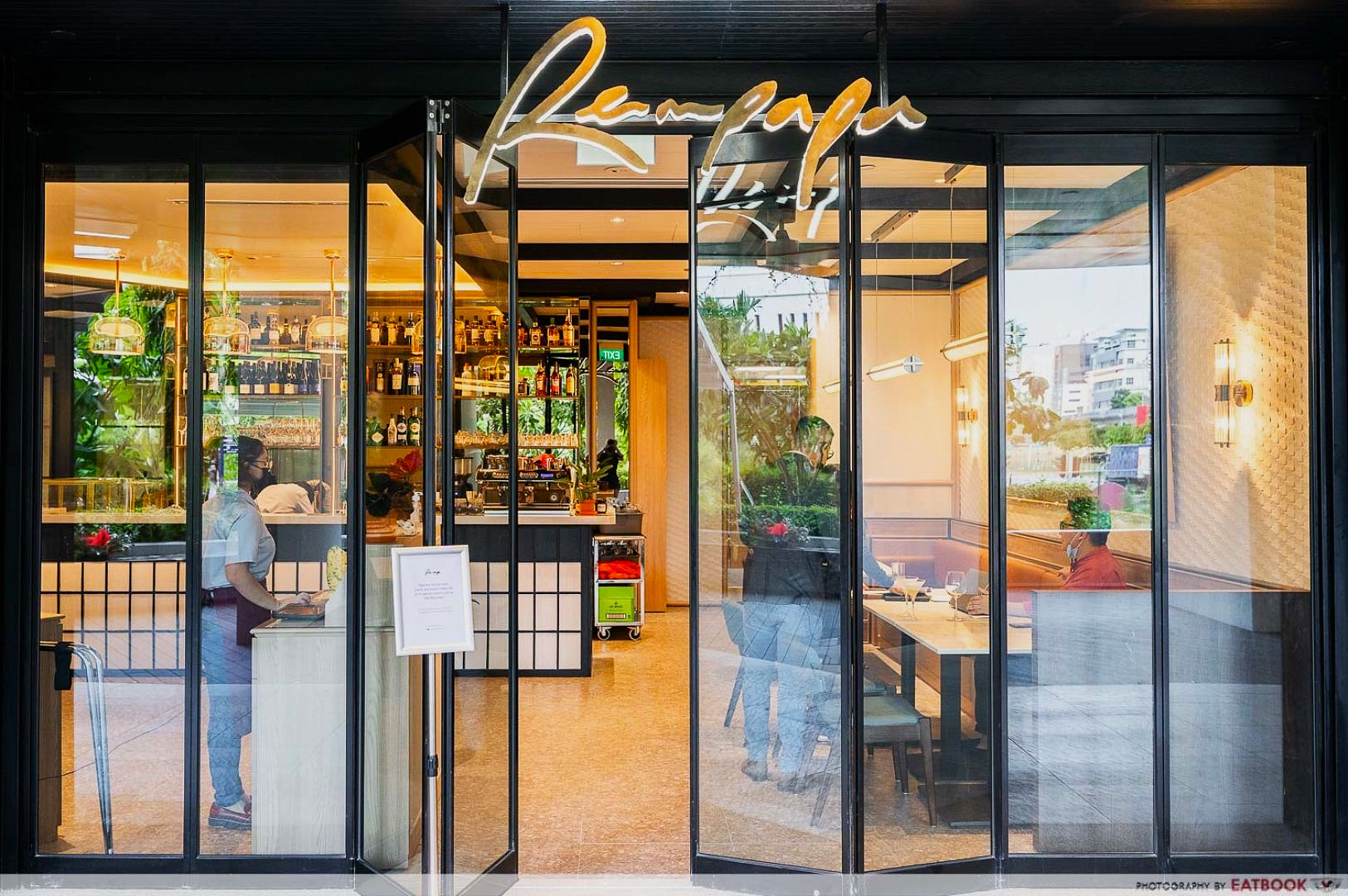
Rempapa: Chef Damian D’Silva’s celebration of Singapore’s multicultural heritage, serving dishes that refuse to compromise on labor-intensive traditions while sitting comfortably in a modern setting, showcasing the best of Peranakan Food.
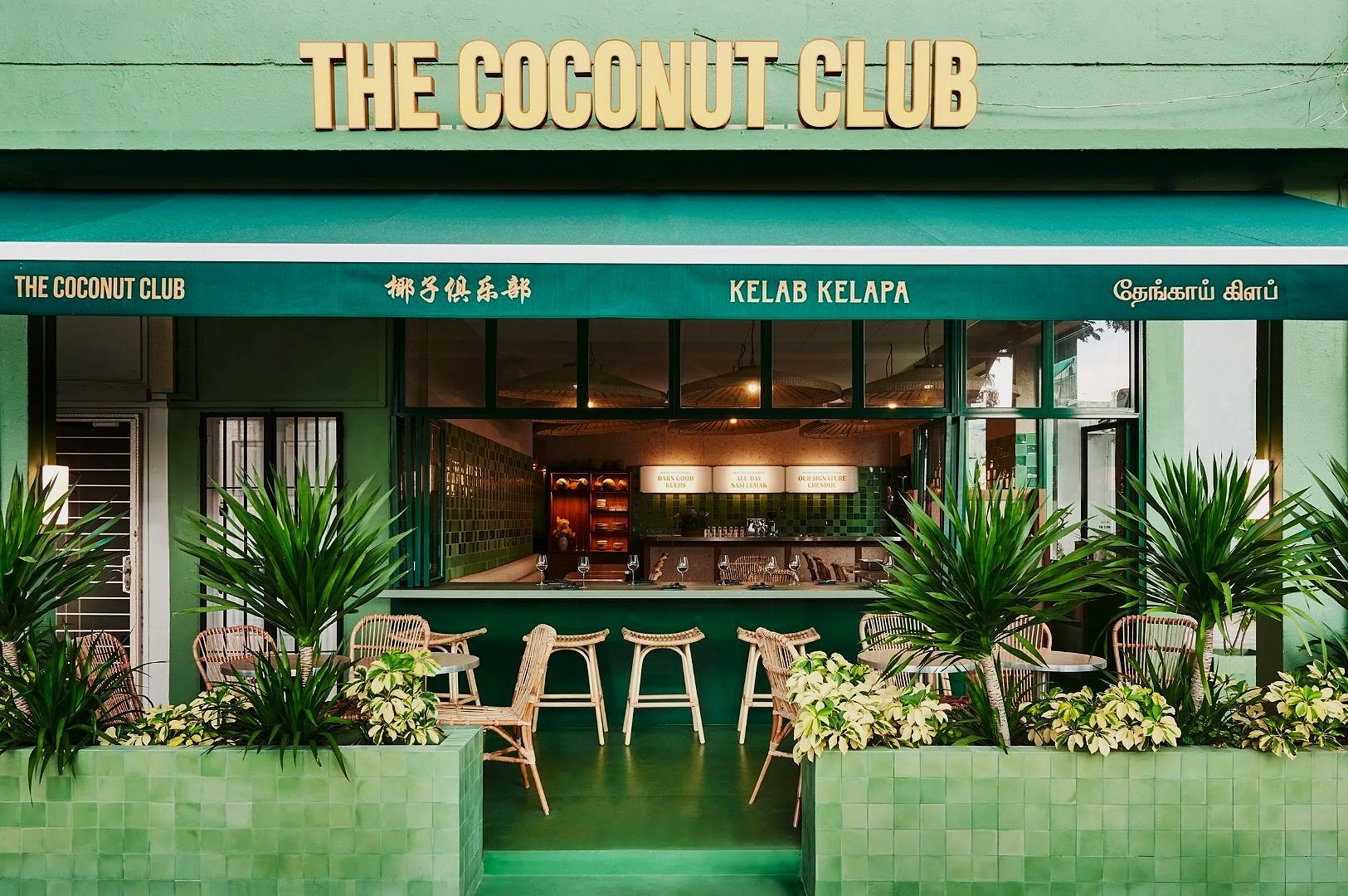
The Coconut Club: Elevating the humble nasi lemak with meticulous sourcing, proving that everyday staples deserve premium treatment with fragrant rice cooked in rich coconut milk.
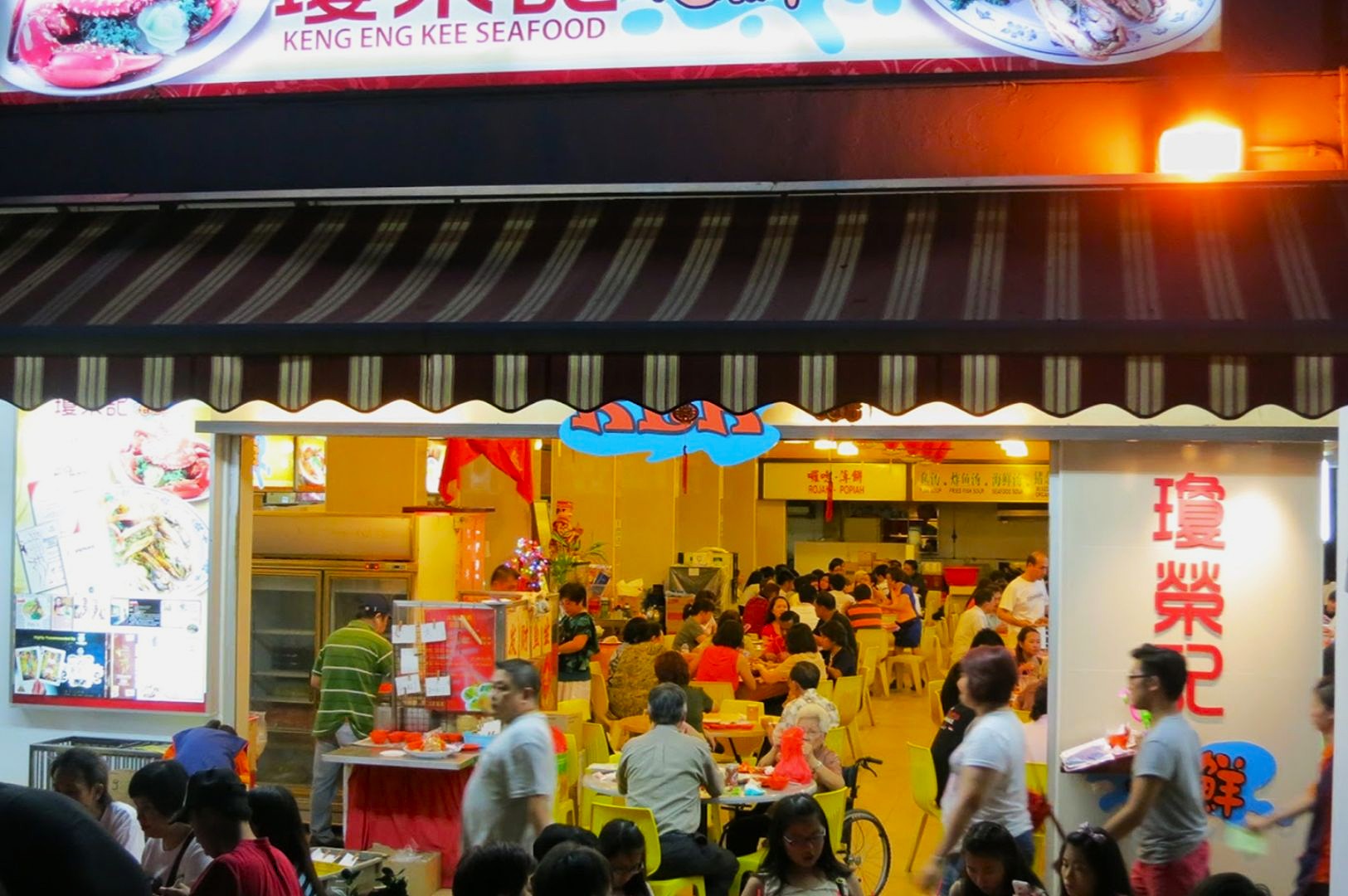
Keng Eng Kee Seafood: A classic zi char spot that has embraced the modern social media landscape without losing the smoky, chaotic soul of its wok hei.
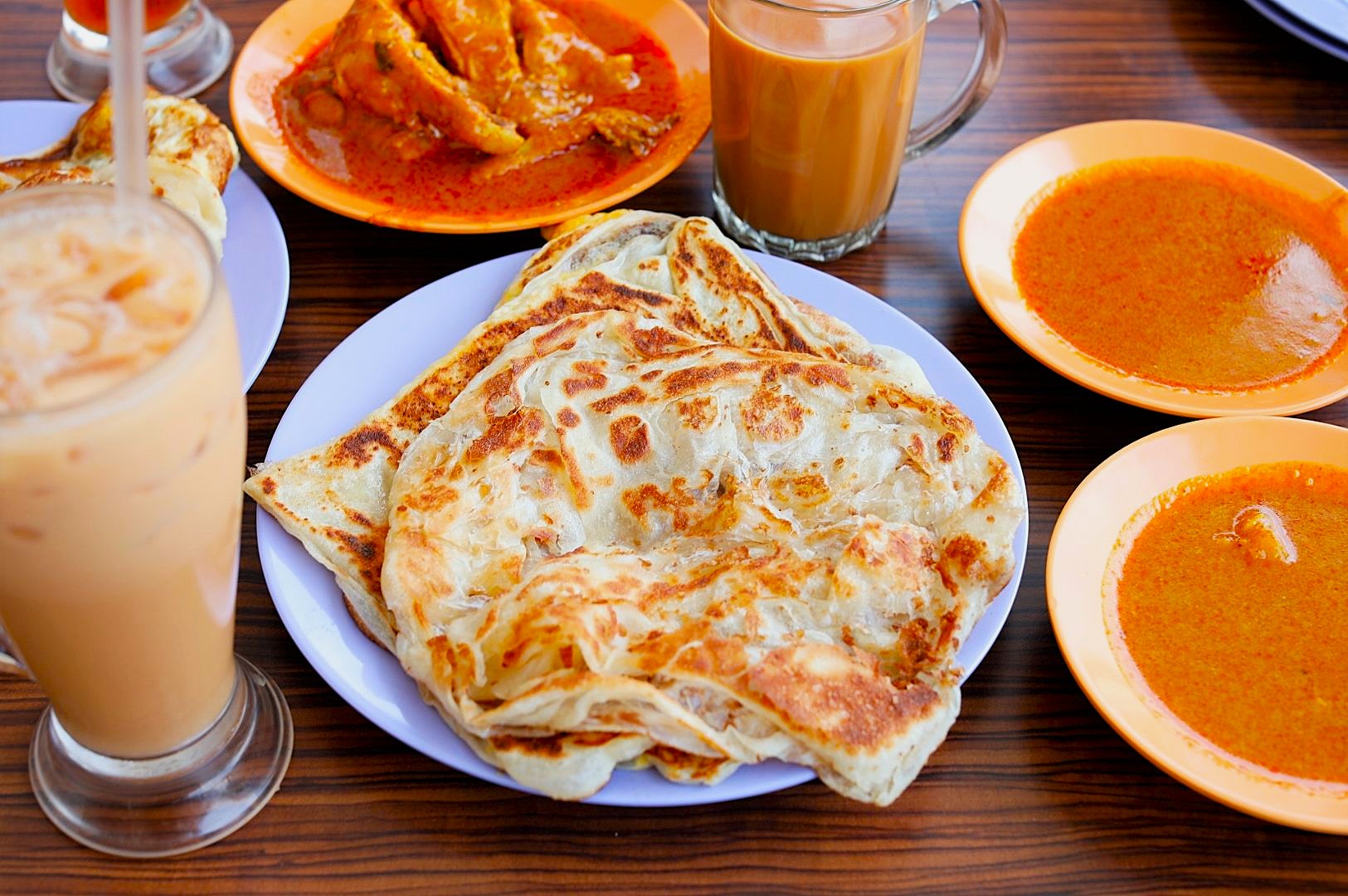
Roti Prata at hawker centres: Another iconic dish reflecting Indian influences, roti prata is beloved for breakfast or supper, often served with curry, and showcases the diversity of Singapore’s food culture.
Fine Dining: Elevating Singaporean Flavors
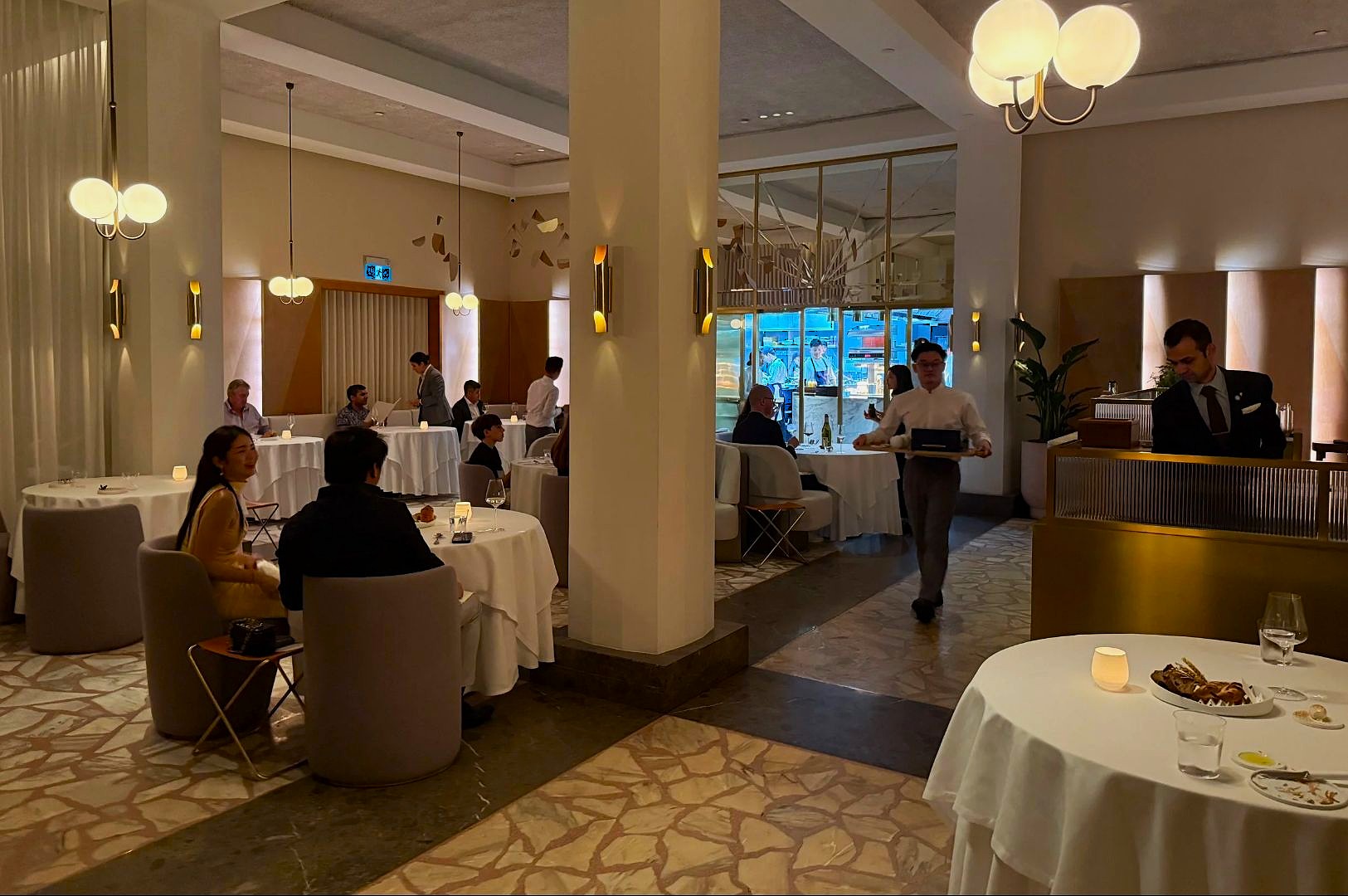
While hawker centres offer authentic and affordable experiences, Singapore’s fine dining scene takes local flavors to new heights with innovative techniques and elegant presentations. Renowned restaurants blend traditional ingredients like coconut milk, chili sauce, and fragrant rice with modern culinary artistry, creating dishes that delight both the palate and the eye. Establishments such as Odette, Burnt Ends, and Candlenut showcase Singapore’s rich multicultural heritage through refined Peranakan food, seafood delicacies like black pepper crab and salted egg yolk crab, and inventive interpretations of classics like laksa and chili crab. For those seeking a sophisticated taste of Singapore, fine dining offers an unforgettable journey for the taste buds.
Conclusion
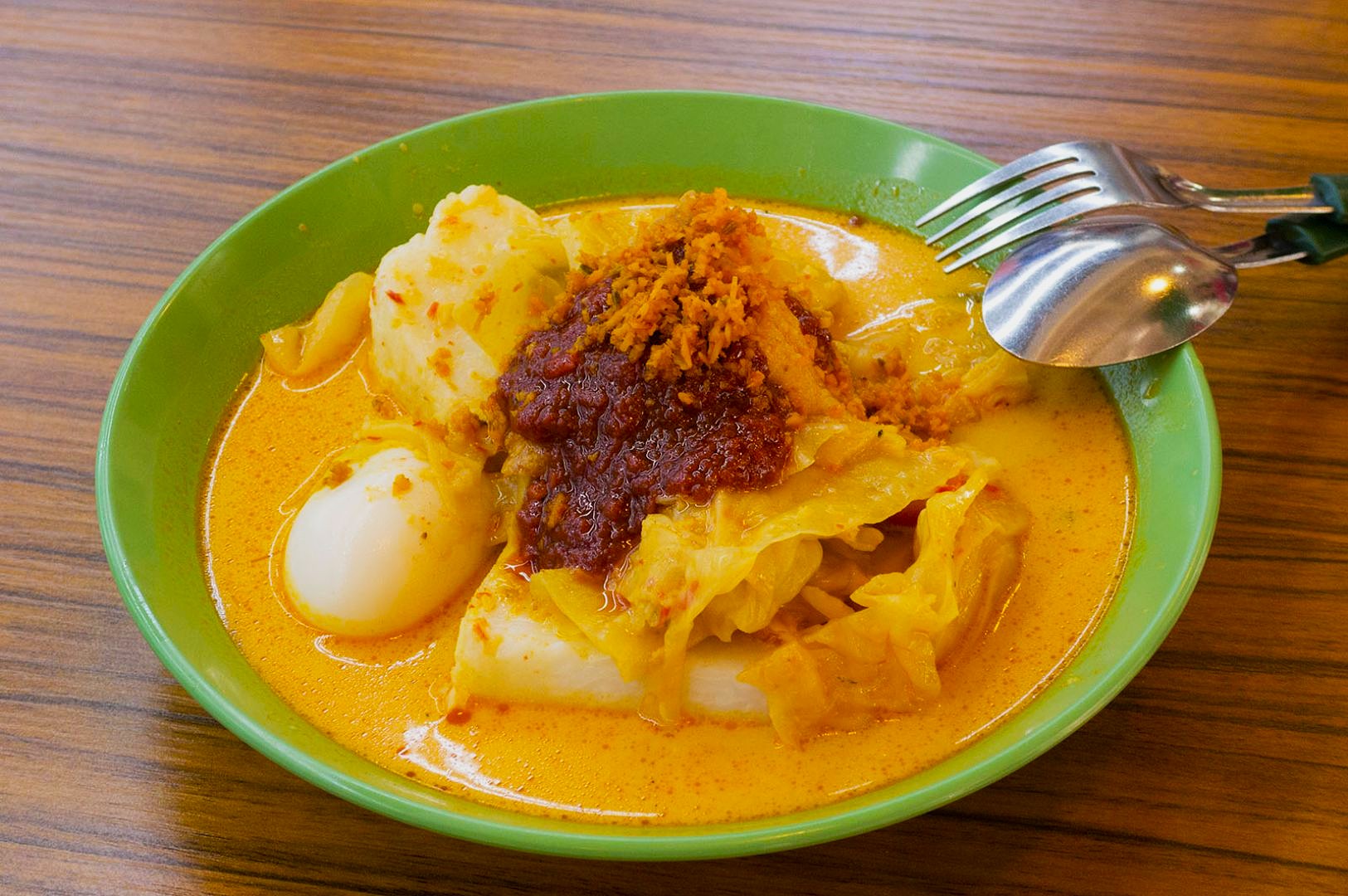
Good Singaporean food doesn’t need to be loud to be meaningful. It lives in the rhythms of daily life — in lunches eaten between meetings, suppers shared after long days, and quiet stalls that remember your order before you say it out loud. What makes food “good” here is rarely about spectacle. It’s about familiarity, care, and the way taste carries memory from one generation to the next.
At Social Eats ‘N’ Drinks, we believe these everyday moments deserve attention. Food is not just something we consume, but something that connects us — to place, to people, and to stories that keep evolving with the city. If you’re curious to explore how Singapore eats, remembers, and changes through food, visit Social Eats ‘N’ Drinks and dive deeper into the conversations shaping our tables today.