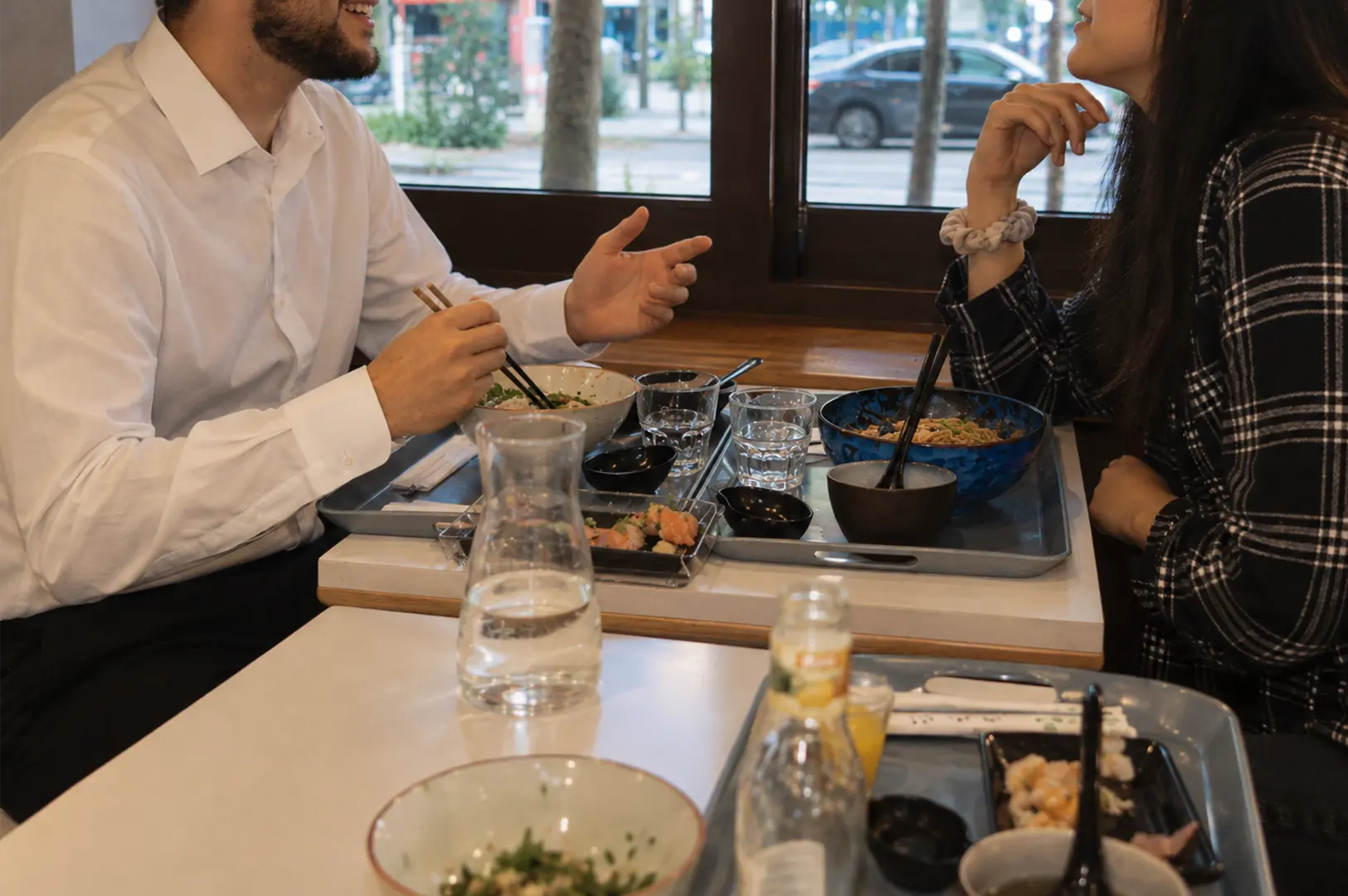

Singaporean delicacies are best experienced in the vibrant, bustling environment of a traditional coffee shop, or kopitiam. These coffee shops are not just places to eat; they are cultural hubs where local food and community blend seamlessly. The unique atmosphere—complete with the mingling aromas of kopi (coffee), frying ingredients, and the humid air—elevates the flavors of Singapore’s national dish and other beloved local dishes.
At a kopitiam, the sensory experience goes beyond taste: the sounds of sizzling woks, the chatter of patrons, and the rhythmic clatter of utensils create an immersive backdrop that makes every meal memorable. Here, dishes like hainanese chicken rice, with its tender poached chicken and fragrant rice cooked in chicken fat and broth, come alive when paired with the bold flavors of chili sauce and dark soy sauce. The kopitiam setting also highlights the harmony of Singapore’s food influences, where Chinese, Malay, Indian, and Peranakan flavors blend seamlessly in dishes such as char kway teow, laksa, and nasi lemak.
Moreover, kopitiams are places where tradition meets daily life, serving as communal spaces where people from all walks of life gather to share food, stories, and moments. This cultural significance adds a layer of warmth and authenticity to the enjoyment of great tasting Singaporean delicacies, making each bite not only a taste of local cuisine but also a connection to the city’s rich heritage and vibrant social fabric.
A Brief History of Kopitiam
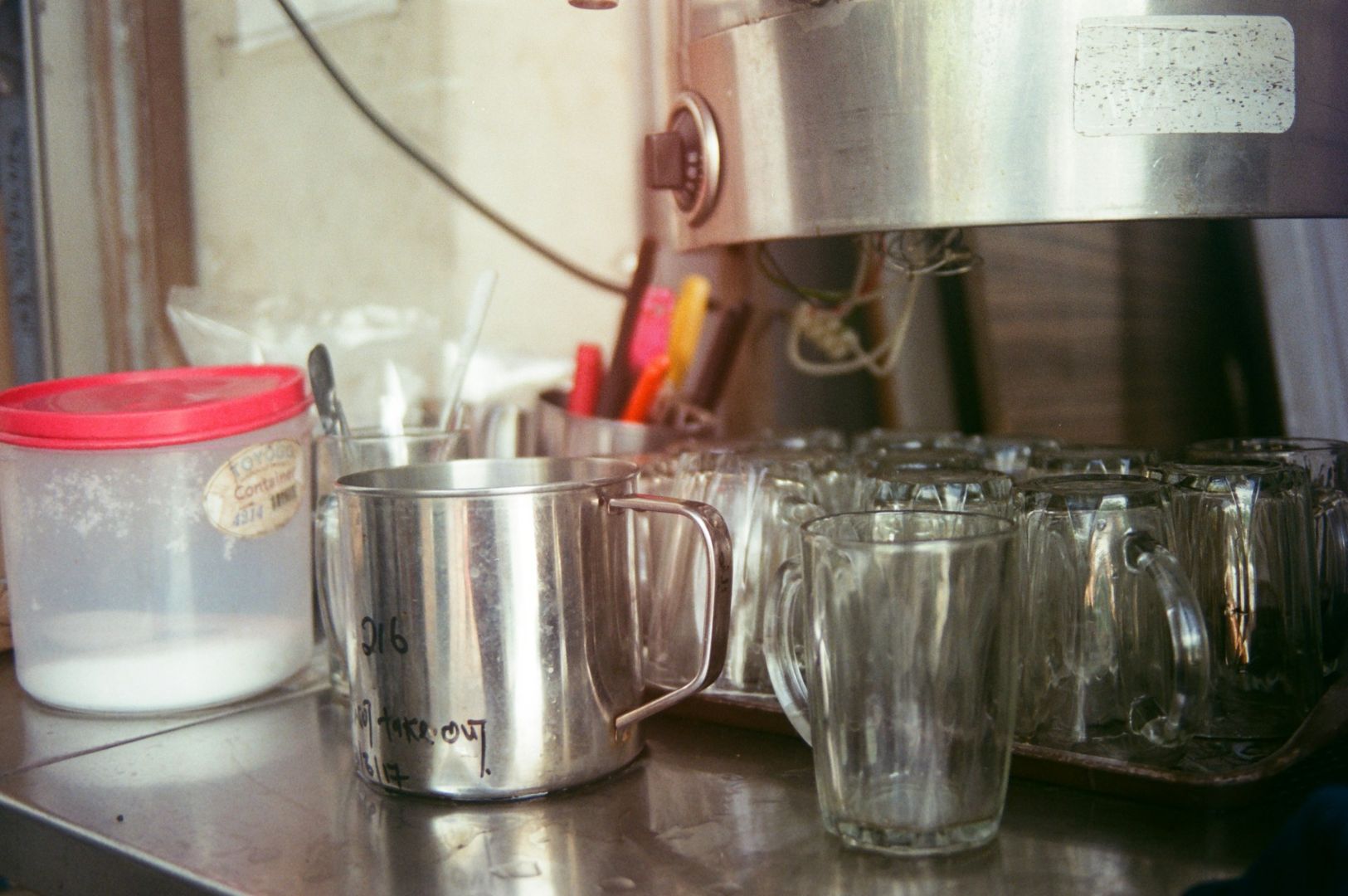
The term “kopitiam” comes from the Malay word “kopi” meaning coffee, and the Hokkien word “tiam” meaning shop. These traditional coffee shops originated in Southeast Asia during the early 20th century, serving as communal gathering places where locals could enjoy affordable coffee, tea, and simple meals. Kopitiams played a crucial role in Singapore’s social fabric, offering a space for people from all walks of life to connect over shared meals. Over time, they evolved to become iconic cultural hubs, preserving the rich heritage of Singaporean delicacies and fostering a strong sense of community that remains vibrant today.
The Kopitiam: Where Singaporean Delicacies Come Alive
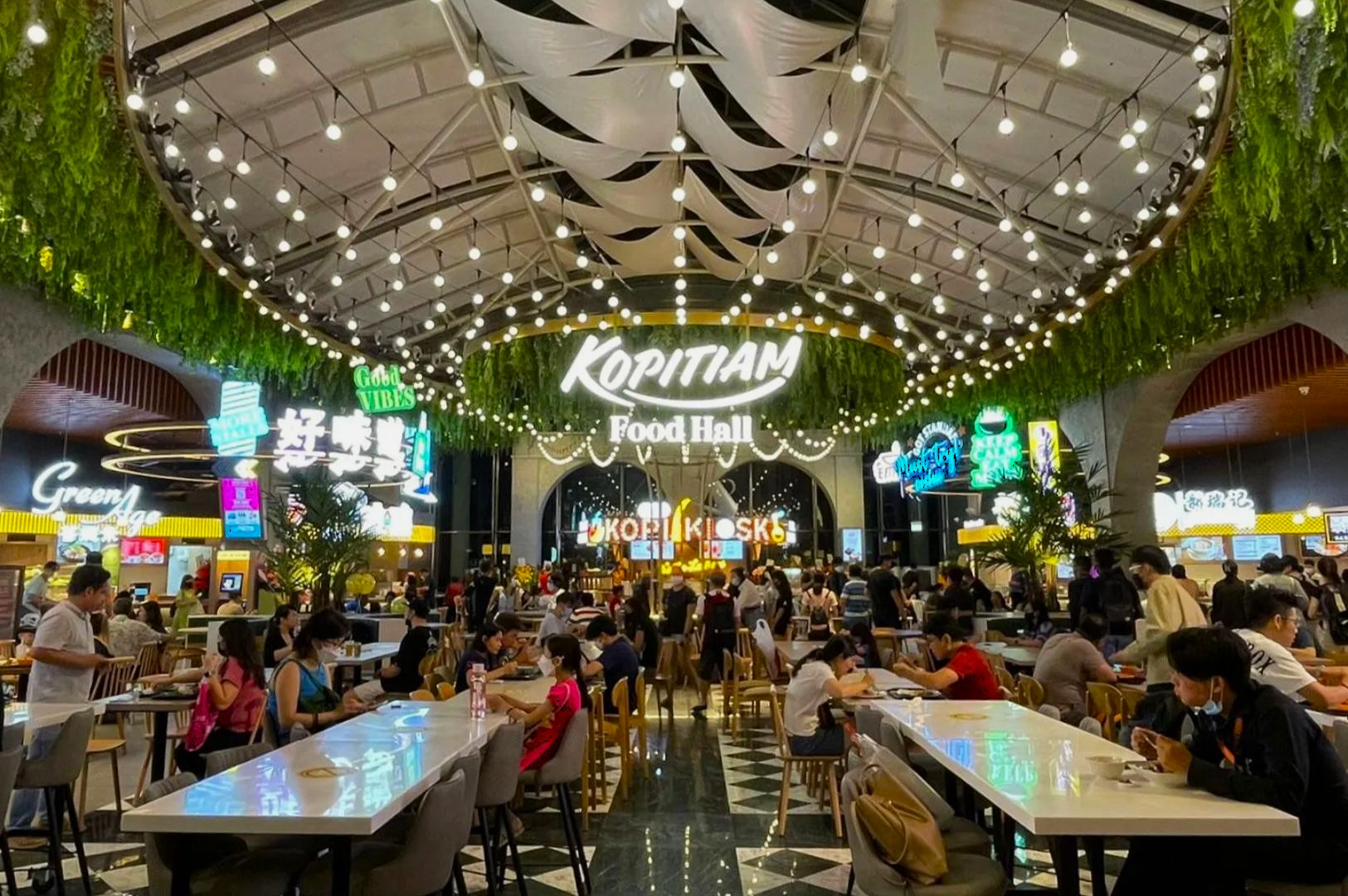
Step into any kopitiam or hawker centre, and you’ll be greeted by the rich scents of fragrant rice cooked in chicken broth, the sizzle of noodles stir fried with pork lard, and the unmistakable aroma of coconut milk simmering in a curry. These sensory experiences are inseparable from the tastes of iconic dishes like hainanese chicken rice, which features poached chicken served over fragrant rice cooked with chicken fat and pandan leaves, accompanied by chili sauce and dark soy sauce.
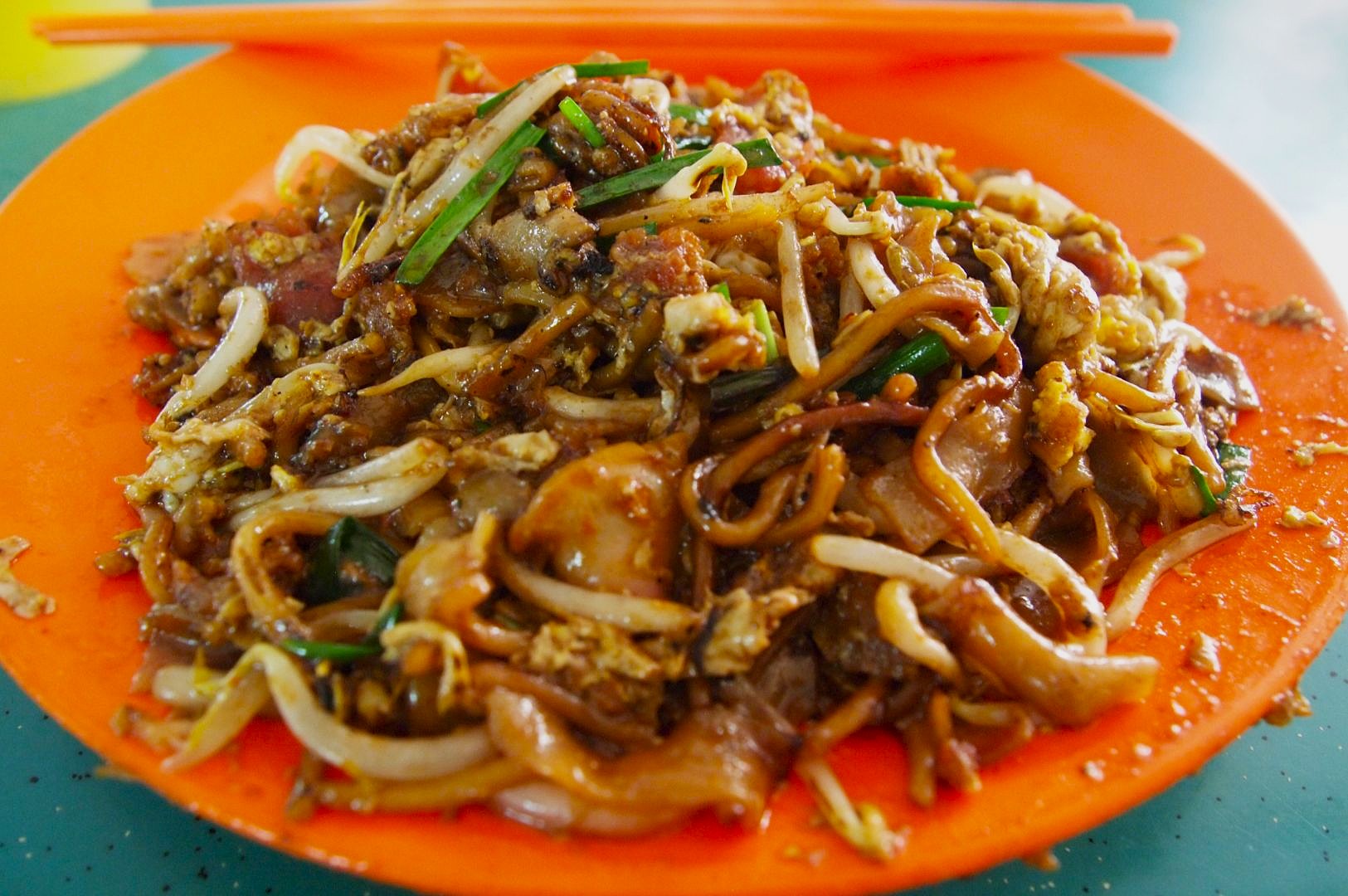
The kopitiam’s lively energy enhances dishes like char kway teow—a popular noodle dish made with flat rice noodles stir fried with egg noodles, Chinese sausage, fish cake, bean sprouts, and sambal chili sauce. The heat and humidity keep the sauces vibrant and the textures just right, making each bite more memorable than in a sterile food court.
Kopi: The Perfect Companion to Singaporean Delicacies
Kopi, Singapore’s traditional coffee, pairs beautifully with the rich and diverse flavors of local dishes. Its bold, slightly bitter notes complement the spices and savory elements found in good Singaporean cuisine, enhancing every bite and sip in the vibrant kopitiam atmosphere.
Char Kway Teow and Other Noodle Dishes at Hawker Stalls
Char kway teow is a staple of Singapore’s street food scene, often served dry with a smoky flavor from the pork lard and soy sauce. Alongside it, hokkien mee—a dish of yellow egg noodles and rice noodles stir fried in a rich prawn stock—is another crowd favorite. These noodle dishes, served at hawker stalls across the city, showcase the melting pot of cultures that define Singaporean cuisine.
Other noodle dishes like bak chor mee, which consists of egg noodles topped with minced pork, fish balls, and a spicy sauce, and served dry with a side of soup, highlight the diversity of flavors found in Singapore’s hawker centres. The use of sesame oil, fermented shrimp paste, and chili sauce in these dishes adds layers of umami and heat that are signature to the local palate. These bold and savory flavors pair perfectly with kopi or teh, whose robust and slightly bitter notes help to balance the richness and spice, enhancing the overall dining experience.
Hainanese Chicken Rice: Singapore’s National Dish
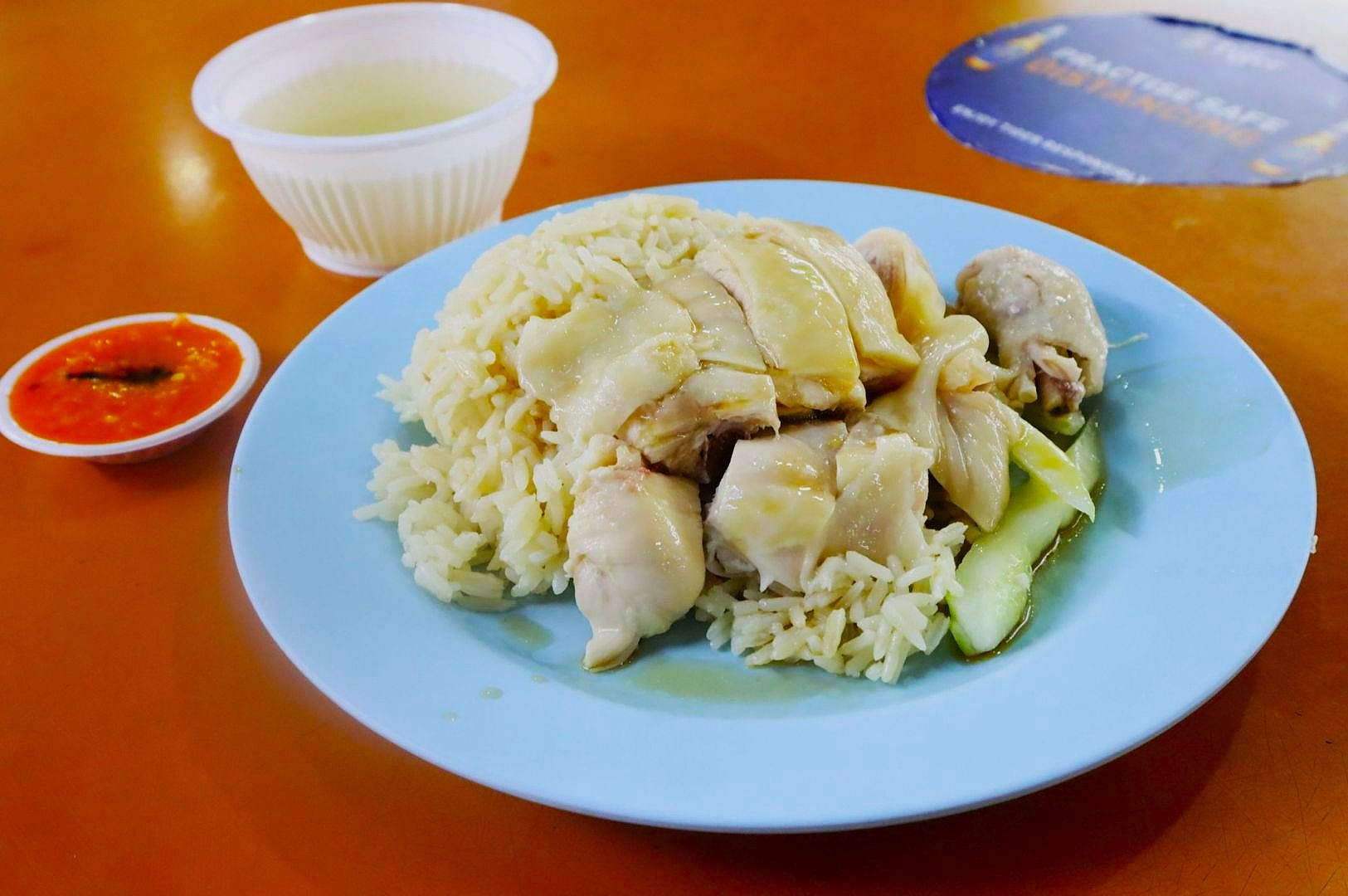
Hainanese chicken rice is often regarded as Singapore’s national dish, and for good reason. This dish consists of tender poached chicken served over steamed rice, which is fragrant rice cooked in chicken broth and chicken fat to infuse it with flavor. Accompanied by chili sauce, dark soy sauce, and a ginger paste, this simple yet satisfying dish is a must-try at the best hawker stalls and food courts.
The rich, savory flavors of the chicken and fragrant rice pair wonderfully with a cup of kopi or teh, whose bold, slightly bitter notes help to balance the dish’s richness and enhance the overall dining experience.
Variations include roasted duck and fried chicken served alongside fragrant rice or plain white rice, often accompanied by soft boiled eggs and a bowl of chicken broth.
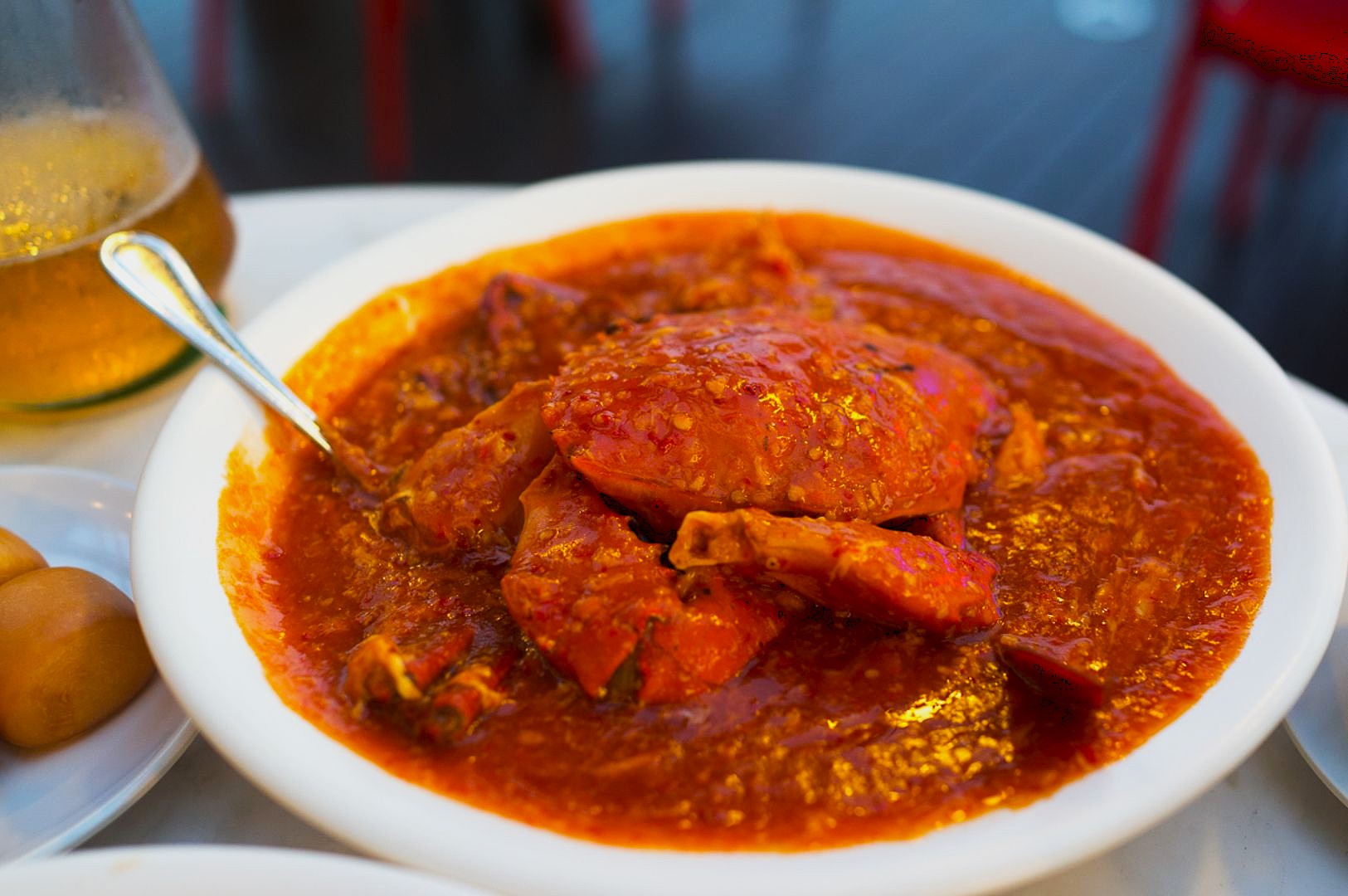
The Rich Flavors of Chili Crab and Other Seafood Delicacies
Singapore chili crab is a signature dish that embodies the city’s love for bold flavors. Made with fresh mud crabs cooked in a thick, sweet, and spicy sauce rich with chili sauce, fermented shrimp paste, and palm sugar, chili crab is often served with fried mantou buns to soak up the delicious gravy. The deep fried crab coated in this flavorful sauce is a highlight at seafood hawker stalls and restaurants alike. The dish’s spicy and sweet richness pairs perfectly with a cup of kopi or teh, whose robust and slightly bitter notes help balance the intense flavors and refresh the palate.
Alongside chili crab, dishes like sambal stingray and fish head curry—where the fish head is simmered in a spicy curry with coconut milk and a blend of spices—reflect the influence of Peranakan food and the diverse culinary heritage of Singapore. These dishes’ complex spices and creamy textures are beautifully complemented by the smooth, bold flavors of kopi or teh, making for a harmonious dining experience.
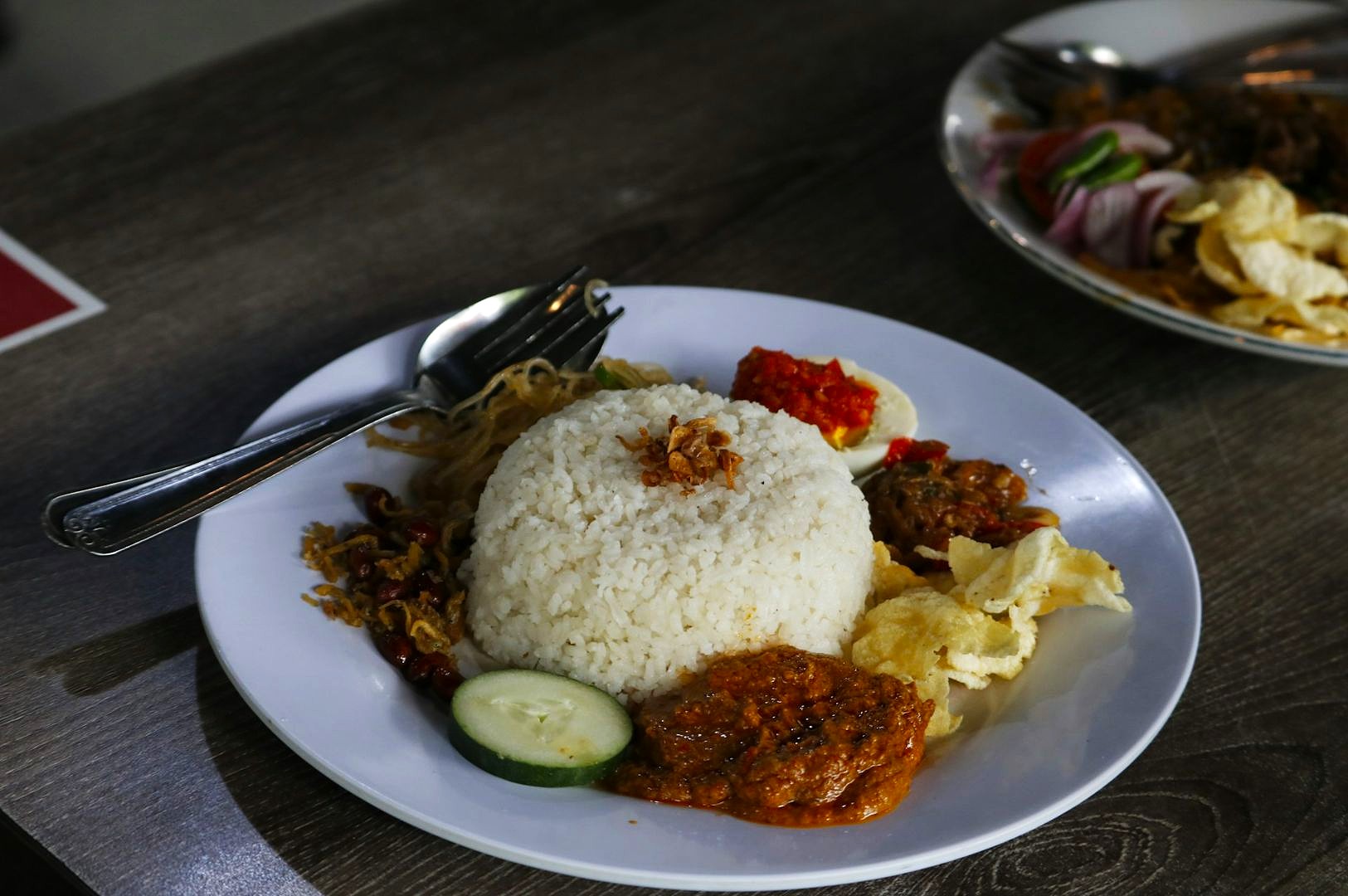
Nasi Lemak, Chai Tow Kway, and Other Local Favorites
Nasi lemak, a fragrant rice dish cooked in coconut milk and pandan leaves, is typically served with sambal chili sauce, fried anchovies, peanuts, and fried chicken or other accompaniments. The rich and aromatic flavors of nasi lemak pair wonderfully with the robust and slightly bitter taste of kopi or teh, which help balance the dish’s spiciness and richness.
Chai tow kway, commonly known as carrot cake, is a beloved street food made from rice flour and shredded radish rice cakes, stir fried with eggs, preserved radish, and sometimes Chinese sausage. Available in both black and white versions, this savory and slightly sweet dish is perfectly complemented by a cup of kopi or teh, whose bold flavors cut through the richness and refresh the palate.
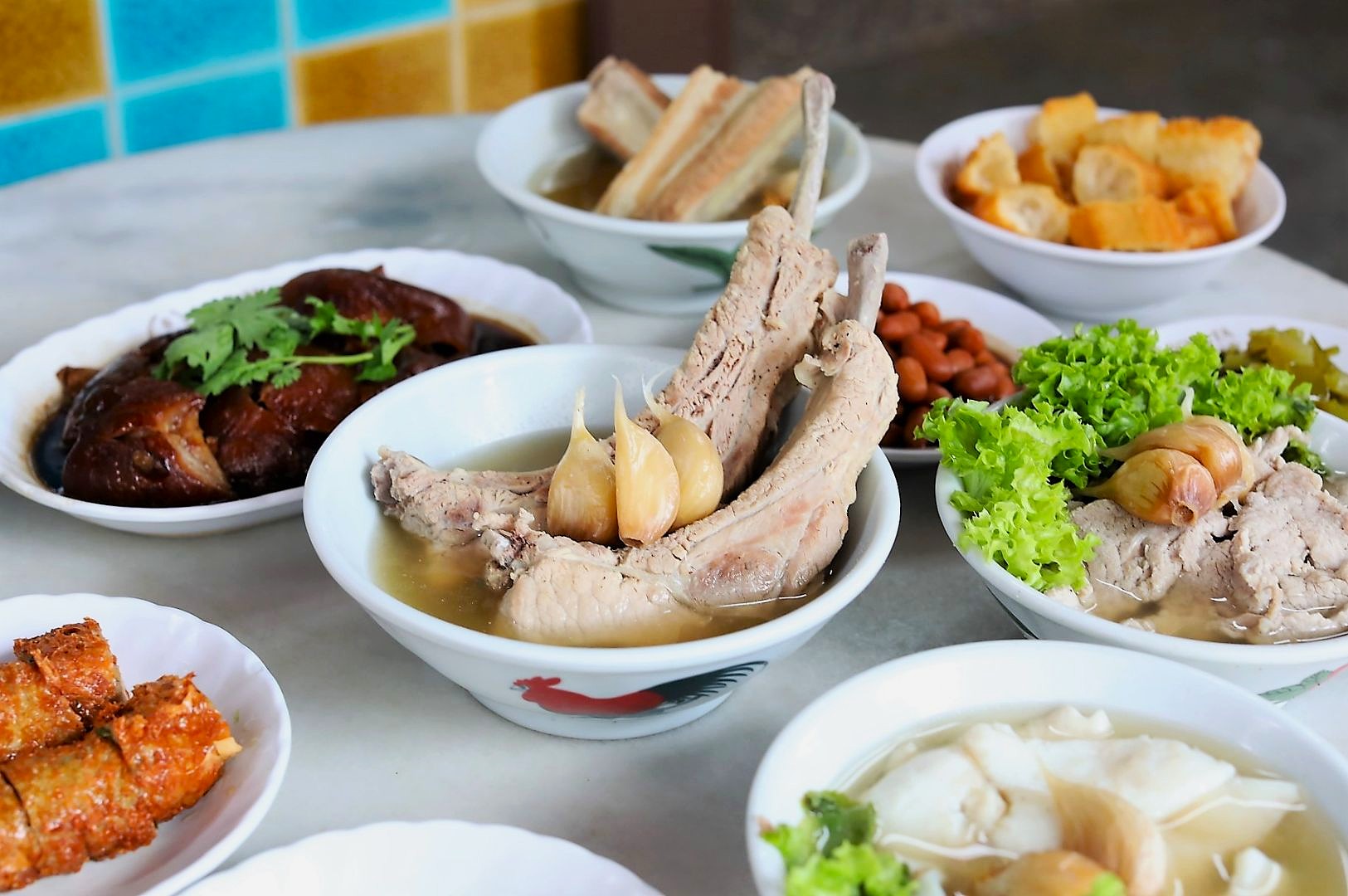
Bak Kut Teh and Bak Chor Mee: Hearty Hawker Staples
Bak chor mee, another popular noodle dish, is made with egg noodles tossed with minced meat, pork belly, fish balls, and a savory sauce made with soy sauce, chili sauce, and sesame oil. Served dry with a side of soup, this flavorful dish pairs perfectly with the bold, slightly sweet notes of kopi or teh, creating a balanced and satisfying dining experience.
Bak kut teh, meaning pork ribs tea, is a comforting herbal soup made by simmering pork ribs with a blend of herbs and spices. Served with steamed rice, youtiao (deep fried dough), and sometimes braised tofu, its warm and savory flavors are beautifully enhanced when enjoyed alongside a strong cup of kopi or teh, which helps to cleanse the palate and complement the rich broth.
Desserts and Drinks to Complete the Kopitiam Experience
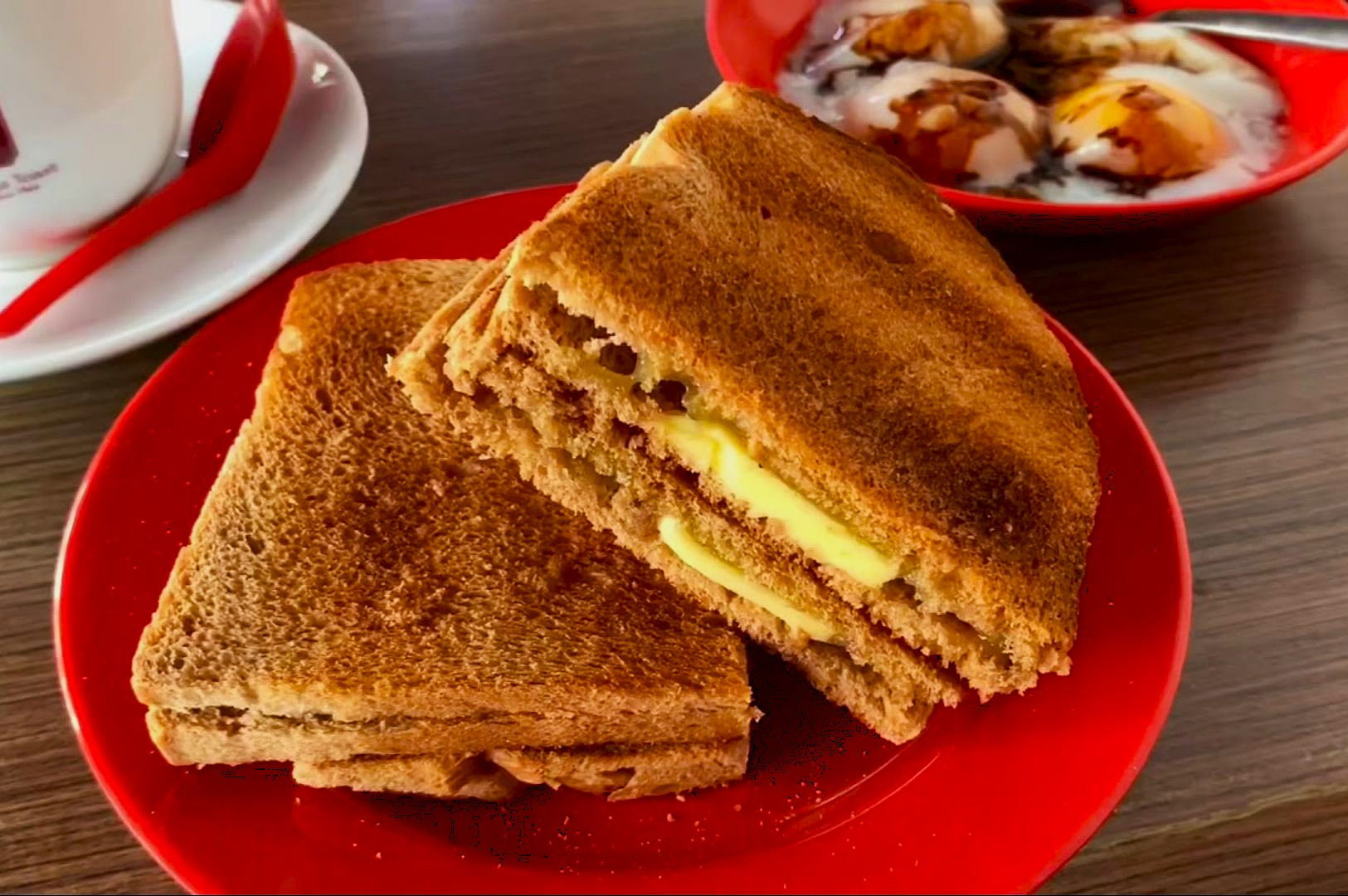
Kaya Toast: A Sweet and Savory Breakfast Classic
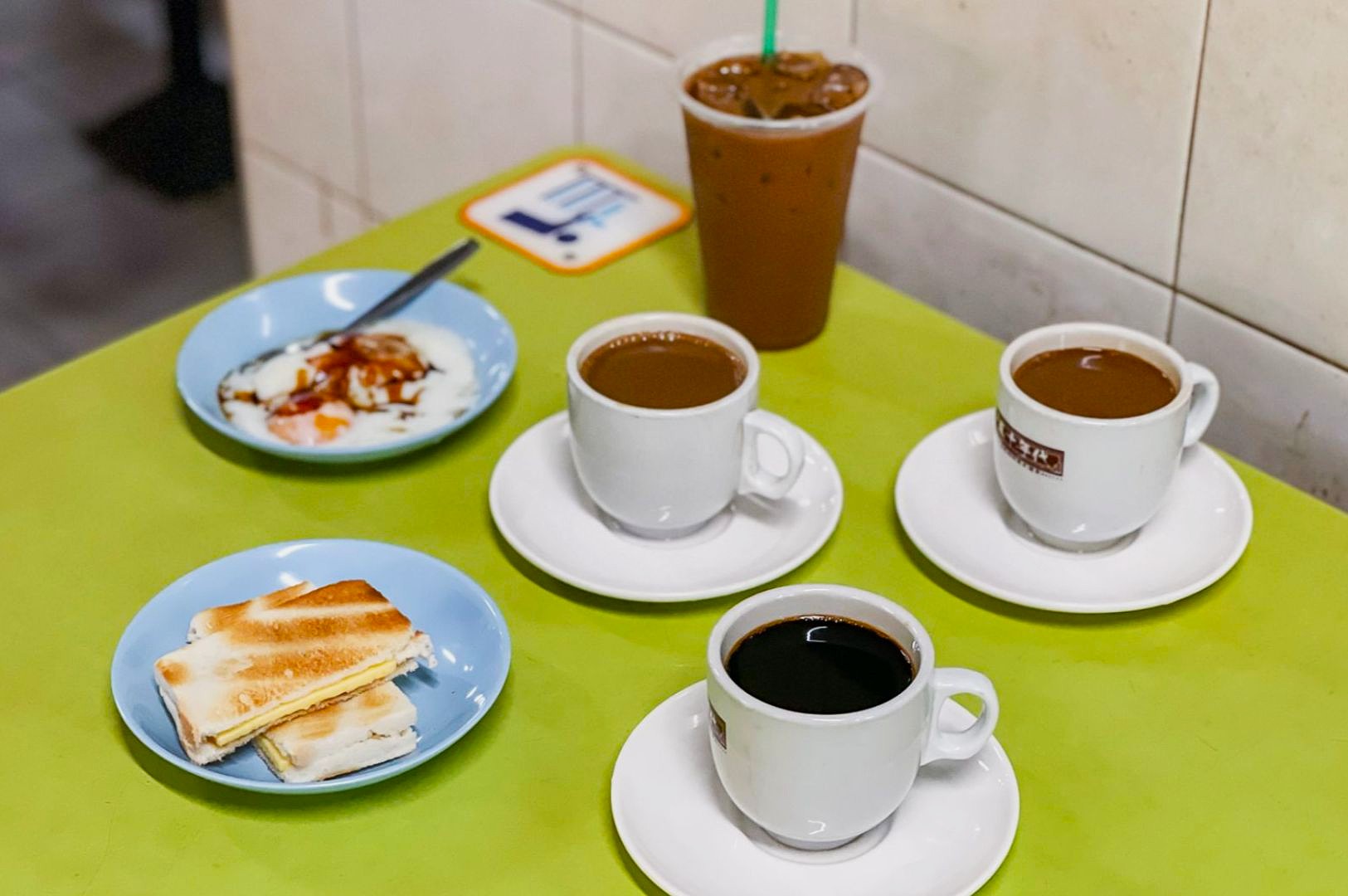
Kaya toast is a beloved Singaporean breakfast staple, featuring slices of toasted bread generously spread with kaya—a rich, sweet coconut jam made from coconut milk, eggs, sugar, and pandan leaves. Often paired with a slab of butter, the combination of crispy toast, creamy kaya, and salty butter creates a perfect balance of flavors. Served alongside soft boiled eggs and a dash of soy sauce and white pepper, kaya toast is a simple yet deeply satisfying way to start the day in a kopitiam.
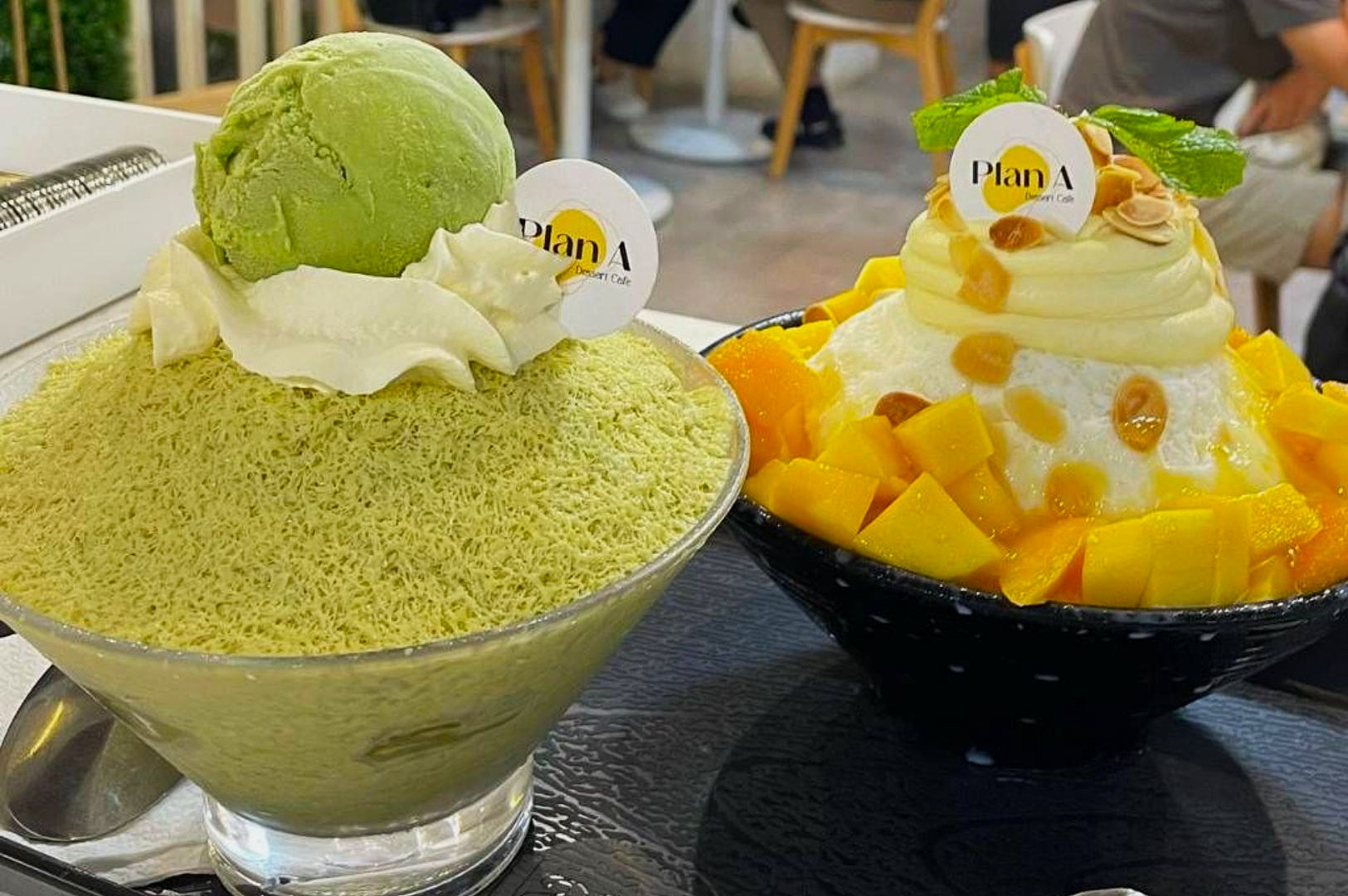
Shaved Ice Desserts: Cooling Treats for Tropical Days
Singapore’s tropical climate calls for refreshing desserts like chendol and ice kacang. Chendol is a delightful mix of shaved ice topped with green jelly pandan-flavored jelly noodles, red beans, coconut milk, and sweet palm sugar syrup. Ice kacang, meanwhile, is a colorful mound of finely shaved ice adorned with an assortment of toppings such as red beans, sweet corn, grass jelly, and drizzled with condensed milk and flavored syrups.
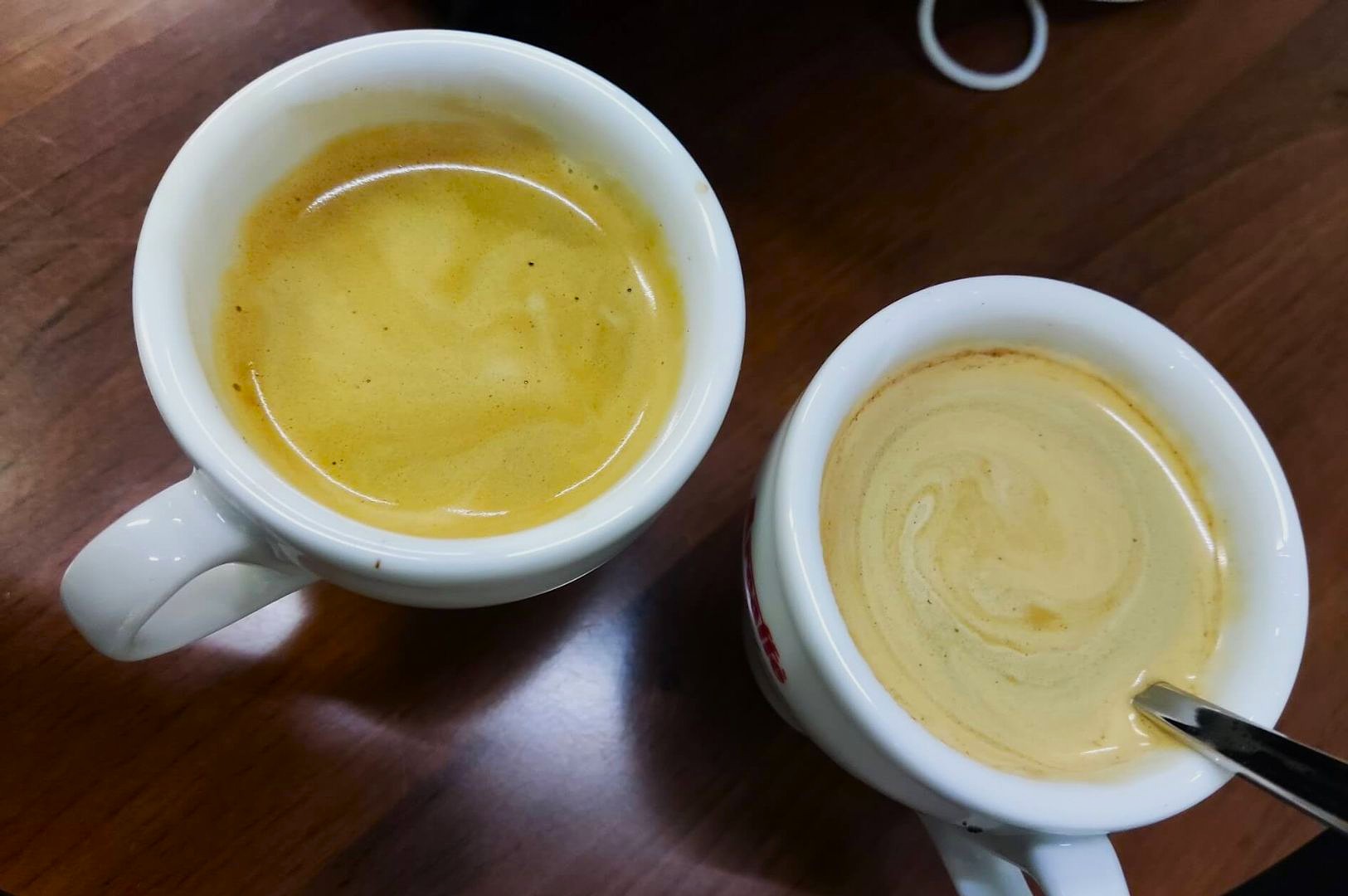
Kopi: The Bold Brew That Complements Every Meal
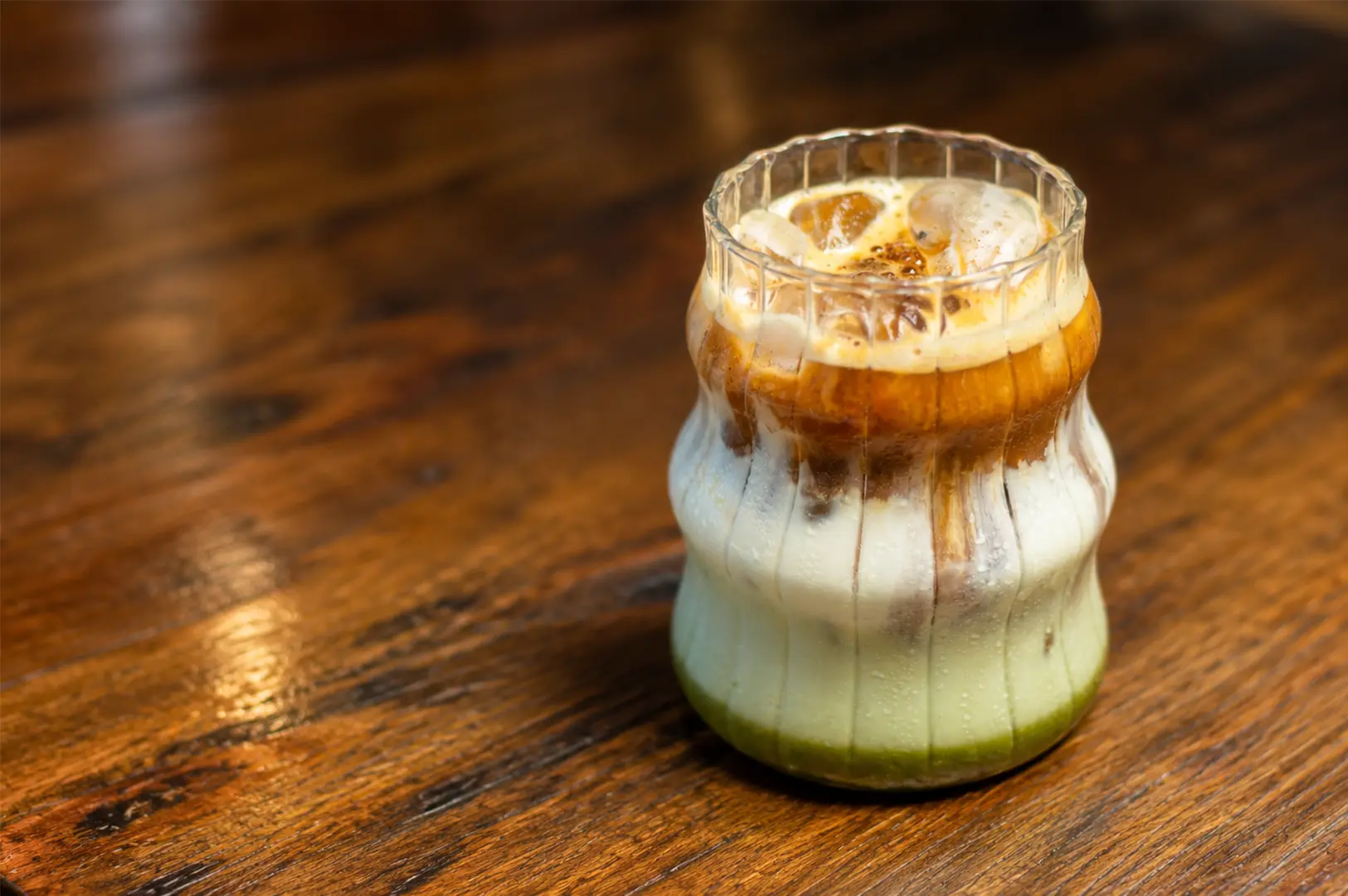
Kopi, Singapore’s traditional coffee, is a robust and aromatic brew made from coffee beans roasted with sugar and margarine, giving it a distinctive caramelized flavor. Served hot or iced, often with condensed milk for sweetness, kopi is the perfect companion to many Singaporean delicacies. Its strong, slightly bitter notes balance the rich and spicy flavors of dishes like chili crab and hainanese chicken rice, making every meal at a kopitiam a harmonious experience.
Conclusion
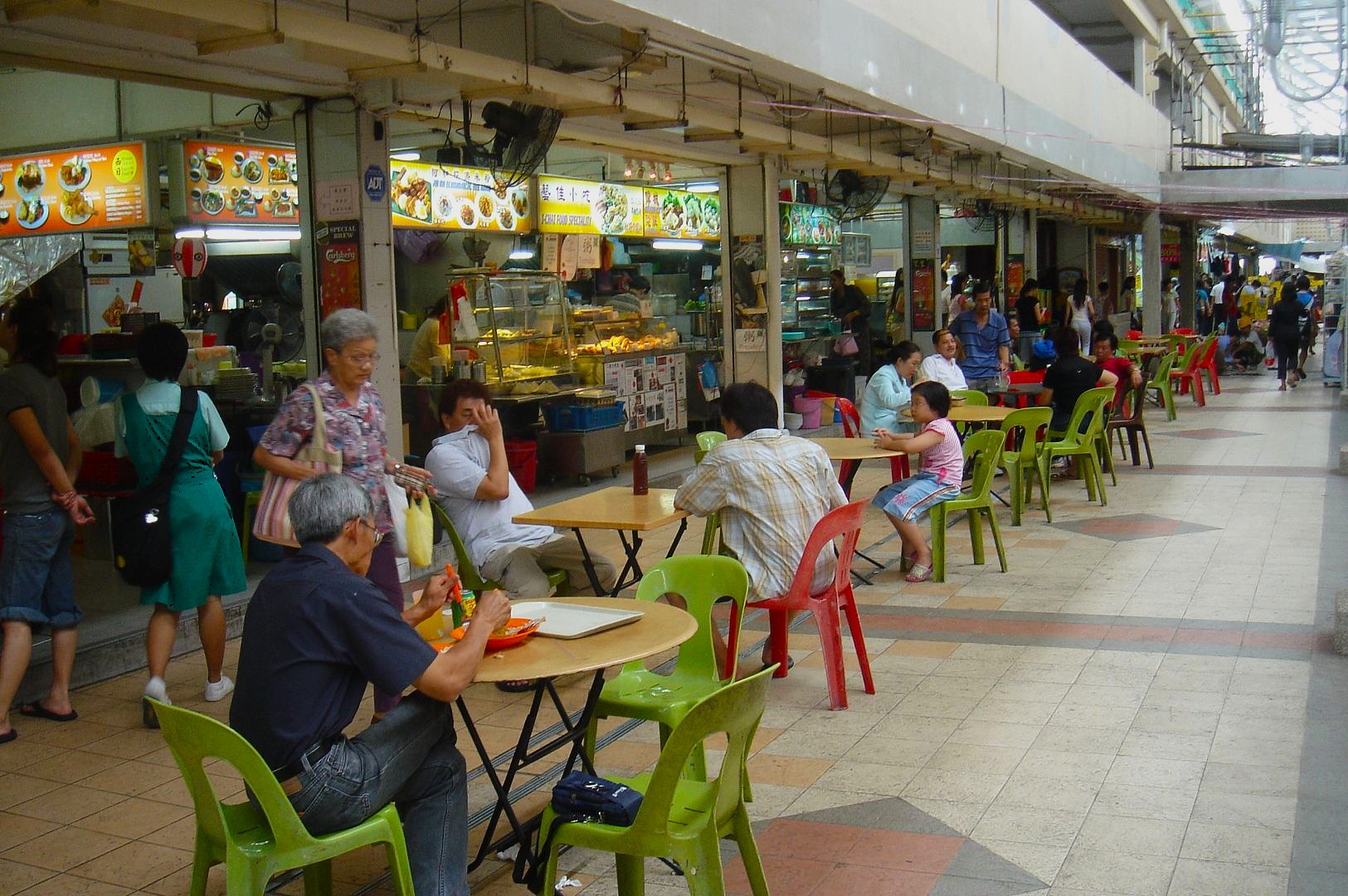
Singaporean delicacies are more than just meals—they are a vibrant expression of the city’s rich cultural heritage and communal spirit. Whether enjoyed in the lively kopitiams or bustling hawker centres, these dishes blend diverse flavors and traditions, offering a unique and unforgettable culinary experience that truly captures the heart of Singapore.
In a city where new eating spaces continue to emerge, the coffee shop remains steady. It holds the everyday meals that don’t ask to be remembered, yet always are. And perhaps that quiet reliability is what keeps these delicacies relevant now, even as the way we eat keeps shifting. By embracing the rich tapestry of flavors, textures, and cultural influences, Singaporean delicacies at kopitiams and hawker stalls offer more than just food—they provide a deep connection to the city’s heritage and community. Whether savoring a plate of noodles stir fried with pork lard, enjoying fragrant rice cooked with chicken fat, or indulging in the messy deliciousness of chili crab, the kopitiam experience is truly a taste of Singapore’s soul.
To explore more stories about how food, space, and habit shape the way Singapore eats, visit Social Eats ‘N’ Drinks or Click here to learn more about the kopi and cafe culture of the country that definitely matches with and make Singaporean delicacies truly unique.